

This article provides an essential golf cart battery maintenance manual designed to help you identify and resolve common issues affecting battery performance. Readers will discover step-by-step solutions, expert tips, and preventive measures to ensure their batteries operate at peak efficiency. Whether you're a seasoned golfer or a casual user, this golf cart battery diagnostic guide offers valuable insights to enhance your golfing experience.
Common Signs of Golf Cart Battery Issues
Recognizing the signs of battery issues in your golf cart is crucial for maintaining its performance and longevity. Here are some key indicators that your golf cart's battery may need attention:
1. Decreased Speed and Power
If you notice that your golf cart is struggling to reach its usual speed or feels sluggish during operation, this may indicate a problem with the battery. A declining battery can lead to insufficient power delivery, resulting in a lack of acceleration.
2. Frequent Need for Charging
A healthy golf cart battery should hold a charge for a reasonable duration. If you find yourself needing to recharge the battery more often than usual, it could be a sign of wear or damage.
Signs of Overcharging:
- Overheating: Excessive heat during charging can indicate overcharging, which damages the battery.
- Swelling: If the battery casing appears swollen, it’s a clear sign of internal issues.
3. Corroded or Loose Connections
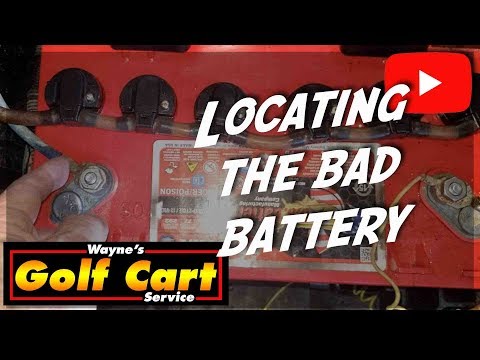
Inspect the battery terminals regularly. Corrosion can hinder the electrical connection, leading to poor performance. Ensure that the connections are clean and tight for optimal function.
4. Diminished Range
A significant decrease in the distance your golf cart can travel on a single charge is a strong indicator of battery problems. If you find yourself unable to cover your usual routes without recharging, it’s time to evaluate the battery's health.
5. Unusual Noises
Listen for any strange sounds when operating the cart. Clicking or buzzing noises can indicate electrical issues within the battery system, signaling the need for a professional inspection.
6. Battery Age
The lifespan of a golf cart battery typically ranges from 4 to 6 years. If your battery is nearing this age and you’re experiencing performance issues, it may be time to consider replacement as part of your comprehensive golf cart battery troubleshooting guide for optimal performance.
Regularly monitoring these signs can help you address golf cart battery issues before they escalate, ensuring a smoother and more enjoyable ride.
Step-by-Step Golf Cart Battery Troubleshooting Process
When experiencing issues with your golf cart, pinpointing battery-related problems is crucial for optimal performance. Follow this step-by-step golf cart battery troubleshooting process to efficiently identify and resolve common issues.
1. Initial Inspection
Begin with a thorough visual examination of the battery and its components.
- Check for corrosion: Look for any signs of corrosion on the terminals. A white, chalky substance may indicate corrosion, which can hinder electrical flow.
- Examine connections: Ensure all cables and connections are tight and free from wear. Loose or damaged cables can lead to power loss.
- Inspect the battery case: Check for any cracks or leaks. A damaged battery case can cause performance issues and safety hazards.
2. Voltage Testing
Using a multimeter, measure the voltage of each battery in the pack.
- Fully charged batteries: A healthy, fully charged battery should read between 12.6 to 12.8 volts.
- Low voltage: If any battery reads below 12.4 volts, it may require charging or replacement.
- Uneven voltage: Disparities in voltage readings among batteries can indicate a failing battery that needs further attention.
3. Load Testing
To assess the battery's ability to hold a charge, perform a load test.
- Use a load tester: Connect the load tester to the battery and apply a load equivalent to half of the battery’s rated capacity for 10-15 seconds.
- Monitor the voltage drop: A significant voltage drop during the test may indicate that the battery is no longer holding a charge effectively.
4. Charging System Check
Evaluate the charging system to ensure it is functioning correctly.
- Examine the charger: Check that the charger is compatible with your golf cart's battery type and is functioning properly.
- Monitor charging time: If the battery takes longer than usual to charge, it may indicate an underlying issue with either the charger or the battery itself.
- Check for error indicators: Many modern chargers have indicator lights; refer to the user manual to interpret any warning signals.
5. Water Level Assessment
For lead-acid batteries, maintaining the proper water level is essential.
- Inspect water levels: Ensure that the electrolyte levels are above the lead plates. If they are low, add distilled water.
- Avoid overfilling: Fill only to the recommended level to prevent spillage and potential damage to the battery.
6. Professional Evaluation
If issues persist after following the above steps, consider seeking professional assistance.
- Consult a technician: A qualified technician can conduct advanced diagnostics and recommend solutions tailored to your golf cart’s needs.
- Battery replacement: If the battery is confirmed to be faulty, look for reputable brands such as Trojans or Interstate Batteries, which offer reliable performance starting around $150.
By systematically following this golf cart battery troubleshooting process, you can effectively identify and resolve issues, ensuring your golf cart operates at peak performance.
Tools and Equipment Needed for Golf Cart Battery Diagnostics
When diagnosing issues with your golf cart battery, having the right tools and equipment is essential for effective troubleshooting. This section outlines the necessary instruments that will help you identify problems and maintain optimal performance.
Essential Diagnostic Tools
To accurately assess the condition of your golf cart battery, consider the following tools:
- Multimeter: A digital multimeter is crucial for measuring voltage, current, and resistance. Look for models like the Fluke 117, priced around $200, which offers reliable readings and durability.
- Battery Load Tester: This device simulates a load on the battery to check its capacity. The Midtronics MDX-650P, available for about $150, is a popular choice among golf cart enthusiasts.
- Hydrometer: For flooded lead-acid batteries, a hydrometer helps measure the specific gravity of the electrolyte. The General Tools 451, priced around $10, is an affordable and effective option.
Safety Gear
Safety should always be a priority when working with batteries. Equip yourself with:
- Safety Goggles: Protect your eyes from potential acid splashes.
- Rubber Gloves: Insulated gloves help prevent electrical shock while handling batteries.
Additional Equipment
Besides diagnostic tools, having the right equipment can enhance your troubleshooting experience:
- Cable and Terminal Cleaner: Keeping connections clean is vital. A product like the CRC 05101 cleaner, which costs around $10, can remove corrosion effectively.
- Battery Charger: A quality charger, such as the NOCO Genius G3500, priced at approximately $70, ensures your batteries are properly charged before diagnostics.
Helpful Accessories
In addition to primary tools, consider these accessories for a more thorough diagnosis:
- Wrench Set: A set of wrenches is necessary for tightening or loosening battery terminals.
- Flashlight: A bright LED flashlight can help you see connections and battery condition clearly, especially in dim environments.
Equipping yourself with these tools and equipment will facilitate an effective golf cart battery diagnostics process, ensuring you can identify and resolve issues promptly. This preparedness is crucial for maintaining the longevity and performance of your golf cart battery system.
Understanding Golf Cart Battery Types and Their Impact on Performance
When it comes to optimizing your golf cart's performance, the type of battery you choose plays a crucial role. Each battery type offers distinct advantages and limitations that can significantly affect how well your cart operates. This guide aims to provide insights into the various golf cart battery types, helping you make an informed decision.
Common Types of Golf Cart Batteries
There are three primary types of batteries used in golf carts:
- Lead-Acid Batteries: These are the most traditional and widely used batteries for golf carts. They come in two subtypes: flooded and sealed. Flooded batteries are less expensive but require regular maintenance, while sealed lead-acid batteries are maintenance-free and offer greater safety.
- Lithium-Ion Batteries: Known for their lightweight and compact design, lithium-ion batteries provide longer run times and faster charging. They have a higher upfront cost but can be more cost-effective in the long run due to their durability and efficiency.
- Gel Batteries: A variation of lead-acid batteries, gel batteries use a silica gel to hold the electrolyte in place. They are less prone to leaking and can withstand deeper discharges, making them a good choice for off-road or rugged use.
Factors Influencing Performance
The performance of your golf cart is influenced by several factors related to battery type:
1. Capacity and Voltage
The capacity of a battery, measured in amp-hours (Ah), directly affects how long your golf cart can run on a single charge. Higher voltage systems, such as 48V, are generally more efficient and provide better performance compared to lower voltage systems.
2. Charge Time
Different battery types have varying charge times. For instance, lithium-ion batteries can often be charged within a few hours, while lead-acid batteries may take up to 8-10 hours. Quick charging capabilities can enhance your golf cart's usability.
3. Lifespan and Maintenance
Lead-acid batteries typically last 3-5 years, while lithium-ion batteries can last up to 10 years or more with proper care. Understanding maintenance requirements is essential for maximizing the lifespan of your battery, especially with flooded lead-acid types that require regular water checks.
Choosing the Right Battery for Your Needs
Selecting the appropriate battery type for your golf cart depends on your specific needs:
- If you prioritize initial cost and don't mind regular maintenance, lead-acid batteries are a suitable choice.
- For those looking for long-term savings and less maintenance, investing in lithium-ion batteries is worthwhile.
- If you frequently use your golf cart in rugged terrains, consider gel batteries for their durability and resistance to harsh conditions.
Understanding the different golf cart battery types and their impact on performance is essential for ensuring optimal operation and longevity of your vehicle. By carefully evaluating your requirements and the characteristics of each battery type, you can enhance your golf cart experience.
Maintenance Tips to Prevent Golf Cart Battery Problems
Maintaining your golf cart's battery is essential for ensuring its longevity and optimal performance. Following these practical tips can help you avoid common battery issues and keep your golf cart running smoothly.
Regular Inspection
Conduct regular inspections of your golf cart battery. Look for signs of corrosion around the terminals, which can impede electrical flow. If you notice any buildup, gently clean the terminals with a mixture of baking soda and water, ensuring the connections are tight and free from debris.
Proper Charging Practices
Adhering to proper charging practices is crucial. Here are some guidelines to follow:
- Avoid Overcharging: Disconnect the charger once the battery reaches full capacity to prevent damage.
- Use the Right Charger: Ensure you are using a charger compatible with your battery type, whether it's lead-acid or lithium-ion.
- Charge After Use: Always charge your battery after each round of golf to maintain its health.
Water Maintenance for Lead-Acid Batteries
If your golf cart is equipped with lead-acid batteries, maintaining the water levels is vital. Check the water levels regularly and ensure they are above the plates but not overflowing. Use distilled water to fill any low cells, as tap water can introduce impurities.
Temperature Management
Extreme temperatures can affect battery performance. Store your golf cart in a climate-controlled environment whenever possible. If you must leave it outside, consider using a battery insulation cover to protect it from extreme heat or cold.
Periodic Testing
Regularly test your battery's voltage and specific gravity, especially if your golf cart is not used frequently. A digital multimeter can help you check the voltage, while a hydrometer can measure the specific gravity of the electrolyte. This proactive measure can identify potential issues early on.
Battery Lifespan Awareness
Be aware of your battery's lifespan. Most lead-acid batteries last about 3 to 5 years, while lithium-ion batteries can last up to 10 years. Keep track of your battery's age, and consider a replacement if performance begins to decline significantly.
By implementing these maintenance tips, you can significantly reduce the likelihood of battery problems and ensure your golf cart remains reliable for years to come. These strategies form part of a comprehensive approach to golf cart battery care, enhancing both performance and longevity.
We genuinely value your insights and experiences, so we warmly invite you to share your thoughts or any questions you may have about the Golf Cart Battery Troubleshooting Guide in the comments section below. Your contributions not only enrich our community but also help fellow golf cart enthusiasts navigate their own challenges. We look forward to hearing from you!
Leave a Reply