
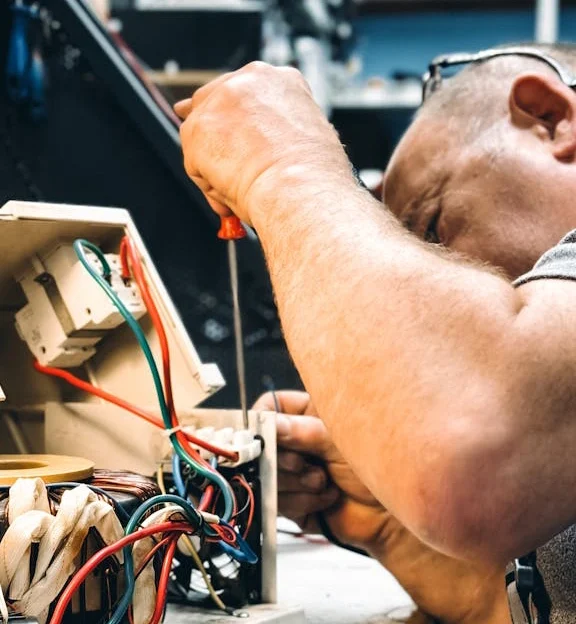
This article provides valuable insights into essential golf vehicle electrical troubleshooting solutions to enhance your cart's performance. You'll discover practical tips and techniques for addressing common issues, ensuring your golf cart power system repairs are efficient and effective. Learn how to identify problems quickly and implement these electric golf cart fixes to keep your ride running smoothly on the course.
Common Causes of Electrical Shorts in Golf Carts
Electrical shorts in golf carts can lead to performance issues, unexpected malfunctions, and even safety hazards. Understanding the common causes of these shorts can help owners maintain their vehicles more effectively and ensure optimal performance. Below are some key factors that contribute to electrical shorts in golf carts.
1. Damaged Wiring
Wiring in golf carts is susceptible to wear and tear over time. Factors that can lead to damaged wiring include:
- Rodent Damage: Rodents often chew on wires, exposing the inner conductors and causing shorts.
- Corrosion: Exposure to moisture can lead to corrosion, weakening insulation and creating short circuits.
- Physical Wear: Continuous movement and vibration can wear down the insulation, leading to exposed wires.
2. Loose Connections
Loose electrical connections can disrupt the flow of electricity and create arcing, which may result in a short circuit. Common areas to check for loose connections include:
- Battery Terminals: Ensure that battery terminals are tightly connected to prevent movement and corrosion.
- Fuse Blocks: Inspect fuse blocks for any loose or corroded connections that could interrupt power.
- Switches and Relays: Regularly check switches and relays for secure connections to avoid arcing.
3. Faulty Components
Certain components within the electrical system may fail and lead to shorts. Pay attention to:
- Controllers: A malfunctioning controller can cause excessive current flow, resulting in shorts.
- Solenoids: Defective solenoids may create unintended paths for electricity, leading to shorts.
- Light Fixtures: Burned-out bulbs or faulty light fixtures can create shorts if wires touch each other.
4. Overloading the Circuit
Golf carts have specific electrical load capacities. Overloading the circuit by adding too many accessories or using high-wattage components can result in shorts. To avoid this:
- Check Ratings: Always verify the wattage ratings of accessories against the cart's electrical capacity.
- Use Fuses: Incorporate appropriate fuses to protect against overcurrent situations.
5. Water Intrusion
Water can easily enter the electrical system of a golf cart, especially if seals are worn or damaged. This intrusion can cause:
- Short Circuits: Water creates conductive pathways between wires, leading to shorts.
- Corrosion: Moisture can lead to corrosion over time, exacerbating electrical issues.
By identifying these common causes of electrical shorts, golf cart owners can take proactive measures to maintain their vehicles. Regular inspections and timely repairs are essential to prevent disruptions and ensure the longevity of your golf cart's electrical system.
Step-by-Step Guide to Identifying Electrical Shorts
Identifying electrical shorts is crucial for maintaining the safety and efficiency of your golf cart. Electrical shorts can lead to performance issues, damage to components, and potential hazards. This guide provides a clear pathway to diagnose and resolve electrical shorts effectively.
Understanding Electrical Shorts
Electrical shorts occur when a current flows through an unintended path, often leading to overheating and equipment failure. Recognizing the signs of a short circuit is the first step in addressing the problem.
Step 1: Gather Necessary Tools
Before starting the identification process, ensure you have the following tools on hand:
- Multimeter - for measuring voltage, current, and resistance
- Insulated Screwdriver - for safely accessing electrical components
- Wire Strippers - for removing insulation from wires if necessary
- Electrical Tape - for securing connections after repairs
Step 2: Visual Inspection
Begin with a thorough visual inspection of the electrical system:
- Check for damaged or frayed wires.
- Look for signs of burning or discoloration around connectors.
- Ensure all connections are tight and secure.
Take note of any abnormalities, as these can indicate the source of the short.
Step 3: Use a Multimeter
Using a multimeter is essential for pinpointing shorts:
Testing for Continuity
Set the multimeter to the continuity setting and perform the following:
- Disconnect the battery to ensure safety.
- Check each wire individually by placing one probe on the wire and the other on the ground.
- If the multimeter beeps or shows continuity, that wire may be shorted.
Measuring Resistance
Next, measure the resistance:
- With the multimeter still connected, check the resistance of components.
- A reading of zero or very low resistance indicates a potential short circuit.
Step 4: Isolate the Problem Area
Once you identify wires or components that may be shorted, isolate them:
- Disconnect the suspected components one at a time.
- Recheck for continuity and resistance after each disconnection.
- This will help you narrow down the exact location of the short.
Step 5: Repairing the Short
After locating the short, take the necessary steps to repair it:
- Replace any damaged wires or connectors.
- Use electrical tape to secure connections and prevent future shorts.
- Reassemble the electrical system carefully.
Step 6: Testing the System
After repairs, it’s essential to test the electrical system:
- Reconnect the battery and check for normal operation.
- Monitor for any signs of overheating or unusual behavior.
This final step ensures that your golf cart operates efficiently and safely.
By following this step-by-step guide, you can effectively identify and resolve electrical shorts, contributing to the overall performance and longevity of your golf cart's electrical system. Addressing shorts promptly not only enhances performance but also ensures a safer driving experience.
Essential Tools for Golf Cart Electrical Short Repairs
When tackling electrical short repairs in golf carts, having the right tools is crucial for a successful and efficient fix. Here’s a comprehensive list of essential tools that will help you address electrical issues effectively.
1. Multimeter
A multimeter is indispensable for diagnosing electrical problems. It allows you to measure voltage, current, and resistance, helping you pinpoint the location of the short. Look for a digital multimeter with features like:
- Auto-ranging capability
- Continuity testing
- Backlit display for easy reading
Prices for quality multimeters typically range from $20 to $100.
2. Wire Strippers and Crimpers
Properly managing wires is essential when repairing shorts. A good pair of wire strippers and crimpers will help you remove insulation from wires and create secure connections. Consider tools that offer:
- Multiple gauge options
- Ergonomic grips for comfort
- Built-in cutting edges
Expect to invest around $15 to $40 for a reliable set.
3. Electrical Tape
Electrical tape is crucial for insulating exposed wires after repairs. It prevents accidental short circuits and ensures safety. Look for:
- High-temperature resistance
- UV protection for outdoor use
- Good adhesive strength
You can find rolls of electrical tape priced between $5 and $15.
4. Soldering Kit
For more permanent fixes, a soldering kit is beneficial. Soldering provides a strong and durable connection between wires. An ideal kit should include:
- Soldering iron with adjustable temperature
- Solder wire with flux core
- Safety stand and sponge for cleaning
Basic soldering kits are available for $30 to $70.
5. Heat Shrink Tubing
Using heat shrink tubing can add an extra layer of protection to your electrical repairs. It shrinks when heated, creating a tight seal around wires. Choose tubing that:
- Is made from durable materials
- Comes in various sizes for versatility
- Can withstand moisture and temperature fluctuations
A pack of assorted heat shrink tubing can cost between $10 and $25.
6. Fuse Tester
A fuse tester is a handy tool to quickly check if fuses are functioning properly. This can save you time when diagnosing electrical shorts. Look for testers that offer:
- Visual indicators for easy readings
- Compatibility with various fuse types
- Compact design for portability
Prices for fuse testers generally range from $10 to $30.
Utilizing these essential tools will streamline your golf cart electrical short repairs, ensuring a safer and more effective approach to maintaining optimal performance. Each tool plays a vital role in diagnosing and fixing electrical issues, helping you get your golf cart back on the course in no time.
Preventive Measures to Avoid Electrical Shorts in Golf Carts
To ensure the longevity and optimal performance of your golf cart, implementing preventive measures against electrical shorts is crucial. Below are effective strategies that can help you minimize the risk of electrical issues.
Regular Inspection of Wiring and Connections
Conduct routine checks of all wiring and connections within your golf cart. Look for signs of wear, fraying, or corrosion, which can lead to shorts. Key areas to inspect include:
- Battery terminals: Ensure they are clean and securely connected.
- Fuses: Check for blown fuses that could indicate underlying electrical problems.
- Wire insulation: Look for any cracks or damage that may expose wires.
Use Quality Components
Investing in high-quality electrical components can significantly reduce the likelihood of shorts. When replacing parts, consider:
- Heavy-duty wiring: Opt for thicker gauge wires that can handle increased current.
- Sealed connectors: These protect against moisture and dirt, minimizing the risk of shorts.
- Quality batteries: Choose reputable brands that offer reliable performance.
Proper Storage and Maintenance
Where and how you store your golf cart can impact its electrical system. Consider the following maintenance tips:
- Dry environment: Store your cart in a dry place to prevent moisture buildup, which can cause shorts.
- Regular cleaning: Keep the cart clean, especially around electrical components, to avoid debris accumulation.
- Battery maintenance: Regularly check and maintain battery levels to ensure optimal function.
Educate Users on Safe Operation
Training all users on safe operating procedures can help prevent accidental electrical shorts. Important points to cover include:
- Avoid overloading: Ensure users do not exceed the cart's weight capacity.
- Proper charging practices: Instruct users on how to correctly connect and disconnect the charger.
- Emergency protocols: Familiarize users with the steps to take if they notice any electrical issues.
By following these preventive measures, you can significantly decrease the chances of experiencing electrical shorts in your golf cart, ensuring a smoother and safer ride on the course.
When to Seek Professional Help for Golf Cart Electrical Issues
Identifying when to consult a professional for golf cart electrical problems is crucial for maintaining performance and safety. While many issues can be addressed with basic troubleshooting, certain symptoms signal the need for expert assistance.
Signs Indicating Professional Assistance is Needed
It's essential to recognize the specific indicators that suggest it's time to seek professional help. These include:
- Persistent Battery Problems: If your golf cart frequently requires charging or the batteries are not holding a charge, this may indicate a deeper issue, such as faulty wiring or battery failure.
- Unusual Sounds: Hearing clicking, buzzing, or grinding noises when attempting to start or operate the cart can point to electrical malfunctions that need expert evaluation.
- Inconsistent Performance: If the cart experiences sudden power loss or erratic acceleration, it could be a sign of wiring problems or issues with the controller that should be examined by a professional.
- Electrical Shorts: If you notice sparks or burning smells near the electrical components, it is critical to stop using the cart and seek immediate professional assistance to prevent further damage.
Complexity of Electrical Systems
Golf cart electrical systems can be intricate, involving various components like controllers, motors, and batteries. Here are reasons why engaging a professional is beneficial:
Expert Diagnosis
Professionals have the tools and experience to accurately diagnose issues that may not be evident to the average user. They can perform comprehensive checks on the electrical systems, ensuring all components are functioning correctly.
Access to Specialized Parts
Professionals often have access to high-quality replacement parts that may not be available to the general public. This ensures that any repairs are done using reliable components, enhancing the longevity and performance of your golf cart.

Safety Considerations
Dealing with electrical systems can pose safety risks. If you are not familiar with electrical repairs, attempting to fix issues on your own could lead to injury or further damage. It is always wise to prioritize safety by consulting with a qualified technician for any significant electrical repairs.
In summary, recognizing the signs of electrical issues and understanding the complexities involved can guide you in deciding when to seek professional help. Prioritizing expert assistance not only ensures optimal performance but also enhances the safety of your golf cart.
We truly value your insights and experiences, and we invite you to share your thoughts or questions about Golf Cart Electrical Short Fixes in the comments below. Your contributions not only enrich our community but also help fellow enthusiasts navigate their own challenges. Whether you have a tip to offer or a query that needs addressing, we’re here to learn and grow together. Let’s keep the conversation going!
Leave a Reply