

In this article, readers will discover essential insights into golf vehicle supercharger maintenance aimed at boosting performance. We'll explore common issues faced by golf cart owners, provide expert tips for effective golf cart supercharger servicing, and highlight the benefits of professional golf cart turbo maintenance to ensure optimal functionality on the course. Whether you're a seasoned golfer or a casual player, understanding these repairs can significantly enhance your golfing experience.
- Understanding the Importance of Golf Cart Turbocharger Repairs
- Common Signs That Your Golf Cart Turbocharger Needs Repair
-
Step-by-Step Guide to Golf Cart Turbocharger Repair
- Tools and Materials Needed
- Step 1: Safety First
- Step 2: Disconnect the Battery
- Step 3: Remove the Turbocharger
- Step 4: Inspect the Turbocharger
- Step 5: Clean Components
- Step 6: Install the New Turbocharger
- Step 7: Reconnect Oil Lines and Pipes
- Step 8: Reconnect the Battery
- Step 9: Test the Golf Cart
- Final Tips
- Choosing the Right Professional for Golf Cart Turbocharger Repairs
- Cost Factors Involved in Golf Cart Turbocharger Repairs
Understanding the Importance of Golf Cart Turbocharger Repairs

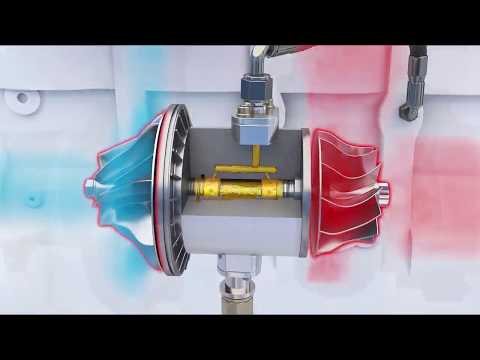
When it comes to enhancing the performance of your golf cart, turbocharger repairs play a critical role. These components are designed to boost the engine's efficiency and power, which can significantly improve your golf cart's speed and overall functionality. Neglecting necessary repairs can lead to a range of issues, ultimately impacting your cart's performance on the course.
Why Timely Repairs Matter
Regular maintenance and timely repairs of your golf cart's turbocharger can prevent more extensive damage down the line. Here are some key reasons why addressing these repairs promptly is essential:
- Performance Enhancement: A well-functioning turbocharger increases horsepower, allowing your golf cart to navigate hills and rough terrains with ease.
- Fuel Efficiency: A damaged turbocharger can lead to poor fuel consumption. Repairing it ensures your golf cart runs efficiently, saving you money in the long run.
- Extended Lifespan: Regular repairs and maintenance can prolong the life of your golf cart, providing you with a reliable vehicle for years to come.
Common Signs Your Turbocharger Needs Attention
Identifying issues early can save you from more significant problems later. Watch for these warning signs that indicate your turbocharger may require repairs:
- Loss of Power: If you notice a decrease in acceleration or overall power, it may be time to inspect the turbocharger.
- Unusual Noises: Loud whistling or grinding sounds can indicate that the turbocharger is malfunctioning.
- Excessive Exhaust Smoke: Blue or black smoke from the exhaust can be a sign of a failing turbocharger.
Benefits of Professional Turbocharger Repairs
Engaging experts in golf cart turbocharger repairs ensures that the job is done correctly. Professional services often provide:
- Thorough Inspections: Technicians will perform detailed assessments to identify all issues, not just the obvious ones.
- Quality Parts: Using high-quality replacement parts can enhance performance and reliability.
- Expert Knowledge: Professionals have the experience and skills to handle repairs effectively, minimizing the risk of future problems.
Investing in the repair of your golf cart's turbocharger not only improves its performance but also enhances your overall golfing experience. With better speed and efficiency, you can focus on enjoying the game rather than worrying about your vehicle's reliability. Prioritize your turbocharger maintenance to keep your golf cart in peak condition.
Common Signs That Your Golf Cart Turbocharger Needs Repair

Recognizing the signs that your golf cart's turbocharger may require repair is crucial for maintaining optimal performance. Here are several key indicators to watch for:
1. Decreased Acceleration
If you notice a significant drop in your golf cart's acceleration, it could be a clear sign of turbocharger issues. A failing turbocharger may struggle to provide the necessary boost, leading to sluggish performance.
2. Unusual Noises
Pay attention to any strange sounds emanating from the turbocharger. Common noises include whining, grinding, or rattling, which may indicate that components within the turbocharger are damaged or malfunctioning.
3. Excessive Exhaust Smoke
Another red flag is the presence of excessive smoke coming from the exhaust. This could suggest oil leaks or other issues within the turbocharger, affecting its efficiency and performance.
Types of Exhaust Smoke to Watch For:
- Blue Smoke: Indicates burning oil, potentially due to a failing turbocharger seal.
- Black Smoke: Suggests an overly rich fuel mixture, which could be linked to turbocharger malfunction.
- White Smoke: May indicate coolant entering the combustion chamber, hinting at severe turbocharger issues.
4. Check Engine Light Activation
The activation of the check engine light on your dashboard can signal various problems, including those related to the turbocharger. A diagnostic check can help pinpoint the exact issue.
5. Reduced Fuel Efficiency
If your golf cart is consuming more fuel than usual, this could be a result of a malfunctioning turbocharger. An inefficient turbocharger may lead to increased fuel consumption as it struggles to provide adequate power.
6. Engine Performance Fluctuations
Inconsistent engine performance, such as stalling or hesitation during acceleration, may indicate that the turbocharger is not functioning correctly. These fluctuations can compromise the overall driving experience.
By being vigilant and recognizing these signs, you can address potential turbocharger issues early, ensuring your golf cart continues to perform at its best. Regular maintenance and expert repairs can enhance the longevity and efficiency of your turbocharger, allowing you to enjoy your rides without interruption.
Step-by-Step Guide to Golf Cart Turbocharger Repair

Repairing a golf cart turbocharger can significantly enhance your vehicle's performance. This guide will provide you with a structured approach to tackle turbocharger issues effectively. Follow these steps to ensure your repair process is thorough and successful.
Tools and Materials Needed
Before starting your repair, gather the following tools and materials:
- Socket set (metric and standard)
- Torque wrench
- Gasket scraper
- Replacement turbocharger kit (specific to your golf cart model, typically priced around $200-$500)
- Engine oil (suitable for turbocharged engines)
- Cleaning solvents for removing old gaskets
- Safety goggles and gloves
Step 1: Safety First
Before beginning any repair, ensure your golf cart is on a level surface and the engine is cool. Wear protective gear such as gloves and safety goggles to protect yourself during the repair process.
Step 2: Disconnect the Battery
To prevent any electrical issues, start by disconnecting the battery. This will also help avoid accidental short circuits while working on the turbocharger.
Step 3: Remove the Turbocharger
Carefully detach the turbocharger from the engine. This typically involves:
- Removing the intake and exhaust pipes connected to the turbocharger.
- Unscrewing the bolts securing the turbocharger in place.
- Disconnecting any oil feed and drain lines.
Make sure to keep track of all bolts and components for reassembly.
Step 4: Inspect the Turbocharger
Once removed, inspect the turbocharger for signs of damage or wear. Look for:
- Cracks in the housing
- Excessive play in the turbine shaft
- Oil leaks around the seals
If any major damage is detected, consider replacing the turbocharger instead of repairing it.
Step 5: Clean Components
Thoroughly clean all parts associated with the turbocharger. Use cleaning solvents to remove old gaskets and carbon deposits. A clean surface ensures a proper seal when reassembling.
Step 6: Install the New Turbocharger
If you’re replacing or refurbishing the turbocharger, install the new or repaired unit by reversing the removal steps. Ensure that all gaskets are new and properly aligned. Tighten the bolts to the manufacturer's specified torque settings.
Step 7: Reconnect Oil Lines and Pipes
Reconnect the oil feed and drain lines, ensuring there are no leaks. Reattach the intake and exhaust pipes, checking that all connections are secure.
Step 8: Reconnect the Battery
After all components are back in place, reconnect the battery. Ensure that all connections are tight and secure.
Step 9: Test the Golf Cart
Start your golf cart and listen for any unusual noises. Check for oil leaks and monitor the performance. If everything is functioning correctly, your golf cart should now have improved efficiency and power.
Final Tips
- Always refer to your golf cart's service manual for specific instructions related to your model.
- Regular maintenance can prevent turbocharger issues and enhance overall performance.
- Consider consulting with a professional if you're unsure about any step in the process.
Following this step-by-step guide to golf cart turbocharger repair will help you restore your vehicle's performance efficiently and effectively.
Choosing the Right Professional for Golf Cart Turbocharger Repairs

When it comes to maintaining the performance of your golf cart, selecting a skilled technician for turbocharger repairs is crucial. A qualified professional can ensure that your golf cart operates at peak efficiency, enhancing both speed and power. Here are some key factors to consider when choosing the right expert for golf cart turbocharger repairs.
Experience and Expertise
Look for a technician with extensive experience specifically in golf cart turbocharger repairs. Here are some questions to ask:
- How many years have you been working with golf carts?
- Can you provide references from previous customers?
- What types of turbochargers have you repaired?
A professional with a solid background in turbocharger systems will have the necessary knowledge to diagnose issues effectively and implement appropriate solutions.
Certifications and Training
Verify that the technician holds relevant certifications. Industry-recognized credentials indicate a commitment to ongoing education and adherence to best practices. Some valuable certifications to look for include:
- ASE (Automotive Service Excellence) Certification
- Manufacturer-specific training certifications
These credentials can assure you that the technician is well-versed in the latest repair techniques and technologies.
Tools and Equipment
Assess the tools and equipment used by the technician. A professional who invests in high-quality tools will likely provide superior service. Ensure they have access to:
- Advanced diagnostic tools for accurate troubleshooting
- High-quality replacement parts that meet or exceed OEM specifications
This investment in equipment reflects a commitment to delivering reliable repairs for enhanced golf cart performance.
Customer Reviews and Reputation
Research customer reviews and testimonials to gauge the reputation of the repair service. Positive feedback can be a strong indicator of quality work. Look for reviews that mention:
- Timeliness of repairs
- Quality of customer service
- Overall satisfaction with turbocharger performance post-repair
A reputable technician will have a track record of satisfied clients who can attest to their skill and professionalism.
Transparent Pricing and Warranty Options
Before committing to a repair service, inquire about their pricing structure. A trustworthy technician should provide clear, upfront estimates and explain the costs involved in the repair process. Additionally, check if they offer warranty options on parts and labor. A warranty can provide peace of mind, knowing that you’re covered in case of future issues.
By considering these factors, you can confidently select a professional who specializes in golf cart turbocharger repairs, ensuring your vehicle operates at its best for years to come.
Cost Factors Involved in Golf Cart Turbocharger Repairs

Understanding the cost factors involved in golf cart turbocharger repairs is crucial for owners looking to maintain their vehicles efficiently. Various elements can influence the overall expense of these repairs, ranging from parts to labor.
1. Parts Replacement
The most significant portion of the repair cost often stems from the replacement of parts. Key components include:
- Turbocharger Unit: The price for a new turbocharger can range from $500 to $1,500, depending on the make and model of the golf cart.
- Gaskets and Seals: These are essential for preventing leaks and can cost between $50 and $200.
- Boost Control Sensors: If these sensors fail, they typically range from $100 to $300 for replacement.
2. Labor Costs
Labor costs can vary significantly based on the complexity of the repair and the technician's expertise. Here’s what to expect:
- Hourly Rates: Most golf cart repair shops charge between $75 and $150 per hour.
- Time Required: Turbocharger repairs can take anywhere from 2 to 5 hours, depending on the issue.
3. Diagnostic Fees
Before repairs can begin, a thorough diagnostic is often necessary to identify the specific issues affecting the turbocharger. This can add an additional cost of:
- Diagnostic Charges: Typically, diagnostics may cost between $50 and $100, depending on the service provider.
4. Additional Repairs
Sometimes, turbocharger issues may be linked to other engine problems. Be prepared for possible additional repairs, which could include:
- Exhaust System Repairs: If the exhaust system is compromised, repairs can range from $200 to $600.
- Fuel System Issues: Problems here can add $100 to $400 to your repair bill.
5. Location and Service Provider
The geographic location and choice of service provider can also play a significant role in the overall cost.
- Regional Variations: Prices can differ dramatically between urban and rural areas.
- Authorized Dealers vs. Independent Shops: Authorized dealers may charge a premium for their services, often resulting in higher repair costs.
By understanding these cost factors, golf cart owners can make informed decisions regarding turbocharger repairs, ensuring that they achieve enhanced performance without unexpected financial burdens.
We value your thoughts and insights, and we invite you to share your opinions or questions about Golf Cart Turbocharger Repairs in the comments below. Your experiences and inquiries not only enrich our community but also help us all learn and grow together. Whether you have tips to share or need guidance, your voice is important to us, and we look forward to engaging with you!
Leave a Reply