
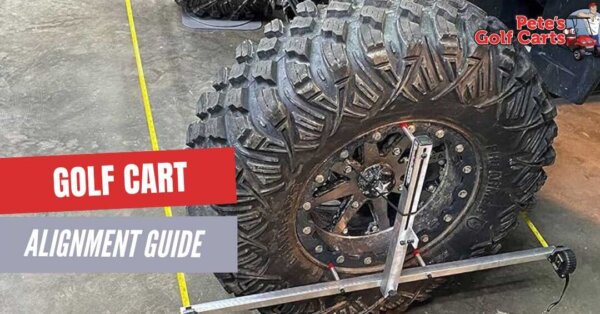
In this article, readers will discover essential golf cart wheel alignment strategies to enhance their vehicle's performance and longevity. The focus will be on practical golf cart alignment advice that can help improve handling, increase tire lifespan, and ensure a smoother ride. By following these tips for aligning golf cart wheels, owners can achieve optimal functionality and enjoy their time on the course or around the neighborhood.
Understanding the Importance of Golf Cart Wheel Alignment
Proper wheel alignment is a critical aspect of maintaining your golf cart, impacting both performance and longevity. Misaligned wheels can lead to a range of issues, from uneven tire wear to compromised steering control, making it essential for owners to understand its significance.
Why Wheel Alignment Matters
Golf carts are designed for both leisure and utility, and maintaining optimal wheel alignment is vital for several reasons:
- Enhanced Safety: Proper alignment ensures that your golf cart handles predictably, reducing the risk of accidents caused by steering issues.
- Improved Tire Longevity: When wheels are aligned correctly, tires wear evenly, extending their lifespan and saving you money on replacements.
- Better Fuel Efficiency: Correct alignment can lead to improved performance, which translates to better energy consumption, whether you're using electric or gas-powered carts.
Signs of Misalignment
Being aware of the symptoms of misalignment can help you address issues promptly. Look out for:
- Uneven Tire Wear: If you notice that one side of your tires is wearing down faster than the other, it may be time for an alignment check.
- Pulling to One Side: If your golf cart drifts to the left or right while driving straight, this is a clear indication of misalignment.
- Steering Wheel Vibration: Excessive vibration in the steering wheel can signal that your wheels are not aligned correctly.
Maintaining Optimal Alignment
To ensure your golf cart remains in top condition, consider these essential tips for golf cart wheel alignment:
- Regular Inspections: Schedule routine checks for alignment, especially after any significant bumps or accidents.
- Professional Service: Engage a qualified technician for alignment services to ensure accurate adjustments.
- Check Suspension Components: Regularly inspect suspension parts for wear, as damaged components can affect alignment.
Understanding the importance of golf cart wheel alignment not only enhances your cart's performance but also ensures a safer and more enjoyable ride. Keeping your wheels properly aligned is a straightforward way to protect your investment and enhance your golfing experience.
Common Signs Your Golf Cart Needs Wheel Alignment
Recognizing when your golf cart requires wheel alignment is crucial for maintaining optimal performance and ensuring a smooth ride. Here are some common indicators that your cart may need attention in this area:
1. Uneven Tire Wear
If you notice that one side of your tires is wearing down faster than the other, it’s a strong sign that your golf cart is out of alignment. Inspect the tread regularly to identify any inconsistencies. Proper alignment helps distribute weight evenly across all tires, enhancing their lifespan.
2. Pulling to One Side
When driving, if your golf cart tends to drift to one side, it could be a symptom of misalignment. This behavior not only affects your driving experience but can also lead to further damage if not addressed. Test your steering by letting go of the wheel briefly to see if it maintains a straight path.
3. Steering Wheel Off-Center
A steering wheel that is not centered while driving straight can indicate a need for wheel alignment. If you find yourself constantly adjusting the wheel to keep your cart on a straight path, it’s time to check the alignment.
4. Vibration or Shaking
Unusual vibrations or shaking while driving can be a sign of misalignment. This issue may stem from the wheels not being properly aligned, causing uneven pressure on the suspension system. Pay attention to any abnormal movements, especially at higher speeds.
5. Decreased Handling and Control
If your golf cart feels less responsive or you have to exert more effort to steer, it may be due to alignment issues. Proper alignment ensures that the wheels are positioned correctly, which is essential for maintaining control and handling during turns.
6. Unusual Noises
Listen for any strange noises while driving your golf cart. If you hear grinding or scraping sounds, it may indicate that the wheels are misaligned and causing additional friction. Addressing these noises promptly can prevent more serious mechanical issues.
7. Difficulty in Turning
If you find it increasingly challenging to turn your golf cart, this could be linked to poor wheel alignment. When the wheels are not aligned correctly, it can lead to increased effort required to navigate turns.
Regular Maintenance for Optimal Performance
To keep your golf cart functioning at its best, consider the following maintenance tips:
- Regular Inspections: Check alignment every few months or after heavy use.
- Tire Rotation: Rotate tires regularly to ensure even wear.
- Professional Service: Consult a professional for alignment checks and adjustments.
By being aware of these signs and taking proactive steps, you can ensure your golf cart remains in excellent condition, enhancing both safety and performance.
Step-by-Step Guide to Aligning Your Golf Cart Wheels
Aligning your golf cart wheels is essential for optimal performance and a smoother ride. Proper alignment helps in even tire wear and improves steering response. Follow this detailed guide to ensure your golf cart wheels are perfectly aligned.
Tools You Will Need
Before you start the alignment process, gather the following tools:
- Wrench set - For loosening and tightening bolts
- Measuring tape - To measure wheel distances accurately
- Level - To ensure your cart is on a flat surface
- Alignment gauge - For precise adjustments
Preparation Steps
1. Park Your Golf Cart: Ensure the cart is on a level surface to avoid inaccurate readings.
2. Check Tire Pressure: Inflate tires to the manufacturer’s recommended pressure, typically around 15-20 PSI.
3. Inspect for Damage: Look for any signs of wear or damage on tires and suspension components.
Measuring the Wheel Alignment
To achieve correct alignment, follow these measuring steps:
1. Front Wheel Measurement: Measure the distance between the front of the front wheels. Record this measurement.
2. Rear Wheel Measurement: Measure the distance between the back of the front wheels. This should be slightly less than the front measurement for proper toe-in alignment.
3. Compare Measurements: Ensure the difference is within the recommended range of 1/8 to 1/4 inch.
Adjusting the Alignment
If your measurements indicate misalignment, follow these adjustment steps:
1. Loosen the Tie Rods: Use your wrench to slightly loosen the tie rod ends.
2. Adjust Toe Angle: Rotate the tie rods to adjust the toe angle. Turn them clockwise to decrease toe-in and counterclockwise to increase it.
3. Recheck Measurements: After adjustments, measure the front and rear distances again to confirm they meet specifications.
Final Steps
Once adjustments are complete:
1. Tighten Tie Rods: Ensure all tie rod ends are securely tightened.
2. Test Drive: Take your golf cart for a short drive to test the steering and handling.
3. Recheck Alignment: After the test drive, recheck your measurements to ensure they remain within the desired specifications.
By following these precise steps, you can achieve optimal alignment for your golf cart wheels, enhancing both performance and safety on the course.
Tools and Equipment Required for Proper Golf Cart Wheel Alignment
Achieving optimal performance in your golf cart relies significantly on precise wheel alignment. Proper alignment not only enhances driving comfort but also extends the lifespan of your tires. To ensure accurate adjustments, having the right tools and equipment is crucial. Below is a detailed list of essential items you will need for effective golf cart wheel alignment.
Essential Tools
- Alignment Tool: A dedicated golf cart alignment tool, such as the EZGO Golf Cart Alignment Tool priced around $50, provides precise measurements to ensure your wheels are set correctly.
- Torque Wrench: This tool is vital for applying the correct amount of torque when tightening wheel bolts. A reliable option is the Tekton 24335 1/2 Inch Drive Click Torque Wrench, available for approximately $40.
- Measuring Tape: A sturdy measuring tape helps in assessing wheel distance and alignment angles. Look for a heavy-duty model like the Stanley 33-725 25-Foot Measuring Tape, which costs about $15.
Additional Equipment
- Camber Gauge: This tool is essential for measuring the camber angle of the wheels. The Longacre 78200 Digital Camber Gauge, priced around $70, is a popular choice among golf cart enthusiasts.
- Jack and Jack Stands: Lifting your golf cart safely is necessary for wheel access. A good hydraulic jack, such as the Torin Big Red Hydraulic Floor Jack, costing around $90, paired with sturdy jack stands, will facilitate the process.
- Leveling Device: A leveling tool ensures that the cart is on a flat surface, which is crucial for accurate alignment. The Johnson Level & Tool 40-0922 Magnetic Level can be purchased for about $20.
Safety Gear
- Safety Glasses: Protect your eyes from debris while working on your golf cart. A reliable option is the 3M Virtua Safety Glasses, available for around $10.
- Gloves: To maintain grip and protect your hands, use durable work gloves like the Ironclad General Utility Gloves, priced at approximately $25.
Final Considerations
Having the right tools and equipment for proper golf cart wheel alignment can significantly impact your cart's performance and tire longevity. Each tool serves a specific purpose in ensuring that your alignment process is efficient and effective. By investing in quality tools, you not only enhance your golf cart's functionality but also ensure a safer and more enjoyable riding experience.
Maintaining Your Golf Cart's Wheel Alignment for Optimal Performance

Ensuring your golf cart's wheel alignment is spot on is crucial for achieving optimal performance on the course or around your neighborhood. Proper alignment not only enhances your cart's handling but also extends the lifespan of your tires and improves fuel efficiency. Here are some essential tips to keep your golf cart aligned and performing at its best.
Signs Your Golf Cart Needs Wheel Alignment
Recognizing the signs that your golf cart may require a wheel alignment can save you from further damage and costly repairs. Look out for the following indicators:
- Uneven tire wear: If you notice that your tires are wearing down more on one side, it’s a clear sign of misalignment.
- Pulling to one side: When driving, if your cart drifts to the left or right without steering input, it may need adjustment.
- Vibrations in the steering wheel: Excessive vibrations can indicate alignment issues or other underlying problems.
Regular Maintenance Checks
To maintain your golf cart's wheel alignment effectively, regular checks are essential. Here’s how you can incorporate maintenance into your routine:
- Visual inspections: Periodically check the condition of your tires and look for signs of wear or damage.
- Adjustments after heavy use: If you frequently drive on uneven terrain or hit curbs, consider checking alignment more often.
- Professional assessments: Schedule an alignment check with a qualified technician at least once a year.
DIY Wheel Alignment Tips
If you prefer a hands-on approach, you can perform basic alignment checks yourself. Here are some DIY tips:
- Measure toe-in and toe-out: Use a tape measure to check the distance between the front and back of your tires to ensure they are parallel.
- Inspect camber angles: Look for tilting of the wheels; they should be straight up and down for proper alignment.
- Adjusting tie rods: If adjustments are needed, you can carefully modify the tie rods to correct the alignment.
Investing in Quality Components
For long-lasting performance, consider upgrading or replacing worn-out components that affect alignment:
- Ball joints: Ensure they are in good condition to allow proper steering.
- Tie rods: High-quality tie rods can enhance stability and control.
- Shock absorbers: These should be replaced as needed to maintain a smooth ride and prevent misalignment.
When to Seek Professional Help
While DIY checks are beneficial, some situations warrant professional intervention:
- Severe alignment issues: If you encounter significant handling problems, a professional alignment is recommended.
- Complex repairs: Any extensive damage or component replacement should be handled by an expert.
- Advanced diagnostics: Technicians can perform precise measurements that may not be achievable at home.

By maintaining your golf cart's wheel alignment through these practices, you will ensure a smoother ride, improved handling, and enhanced performance, allowing you to enjoy your time on the course even more.
We would love to hear your thoughts and questions about Golf Cart Wheel Alignment Tips! Your insights and inquiries not only enrich our community but also help us all improve our understanding and enjoyment of golf cart maintenance. Please feel free to share your opinions or seek clarification in the comments below—your voice matters, and together, we can navigate the world of golf cart care more effectively!
Leave a Reply