

This article delves into crucial golf cart brake maintenance methods that ensure your vehicle operates safely and efficiently. Readers will discover effective strategies and best practices for addressing common brake issues, enhancing overall performance. With a focus on golf cart braking system repair strategies, the content aims to equip you with the knowledge needed to keep your cart in top condition.
Essential Tools for Golf Cart Brake Repair
When it comes to maintaining your golf cart, understanding the essential tools for brake repair is crucial for ensuring safety and performance. Properly functioning brakes are vital for a smooth ride, and having the right equipment at hand can make all the difference in executing effective golf cart brake repair techniques. Below is a guide to the tools you will need.
Basic Hand Tools
To start, you will need a selection of basic hand tools that are fundamental for any repair job:
- Socket Set: A comprehensive socket set (ranging from $30 to $100) is essential for loosening and tightening bolts and nuts on your brake assembly.
- Wrenches: Both adjustable and fixed wrenches (approximately $15 to $50) will help in accessing tight spaces around brake components.
- Screwdrivers: A set of Phillips and flathead screwdrivers (around $10 to $25) is necessary for removing covers and securing screws.
Specialized Brake Tools
For more advanced brake repair techniques, specialized tools can greatly enhance your efficiency:
- Brake Bleeder Kit: Essential for removing air from the brake lines, a brake bleeder kit can cost between $15 and $30.
- Brake Spring Tool: This tool (priced around $10 to $20) is designed to install and remove brake springs safely, preventing injury or damage.
- Brake Caliper Tool: Used to compress the caliper piston when replacing brake pads, these tools typically range from $15 to $40.
Safety Gear
Safety should always be a priority during any maintenance work. The following items are recommended:
- Safety Glasses: Protect your eyes from debris and chemicals (costing around $5 to $20).
- Gloves: Durable work gloves (approximately $10 to $25) will protect your hands from sharp edges and chemicals.
- Steel-Toed Boots: Essential for foot protection, these boots usually range from $50 to $150.
Additional Considerations
Depending on the specific brake system of your golf cart, you might also need the following:
- Torque Wrench: Ensures that bolts are tightened to the manufacturer’s specifications, with prices typically between $30 and $100.
- Jack and Jack Stands: To safely elevate the cart for access to the brakes, a quality jack set can cost from $50 to $150.
Equipping yourself with these essential tools will facilitate effective golf cart brake repair, ensuring your vehicle operates safely and efficiently. Proper maintenance using the right equipment will help prolong the life of your golf cart's braking system and enhance overall performance.
Common Signs Your Golf Cart Needs Brake Repair
Understanding when your golf cart requires brake repair is crucial for maintaining safety and performance on the course. Here are some key indicators that your golf cart may need attention in its braking system.
1. Unusual Noises
If you hear grinding, squeaking, or clunking sounds when applying the brakes, it’s a strong sign that your brake components may be worn out or damaged. These noises can indicate that brake pads are thinning or that there is an issue with the brake drum or disc.
2. Reduced Stopping Power
A noticeable delay in stopping or a feeling that the brakes are less responsive than usual is a critical sign that your golf cart’s braking system needs repair. This may be caused by worn brake pads, air in the brake lines, or low brake fluid levels.
3. Brake Pedal Behavior
Pay attention to how your brake pedal feels. If the pedal feels spongy or soft, it may indicate air in the brake lines or a leak in the hydraulic system. Conversely, if the pedal is stiff or requires excessive pressure to engage, this could signal a problem with the brake components.
4. Pulling to One Side
When braking, if your golf cart tends to pull to one side, this can indicate uneven wear on the brake pads or issues with the brake calipers. This can compromise your control over the cart and should be addressed promptly.
5. Brake Warning Light
Many modern golf carts come equipped with a brake warning light on the dashboard. If this light activates, it’s essential to investigate the underlying issue immediately, as it may point to low brake fluid or other critical brake system problems.
Additional Considerations
Regular maintenance can help you identify these issues before they become significant problems. Consider scheduling routine inspections and brake adjustments to ensure optimal performance of your golf cart.
Using these signs as a guideline, you can keep your golf cart’s braking system in top shape, ensuring a safe and enjoyable ride on the greens.
Step-by-Step Guide to Golf Cart Brake Adjustment
Properly adjusting the brakes on your golf cart is essential for safety and optimal performance. This step-by-step guide provides you with clear instructions to ensure your golf cart’s braking system functions effectively.
Tools and Materials Needed
- Wrench set (for adjusting brake components)
- Screwdriver (flathead and Phillips)
- Brake cleaner (to clean brake components)
- New brake pads (if replacement is necessary)
- Safety gloves and goggles (for personal protection)
Step 1: Safety First
Before starting any adjustments, ensure the golf cart is parked on a flat surface. Turn off the ignition and engage the parking brake. Always wear safety gloves and goggles to protect yourself from debris and chemicals.
Step 2: Inspect the Brake Components
Begin by removing the wheel to access the brake assembly. Look for signs of wear or damage on:
- Brake pads
- Brake drums
- Brake cables
If any components appear worn, consider replacing them to maintain optimal performance.
Step 3: Adjust the Brake Pads
Locate the adjustment screws on the brake pads. Using your wrench, turn the screws clockwise to tighten or counterclockwise to loosen the brake pads. Aim for a snug fit that allows for a slight clearance between the pads and the drum. This ensures efficient braking without dragging.
Step 4: Check Brake Cable Tension
Examine the brake cables for tension. If the cables are too loose, they will not engage the brakes effectively. Adjust the tension by locating the cable adjuster, usually found near the brake lever. Tighten the adjuster until you achieve the desired tension.
Step 5: Clean the Brake Components
Use brake cleaner to remove dust and debris from the brake pads and drums. This step is crucial for maintaining braking efficiency. After cleaning, ensure that no residue is left on the components.
Step 6: Reassemble and Test
After adjustments and cleaning, reattach the wheel. Test the brakes by gently pressing the pedal. The brakes should engage smoothly without any unusual noises. If you notice any issues, repeat the adjustment steps or consult a professional for further assistance.
Step 7: Regular Maintenance
To ensure long-lasting performance, schedule regular maintenance checks on your golf cart’s braking system. Inspect the brakes at least once every six months, especially if you frequently use the cart on hilly terrain.
By following this guide, you can confidently adjust your golf cart's brakes, ensuring safety and reliability for your outings. Regular adjustments and maintenance are key to achieving optimal performance and extending the life of your braking system.
How to Replace Golf Cart Brake Pads and Shoes
Replacing the brake pads and shoes on your golf cart is essential for maintaining optimal performance and ensuring safety during operation. This guide will provide you with clear, step-by-step instructions to help you effectively complete this task.
Tools and Materials Needed
Before starting the replacement process, gather the following tools and materials:
- Socket set (including a ratchet and extension)
- Wrench set
- Brake cleaner
- New brake pads and shoes (specific to your golf cart model)
- Jack and jack stands
- Safety goggles and gloves
Step-by-Step Replacement Process
1. Prepare Your Golf Cart
Begin by ensuring your golf cart is on a flat, stable surface. Engage the parking brake and disconnect the battery to prevent any accidental movements.
2. Lift the Golf Cart
Using a jack, carefully lift the golf cart and secure it with jack stands. This will provide you with adequate access to the wheels and brakes.
3. Remove the Wheel
Use the socket set to remove the lug nuts and take off the wheel. This step is crucial for accessing the brake assembly.
4. Inspect the Brake Assembly
Take a moment to examine the brake assembly. Look for any signs of wear or damage that may require attention beyond just replacing the pads and shoes.
5. Remove Old Brake Pads and Shoes
Using the wrench set, carefully detach the old brake pads and shoes. Pay attention to how they are installed, as this will help you with the installation of the new components.
6. Clean the Brake Components
Utilize brake cleaner to remove dust and debris from the brake assembly. This will ensure optimal performance of the new brake pads and shoes.
7. Install New Brake Pads and Shoes
Position the new brake pads and shoes in the same configuration as the old ones. Ensure they are securely attached and that all fasteners are tightened to the manufacturer's specifications.
8. Reassemble the Wheel
Once the new brake components are installed, place the wheel back on and secure it with the lug nuts. Tighten them in a crisscross pattern to ensure even pressure.
9. Lower the Golf Cart
Carefully remove the jack stands and lower the golf cart back to the ground.
10. Reconnect the Battery
Reconnect the battery and perform a test of the brakes by pressing the pedal gently. Ensure that the brakes engage smoothly and effectively.
Maintenance Tips
To prolong the life of your new brake pads and shoes, consider these maintenance tips:
- Regularly check the brake system for wear and tear.
- Clean the brake components frequently to prevent buildup.
- Adjust the brake settings if you notice any performance issues.
By following these detailed steps, you can successfully replace the brake pads and shoes on your golf cart, contributing to its overall efficiency and safety. Proper maintenance is crucial for optimal performance, ensuring that your golf cart remains a reliable mode of transportation on the course.
Preventative Maintenance Tips for Golf Cart Brakes
Maintaining your golf cart's brakes is essential for ensuring safety and optimal performance on the course. Here are some practical tips to help you keep your brakes in top condition, enhancing your overall golfing experience.
Regular Inspection
Performing routine inspections can help you identify potential issues before they escalate. Check the following components:
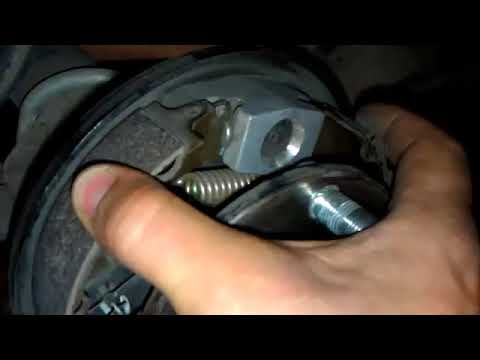
- Brake Pads: Look for signs of wear and replace them if they are thinner than 1/8 inch.
- Brake Lines: Inspect for leaks, cracks, or signs of corrosion.
- Brake Fluid: Ensure fluid levels are adequate and that the fluid is clean. Replace if it appears dark or contaminated.
Adjusting Brake Tension
Proper brake tension is crucial for effective stopping power. If you notice your brakes are not engaging fully, consider adjusting the tension. Follow these steps:
- Locate the brake adjustment mechanism, typically found near the brake pedal.
- Turn the adjustment screw clockwise to tighten or counterclockwise to loosen.
- Test the brakes after adjustment to ensure they engage correctly.
Cleaning Brake Components
Keeping brake components clean can enhance their lifespan and functionality. Use a soft cloth and mild cleaning solution to wipe down:
- Brake Drums: Remove dust and debris that can cause friction issues.
- Brake Shoes: Clean to prevent build-up that may affect performance.
- Calipers: Ensure they are free from dirt and grime for smooth operation.
Utilizing Quality Parts
When it comes to replacing brake components, using high-quality parts is vital for longevity and performance. Consider reputable brands such as:
- Genuine EZGO Parts: Known for their durability and compatibility, prices starting around $25.
- Club Car Replacement Parts: Offers reliable options, typically ranging from $30 to $50.
- Yamaha OEM Brake Kits: Priced around $60, these kits provide everything needed for a complete brake overhaul.
Seasonal Maintenance
Adjust your maintenance routine based on seasonal usage. In colder months, ensure that moisture doesn’t accumulate in the brake system, which can lead to freezing and malfunction. During warmer months, check for overheating components, especially if you frequently drive on hilly terrain.
By implementing these preventative maintenance tips, you can enhance the performance of your golf cart brakes and ensure a safer, smoother ride on the course. Regular attention to your brakes not only prolongs their lifespan but also contributes to the overall safety of your golf cart experience.
We value your insights and experiences! If you have any thoughts, questions, or tips regarding Golf Cart Brake Repair Techniques, we warmly invite you to share them in the comments below. Your contributions not only enrich our community but also help fellow enthusiasts navigate their own repair journeys. Let's learn and grow together—your voice matters!
Leave a Reply