
This article explores various methods to avoid golf cart engine overheating and provides practical strategies for preventing engine heat issues. Readers will discover essential tips and best practices that can help maintain optimal engine performance, ensuring a smooth and enjoyable ride. By implementing these approaches to manage engine temperature, golf cart owners can enhance the longevity and reliability of their vehicles.
Common Causes of Golf Cart Engine Overheating
Understanding the common causes of golf cart engine overheating can help you prevent potential damage and ensure smooth operation. Here are several key factors that contribute to this issue:
1. Insufficient Cooling System Maintenance
A golf cart's cooling system is crucial for regulating engine temperature. If the coolant levels are low or the coolant is dirty, it can lead to overheating. Regular checks and flushes are essential to keep the system functioning properly.
2. Clogged Radiator
Debris, dirt, and dust can accumulate in the radiator, obstructing airflow. This blockage can hinder the cooling process, resulting in higher engine temperatures. It is advisable to clean the radiator regularly to maintain optimal performance.
3. Malfunctioning Thermostat
The thermostat regulates the flow of coolant through the engine. If it fails to open or close properly, it can restrict coolant circulation, leading to overheating. Testing the thermostat periodically can help identify any issues early.
4. Worn Out or Damaged Belts
Belts drive various components of the engine, including the water pump. If these belts become worn or damaged, the water pump may not operate efficiently, resulting in inadequate cooling. Regular inspections and timely replacements can prevent this problem.
5. Overloading the Golf Cart
Excess weight can place additional strain on the engine, causing it to work harder and potentially overheat. Ensure that the load does not exceed the manufacturer's specified weight limit to maintain engine efficiency.
6. Fuel System Issues
A clogged fuel filter or malfunctioning fuel pump can restrict fuel flow to the engine, causing it to run lean. This condition can lead to increased engine temperatures. Regular maintenance of the fuel system is vital for preventing overheating.
7. Ignition System Problems
An improperly functioning ignition system can cause misfires, leading to inefficient combustion. This inefficiency can raise engine temperatures. Ensuring that spark plugs and ignition components are in good condition is essential for optimal performance.
8. Environmental Factors
High ambient temperatures and extreme weather conditions can contribute to engine overheating. Operating your golf cart in hot climates or during peak temperatures requires additional attention to cooling system maintenance.
By being aware of these common causes, you can take proactive steps to maintain your golf cart and mitigate the risk of engine overheating. Regular inspections and proper maintenance are key to ensuring a long and efficient lifespan for your vehicle.
Effective Cooling System Maintenance for Golf Carts
Maintaining an efficient cooling system is crucial for ensuring the longevity and performance of your golf cart. A well-functioning cooling system not only prevents overheating but also enhances overall engine efficiency. Here are essential strategies to keep your golf cart's cooling system in optimal condition.
Regular Inspection of Cooling Components
Frequent checks of the cooling system components are vital. Pay attention to the following parts:
- Radiator: Look for any signs of leaks or damage.
- Coolant Hoses: Ensure hoses are free from cracks and wear.
- Water Pump: Listen for unusual noises that may indicate a malfunction.
By conducting these inspections regularly, you can catch potential issues before they escalate.
Coolant Quality and Levels
Maintaining the right coolant level and quality is essential for optimal performance. Consider these steps:
- Check Levels: Ensure the coolant is at the recommended level in the reservoir.
- Flush and Replace: Perform a coolant flush every 2 years to remove impurities.
- Use Recommended Coolant: Always use the type of coolant specified by the manufacturer.
Using high-quality coolant helps prevent corrosion and enhances the cooling system's efficiency.
Cleaning the Cooling System
Keeping the cooling system clean is vital for effective heat dissipation. Here’s how to do it:
- Debris Removal: Regularly clean the radiator fins and surrounding areas to prevent blockage.
- Flush System: A thorough flush can eliminate buildup that impairs cooling.
A clean cooling system ensures that heat can escape effectively, reducing the risk of overheating.
Monitoring Temperature Gauges
Install and monitor a temperature gauge if your golf cart doesn’t have one. This can help you:
- Detect Overheating: Early detection allows for timely intervention.
- Adjust Usage: Modify your driving habits based on temperature readings.
Being proactive about temperature management can help prevent overheating issues.
Professional Servicing
Consider scheduling regular maintenance with a professional who specializes in golf carts. They can provide:
- Expert Inspections: A thorough evaluation of the cooling system.
- Repairs and Replacements: Professional handling of any necessary repairs or parts replacements.
Engaging a professional ensures that all aspects of the cooling system are functioning optimally.
By implementing these effective techniques to prevent golf cart engine overheating, you can enjoy smooth rides and extend the life of your golf cart. Regular maintenance and monitoring will keep your cart ready for any course, ensuring you make the most of your golfing experience.
Signs Your Golf Cart Engine is Overheating
Recognizing the signs of an overheating golf cart engine is crucial for maintaining optimal performance and preventing costly repairs. Here are some key indicators that your golf cart may be experiencing engine overheating:
1. Unusual Engine Noises
When the engine begins to overheat, you may notice strange sounds such as knocking or pinging. These noises can indicate that the internal components are struggling due to excessive heat. Pay close attention to any changes in the sound of your engine during operation.
2. Elevated Temperature Gauge
Most golf carts are equipped with a temperature gauge. If the needle is consistently moving into the red zone, it’s a clear sign that your engine is overheating. Regularly monitor this gauge to catch potential issues early.
3. Reduced Power and Performance
If your golf cart struggles to accelerate or maintain speed, it may be a symptom of an overheating engine. When the engine overheats, it can cause a loss of power, making it difficult to navigate inclines or maintain your usual pace.
4. Smoke or Steam Emission
One of the most alarming signs of overheating is the presence of smoke or steam coming from the engine compartment. This can indicate that coolant is boiling or that the engine is reaching critical temperatures. If you see smoke, stop using the cart immediately to prevent further damage.
5. Strong Odors
An overheating engine can emit a variety of unpleasant smells. If you detect a burnt or acrid odor, it may be due to overheating components. This can include burning oil or overheating electrical parts, which should be addressed promptly.
6. Fluid Leaks
Keep an eye out for any fluid leaks, particularly coolant. If you notice puddles of fluid under your golf cart, it could indicate that the cooling system is failing, which can lead to overheating.
7. Warning Lights
Many modern golf carts come equipped with warning lights on the dashboard. If you see a warning light indicating overheating, it’s important to address the issue immediately. Ignoring these warnings can lead to severe engine damage.
Tips for Monitoring Your Golf Cart Engine
- Regularly check the coolant levels to ensure they are within the recommended range.
- Inspect the radiator for any blockages or debris that could hinder airflow.
- Schedule routine maintenance checks to catch potential overheating issues before they escalate.
Being proactive about recognizing these signs can help you take necessary actions to prevent overheating and maintain your golf cart’s performance. By staying vigilant and addressing issues promptly, you can enjoy a longer lifespan for your vehicle while avoiding costly repairs.
Quick Fixes for Golf Cart Engine Overheating Issues
When your golf cart's engine overheats, it can lead to significant performance issues and potential damage. Here are some quick fixes to address overheating problems effectively.
Check the Coolant Levels
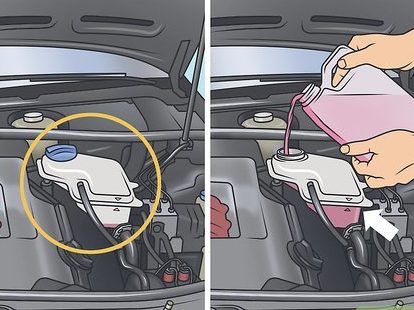
One of the first steps in addressing engine overheating is to inspect the coolant levels. Ensure that the coolant reservoir is filled to the appropriate level. If the coolant is low, top it off with a mixture of water and antifreeze suitable for your golf cart model.
- Use distilled water to prevent mineral buildup.
- Mix 50/50 antifreeze and water for optimal cooling performance.
Inspect the Radiator
A clogged or damaged radiator can significantly impede cooling efficiency. Inspect the radiator for any debris or blockages that may restrict airflow. Cleaning the radiator fins with compressed air or a soft brush can help restore its functionality.
Signs of a Faulty Radiator
- Visible corrosion or leaks.
- Overheating persists despite adequate coolant levels.
Examine the Thermostat
The thermostat regulates the flow of coolant through the engine. If it is stuck closed, it can cause overheating. Check the thermostat for proper operation. Replacing a faulty thermostat can resolve overheating issues.
Check the Fuel System
Insufficient fuel flow can lead to overheating. Ensure that the fuel lines are clear and that the fuel filter is not clogged. A clean fuel system allows for optimal engine performance, reducing the chances of overheating.
Fuel System Maintenance Tips
- Replace the fuel filter every 200 hours of use.
- Use high-quality fuel to minimize deposits.
Inspect the Air Filter
A dirty air filter restricts airflow to the engine, leading to overheating. Regularly check and clean or replace the air filter to ensure optimal air intake.
Monitor Engine Load
Excessive weight or towing beyond the golf cart's capacity can cause the engine to overheat. Be mindful of the load you are carrying and adjust accordingly to avoid stressing the engine.
By addressing these common issues, you can effectively manage overheating in your golf cart engine and ensure a smoother ride. Regular maintenance and prompt attention to these quick fixes will contribute to a longer lifespan for your vehicle.
Long-Term Solutions to Prevent Golf Cart Engine Overheating
To ensure your golf cart runs smoothly and efficiently, addressing engine overheating is crucial. Implementing long-term solutions can significantly reduce the chances of this issue recurring. Here are some effective strategies to consider:
Regular Maintenance Schedule
Establishing a routine maintenance schedule is vital for the longevity of your golf cart. Key maintenance tasks include:
- Oil Changes: Regularly change the oil as per the manufacturer’s guidelines to keep the engine lubricated and functioning efficiently.
- Air Filter Replacement: Replace the air filter every 100 hours of operation to ensure proper airflow to the engine.
- Cooling System Check: Regularly inspect the cooling system for leaks and ensure that the coolant levels are adequate.
Upgrade Cooling Components
Consider enhancing your golf cart's cooling system to manage engine temperature effectively:
- High-Performance Radiators: Installing a high-performance radiator can improve heat dissipation, helping to keep the engine cool during extended use.
- Cooling Fans: Adding an electric cooling fan can increase airflow around the engine, particularly in hot climates.
Monitor Operating Conditions
Being mindful of the operating conditions can also help prevent overheating:
- Avoid Overloading: Ensure that you do not exceed the weight capacity of your golf cart, as this can put extra strain on the engine.
- Limit Continuous Use: Take breaks during prolonged use to allow the engine to cool down, especially in high temperatures.
Use Quality Fuel
The type of fuel you use can impact engine performance:
- Premium Gasoline: Opt for high-octane fuel if your golf cart requires it, as it burns more efficiently and produces less heat.
- Additives: Consider using fuel additives designed to clean the engine and improve combustion, which can help in reducing overheating.

Inspect Electrical Systems
A well-functioning electrical system is essential for optimal engine performance:
- Battery Health: Regularly check the battery and replace it if it's showing signs of wear, as a failing battery can cause overheating issues.
- Wiring Inspection: Inspect wiring for any signs of damage or corrosion, which can lead to electrical faults and overheating.
Implementing these long-term strategies will not only help prevent golf cart engine overheating but also enhance the overall performance and lifespan of your vehicle. By prioritizing maintenance, upgrading cooling components, and monitoring usage, you can enjoy a smoother and cooler ride for years to come.
We would love to hear your thoughts and questions about Golf Cart Engine Overheating Techniques! Your insights and inquiries not only enrich our community but also help us all learn and grow together. Whether you have personal experiences to share or specific questions that need addressing, please don’t hesitate to leave a comment below. Your voice matters, and we’re eager to engage in this important conversation with you!
Leave a Reply