
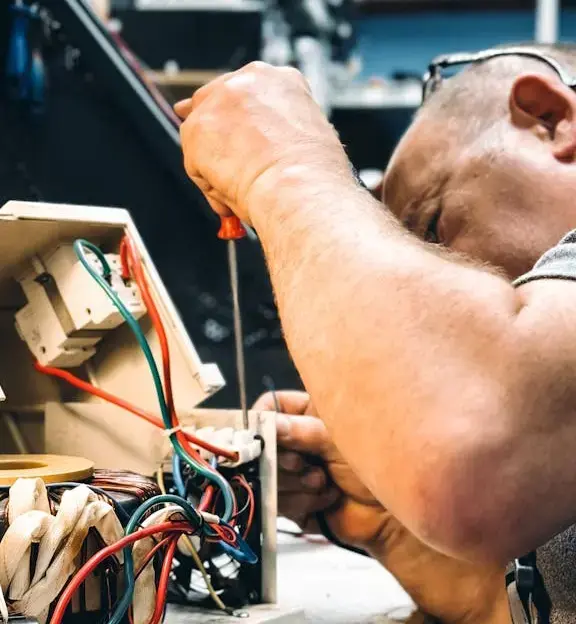
This article provides a comprehensive guide to golf cart engine diagnostics and effective repair strategies. Readers will discover essential golf cart engine troubleshooting techniques that can help identify common issues and implement efficient solutions. With a focus on practical tips and step-by-step processes, you'll gain valuable insights into maintaining optimal performance for your vehicle.
Common Symptoms of Golf Cart Engine Issues
Identifying the signs of engine problems in your golf cart is crucial for maintaining its performance and longevity. Below are some prevalent symptoms that may indicate engine-related issues.
1. Unusual Noises
If your golf cart begins to emit strange sounds such as knocking, grinding, or excessive rattling, this could signify serious engine trouble. These noises often point to mechanical failures or insufficient lubrication within the engine components.
2. Poor Acceleration
Experiencing sluggish acceleration can be a major red flag. If your golf cart hesitates or struggles to gain speed, it may indicate issues with the throttle, fuel delivery, or even the ignition system.
3. Engine Overheating
An overheating engine is a common concern that can lead to severe damage if not addressed promptly. Symptoms include steam rising from the engine compartment, an unusual smell, or the engine shutting down unexpectedly. Overheating can result from coolant leaks, a faulty radiator, or blocked air intake.
4. Decreased Fuel Efficiency
Noticing that your golf cart consumes more fuel than usual? This could be a symptom of engine inefficiency. Problems with the carburetor, fuel injectors, or air filters can contribute to increased fuel consumption.
5. Difficulty Starting
If your golf cart struggles to start or takes multiple attempts to ignite, it may be an indication of battery issues, starter motor problems, or a malfunctioning ignition switch.
Recognizing These Symptoms Early
Being proactive in recognizing these symptoms can save you from costly repairs down the line. If you notice any of these issues, consider consulting with a qualified technician who specializes in essential golf cart engine troubleshooting steps for efficient repairs.
Additional Tips
- Regular maintenance checks can help catch problems before they escalate.
- Keep an eye on the dashboard for warning lights, which can provide early warnings of engine issues.
- Ensure your golf cart is properly serviced according to the manufacturer's guidelines to maintain optimal performance.
By staying vigilant and addressing these common symptoms, you can ensure your golf cart remains in top condition for all your golfing adventures.
Essential Tools for Golf Cart Engine Troubleshooting
When tackling engine issues in your golf cart, having the right tools at your disposal is crucial for efficient repairs. This section outlines the must-have tools that facilitate effective troubleshooting, ensuring you can address problems swiftly and accurately.
1. Multimeter
A multimeter is an indispensable tool for diagnosing electrical issues in your golf cart's engine. It measures voltage, current, and resistance, allowing you to:
- Check the battery voltage to ensure it’s within the appropriate range.
- Test wiring connections for continuity.
- Diagnose faulty components by measuring resistance.
A reliable multimeter, such as the Klein Tools MM400, typically costs around $50 and offers a range of features suitable for automotive troubleshooting.
2. Compression Tester
A compression tester is essential for assessing the health of your engine. By measuring the compression in each cylinder, you can determine if there are issues such as:
- Worn piston rings.
- Leaking valves.
- Head gasket failures.
Models like the Lisle 20250 Compression Tester are available for approximately $30, making it a valuable investment for any golf cart owner.
3. Spark Plug Wrench
Spark plugs play a critical role in engine performance. A spark plug wrench allows you to easily remove and inspect spark plugs, which can reveal issues like:
- Excessive carbon buildup.
- Improper gap settings.
- Signs of wear or damage.
The Performance Tool W83110 spark plug socket, priced around $15, is a durable option that fits most golf cart spark plugs.
4. Socket and Wrench Set
A comprehensive socket and wrench set is vital for any mechanical work. This tool set enables you to:
- Tighten or loosen engine components.
- Access hard-to-reach areas.
- Replace parts effectively.
Consider investing in a quality set like the TEKTON 1/2 Inch Drive Socket Set, which retails for about $80 and includes a variety of sizes to accommodate various fasteners.
5. Fuel Pressure Gauge
For troubleshooting fuel delivery issues, a fuel pressure gauge is essential. It helps you determine if the fuel system is operating within specifications. This tool can help identify problems such as:
- Clogged fuel filters.
- Faulty fuel pumps.
- Pressure leaks in the fuel line.
The OTC 5600 Fuel Pressure Test Kit, available for around $50, is an excellent choice for accurate readings.
6. Diagnostic Scanner
Investing in an OBD-II diagnostic scanner can save you time by providing error codes and live data from the engine’s computer. This tool allows you to:
- Quickly identify error codes related to engine performance.
- Monitor real-time data to diagnose issues effectively.
The BlueDriver Bluetooth Pro OBDII Scan Tool, typically priced at $100, offers a user-friendly experience and comprehensive diagnostics for your golf cart.
By equipping yourself with these essential tools for golf cart engine troubleshooting, you can tackle repairs confidently and ensure your cart runs smoothly. Each tool serves a specific purpose, making it easier to diagnose and resolve issues efficiently, enhancing the longevity and performance of your vehicle.
Step-by-Step Guide to Diagnosing Engine Problems
Diagnosing engine problems can be a daunting task, but with a structured approach, you can efficiently identify issues and make necessary repairs. This guide provides a clear pathway for troubleshooting engine troubles in golf carts, ensuring you can get back on the road quickly.
Step 1: Gather Your Tools
Before diving into diagnostics, make sure you have the following tools on hand:
- Multimeter - for checking electrical connections and battery voltage
- Compression gauge - to assess engine compression
- Basic hand tools - wrenches, screwdrivers, and pliers for disassembly
- OBD-II scanner - if applicable, for reading engine codes
Step 2: Visual Inspection
Start with a thorough visual inspection of the engine and surrounding components. Look for:
- Fluid leaks - oil, coolant, or fuel
- Worn belts and hoses - check for cracks or fraying
- Corroded connections - particularly in the electrical system
Step 3: Check the Battery and Electrical System
A weak battery can mimic engine problems. Follow these steps:
- Test the battery voltage using a multimeter; it should read around 12.6 volts when fully charged.
- Inspect battery terminals for corrosion and clean them if necessary.
- Ensure all connections are secure, especially ground wires.
Step 4: Assess Fuel Supply
The engine requires a proper fuel supply for optimal performance. To check:
- Inspect the fuel lines for blockages or leaks.
- Check the fuel filter for clogs; replace it if necessary.
- Ensure the fuel pump is operational; listen for it to engage when the ignition is turned on.
Step 5: Evaluate Engine Performance
If the engine cranks but doesn’t start, consider the following:
- Use a compression gauge to measure cylinder compression; readings should typically be between 90-120 psi.
- Check spark plugs for wear or fouling. Replace them if they appear damaged.
- Inspect ignition coils and wiring for any signs of failure.
Step 6: Utilize Diagnostic Tools
If the problem persists, using an OBD-II scanner can be beneficial. Follow these steps:
- Connect the scanner to the vehicle’s diagnostic port.
- Read any stored trouble codes and refer to the vehicle’s manual for interpretation.
- Address the issues indicated by the codes, which may include sensor failures or misfires.
Step 7: Test Drive and Monitor
After making repairs, take the golf cart for a test drive. Pay attention to:
- Unusual noises or vibrations
- Changes in acceleration or power
- Dashboard warning lights
With these essential golf cart engine troubleshooting steps, you can effectively diagnose and resolve engine problems, ensuring your vehicle runs smoothly. Remember, regular maintenance and timely diagnostics can prevent larger issues down the line.
Preventive Maintenance Tips for Golf Cart Engines
Maintaining your golf cart engine is crucial for ensuring longevity and optimal performance. By implementing a few preventive maintenance tips, you can avoid unexpected breakdowns and costly repairs. Here are some essential strategies to keep your golf cart engine running smoothly.
Regular Oil Changes
Changing the oil in your golf cart engine is vital for maintaining engine health. Over time, oil can become contaminated and lose its effectiveness.
- Check oil levels monthly and change the oil every 100 hours of operation or at least once a year.
- Use high-quality oil that meets the manufacturer's specifications, typically a 10W-30 grade for most golf carts.
Inspect and Replace Air Filters
A clean air filter is essential for optimal engine performance. Clogged air filters can restrict airflow, leading to decreased power and efficiency.
- Inspect the air filter every 500 miles or every season, whichever comes first.
- Replace paper filters as needed, or clean reusable filters according to the manufacturer's instructions.
Battery Maintenance
A well-maintained battery is key to your golf cart's reliability. Regular checks can prevent unexpected failures.
- Inspect battery terminals for corrosion and clean them if necessary.
- Ensure the battery is charged regularly, especially during off-seasons, to prolong its lifespan.
Fuel System Care
Maintaining the fuel system is essential for efficient engine operation.
- Use fresh fuel and avoid leaving fuel in the tank for extended periods, as old fuel can lead to engine problems.
- Consider using a fuel stabilizer to maintain fuel quality if your golf cart is not used frequently.
Regular Inspections and Tune-Ups
Routine inspections and tune-ups can help identify potential issues before they escalate into serious problems.
- Schedule a professional tune-up at least once a year, focusing on spark plugs, belts, and hoses.
- Perform visual inspections regularly to check for any signs of wear or leaks in the engine compartment.
By following these preventive maintenance tips, you can significantly enhance the reliability of your golf cart engine, ensuring it remains in excellent working condition for many rounds on the course. Prioritizing these practices not only saves you money on repairs but also enhances your overall golfing experience.
When to Seek Professional Help for Golf Cart Engine Repairs
Knowing when to consult a professional for golf cart engine repairs can save you time, money, and frustration. While some issues can be handled with basic troubleshooting, others require expert intervention. Here are key indicators that it's time to call in the professionals.
Signs Your Golf Cart Needs Expert Attention
Recognizing the following symptoms can help you determine when to seek professional help:
- Persistent Engine Noises: Unusual sounds such as knocking, grinding, or backfiring often indicate deeper mechanical issues that need professional evaluation.
- Inconsistent Performance: If your golf cart struggles to maintain speed or suddenly loses power, it may be a sign of engine problems that require a technician's expertise.
- Overheating: An engine that frequently overheats could be suffering from cooling system failures, which should be addressed by a qualified mechanic.
- Frequent Stalling: If your cart stalls often, especially after starting, it may indicate fuel system or ignition problems that need specialized tools and knowledge to diagnose.
Complex Repairs Beyond DIY Skills
Certain repairs should be left to professionals due to their complexity. These include:
- Engine Rebuilding: If your engine is worn out or damaged, rebuilding or replacing it requires specialized skills and equipment.
- Electrical System Repairs: Golf carts often have intricate electrical systems that can be challenging to troubleshoot without the proper experience.
- Fuel System Issues: Problems with the carburetor or fuel injection systems can lead to poor performance and should be handled by a qualified technician.

Benefits of Professional Golf Cart Repairs
Engaging a professional for your golf cart engine repairs offers several advantages:
- Expert Diagnosis: Professionals have the experience and tools to accurately diagnose issues that may not be evident to the average owner.
- Time Efficiency: Experienced mechanics can often complete repairs faster, allowing you to get back on the course without long delays.
- Quality Assurance: Professional repairs typically come with warranties, providing peace of mind that the work is done right.
When you encounter significant engine troubles or the signs mentioned above, it’s prudent to consult with a qualified technician. Their expertise in essential golf cart engine troubleshooting steps ensures that your cart remains reliable and performs optimally.
We truly value your insights and experiences, and we believe that your voice can enrich our community. If you have any opinions, questions, or personal tips regarding Golf Cart Engine Troubleshooting Steps, we warmly invite you to share them in the comments below. Your contributions can help others navigate their challenges and foster a collaborative spirit among fellow enthusiasts. We look forward to hearing from you!
Leave a Reply