
This article provides essential tips and techniques for effective maintenance of your vehicle's golf cart exhaust system. Readers will discover practical advice on diagnosing common issues, step-by-step repair processes, and preventative measures to ensure optimal performance. Whether you're looking to enhance your golf cart exhaust manifold upkeep or seeking insights into routine care, this guide covers everything you need for successful golf cart exhaust manifold maintenance.
- Understanding the Importance of Golf Cart Exhaust Manifold Repair
- Common Signs Your Golf Cart Needs Exhaust Manifold Repair
- Step-by-Step Guide to Golf Cart Exhaust Manifold Repair
- Tools and Materials Required for Effective Exhaust Manifold Repair
- Preventative Maintenance Tips for Golf Cart Exhaust Manifold Longevity
Understanding the Importance of Golf Cart Exhaust Manifold Repair
Maintaining the performance of your golf cart is crucial for a smooth and enjoyable ride, and one of the key components that often requires attention is the exhaust manifold. Golf cart exhaust manifold repair is not just a maintenance task; it plays a vital role in ensuring your cart operates efficiently and safely.
Why the Exhaust Manifold Matters
The exhaust manifold is responsible for directing exhaust gases away from the engine. A malfunctioning manifold can lead to several issues, including:
- Increased Emissions: A damaged manifold can cause unburned fuel to escape, increasing harmful emissions and potentially leading to environmental concerns.
- Reduced Performance: If the exhaust gases do not exit properly, your golf cart may experience decreased power and acceleration.
- Engine Damage: Prolonged neglect of a faulty manifold can lead to serious engine issues, ultimately resulting in costly repairs.
Signs You Need to Address Exhaust Manifold Issues
Being proactive about golf cart exhaust manifold repair means recognizing the signs that indicate a problem. Look out for:
- Unusual Noises: Loud popping or hissing sounds may suggest a leak in the manifold.
- Decreased Fuel Efficiency: If you notice a sudden drop in fuel economy, it could be linked to manifold issues.
- Exhaust Fumes: A strong smell of exhaust inside the cart is a clear sign that something is wrong.
The Repair Process
When it comes to repairing the exhaust manifold, the process typically involves:
1. Inspection: A thorough examination of the manifold for cracks or leaks.
2. Cleaning: Removing carbon buildup and debris to ensure optimal function.
3. Replacement: If the damage is extensive, replacing the manifold may be necessary.
Benefits of Timely Repair
Investing time and resources into timely golf cart exhaust manifold repair can yield numerous benefits:
- Enhanced Performance: A properly functioning manifold boosts your cart’s overall performance.
- Cost Savings: Addressing issues early can prevent more significant repairs down the line, saving you money.
- Improved Safety: Keeping your exhaust system in check ensures a safer ride for you and your passengers.
Maintaining your golf cart’s exhaust manifold is essential for optimal performance and safety. By staying vigilant and addressing any issues promptly, you can enjoy a reliable and efficient golfing experience.
Common Signs Your Golf Cart Needs Exhaust Manifold Repair
Recognizing the signs that your golf cart requires exhaust manifold repair is crucial for maintaining optimal performance and ensuring a safe driving experience. Here are some common indicators to look out for:
1. Unusual Noises
If you notice loud or irregular sounds coming from the engine compartment, it may indicate an issue with the exhaust manifold. Common noises include:
- Hissing or popping: This could suggest a leak in the manifold.
- Rattling: Loose components or internal damage may be the cause.
2. Decreased Engine Performance
A failing exhaust manifold can lead to reduced power and acceleration. If your golf cart struggles to climb hills or maintain speed, consider checking the manifold. Symptoms may include:
- Sluggish acceleration: The cart may take longer to respond to throttle input.
- Frequent stalling: An erratic engine can lead to unexpected stops.
3. Increased Fuel Consumption
An inefficient exhaust system can cause your golf cart to consume more fuel than usual. If you find yourself refueling more often without significant changes in usage, the exhaust manifold might be to blame. Watch for:
- Decreased mileage: Track your fuel usage over time.
- Fuel smell: A strong odor can indicate improper combustion.
4. Engine Warning Light
Modern golf carts equipped with electronic monitoring systems may trigger a warning light on the dashboard if there's a problem with the exhaust system. If this light illuminates, it’s essential to:
- Check for error codes: Use a diagnostic tool to identify specific issues.
- Consult a professional: Seek assistance from a qualified technician.
5. Visible Damage
Inspect the exhaust manifold visually for any cracks, rust, or corrosion. These physical signs can significantly affect the functionality of your golf cart. Pay attention to:
- Cracks: Even small fractures can lead to significant leaks.
- Discoloration: Excessive heat may cause the metal to change color.
Maintaining your golf cart's exhaust manifold is essential for performance and longevity. If you notice any of these signs, consider scheduling a professional inspection to ensure your golf cart operates smoothly and efficiently. Regular checks can help you avoid costly repairs and enhance your overall driving experience.
Step-by-Step Guide to Golf Cart Exhaust Manifold Repair
Repairing the exhaust manifold of your golf cart can enhance performance and extend the life of the vehicle. This guide provides a comprehensive approach to ensure a successful repair process.
Tools and Materials Needed
Before starting the repair, gather the following tools and materials:
- Socket set (including deep sockets)
- Torque wrench
- Gasket scraper or razor blade
- Replacement gasket specific to your golf cart model
- Exhaust manifold (if replacement is necessary)
- High-temperature sealant
- Safety glasses and gloves
Step 1: Safety First
Ensure the golf cart is on a flat surface and turned off. Disconnect the battery to prevent any electrical issues during the repair. Always wear safety glasses and gloves for protection.
Step 2: Remove the Old Exhaust Manifold
1. Locate the manifold: Identify the exhaust manifold on your golf cart, usually situated near the engine.
2. Disconnect the exhaust pipes: Use the socket set to unbolt the pipes connected to the manifold.
3. Remove bolts: Carefully unscrew the bolts securing the manifold to the engine block. Keep these bolts for reinstallation if they are in good condition.
4. Extract the manifold: Gently pull the manifold away from the engine, being cautious not to damage any surrounding components.
Step 3: Inspect and Clean
1. Check for damage: Examine the old manifold for cracks or warping. If it shows significant damage, consider replacing it with a new one.
2. Clean the surface: Use the gasket scraper to remove any old gasket material from the engine block and the manifold. Ensure the surface is smooth and free of debris.
Step 4: Install the New Gasket
1. Position the new gasket: Align the replacement gasket with the bolt holes on the engine block.
2. Apply sealant: If using high-temperature sealant, apply a thin layer to both sides of the gasket for an airtight seal.
Step 5: Reinstall the Exhaust Manifold
1. Align the manifold: Carefully place the exhaust manifold over the new gasket.
2. Bolt it down: Hand-tighten the bolts first, then use a torque wrench to secure them to the manufacturer’s specifications, ensuring even pressure across the manifold.
Step 6: Reconnect Exhaust Pipes
Reattach the exhaust pipes to the manifold, tightening the bolts securely. Ensure there are no leaks by checking the connections visually.
Step 7: Reconnect the Battery and Test
Reconnect the battery and start the golf cart. Listen for any unusual noises that might indicate a leak or improper installation. Allow the cart to idle for a few minutes and check for exhaust leaks around the manifold.
Following this step-by-step guide to golf cart exhaust manifold repair can help maintain your vehicle's efficiency and reliability. Regular checks and timely repairs will ensure a smooth ride every time.
Tools and Materials Required for Effective Exhaust Manifold Repair
Repairing the exhaust manifold of a golf cart is a critical task that ensures optimal performance and longevity of the vehicle. Having the right tools and materials on hand can make this process smoother and more efficient. Below, we outline essential items needed for effective exhaust manifold repair.
Essential Tools
To successfully complete an exhaust manifold repair, consider gathering the following tools:
- Socket Set: A comprehensive socket set, including metric and standard sizes, is crucial for loosening and tightening manifold bolts.
- Torque Wrench: This tool is essential for applying the correct torque to bolts, preventing damage to the manifold or engine.
- Gasket Scraper: A gasket scraper will help remove old gasket material from the manifold surface, ensuring a proper seal with the new gasket.
- Pliers: Needle-nose pliers can be helpful for reaching tight spaces and manipulating small components during the repair.
- Ratchet and Extension: A ratchet with an extension allows for better access to hard-to-reach bolts.
Required Materials
In addition to tools, the following materials are necessary for a successful exhaust manifold repair:
- Replacement Gasket: An OEM or high-quality aftermarket gasket designed for your specific golf cart model ensures a tight seal and reduces exhaust leaks.
- High-Temperature Silicone Sealant: This sealant is useful for additional sealing around the gasket, particularly in high-heat areas.
- Anti-Seize Compound: Applying anti-seize to the threads of bolts can prevent them from seizing and make future repairs easier.
- Cleaning Solvent: A solvent designed for automotive use is vital for cleaning the manifold and surrounding areas before installation.
Safety Gear
Safety should always be a priority during any repair. Ensure you have the following safety gear:
- Safety Glasses: Protect your eyes from debris and chemicals.
- Gloves: Durable gloves will protect your hands from sharp edges and chemical exposure.
- Face Mask: A mask can shield you from inhaling harmful fumes or dust particles during the repair process.
By gathering these tools and materials, you’ll be well-equipped to tackle your golf cart exhaust manifold repair effectively, ensuring the vehicle operates smoothly and efficiently.
Preventative Maintenance Tips for Golf Cart Exhaust Manifold Longevity
Maintaining the exhaust manifold of your golf cart is crucial for ensuring optimal performance and extending its lifespan. Here are some effective preventative maintenance tips to keep your golf cart’s exhaust manifold in top shape.
Regular Inspections
Conduct regular inspections of the exhaust manifold for any signs of wear or damage. Look for:
- Cracks: Small fissures can lead to exhaust leaks.
- Corrosion: Rust can weaken the structure and affect functionality.
- Loose Bolts: Ensure all mounting hardware is tight and secure.
Cleaning Practices
Keeping the exhaust manifold clean is essential for maintaining its efficiency. Follow these cleaning tips:
- Use a Soft Brush: Gently scrub the manifold to remove dirt and debris.
- Non-Corrosive Cleaners: Opt for cleaners that do not contain harsh chemicals to avoid damaging the manifold.
- Inspect Gaskets: Clean and replace gaskets as needed to prevent leaks.
Temperature Management
Overheating can severely damage the exhaust manifold. To manage temperatures effectively:
- Monitor Engine Temperature: Use a temperature gauge to ensure the engine is not overheating.
- Check Cooling Systems: Regularly inspect the radiator and cooling fans for optimal performance.
- Use Quality Fuel: Higher octane fuels can help reduce engine knocking and overheating.
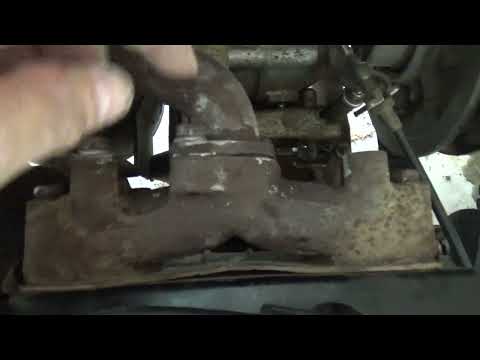
Routine Maintenance Schedule
Establish a routine maintenance schedule that includes:
- Regular Oil Changes: Change the oil every 50 hours of operation to keep the engine running smoothly.
- Inspect Exhaust Components: Regularly check the entire exhaust system for blockages or leaks.
- Professional Servicing: Schedule professional inspections annually for thorough checks of the exhaust manifold and surrounding systems.
Implementing these preventative maintenance tips will not only enhance the longevity of your golf cart exhaust manifold but also improve overall performance. Taking a proactive approach ensures that you can enjoy your golf cart without unexpected repairs or issues.
We would love to hear your thoughts and questions about Golf Cart Exhaust Manifold Repair! Your insights and inquiries not only enrich our community but also help us all learn and grow together. Whether you have personal experiences to share or specific queries, please feel free to drop a comment below. Your voice matters, and we look forward to engaging with you!
Leave a Reply