

In this article, readers will discover effective strategies for golf vehicle engine temperature control and essential advice on cart motor heat management. We’ll explore common causes of overheating, practical maintenance tips, and proactive measures to ensure your vehicle operates smoothly. With these insights, you can enhance your understanding of golf cart motor overheating mitigation and keep your ride in optimal condition.
Understanding the Causes of Golf Cart Motor Overheating
Golf cart motor overheating can be a frustrating issue that affects performance and longevity. Recognizing the various causes is essential for proper maintenance and to prevent costly repairs.
Common Factors Leading to Overheating
Several factors can contribute to a golf cart motor overheating. Here are some of the most prevalent:
- Insufficient Cooling: Golf carts rely on proper airflow for cooling. If the cooling vents are blocked by dirt or debris, this can lead to overheating.
- Electrical Issues: Problems such as short circuits or faulty wiring can cause the motor to work harder, generating excess heat.
- Overloading: Exceeding the weight limit of the golf cart can strain the motor, leading to overheating during operation.
- Battery Malfunctions: Weak or failing batteries can cause the motor to draw more power than necessary, resulting in increased heat production.
Environmental Influences
External conditions also play a significant role in the overheating of golf cart motors:
- High Temperatures: Operating a golf cart in extreme heat can cause the motor to overheat more quickly, especially if it’s not adequately ventilated.
- Terrain: Driving on steep hills or rough terrain demands more from the motor, increasing the risk of overheating.
Maintenance Oversights
Neglecting regular maintenance can lead to overheating issues. Key maintenance practices include:
- Regular Inspections: Periodically check for wear and tear on the motor and electrical components.
- Fluid Levels: Ensure that the cooling system has the appropriate fluid levels to aid in temperature regulation.
- Proper Cleaning: Keep the motor and surrounding areas clean to promote adequate airflow and prevent debris accumulation.
Understanding Motor Load and Performance
It's important to understand how motor load impacts overheating.
- Acceleration Patterns: Rapid acceleration can lead to increased heat generation. Smooth driving can mitigate this issue.
- Usage Duration: Extended use without breaks can cause the motor to overheat. Allowing the motor to rest can help maintain optimal operating temperatures.
Addressing these causes is vital for maintaining the performance and lifespan of your golf cart. By understanding the factors that lead to motor overheating, you can take proactive measures to ensure your golf cart remains in excellent working condition. Regular maintenance, awareness of environmental conditions, and mindful operation are essential tips for preventing overheating issues.
Essential Maintenance Tips for Preventing Motor Overheating
Maintaining optimal motor performance is crucial to prevent overheating, which can lead to costly repairs and diminished functionality. Below are some effective strategies to ensure your motor remains cool and efficient.
Regular Inspection of Cooling Systems
Conduct frequent checks on your motor’s cooling system, as a well-functioning cooling system is vital for heat dissipation. Pay attention to the following components:
- Radiator: Ensure it is free from debris and functioning properly.
- Cooling Fans: Test the fans to confirm they activate at the appropriate temperatures.
- Thermostat: Replace it if it is not opening or closing as needed.
Monitor Fluid Levels
Maintaining proper fluid levels is essential for efficient cooling. Regularly check the following:
- Coolant: Ensure the coolant is filled to the recommended level and replace it according to the manufacturer’s schedule.
- Oil: Regular oil changes help reduce friction and heat buildup. Keep oil at optimal levels to support engine health.
Utilize Quality Components
Investing in high-quality parts can significantly impact the longevity and efficiency of your motor. Consider using:
- High-Performance Radiators: Designed to enhance cooling efficiency.
- Premium Coolants: Formulated to withstand higher temperatures without breaking down.
Keep the Motor Clean
Dirt and debris can impede airflow and cooling efficiency. Regular cleaning is essential:
- Exterior Cleaning: Use a soft brush and compressed air to remove dirt from the motor casing.
- Internal Cleaning: Periodically have a professional clean the internal components to ensure they operate optimally.
Avoid Overloading the Motor
Excessive strain can cause overheating. Be mindful of the motor's load capacity:
- Know the Limits: Familiarize yourself with the manufacturer's specifications for maximum load.
- Gradual Acceleration: Avoid sudden accelerations that can put unnecessary stress on the motor.
Schedule Professional Maintenance
Routine professional inspections can identify potential overheating issues before they escalate. Aim for:
- Annual Check-ups: Have a technician inspect and service your motor at least once a year.
- Diagnostic Tests: Regularly run diagnostic tests to catch any early signs of overheating.
By implementing these maintenance tips, you can effectively reduce the risk of motor overheating, ensuring a longer lifespan and optimal performance for your equipment.
Upgrading Components to Enhance Cooling Efficiency
Upgrading components in your golf cart is an effective way to improve cooling efficiency, thereby preventing overheating issues and enhancing overall performance. Here are several key components that can be upgraded to ensure your golf cart runs cooler and more efficiently.
1. High-Performance Electric Motors
Investing in a high-performance electric motor can significantly reduce heat generation. These motors are designed to operate at lower temperatures while providing increased torque and speed. For example, the Adger 48V Electric Motor offers a robust design with advanced cooling features, priced around $499. This upgrade can lead to a noticeable reduction in overheating during extended use.
2. Upgraded Battery Systems
Replacing standard batteries with lithium-ion options can also enhance cooling efficiency. Lithium-ion batteries produce less heat compared to traditional lead-acid batteries. The Battle Born 100Ah Lithium Battery, retailing at approximately $999, not only helps maintain cooler temperatures but also extends the lifespan of your golf cart’s electrical system.
3. Enhanced Cooling Fans
Installing upgraded cooling fans can improve air circulation within the motor compartment. Look for fans that offer higher airflow rates and quieter operation. The Derale Performance 16759 Electric Fan, available for around $129, features a slim profile and adjustable speed settings, making it ideal for maintaining optimal temperatures.
Benefits of Upgrading Cooling Components
Upgrading your golf cart's cooling components not only prevents overheating but also enhances performance and efficiency. Here are some key benefits:
- Improved Performance: Enhanced cooling allows for better motor performance and responsiveness.
- Increased Longevity: Lower operating temperatures can extend the life of your motor and battery.
- Energy Efficiency: Upgraded components can lead to reduced energy consumption, saving you money in the long run.
4. Cooling System Additions
Consider integrating additional cooling systems, such as heat exchangers or liquid cooling systems. These systems can provide a more efficient way to manage heat, especially during intense use. The Mishimoto Universal Coolant Expansion Tank, priced around $89, can be an effective addition to your cooling strategy.
By focusing on these upgrades, you can significantly enhance your golf cart's cooling efficiency, ultimately leading to a more enjoyable and reliable ride.
Signs Your Golf Cart Motor is Overheating and How to Respond
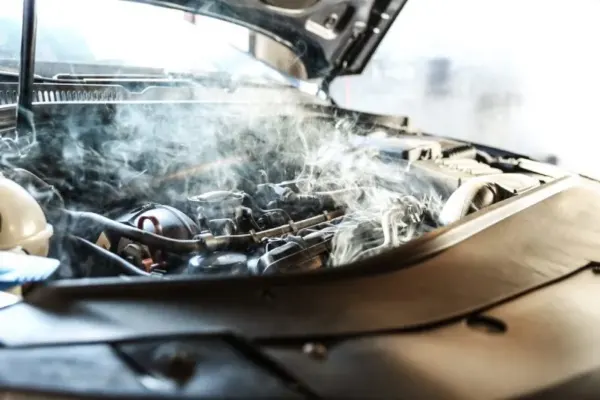
Recognizing the signs of an overheating golf cart motor is essential for maintaining optimal performance and ensuring the longevity of your vehicle. Being proactive can prevent costly repairs and enhance your overall golfing experience. Here are some key indicators to watch for and appropriate responses to each.
Common Indicators of Overheating
- Unusual Noises: If your golf cart motor starts making grinding or knocking sounds, it may indicate overheating.
- Increased Temperature: A sudden spike in temperature, often indicated by a dashboard gauge or a thermal sensor, is a critical sign.
- Reduced Performance: Noticeable lag in acceleration or a decrease in top speed can signal that the motor is under stress.
- Burning Smell: A burnt rubber or plastic smell can suggest that components are overheating, potentially leading to failure.
- Visible Smoke: If you see smoke coming from the motor area, immediate action is necessary to prevent further damage.
Immediate Responses to Overheating
If you suspect your golf cart motor is overheating, follow these steps:
1. Turn Off the Motor
Immediately switch off the motor to prevent further damage. This action allows the motor to cool down and reduces the risk of a complete failure.
2. Inspect the Motor
Once the motor has cooled, carefully inspect it for any visible signs of damage, such as melted wires or burnt components.
3. Check Fluid Levels
Ensure that the cooling fluid levels are adequate. Low fluid levels can contribute to overheating. If necessary, top off with the appropriate coolant.
4. Allow for Cooling Time
Give the motor ample time to cool down before attempting to restart. This can take anywhere from 30 minutes to an hour, depending on the severity of the overheating.
5. Consult a Professional
If problems persist after cooling down and inspecting, it's advisable to consult a qualified technician. They can perform a thorough diagnosis and recommend necessary repairs.
Preventive Measures for Overheating
To avoid future overheating issues, consider implementing these essential tips for golf cart motor overheating prevention:
- Regular Maintenance: Schedule routine check-ups to ensure all components are functioning correctly.
- Monitor Usage: Avoid overloading your golf cart and adhere to weight limits to reduce strain on the motor.
- Check Tire Pressure: Properly inflated tires can reduce resistance and prevent excessive heat buildup.
- Keep Vents Clear: Ensure that the motor's cooling vents are unobstructed to promote adequate airflow.
By staying vigilant and addressing any signs of overheating promptly, you can extend the life of your golf cart motor and enjoy your time on the course without interruptions.
Best Practices for Operating Your Golf Cart in Hot Conditions
Operating your golf cart in hot weather can pose unique challenges, particularly concerning the motor's performance and overall safety. Here are some essential strategies to help ensure your golf cart operates smoothly even during the hottest days.
1. Monitor Tire Pressure
High temperatures can cause tire pressure to increase, leading to potential blowouts. Check the tire pressure regularly, as hot weather can cause the air inside tires to expand.
- Use a reliable tire pressure gauge.
- Maintain pressure according to the manufacturer’s recommendations.
- Inspect tires for wear or damage before hitting the course.
2. Limit Operating Time
Prolonged use of your golf cart in high heat can lead to overheating. To mitigate this risk:
- Plan shorter rounds or breaks between long drives.
- Use shaded areas whenever possible to park and cool down.
3. Use Cooling Accessories
Consider investing in accessories designed to keep your golf cart cooler:
- Canopy covers can provide shade, reducing the internal temperature.
- Portable fans can be installed for additional airflow.
4. Check Fluid Levels Regularly
Hot weather can affect fluid levels, particularly coolant and battery fluid. Regular checks can prevent overheating and ensure optimal performance.
- Inspect the coolant reservoir to ensure it's filled to the recommended level.
- Check battery fluid levels, particularly in lead-acid batteries.
5. Maintain a Clean Engine
A clean engine runs more efficiently and is less likely to overheat. Regular maintenance can make a significant difference.
- Remove dirt and debris from the engine compartment.
- Ensure that the cooling fins are free from obstructions.

6. Stay Hydrated
While this is essential for your health, it also plays a role in your ability to operate your golf cart safely. Dehydration can impair your judgment and reaction times.
- Keep a water bottle in your cart.
- Take regular breaks to hydrate, especially during prolonged use.
By implementing these best practices, you can enhance the longevity of your golf cart while ensuring a safe and enjoyable ride in hot conditions.
We truly value your insights and experiences, and we invite you to share your thoughts or questions about Golf Cart Motor Overheating Prevention in the comments below. Your perspectives not only enrich our community but also help others navigate similar challenges. Whether you have tips, personal stories, or inquiries, we’re eager to hear from you and foster a collaborative discussion. Thank you for being a part of this journey with us!
Leave a Reply