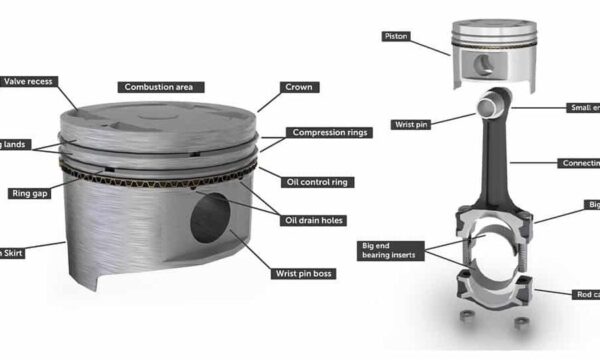
This article offers a comprehensive overview of golf cart piston ring replacement, detailing the steps necessary for effective maintenance and optimal performance of your vehicle. Readers will discover essential tools, tips for identifying wear, and instructions for a seamless golf cart piston ring swap, ensuring your cart runs smoothly. Additionally, it covers common mistakes to avoid during the replacement of piston rings in golf carts and provides insights into enhancing longevity and efficiency.
- Understanding the Importance of Golf Cart Piston Ring Replacement
- Signs Your Golf Cart Needs Piston Ring Replacement
-
Step-by-Step Guide to Golf Cart Piston Ring Replacement
- Tools and Materials Needed
- Step 1: Prepare Your Golf Cart
- Step 2: Remove the Engine Cover
- Step 3: Take Out the Cylinder Head
- Step 4: Extract the Piston
- Step 5: Replace the Piston Rings
- Step 6: Reinstall the Piston
- Step 7: Reattach the Cylinder Head
- Step 8: Replace the Engine Cover
- Step 9: Reconnect the Battery
- Step 10: Test Your Golf Cart
- Choosing the Right Piston Rings for Your Golf Cart
- Common Mistakes to Avoid During Golf Cart Piston Ring Replacement
Understanding the Importance of Golf Cart Piston Ring Replacement
Replacing the piston rings in your golf cart is a critical maintenance task that directly influences the vehicle's performance and longevity. Piston rings play a vital role in sealing the combustion chamber, regulating oil consumption, and maintaining engine compression. Here’s why this replacement is essential for optimal functionality.
Key Functions of Piston Rings
- Sealing: They ensure that the combustion gases remain contained within the cylinder, preventing loss of power.
- Oil Control: Piston rings help manage oil flow to minimize consumption and keep the engine lubricated.
- Heat Transfer: They aid in dissipating heat from the piston to the cylinder wall, maintaining a stable operating temperature.
Signs That Piston Rings Need Replacement
It’s essential to recognize the signs indicating that your golf cart’s piston rings may need replacing:
- Increased Oil Consumption: If you notice frequent oil top-ups, it could be a sign of worn piston rings.
- Loss of Power: A decrease in acceleration and overall power can indicate that the rings are failing to seal properly.
- Excessive Smoke: Blue smoke from the exhaust often signifies that oil is leaking into the combustion chamber due to worn rings.
Benefits of Timely Replacement
Replacing the piston rings in a timely manner offers several advantages:
- Improved Engine Performance: Fresh piston rings restore engine compression, enhancing acceleration and responsiveness.
- Increased Fuel Efficiency: Proper sealing leads to better fuel economy, saving you money on gas.
- Extended Engine Life: Regular maintenance, including piston ring replacement, contributes to the overall health and longevity of your golf cart.
Choosing the Right Piston Rings
When selecting replacement piston rings, consider the following factors:
- Compatibility: Ensure that the rings are designed specifically for your golf cart model.
- Material: Look for high-quality materials, such as cast iron or chrome, which provide durability and wear resistance.
- Brand Reputation: Opt for reputable brands that offer warranties and have positive customer reviews.
Understanding the significance of golf cart piston ring replacement empowers owners to maintain their vehicles effectively, ensuring a smooth and enjoyable riding experience. Regular checks and timely replacements can save you from costly repairs down the road and keep your golf cart performing at its best.
Signs Your Golf Cart Needs Piston Ring Replacement
Recognizing when your golf cart requires piston ring replacement is crucial for maintaining its performance and longevity. Below are key indicators that suggest it's time to consider this important maintenance task.
1. Decreased Engine Performance
If you notice a significant drop in acceleration or overall power while driving your golf cart, this could indicate that the piston rings are worn out. An engine struggling to maintain power often points to insufficient compression, which is directly affected by the condition of the piston rings.
2. Increased Oil Consumption
A common sign that your golf cart may need piston ring replacement is excessive oil consumption. If you find yourself frequently topping off the oil, it might be due to the piston rings failing to seal properly, allowing oil to enter the combustion chamber.
Signs of Oil Leakage
- Blue Smoke from Exhaust: If you observe blue smoke coming from the exhaust, this is often a sign that oil is burning alongside fuel, indicating worn piston rings.
- Oil Spots Under the Cart: Check for oil spots where you park your golf cart. This leakage can be a symptom of piston ring failure.
3. Unusual Engine Noises
Listen for knocking or rattling sounds from the engine. These noises can be indicative of poor sealing in the combustion chamber, which is a direct result of worn piston rings. If the engine sounds rough or inconsistent, it's time to investigate further.
4. Poor Fuel Efficiency
If your golf cart's fuel efficiency has plummeted, this could be another sign of needing piston ring replacement. When the rings are damaged, the engine works harder to produce power, leading to increased fuel consumption.
5. Engine Misfires
Frequent engine misfires can also suggest that the piston rings are not sealing correctly. This leads to an irregular fuel-air mixture, causing the engine to misfire and operate inefficiently.
By paying attention to these signs, you can ensure your golf cart remains in optimal condition and avoids more significant issues down the line. Regular maintenance, including checking the piston rings, is essential for smooth performance and a longer lifespan for your vehicle.
Step-by-Step Guide to Golf Cart Piston Ring Replacement
Replacing the piston rings in your golf cart can significantly enhance its performance and longevity. This guide provides a detailed, easy-to-follow process to ensure your golf cart runs smoothly.
Tools and Materials Needed
Before you begin, gather the following tools and materials:
- Socket set (including deep sockets)
- Torque wrench
- Wrench set
- Piston ring compressor
- New piston rings (specific to your golf cart model)
- Engine oil
- Clean rags or towels
- Gasket scraper
Step 1: Prepare Your Golf Cart
- Park your golf cart on a flat, stable surface and engage the parking brake.
- Disconnect the battery to prevent any electrical mishaps during the replacement process.
Step 2: Remove the Engine Cover
- Using your socket set, carefully remove the bolts securing the engine cover.
- Set the cover aside in a safe place.
Step 3: Take Out the Cylinder Head
- Remove any components obstructing access to the cylinder head, such as the carburetor or air filter.
- Unscrew the cylinder head bolts using a torque wrench, and gently lift the head off the engine block.
Step 4: Extract the Piston
- Using the piston ring compressor, carefully remove the piston from the cylinder.
- Pay attention to the orientation of the piston and connecting rod for reinstallation.
Step 5: Replace the Piston Rings
- Remove the old piston rings from the piston. Be cautious to avoid scratching the piston surface.
- Clean the piston thoroughly using a clean rag.
- Install the new piston rings, ensuring they are seated correctly in their grooves.
Step 6: Reinstall the Piston
- Apply a thin layer of engine oil to the new piston rings for lubrication.
- Carefully reinsert the piston into the cylinder, ensuring it is aligned with the connecting rod.
Step 7: Reattach the Cylinder Head
- Place the cylinder head back onto the engine block.
- Tighten the cylinder head bolts in a crisscross pattern using the torque wrench to the manufacturer’s specifications.
Step 8: Replace the Engine Cover
- Reinstall any components that were removed earlier, such as the carburetor or air filter.
- Secure the engine cover back onto the golf cart with the bolts.
Step 9: Reconnect the Battery
- Reattach the battery terminals, ensuring a secure connection.
- Perform a visual inspection to confirm that all tools and parts are accounted for.
Step 10: Test Your Golf Cart
- Start the engine and allow it to run for a few minutes.
- Listen for any unusual noises and check for leaks around the cylinder head.
- Take the golf cart for a short test drive to assess its performance.
By following this step-by-step guide to golf cart piston ring replacement, you can ensure your vehicle operates at its best. Regular maintenance like this not only enhances performance but also extends the life of your golf cart.
Choosing the Right Piston Rings for Your Golf Cart
Selecting the appropriate piston rings for your golf cart is crucial for maintaining optimal engine performance and longevity. The right fit ensures proper sealing, reducing oil consumption and enhancing fuel efficiency. Here’s a detailed guide to help you make an informed decision.
Understanding Piston Ring Types
Piston rings come in various types, each designed for specific applications. Here are the main types you should consider:
- Compression Rings: These are essential for sealing the combustion chamber, preventing gas leaks and maintaining power.
- Oil Control Rings: Designed to regulate oil flow to the cylinder walls, they help minimize oil consumption and prevent carbon buildup.
- Wiper Rings: These rings assist in keeping the cylinder walls clean by scraping excess oil off the surface.
Key Considerations When Choosing Piston Rings
When selecting piston rings for your golf cart, consider the following factors:
Material
The material of the piston rings affects their durability and performance. Common materials include:
- Cast Iron: Known for its strength and wear resistance, making it a popular choice for many golf cart engines.
- Steel: Provides superior strength and thermal resistance, ideal for high-performance applications.
- Chrome-Plated: These rings offer reduced friction and improved wear resistance, enhancing engine efficiency.
Size and Fit
Ensuring the correct size and fit is vital for effective sealing. Always refer to your golf cart's manufacturer specifications for the right dimensions. A proper fit prevents blow-by and excessive oil consumption, promoting a longer engine life.
Brand and Quality
Opt for reputable brands known for quality and reliability. Some well-regarded brands include:
- Mahle: Offers a range of high-performance piston rings designed for various golf cart models.
- Federal-Mogul: Known for their durable and efficient piston rings suitable for everyday use.
- Sealed Power: Provides a variety of options tailored to meet specific engine requirements.
Installation Tips
Proper installation of piston rings is essential for achieving the best performance. Here are some tips:
- Ensure the cylinder walls are clean and free of debris before installation.
- Use a ring compressor to avoid damaging the rings during installation.
- Follow the manufacturer's torque specifications to ensure proper sealing.
Choosing the right piston rings is a fundamental aspect of golf cart maintenance that directly impacts performance and efficiency. By understanding the types, materials, and key considerations, you can make an informed choice that aligns with your specific needs.
Common Mistakes to Avoid During Golf Cart Piston Ring Replacement
Replacing the piston rings in your golf cart can enhance its performance and longevity. However, several common pitfalls can compromise the effectiveness of this maintenance task. Below are key mistakes to avoid, ensuring your golf cart operates smoothly after the replacement.
1. Neglecting to Clean the Engine Components
Before installing new piston rings, it's crucial to clean all engine components thoroughly. Dirt and debris can lead to poor sealing and premature wear.
- Use a suitable engine cleaner to remove oil deposits and grime.
- Inspect and clean the cylinder walls to prevent contamination.
2. Failing to Check Ring Gap
One of the most critical steps in the replacement process is ensuring the correct ring gap. If the gap is too small, it can lead to excessive pressure buildup, while a gap that's too large can cause a loss of compression.
- Measure the ring gap using a feeler gauge before installation.
- File the rings if necessary to achieve the recommended specifications.
3. Incorrect Torque Settings
Using the wrong torque settings on the piston bolts can result in either a loose fit or over-tightening, leading to damage.
- Consult your golf cart's manual for the correct torque specifications.
- Use a torque wrench to ensure accurate tightening.
4. Ignoring the Quality of Replacement Parts
Choosing low-quality piston rings can lead to premature failure and additional repairs.
- Invest in reputable brands known for durability, such as OEM or high-quality aftermarket options.
- Check for warranties that ensure product reliability.
5. Overlooking the Importance of Lubrication
Failing to properly lubricate the new piston rings before installation can lead to excessive wear during the break-in period.
- Apply a thin layer of oil to the rings before installation.
- Ensure the piston and cylinder walls are also lubricated to facilitate smooth operation.

6. Skipping the Break-in Process
After replacing the piston rings, it's vital to follow a proper break-in procedure. Skipping this step can result in poor performance and reduced lifespan of the rings.
- Vary the speed of your golf cart during the initial hours of operation.
- Avoid heavy loads until the rings have properly seated.
By avoiding these common mistakes during your golf cart piston ring replacement, you can ensure a smoother and more efficient performance. Proper preparation and attention to detail will lead to a successful replacement and extended life for your golf cart engine.
We’d love to hear your thoughts and questions about Golf Cart Piston Ring Replacement! Your insights and inquiries not only enrich our community but also help others who may be navigating similar challenges. Whether you have personal experiences to share or need clarification on a specific aspect, please don’t hesitate to leave a comment below. Together, we can create a supportive space for everyone passionate about golf carts!
Leave a Reply