

In this article, readers will discover a comprehensive overview of the golf cart steering fluid replacement process, ensuring optimal performance for their vehicles. Detailed steps and tips will guide you through the essential golf cart power steering fluid maintenance, highlighting the importance of regular checks and changes. By following this essential guide, you'll learn how to keep your golf cart steering system in top shape, enhancing both safety and driving experience.
- Understanding the Importance of Golf Cart Power Steering Fluid
- Step-by-Step Guide to Changing Golf Cart Power Steering Fluid
- Signs That Indicate a Need for Power Steering Fluid Change in Golf Carts
- Choosing the Right Power Steering Fluid for Your Golf Cart
- Common Mistakes to Avoid When Changing Golf Cart Power Steering Fluid
Understanding the Importance of Golf Cart Power Steering Fluid

Maintaining optimal performance in your golf cart involves more than just routine checks and maintenance; it also requires an understanding of essential components such as power steering fluid. This fluid plays a crucial role in ensuring smooth steering and overall maneuverability of your golf cart.
What is Power Steering Fluid?
Power steering fluid is a specialized hydraulic fluid that assists in the steering mechanism of your golf cart. It reduces the amount of effort needed to turn the steering wheel, making it easier to navigate tight turns and uneven terrain.
Key Functions of Power Steering Fluid
- Hydraulic Assistance: The fluid helps amplify the force applied to the steering wheel, providing a responsive steering experience.
- Lubrication: It lubricates the internal components of the power steering system, minimizing wear and tear.
- Temperature Regulation: The fluid helps dissipate heat generated during operation, preventing overheating and potential damage.
Why Regular Fluid Maintenance is Essential
Just like oil in an engine, power steering fluid requires regular monitoring and replacement to ensure optimal performance. Neglecting this can lead to various issues:
- Decreased Steering Performance: Old or contaminated fluid can cause stiffness in the steering wheel, making it harder to control the cart.
- Increased Wear on Components: Without proper lubrication, parts of the steering system can wear out more quickly, leading to costly repairs.
- Potential System Failure: Low or dirty fluid can lead to complete power steering failure, rendering the cart difficult or impossible to steer.
How to Check and Change Power Steering Fluid
Checking and changing the power steering fluid is a straightforward process:
1. Locate the Reservoir: Find the power steering fluid reservoir, usually marked with a steering wheel symbol.
2. Check Fluid Level: Use the dipstick or markings on the reservoir to check the fluid level.
3. Inspect Fluid Condition: Look for any discoloration or debris. If the fluid appears dark or gritty, it’s time for a change.
4. Replace Fluid: Drain the old fluid and refill with the manufacturer-recommended type, ensuring the system is properly bled of air.
Using the correct type of fluid is crucial for maintaining performance. For example, many golf carts utilize ATF (Automatic Transmission Fluid) or specific golf cart power steering fluids, which can typically be found for around $10 to $20 per quart.
Understanding the significance of power steering fluid in your golf cart not only enhances the driving experience but also extends the life of the vehicle's steering system. Regular maintenance and timely fluid changes can lead to better performance and greater enjoyment on the course.
Step-by-Step Guide to Changing Golf Cart Power Steering Fluid

Changing the power steering fluid in your golf cart is crucial for maintaining optimal steering performance and prolonging the life of the steering system. Follow this step-by-step guide to ensure a smooth process.
What You'll Need
Before you begin, gather the necessary tools and materials:
- Power steering fluid (consult your golf cart manual for specifications)
- Wrench set (for removing the reservoir cap and lines)
- Funnel (to avoid spills when adding new fluid)
- Drain pan (to catch old fluid)
- Rags (for cleanup)
Step 1: Prepare Your Golf Cart
Ensure your golf cart is parked on a level surface. Turn off the ignition and remove the keys to prevent any accidental starts during the process.
Step 2: Locate the Power Steering Reservoir
Find the power steering fluid reservoir. This is typically located near the steering column. Check your golf cart manual if you're unsure of its location.
Step 3: Drain the Old Fluid
Using a wrench, carefully remove the cap from the reservoir. Place the drain pan underneath the reservoir to catch the old fluid. Tilt the reservoir slightly to allow all the fluid to drain out completely.
Step 4: Clean the Reservoir
After draining, use a rag to wipe the inside of the reservoir. This step helps remove any debris or contaminants that could affect the new fluid.
Step 5: Add New Power Steering Fluid
Using a funnel, pour the recommended power steering fluid into the reservoir. Fill it to the indicated level, which is usually marked on the reservoir itself.
Step 6: Reassemble and Test
Replace the cap securely on the reservoir. Start your golf cart and turn the steering wheel left and right to circulate the new fluid. Check for any leaks around the reservoir and connections.
Step 7: Dispose of Old Fluid Properly
It’s important to dispose of the old power steering fluid responsibly. Check with local regulations for proper disposal methods or take it to a recycling center that accepts automotive fluids.
By following this step-by-step guide to changing golf cart power steering fluid, you can enhance your cart's performance and ensure a smoother ride on the course. Regular maintenance like this is key to keeping your golf cart in excellent condition.
Signs That Indicate a Need for Power Steering Fluid Change in Golf Carts

Recognizing when to change the power steering fluid in your golf cart is essential for maintaining optimal steering performance. Here are some key signs to look out for that may indicate it's time for a fluid change.
1. Difficulty Steering
If you notice that turning the steering wheel requires significantly more effort than usual, this could be a clear indication that the power steering fluid is low or contaminated. The fluid is crucial for hydraulic assistance, and any change in steering ease should prompt an inspection.
2. Unusual Noises
Pay attention to any grinding, whining, or squealing noises when steering. These sounds can suggest that the power steering fluid is either too low or has degraded, leading to increased friction and wear on the steering components.
3. Fluid Color Change
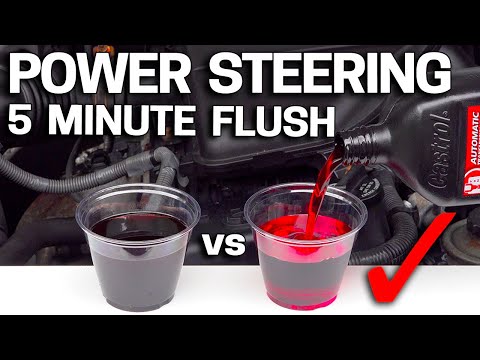
The color of the power steering fluid can reveal its condition. Fresh fluid is typically a clear or light amber color. If you notice a dark, cloudy appearance or the presence of debris, it is a sign that the fluid has degraded and needs to be replaced.
4. Leaks Under the Cart
Inspect the ground beneath your golf cart for any signs of fluid leaks. If you see a puddle of reddish-brown liquid, it may indicate a leak in the power steering system. This not only signifies the need for a fluid change but also requires immediate attention to address the leak.
5. Increased Steering Sensitivity
If your golf cart seems overly sensitive to steering inputs, this can be a sign of air in the power steering system or old fluid that has lost its effectiveness. Both conditions can lead to erratic handling and should be evaluated promptly.
6. Dashboard Warning Lights
Some modern golf carts come equipped with warning lights that indicate issues within the steering system. If a dashboard warning light related to power steering illuminates, it is essential to check the fluid level and condition as part of your essential guide to golf cart power steering fluid change for optimal performance.
By staying vigilant for these signs, you can ensure that your golf cart remains easy to maneuver and in top condition. Regular checks and timely fluid changes will help prolong the life of your steering system and enhance your overall driving experience.
Choosing the Right Power Steering Fluid for Your Golf Cart

Selecting the appropriate power steering fluid for your golf cart is essential for maintaining optimal steering performance and ensuring the longevity of the steering system. The right fluid not only enhances the responsiveness of the steering but also protects vital components from wear and tear.
Understanding Fluid Types
Golf carts typically utilize two main types of power steering fluids: mineral-based and synthetic. Understanding the differences between these can help you make an informed decision.
- Mineral-Based Fluids: These are derived from refined petroleum and are generally more affordable. They work well for standard golf cart applications but may require more frequent changes.
- Synthetic Fluids: Engineered for higher performance, synthetic fluids offer better protection against heat and wear. They tend to last longer and are ideal for heavy use or demanding conditions.
Compatibility Matters
Before purchasing power steering fluid, always check your golf cart's owner manual. This document typically specifies the type of fluid recommended by the manufacturer. Using a fluid that is not compatible with your system can lead to decreased performance and potential damage.
Factors to Consider
When choosing the right power steering fluid, consider the following factors:
- Operating Temperature: Ensure the fluid can withstand the temperatures your cart will encounter.
- Viscosity: The viscosity rating indicates how thick the fluid is, which can affect steering responsiveness.
- Brand Reputation: Opt for well-known brands like Mobil 1 or Lucas Oil, which are recognized for their quality and reliability.
Recommended Products
Here are some reliable power steering fluids you might consider for your golf cart:
- Mobil 1 Synthetic Power Steering Fluid: Priced around $10 per quart, this fluid is known for its superior protection and performance.
- Lucas Oil Power Steering Fluid: Retailing at approximately $9 per quart, Lucas Oil is a popular choice for its excellent viscosity and stability.
- Valvoline Power Steering Fluid: At about $8 per quart, Valvoline offers a dependable option that works well for most golf carts.
Choosing the right power steering fluid is a critical step in the maintenance of your golf cart, ensuring a smooth ride and extending the life of your steering components. Always prioritize quality and compatibility to enjoy optimal performance on the course.
Common Mistakes to Avoid When Changing Golf Cart Power Steering Fluid

Changing the power steering fluid in your golf cart is essential for maintaining optimal steering performance. However, several common mistakes can undermine this process. Here’s a detailed look at what to avoid for a successful fluid change.
Neglecting to Refer to the Owner's Manual
One of the most critical steps is consulting your golf cart's owner manual before proceeding. Each model may have specific requirements regarding the type of power steering fluid to use. Ignoring these guidelines can lead to compatibility issues, ultimately affecting performance.
Using the Wrong Type of Fluid
Not all power steering fluids are created equal. Using a fluid that is not specifically recommended for your golf cart can cause damage to the steering system. Always choose a fluid that meets the specifications outlined in your Essential Guide to Golf Cart Power Steering Fluid Change for Optimal Performance.
Common Types of Power Steering Fluids
- ATF (Automatic Transmission Fluid) - Often used in many golf carts, but check compatibility.
- Hydraulic Fluid - Specifically designed for hydraulic systems; ensure it matches your cart's needs.
- Synthetic Fluids - These can offer better performance but should be verified for your specific model.
Failing to Check for Leaks
Before and after changing the fluid, inspect your golf cart for any leaks in the power steering system. Neglecting to do so can lead to repeated fluid loss, making your maintenance efforts futile. Look for signs of fluid pooling under the cart or dampness around the steering components.
Not Bleeding the System Properly
Air trapped in the power steering system can lead to poor performance. Failing to bleed the system after changing the fluid can result in a spongy or unresponsive steering feel. Follow the proper bleeding procedure as outlined in your manual to ensure all air is expelled.
Overfilling the Reservoir
Adding too much fluid can cause it to overflow, leading to contamination and potential damage. Always check the fluid level against the manufacturer’s recommended range and add fluid gradually to avoid overfilling.
Ignoring Safety Precautions
When working with power steering fluid, safety should always be a priority. Ensure you wear gloves and safety goggles to protect yourself from spills and splashes. Additionally, work in a well-ventilated area, as some fluids may have strong fumes.
By being aware of these common mistakes, you can ensure a smooth and effective power steering fluid change. This will not only enhance your golf cart's steering performance but also prolong the life of its steering system.
We would love to hear your thoughts or questions about changing the power steering fluid in your golf cart! Your insights and inquiries not only enrich our community but also help others who might be facing similar challenges. Whether you’re a seasoned pro or just starting out, your perspective is valuable. Please feel free to share in the comments below; we’re here to support each other and make the most of our golfing experiences together!
Leave a Reply