
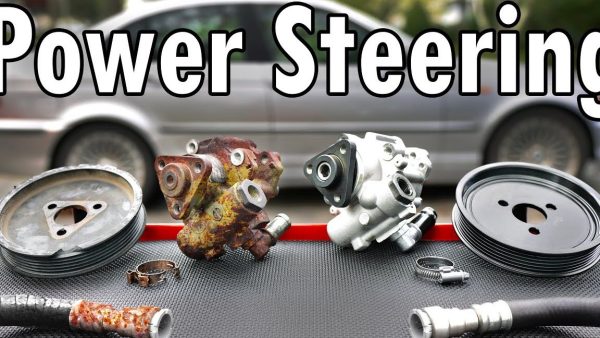
In this article, readers will discover a comprehensive guide to replacing the power steering pump in golf carts, providing step-by-step instructions for DIY enthusiasts. The content covers essential tools, safety tips, and troubleshooting advice to ensure a smooth golf cart steering pump swap. Whether you're a seasoned mechanic or a beginner, this resource will equip you with the knowledge needed for effective golf cart power steering pump repairs.
- Understanding the Role of the Golf Cart Power Steering Pump
- Signs That Indicate a Failing Power Steering Pump in Your Golf Cart
- Step-by-Step Guide to Replacing Your Golf Cart Power Steering Pump
- Common Mistakes to Avoid During Golf Cart Power Steering Pump Replacement
- Choosing the Right Replacement Parts for Your Golf Cart Power Steering Pump
Understanding the Role of the Golf Cart Power Steering Pump
The golf cart power steering pump plays a crucial role in enhancing the maneuverability and overall driving experience of your vehicle. By providing hydraulic pressure to the steering system, it allows for smoother and easier steering, especially at low speeds or when turning. Understanding its function can help you maintain your golf cart effectively and recognize when it may require replacement.
How the Power Steering Pump Works
The power steering pump operates by converting mechanical energy from the engine into hydraulic energy. This process involves several key components:
- Hydraulic Fluid: The pump circulates hydraulic fluid, which transfers force to assist in steering.
- Drive Belt: The pump is typically driven by a belt connected to the engine, ensuring it operates in sync with the vehicle’s power output.
- Pressure Relief Valve: This valve regulates the pressure within the system to prevent damage and ensure optimal performance.
Signs of a Failing Power Steering Pump
Recognizing the signs of a failing power steering pump can save you from further damage and costly repairs. Look out for the following symptoms:
- Difficulty Steering: Increased effort required to turn the steering wheel is a primary indicator.
- Noisy Operation: Unusual whining or grinding noises while steering can signify pump wear.
- Fluid Leaks: Puddles of hydraulic fluid under the golf cart may indicate a leak in the pump or hoses.
Maintenance Tips for Your Power Steering Pump
To prolong the lifespan of your golf cart power steering pump, consider the following maintenance tips:
- Regular Fluid Checks: Ensure the hydraulic fluid is at the recommended level and free from contamination.
- Inspect Hoses: Regularly check for any signs of wear or leaks in the hoses connected to the pump.
- Keep It Clean: Clean the area around the pump to prevent debris from entering the system.
When to Consider Replacement
If you notice persistent issues despite maintenance efforts, it may be time for a power steering pump replacement. Choosing a high-quality replacement pump can ensure your golf cart operates smoothly. Brands like A1 Cardone and ACDelco offer reliable options ranging from $100 to $250, depending on the model and specifications.
Understanding the role and maintenance of your golf cart power steering pump can lead to a more enjoyable and safe driving experience, ensuring that your vehicle remains in optimal condition for all your golfing adventures.
Signs That Indicate a Failing Power Steering Pump in Your Golf Cart
Identifying issues with the power steering pump in your golf cart is essential for maintaining optimal performance and safety. Below are specific signs that suggest your power steering pump may be failing.
1. Difficulty Steering
If you notice that steering your golf cart has become more challenging, this could be a direct result of a failing power steering pump. You may experience:
- Increased resistance when turning the wheel.
- Unresponsive steering that requires more effort than usual.
2. Unusual Noises
Listen for any strange sounds while operating your golf cart. A failing power steering pump may produce:
- Whining or squealing noises when turning the wheel.
- Grinding sounds indicating internal issues within the pump.
3. Fluid Leaks
Check for any signs of fluid leakage around the power steering pump. A leaking pump can lead to:
- Low fluid levels, which can exacerbate steering issues.
- Visible puddles or spots of fluid beneath your golf cart.
4. Warning Lights
Modern golf carts may come equipped with dashboard indicators. Pay attention to any warning lights that may signal:
- Power steering failure or low fluid levels.
- Maintenance alerts related to steering components.
5. Decreased Responsiveness
A failing power steering pump can lead to a noticeable decrease in steering responsiveness. This may manifest as:
- Delayed response when making turns.
- Wandering or drifting while driving straight.
By being aware of these signs, you can address potential issues with your golf cart's power steering pump before they escalate, ensuring a safer and smoother ride. Regular maintenance and timely replacements are key to prolonging the lifespan of your golf cart’s power steering system.
Step-by-Step Guide to Replacing Your Golf Cart Power Steering Pump
Replacing the power steering pump in your golf cart can significantly improve handling and driving comfort. Follow this detailed guide to ensure a smooth and effective replacement process.
Tools and Materials Needed
Before starting, gather the following tools and materials:
- Socket set (including various sizes)
- Wrench set
- Screwdriver (flathead and Phillips)
- New power steering pump (check compatibility with your model)
- Power steering fluid
- Rags for cleaning
- Safety goggles and gloves
Step 1: Safety First
Ensure your golf cart is parked on a flat surface, and engage the parking brake. Wear safety goggles and gloves to protect yourself from any potential hazards.
Step 2: Remove the Old Power Steering Pump
1. Locate the power steering pump: Typically found near the front of the engine compartment.
2. Disconnect the battery: Start by removing the negative terminal to avoid any electrical shorts.
3. Drain the fluid: Place a container under the pump to catch any fluid that may leak when disconnecting the hoses.
4. Remove the hoses: Use a wrench to carefully disconnect the inlet and outlet hoses from the pump. Be cautious of any residual fluid.
5. Unbolt the pump: Remove the bolts securing the pump to the mounting bracket using the socket set.
6. Take out the pump: Gently lift the pump out of its position.
Step 3: Install the New Power Steering Pump
1. Position the new pump: Align it with the mounting bracket.
2. Secure the pump: Insert and tighten the bolts to hold the new pump in place.
3. Reconnect the hoses: Ensure a snug fit to prevent leaks, and secure them with clamps if necessary.
4. Refill the power steering fluid: Pour the recommended fluid into the reservoir until it reaches the proper level.
Step 4: Test the Installation
1. Reconnect the battery: Attach the negative terminal back to the battery.
2. Start the golf cart: Allow the engine to run for a few minutes.
3. Check for leaks: Inspect the hoses and pump area for any signs of leaking fluid.
4. Test steering response: Turn the steering wheel to ensure smooth operation.
Additional Tips
- Always consult your golf cart's owner manual for specific instructions and torque specifications.
- Dispose of old fluid properly at a recycling center to protect the environment.
- If you're unsure about any step, consider seeking assistance from a professional mechanic to avoid complications.
By following this step-by-step guide, you can successfully replace your golf cart's power steering pump, enhancing your driving experience while ensuring safety on the course.
Common Mistakes to Avoid During Golf Cart Power Steering Pump Replacement
Replacing the power steering pump in your golf cart can enhance performance and improve handling. However, several common mistakes can hinder the process and lead to further complications. Being aware of these pitfalls can ensure a smoother replacement experience.
1. Neglecting to Gather Necessary Tools
Before starting the replacement, it's essential to have all the required tools on hand. A lack of necessary equipment can lead to frustration and potentially damage components. Ensure you have the following:
- Socket set - for removing and installing bolts
- Torque wrench - to apply the correct torque to fasteners
- Fluid catch pan - to collect any leaking fluids
- Wrenches - for tight spaces
- Safety goggles - to protect your eyes during the process
2. Failing to Disconnect the Battery
One of the most critical steps is to disconnect the golf cart's battery before beginning the replacement. Not doing so can result in accidental electrical shorts or even injuries. Always take the time to:
- Turn off the ignition
- Disconnect the negative terminal first
- Ensure all electrical components are powered down
3. Skipping the Fluid Flush
When replacing the power steering pump, it’s a mistake to overlook the importance of flushing the steering fluid. Old or contaminated fluid can damage the new pump. Make sure to:
- Drain the old fluid completely
- Flush the system with new fluid
- Use manufacturer-recommended fluid for optimal performance
4. Incorrect Installation of the New Pump
Proper installation of the new power steering pump is crucial. Misalignment or improper mounting can lead to leaks or premature wear. To avoid this:
- Follow the manufacturer's instructions closely
- Ensure all gaskets and seals are in place
- Double-check the alignment before tightening bolts
5. Ignoring System Bleeding Procedures
After installing the new pump, it's vital to bleed the power steering system to remove any air pockets. Neglecting this step can lead to steering issues. To effectively bleed the system:
- Fill the reservoir with the appropriate fluid
- Turn the steering wheel from lock to lock to release air
- Check fluid levels and top off as needed
By avoiding these common mistakes during your golf cart power steering pump replacement, you can ensure a successful repair and enjoy improved steering performance.
Choosing the Right Replacement Parts for Your Golf Cart Power Steering Pump
When it comes to maintaining the efficiency of your golf cart, selecting the appropriate replacement parts for the power steering pump is essential. The right components not only ensure smooth steering but also enhance the overall performance of your vehicle. Here are some key factors to consider when choosing replacement parts.
Understand Your Golf Cart Model
Different golf cart models may require specific power steering pump parts. Before purchasing, identify your cart’s make and model. This information is crucial for compatibility and will help you avoid costly mistakes.
- Check the owner’s manual for specifications.
- Research online for parts specific to your model.
- Consult with a dealer or mechanic for recommendations.
Material Quality Matters
The longevity and durability of replacement parts heavily depend on the materials used in their construction. Look for parts made from high-quality materials such as:
- Aluminum: Lightweight and resistant to corrosion.
- Steel: Offers strength and durability.
- High-grade plastic: Can be effective for certain components while maintaining a low weight.
Brand Reputation
Opt for parts from reputable brands known for their reliability. Popular brands often provide warranties and customer support, ensuring peace of mind with your purchase. Some trusted brands include:
- EZGO
- Yamaha
- Club Car
Check for Compatibility
When selecting replacement parts, ensure they are designed specifically for your power steering pump. Look for compatibility indicators, such as part numbers or descriptions that match your existing components.
Aftermarket vs. OEM Parts
You may choose between Original Equipment Manufacturer (OEM) parts and aftermarket options. Here’s a brief comparison:
- OEM Parts: Manufactured by the original brand, ensuring perfect fit and quality.
- Aftermarket Parts: Often more affordable but may vary in quality. Research reviews before purchasing.

Cost Considerations
While it’s tempting to go for the cheapest option, investing in quality replacement parts can save you money in the long run. Consider the following:
- Price ranges for power steering pump parts typically range from $50 to $200.
- Factor in potential shipping costs and availability.
- Assess the warranty and return policies of the parts you choose.
By taking these factors into account, you can confidently select the right replacement parts for your golf cart's power steering pump, ensuring a safe and enjoyable driving experience.
We truly value your thoughts and insights, so we invite you to share your opinions or any questions you may have about Golf Cart Power Steering Pump Replacement in the comments below. Your experiences and inquiries can foster a rich discussion and help others in the community. Whether you’re a seasoned expert or just starting out, your perspective is important to us, and we look forward to hearing from you!
Leave a Reply