
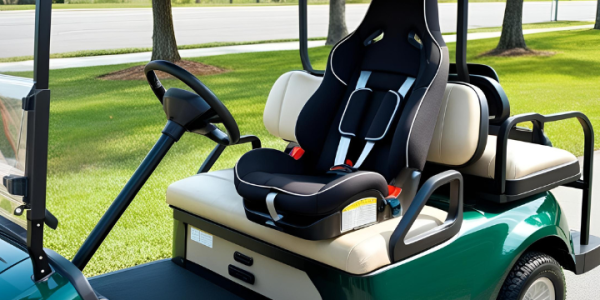
In this article, readers will discover essential tips for achieving optimal comfort and functionality through golf cart seat modification fixes. The piece offers practical advice on golf vehicle seating adjustments and highlights common issues along with effective solutions. Whether you're looking to enhance your riding experience or address specific seat-related problems, this guide provides the necessary insights for successful golf cart seating repairs.
- Understanding the Importance of Golf Cart Seat Adjustment Repairs
- Common Issues That Require Golf Cart Seat Adjustment Repairs
- Step-by-Step Guide to Performing Golf Cart Seat Adjustment Repairs
- Tools and Materials Needed for Golf Cart Seat Adjustment Repairs
- When to Seek Professional Help for Golf Cart Seat Adjustment Repairs
Understanding the Importance of Golf Cart Seat Adjustment Repairs
Properly adjusted golf cart seats are vital for both comfort and safety while navigating the course. When golf cart seat adjustments are neglected, it can lead to various issues that affect the overall experience of driving the cart. This section delves into why maintaining and repairing seat adjustments is crucial for every golf cart owner.
Enhancing Comfort for an Enjoyable Ride
When you spend several hours on the golf course, comfort becomes a priority. Here are a few reasons why proper seat adjustments matter:
- Customized Fit: Each golfer has a unique body shape and size. Ensuring that the seat is adjusted to fit the individual helps in preventing discomfort.
- Reduced Fatigue: An improperly adjusted seat can lead to fatigue, especially during long rounds. Comfortable seating reduces the strain on the back and legs.
- Improved Posture: Correct seat positioning promotes better posture, which can enhance focus and performance on the course.
Safety Considerations
Aside from comfort, seat adjustment repairs play a significant role in safety. Here’s why:
- Stability: An unstable seat can lead to an increased risk of accidents. Ensuring that the seat is securely fixed helps maintain control of the cart.
- Visibility: Proper seat height and positioning can enhance visibility of the course, allowing for better navigation and decision-making.
- Secure Seating: A well-maintained seat prevents sudden shifts that could throw the driver off balance, especially on uneven terrain.
Longevity of Your Golf Cart
Regular maintenance and repair of seat adjustments not only improve comfort and safety but also contribute to the longevity of your golf cart. Here’s how:
- Preventative Maintenance: Addressing seat issues early can prevent more significant problems down the line, saving you from costly repairs.
- Increased Resale Value: A well-maintained golf cart with properly adjusted seats can attract potential buyers, ensuring you get a better price.
- Enhanced Performance: A comfortable and safe seating arrangement can lead to a better overall performance of the golf cart, making your investment worthwhile.
Regular Checks and Maintenance
To ensure optimal performance, regular checks on seat adjustments are recommended. Consider the following maintenance tips:
- Routine Inspections: Periodically check for any loose screws or worn-out components that may affect seat adjustments.
- Lubrication: Keeping moving parts lubricated can enhance functionality and prevent wear and tear.
- Professional Assistance: If adjustments become complicated, seeking help from a professional can ensure that repairs are done correctly and safely.
Incorporating these practices into your golf cart maintenance routine will ensure that your seat adjustments are always in top condition, ultimately enhancing your golfing experience.
Common Issues That Require Golf Cart Seat Adjustment Repairs
Golf carts are an essential part of many recreational activities, and ensuring the comfort of the driver and passengers is crucial. However, several issues can arise with the seat adjustments that may require attention. Understanding these common problems can help you maintain optimal functionality and comfort.
1. Misaligned Seat Position
One of the most frequent issues is a misaligned seat position. This can lead to discomfort during longer rides and affect the overall driving experience. If the seat feels too far back or too close to the steering wheel, adjustments are necessary.
Signs of Misalignment:
- Difficulty reaching the pedals
- Uncomfortable posture while driving
- Inconsistent driving control
2. Worn-Out Seat Adjustment Mechanism
Over time, the mechanisms that allow for seat adjustments can wear out, making it challenging to find the ideal position. This can be due to rust, dirt accumulation, or general wear and tear.
Symptoms of Wear:
- Stiff or unresponsive adjustment levers
- Noise when adjusting the seat
- Seat slipping out of position
3. Broken Seat Tracks
The tracks that enable the seat to slide forward and backward can become damaged or bent, leading to uneven movement. This issue can make it impossible to adjust the seat properly, causing frustration for the driver.
Indicators of Broken Tracks:
- Seat stuck in one position
- Visible damage to the tracks
- Difficulty in locking the seat in place
4. Seat Cushion Wear
While not directly related to the adjustment mechanism, worn-out seat cushions can affect how adjustments feel. If the cushioning is compromised, it may lead to discomfort regardless of how well the seat is positioned.
Signs of Cushion Wear:
- Flat or sagging cushions
- Visible tears or rips in the upholstery
- Loss of support during driving
Regular maintenance and timely repairs of these common golf cart seat adjustment issues are vital for ensuring a comfortable and safe driving experience. By addressing these problems as they arise, you can prolong the lifespan of your golf cart and enhance your overall enjoyment on the course or around the neighborhood.
Step-by-Step Guide to Performing Golf Cart Seat Adjustment Repairs
When it comes to ensuring a comfortable ride in your golf cart, properly adjusted seats are essential. This guide will provide you with a comprehensive approach to performing golf cart seat adjustment repairs, enhancing both comfort and functionality.
Gather Necessary Tools
Before starting your repairs, ensure you have the following tools ready:
- Socket wrench set – for loosening and tightening bolts.
- Screwdriver set – for adjusting any screws on the seat assembly.
- Measuring tape – to measure seat height and angle for precise adjustments.
- Lubricant spray – to ease any stiff moving parts.
Assess the Current Seat Position
To begin, sit in the golf cart and evaluate the current seat position:
- Check if your feet comfortably reach the pedals.
- Ensure you have a clear line of sight over the steering wheel.
- Determine if the backrest provides adequate support.
Loosen the Seat Bolts
Once you've assessed the seat position, follow these steps:
1. Locate the bolts securing the seat to the frame.
2. Use the socket wrench to carefully loosen these bolts.
3. Avoid removing the bolts completely; just loosen them enough to adjust the seat.
Adjust the Seat Position
With the bolts loosened, you can now reposition the seat:
- Forward or Backward: Slide the seat to your preferred position. Aim for a balance where you can comfortably reach the steering wheel and pedals.
- Height Adjustment: If your golf cart allows for height adjustments, raise or lower the seat to find the most comfortable level.
Tighten the Bolts
Once the seat is in the desired position, it’s time to secure it:
1. Carefully hold the seat in place.
2. Use the socket wrench to tighten the bolts, ensuring the seat is stable and secure.
3. Avoid over-tightening, as this can damage the seat frame.
Test the Seat Adjustment
After completing the adjustments, take a moment to test:
- Sit in the adjusted seat and verify comfort.
- Check that all moving parts operate smoothly and without obstruction.
- Make any minor adjustments as necessary for optimal comfort.
Regular Maintenance Tips
To maintain the functionality of your golf cart seat, consider these tips:
- Regularly check and tighten seat bolts to prevent loosening.
- Apply lubricant to moving parts to avoid rust and wear.
- Inspect seat covers for wear and tear, replacing them if necessary.
By following this step-by-step guide, you can effectively perform golf cart seat adjustment repairs that enhance both comfort and functionality, ensuring an enjoyable golfing experience.
Tools and Materials Needed for Golf Cart Seat Adjustment Repairs
When it comes to performing golf cart seat adjustment repairs, having the right tools and materials is essential for achieving optimal comfort and functionality. Below is a comprehensive list of items you will need to successfully complete these adjustments.
Essential Tools
To ensure a smooth repair process, gather the following tools:
- Socket Wrench Set: A variety of socket sizes will help you remove bolts and nuts holding the seat in place.
- Screwdriver Set: Both Phillips and flathead screwdrivers are necessary for loosening or tightening screws.
- Utility Knife: Useful for cutting through any fabric or upholstery that may need to be replaced or adjusted.
- Measuring Tape: To measure the dimensions of the seat and ensure proper fitment of any new materials.
- Leveling Tool: To ensure the seat is properly aligned after adjustments.
Materials Required
In addition to tools, having the right materials on hand will facilitate a successful repair:
- Replacement Upholstery: Choose high-quality, weather-resistant materials, such as marine-grade vinyl, to ensure durability.
- Foam Padding: Available in various thicknesses, this material enhances comfort and can replace old, worn-out padding.
- Adhesive or Upholstery Glue: Essential for securing new upholstery to the foam padding or frame.
- Fasteners: Ensure you have a variety of screws, bolts, and washers to secure the seat components.
- Protective Covering: Use a tarp or cloth to protect your golf cart while working on the seat adjustments.
Optional Accessories
Depending on your specific repair needs, you may find these additional items helpful:
- Heat Gun: Useful for softening old adhesive or for shaping materials during installation.
- Staple Gun: Ideal for securing upholstery to the frame, especially in tight areas.
- Cleaning Supplies: Keep your workspace clean with cloths, cleaners, and other supplies to maintain the integrity of your golf cart.
Equipped with these tools and materials, you’ll be well-prepared to tackle any golf cart seat adjustment repairs, enhancing both the comfort and functionality of your ride.
When to Seek Professional Help for Golf Cart Seat Adjustment Repairs
Understanding when to consult a professional for your golf cart seat adjustment repairs can significantly enhance your riding experience. Here are key indicators that it might be time to reach out for expert assistance.
Signs That Indicate Professional Intervention is Needed
- Persistent Discomfort: If you find that your seat remains uncomfortable despite adjustments, it may indicate underlying issues that require expert evaluation.
- Mechanical Malfunctions: Unusual noises or difficulty in adjusting the seat mechanism are signs that the components may be damaged or worn out.
- Visible Damage: Cracks or tears in the seat upholstery or frame can compromise safety and comfort, warranting professional repair.
- Complex Adjustment Needs: If the adjustments involve intricate mechanisms or electrical components, professional help is advisable to prevent further damage.
Benefits of Seeking Expert Help
Consulting a professional not only ensures that the repairs are conducted safely and effectively but also offers several advantages:
- Expert Knowledge: Professionals have the training and experience to diagnose and fix issues that may not be apparent to the average user.
- Quality Parts: Technicians often have access to high-quality replacement parts that can enhance the longevity of your golf cart seat.
- Time-Saving: Hiring a professional can save you time and effort, allowing you to enjoy your golf cart without the hassle of DIY repairs.

Choosing the Right Professional
When selecting a service provider for your golf cart seat adjustment repairs, consider the following:
- Reputation: Look for reviews and testimonials from previous customers to gauge the quality of their work.
- Experience: Ensure the technician has experience specifically with golf cart repairs, as this can make a significant difference in the outcome.
- Warranty Options: Inquire about warranties on both labor and parts, as this can provide peace of mind regarding the quality of the repairs.
Being proactive about recognizing the signs of needed professional help can lead to better maintenance and a more enjoyable golfing experience. Prioritize your comfort and safety by addressing any issues with your golf cart seat promptly and effectively.
We value your thoughts and insights! If you have any questions or opinions about Golf Cart Seat Adjustment Repairs, we warmly invite you to share them in the comments. Your experiences and perspectives not only enrich our community but also help others who may be navigating similar challenges. Let's engage in a thoughtful discussion and support each other in making our golf cart experiences even better!
Leave a Reply