
This article provides a comprehensive overview of golf cart starter motor replacement, detailing a step-by-step process that guides readers through the necessary procedures. You'll find essential tips and insights on how to efficiently handle the starter motor swap for golf carts, ensuring a smooth transition and optimal performance. Whether you're a novice or experienced mechanic, this guide will equip you with the knowledge needed for a successful golf cart starter motor overhaul.
- Understanding the Importance of Golf Cart Starter Motor Replacement
- Signs That Indicate Your Golf Cart Needs a Starter Motor Replacement
- Step-by-Step Guide to Replacing Your Golf Cart Starter Motor
- Common Issues Associated with Golf Cart Starter Motors and Their Solutions
- Choosing the Right Replacement Starter Motor for Your Golf Cart
Understanding the Importance of Golf Cart Starter Motor Replacement
When it comes to maintaining the performance and longevity of your golf cart, recognizing the significance of the starter motor is crucial. The starter motor is a vital component responsible for initiating the engine's operation. If you notice issues such as a sluggish start or unusual noises when trying to start your cart, it may be time to consider a replacement.
Why Replace Your Golf Cart Starter Motor?
Replacing the starter motor can enhance your golf cart's reliability and overall efficiency. Here are a few reasons why this replacement is essential:
- Improved Performance: A new starter motor can provide a more powerful and efficient start, ensuring that your golf cart is ready to go when you are.
- Reduced Wear and Tear: An old or failing starter motor can put additional strain on the battery and other electrical components, leading to further issues down the line.
- Increased Lifespan: Regular maintenance, including starter motor replacement, can extend the life of your golf cart, saving you money on potential repairs.
Signs of a Failing Starter Motor
Being able to identify the signs of a failing starter motor can save you time and frustration. Look out for the following indicators:
- Clicking Sounds: If you hear a clicking noise when turning the key, it may indicate that the starter motor is not engaging properly.
- Unresponsive Engine: An engine that fails to turn over may be a sign that the starter motor has failed.
- Dim Lights: Dimming dashboard lights when attempting to start can suggest that the starter motor is drawing too much power.
Choosing the Right Replacement
When selecting a new starter motor, consider the following factors to ensure compatibility and performance:
- Specifications: Match the voltage and power ratings with your golf cart's requirements.
- Brand Reputation: Opt for starter motors from reputable brands, such as Denso or ACDelco, known for their reliability and durability.
- Price Range: Starter motors can range from $100 to $300, depending on the make and model of your golf cart. Ensure you are getting a fair price for quality.
Maintaining the functionality of your golf cart's starter motor is not just about convenience; it also plays a significant role in ensuring your cart runs smoothly and efficiently. Regular assessments and timely replacements can keep your golf cart in prime condition, allowing you to enjoy your time on the course without interruptions.
Signs That Indicate Your Golf Cart Needs a Starter Motor Replacement
Recognizing the signs that your golf cart requires a starter motor replacement is crucial for maintaining its performance and ensuring a smooth ride. Here are some key indicators to watch for:
1. Difficulty Starting the Cart
If you find that your golf cart struggles to start or requires multiple attempts to ignite, this could signal a failing starter motor. A healthy starter should engage promptly when you turn the key.
2. Unusual Noises
Listen for any strange sounds, such as grinding or clicking, when attempting to start the cart. These noises often indicate that the starter motor is not functioning correctly and may need replacement.
3. Electrical Issues
A faulty starter motor can lead to electrical problems within your golf cart. If you experience dimming lights or other electrical components not working properly, the starter motor could be the culprit.
4. Intermittent Operation
If your golf cart starts fine one day but fails to start the next, it could be a sign of a failing starter motor. Inconsistent performance is a clear warning sign that you should investigate further.
5. Smoke or Burning Smell
Any smoke or burning odor coming from the motor area when starting the cart is a serious issue. This could indicate overheating or short-circuiting within the starter motor, necessitating immediate replacement.
What to Do Next
If you notice any of these signs, it’s advisable to:
- Check the battery: Ensure that the battery is charged and in good condition.
- Inspect connections: Look for loose or corroded wires that may affect starter performance.
- Consult a professional: If the issue persists, seeking assistance from a qualified technician can help determine if the starter motor needs replacement.
By being aware of these signs, you can take proactive measures to address any issues with your golf cart's starter motor, ensuring it remains in optimal working condition.
Step-by-Step Guide to Replacing Your Golf Cart Starter Motor
Replacing your golf cart starter motor can seem daunting, but with the right approach and tools, it can be a straightforward process. This step-by-step guide is designed to assist you in safely and effectively completing this task, ensuring your golf cart is back in action in no time.
Tools and Materials Needed
Before you begin, gather the following tools and materials to streamline the process:
- Socket set (including various sizes)
- Wrench set
- Screwdriver (flathead and Phillips)
- Replacement starter motor (specific to your golf cart model)
- Multimeter (for electrical testing)
- Safety goggles and gloves
Step 1: Safety First
Before starting any repairs, prioritize safety by:
- Disconnecting the battery to prevent electrical shock.
- Wearing safety goggles and gloves to protect yourself from debris and electrical components.
Step 2: Locate the Starter Motor
The starter motor is typically located near the rear of the golf cart, attached to the engine. Refer to your owner’s manual for specific locations, as this can vary by model.
Step 3: Remove the Old Starter Motor
To remove the old starter motor, follow these steps:
- Disconnect the wiring harness connected to the starter motor.
- Using the socket set, remove the mounting bolts securing the starter motor.
- Carefully pull the starter motor away from its mounting position.
Step 4: Prepare the New Starter Motor
Before installation, ensure that the new starter motor is compatible with your golf cart model. Check for:
- Correct part number.
- Proper mounting configuration.
Step 5: Install the New Starter Motor
Installation involves:
- Positioning the new starter motor in the same place as the old one.
- Securing it with the mounting bolts you previously removed.
- Reconnecting the wiring harness, ensuring all connections are tight and secure.
Step 6: Reconnect the Battery
After the installation is complete, reconnect the battery terminals, ensuring that the positive and negative connections are properly aligned.
Step 7: Test the New Starter Motor
To ensure everything is functioning correctly:
- Turn the ignition key to start the golf cart.
- Listen for any unusual noises and check for smooth operation.
- If the cart doesn’t start, use a multimeter to test the electrical connections.
Following these steps will help you successfully replace your golf cart starter motor, getting you back on the course with minimal downtime.
Common Issues Associated with Golf Cart Starter Motors and Their Solutions
Golf cart starter motors play a crucial role in the functionality of your vehicle, and various problems can arise over time. Understanding these issues and their solutions can help you maintain optimal performance. Here, we explore some common challenges associated with golf cart starter motors and how to address them effectively.
1. Inconsistent Starting
Inconsistent starting can be frustrating for golf cart owners. This issue often stems from several factors:
- Weak Battery: A depleted or failing battery may not provide sufficient power. Ensure the battery is fully charged and in good condition.
- Corroded Connections: Corrosion on battery terminals can impede electrical flow. Cleaning the terminals with a mixture of baking soda and water can help.
- Faulty Solenoid: The solenoid is responsible for engaging the starter motor. A malfunctioning solenoid may require replacement to restore functionality.
2. Unusual Noises
Unusual sounds, such as grinding or clicking, can indicate underlying issues with the starter motor:
- Worn Gears: If the gears within the starter motor are worn out, they may produce grinding noises. Replacing the starter motor is often the best solution.
- Loose Components: Loose mounting bolts can cause rattling sounds. Tightening these bolts may resolve the issue.
- Sticking Starter: A sticking starter can create a clicking sound. Cleaning and lubricating the starter mechanism can often rectify this problem.
3. Overheating
Overheating of the starter motor can lead to premature failure. Common causes include:
- Extended Use: Prolonged cranking can cause overheating. Allow the starter motor to cool down between uses.
- Electrical Short Circuits: Shorts in the wiring can lead to excessive current draw, causing overheating. Inspect wiring for damage and replace as necessary.
- Defective Starter Motor: A faulty starter motor may run inefficiently and overheat. Replacing the starter motor may be required for long-term solutions.
4. Complete Failure to Start
A complete failure to start can be one of the most alarming issues. Possible reasons include:
- Battery Issues: Check the battery voltage and connections to ensure it is fully operational.
- Starter Motor Failure: If the starter motor is completely unresponsive, it may need to be replaced. Look for reputable brands like D&D Motor Systems, which offers high-quality options starting around $150.
- Ignition Switch Problems: A malfunctioning ignition switch can prevent the starter from receiving power. Testing or replacing the ignition switch can often resolve this issue.
Addressing these common issues with golf cart starter motors proactively can enhance the longevity and reliability of your vehicle. Regular maintenance, including battery checks and inspections of electrical components, is essential to prevent these problems from escalating.
Choosing the Right Replacement Starter Motor for Your Golf Cart
When it comes to selecting a replacement starter motor for your golf cart, understanding the specifications and compatibility is essential. The right starter motor not only enhances the performance of your cart but also ensures longevity and reliability.
Key Considerations for Selection
Before making a purchase, consider the following factors:
- Compatibility: Ensure the starter motor is compatible with your specific golf cart model. Popular brands like EZGO, Club Car, and Yamaha each have unique specifications.
- Voltage Rating: Most golf carts operate on either 36V or 48V systems. Confirm the voltage rating of your cart to avoid mismatches.
- Power Output: Look for the starter motor's power output, typically measured in amps. A higher amp rating can improve starting performance, especially in colder climates.
- Durability: Opt for starter motors made with high-quality materials, as they will withstand the rigors of frequent use.
- Warranty: A good warranty period can be an indicator of quality. Look for products that offer at least a year of coverage.
Popular Starter Motor Options
Here are some well-regarded starter motors to consider for your golf cart:
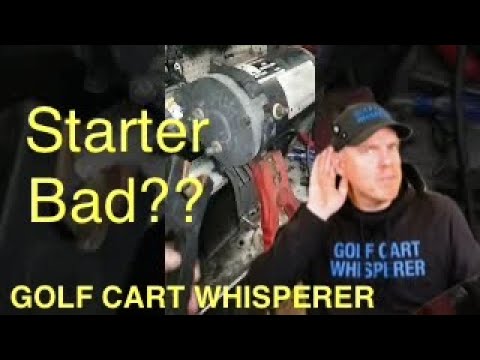
- EZGO Starter Motor (Part # 72860-G01): Designed for EZGO models, this starter motor is known for its reliability and typically retails around $200.
- Club Car Starter Generator (Part # 1013511-01): Ideal for Club Car DS and Precedent models, this starter generator combines durability with efficient performance, priced at approximately $250.
- Yamaha Starter Motor (Part # JW1-81800-00): This motor is compatible with many Yamaha golf carts and is favored for its robust construction, usually available for about $180.
Installation Tips
Installing a replacement starter motor can be straightforward if you follow these guidelines:
- Gather Tools: Make sure you have the necessary tools, such as a socket set, wrenches, and screwdrivers.
- Disconnect Battery: Always disconnect the battery before starting the installation to avoid electrical hazards.
- Follow Manufacturer Instructions: Refer to the specific installation guide for your chosen starter motor to ensure proper setup.
- Test After Installation: Once installed, reconnect the battery and test the motor to confirm it functions correctly.
By considering these factors and options, you can confidently choose the right replacement starter motor for your golf cart, ensuring a smooth and reliable ride for years to come.
We’d love to hear your thoughts and questions about Golf Cart Starter Motor Replacement! Your insights and experiences are invaluable to our community, and sharing them can help others navigate this topic with confidence. Whether you have tips, concerns, or simply want to learn more, please don’t hesitate to leave a comment below. Let’s engage in a meaningful conversation together!
Leave a Reply