
This article offers a comprehensive golf vehicle transmission maintenance manual designed to help owners achieve optimal performance. Readers will discover essential tips and techniques for diagnosing common transmission issues, as well as step-by-step instructions for effective repairs. By following this golf cart gearbox repair guide, you can ensure your vehicle operates smoothly and efficiently on the course.
- Common Signs Your Golf Cart Transmission Needs Repair
- Step-by-Step Guide to Diagnosing Golf Cart Transmission Issues
- Essential Tools and Parts for Golf Cart Transmission Repairs
- Preventive Maintenance Tips for Extending Your Golf Cart Transmission Life
- When to Seek Professional Help for Golf Cart Transmission Repairs
Common Signs Your Golf Cart Transmission Needs Repair
If you’re an avid golf cart user, understanding the common signs of transmission issues can help you maintain optimal performance. Recognizing these symptoms early can prevent costly repairs and ensure a smooth ride on the course. Here are some critical indicators that your golf cart transmission may require professional attention.
1. Unusual Noises
One of the first signs of transmission trouble is the presence of strange sounds. Listen for:
- Grinding or clunking noises when shifting gears.
- Whining sounds during acceleration.
- Clicking or popping when the cart is in motion.
These noises can indicate issues such as worn gears or insufficient lubrication within the transmission.
2. Slipping Gears
If your golf cart experiences gear slipping, it may unexpectedly change speeds or fail to stay in gear. This issue can lead to erratic acceleration and may be a sign that the transmission fluid is low or that internal components are failing.
3. Delayed Engagement
A noticeable delay when shifting from neutral to drive can signal transmission problems. If you find that your golf cart takes longer than usual to respond after you engage the throttle, this may indicate issues with the transmission system that need to be addressed.
4. Fluid Leaks
Inspect the area beneath your golf cart for any signs of fluid leaks. Transmission fluid is typically red or brown and may pool under the cart. Leaks can lead to insufficient lubrication and, ultimately, transmission failure if not resolved promptly.
5. Warning Lights
Modern golf carts may be equipped with dashboard warning lights. If you see a transmission warning light illuminated, it’s crucial to have your golf cart inspected. This light can indicate a range of issues, from low fluid levels to more serious transmission faults.
6. Overheating
If your golf cart’s transmission becomes excessively hot during operation, it can lead to severe damage. Look for signs of overheating, such as a burning smell or smoke. This issue often arises from low fluid levels or internal damage that restricts the flow of transmission fluid.
What to Do If You Experience These Signs
Upon noticing any of these symptoms, it is advisable to consult with a qualified technician. Regular maintenance, including fluid checks and timely repairs, is essential for the longevity of your golf cart’s transmission. Addressing issues early can enhance performance and ensure a reliable ride on the golf course.
By staying aware of these common signs, you can take proactive steps to maintain your golf cart's transmission, ensuring a smooth performance on every outing.
Step-by-Step Guide to Diagnosing Golf Cart Transmission Issues
Diagnosing transmission issues in your golf cart can seem daunting, but with a systematic approach, you can identify the problem efficiently. This guide provides a detailed, step-by-step process to help you troubleshoot and understand the complexities of your golf cart’s transmission system.
Step 1: Gather Your Tools
Before diving into diagnostics, ensure you have the necessary tools at hand. Here’s what you’ll need:
- Multimeter: For checking electrical connections.
- Wrench set: To access various components.
- Screwdrivers: Both flathead and Phillips for removing covers.
- Jack and jack stands: To elevate the cart safely.
- Service manual: Specific to your golf cart model for reference.
Step 2: Visual Inspection
Start with a thorough visual inspection of the transmission area. Look for:
- Fluid leaks: Check for any signs of oil or transmission fluid leaks under the cart.
- Damaged components: Inspect belts, pulleys, and the transmission casing for cracks or wear.
- Corroded connections: Ensure all electrical connections are clean and secure.
Step 3: Test Drive the Golf Cart
A test drive can provide critical insights into transmission performance. Pay attention to:
- Unusual noises: Listen for grinding or whining sounds that may indicate internal issues.
- Shifting difficulties: Note any hesitation or roughness when changing gears.
- Speed inconsistencies: Check if the cart struggles to reach normal speeds or accelerates erratically.
Step 4: Check the Transmission Fluid
Transmission fluid plays a crucial role in performance. Follow these steps:
- Check fluid level: Use the dipstick (if equipped) to ensure the fluid is at the correct level.
- Inspect fluid condition: Look for discoloration or a burnt smell, indicating that the fluid needs to be changed.
Step 5: Electrical System Diagnosis
Since many golf carts have electric transmissions, diagnosing electrical issues is essential:
- Test battery voltage: Ensure the battery is fully charged and functioning properly.
- Inspect wiring: Look for frayed wires or loose connections that could affect transmission operation.
Step 6: Consult the Service Manual
Refer to your golf cart's service manual for specific troubleshooting steps tailored to your model. This can include:
- Diagnostic codes: Understanding any error codes that may be displayed.
- Component locations: Finding parts that may need further inspection or replacement.
Step 7: Professional Help
If your diagnostics do not lead to a clear resolution, consider seeking professional assistance. Look for:
- Qualified technicians: Ensure they have experience with golf cart transmissions.
- Reputable service centers: Choose those with good reviews and a solid track record.
By following this structured approach, you can effectively diagnose golf cart transmission issues and make informed decisions about necessary repairs. This step-by-step guide serves as a valuable resource in your journey toward maintaining a smoothly functioning golf cart transmission system.
Essential Tools and Parts for Golf Cart Transmission Repairs
When it comes to maintaining the performance of your golf cart, understanding the essential tools and parts for transmission repairs is crucial. Having the right equipment not only streamlines the repair process but also ensures that your cart operates smoothly. Below are key items that every golf cart owner should consider for effective transmission repairs.
Key Tools for Transmission Maintenance
- Socket Set: A comprehensive socket set is vital for loosening and tightening various bolts in the transmission assembly. Look for a set that includes both metric and standard sizes, typically priced between $50 and $150.
- Torque Wrench: Ensuring that bolts are tightened to the manufacturer's specifications is crucial. A reliable torque wrench, ranging from $30 to $100, helps achieve this precision.
- Transmission Jack: This specialized jack is designed to safely support the weight of the transmission during repairs. Prices usually range from $100 to $300, depending on the model and capacity.
- Impact Wrench: For quicker removal of stubborn bolts, an impact wrench can be a game changer. Expect to invest between $75 and $250 for a quality tool.
Essential Replacement Parts
- Transmission Fluid: High-quality transmission fluid is necessary for optimal performance and longevity. Brands like Mobil 1 or Royal Purple offer excellent options, typically priced around $10 to $25 per quart.
- Clutch Kit: If your golf cart is experiencing shifting issues, a new clutch kit might be needed. Kits are available for various models, generally costing between $100 and $300.
- Drive Belt: A worn-out drive belt can lead to transmission failures. Replacing it with a durable option can cost between $20 and $100, depending on the brand.
- Gaskets and Seals: These components are essential for preventing leaks in the transmission. A set of gaskets can cost anywhere from $15 to $50, making them an affordable yet crucial investment.
Safety Equipment
- Safety Glasses: Protect your eyes from debris while working on your golf cart. A good pair typically costs around $10 to $30.
- Gloves: Durable gloves will protect your hands from cuts and chemicals. Expect to spend between $5 and $20 for a quality pair.
By equipping yourself with these essential tools and parts, you can effectively tackle golf cart transmission repairs and enhance the longevity and performance of your vehicle. Each component plays a significant role in maintaining smooth operation, making them indispensable for any golf cart owner.
Preventive Maintenance Tips for Extending Your Golf Cart Transmission Life
To ensure the longevity and optimal performance of your golf cart transmission, incorporating a routine maintenance schedule is essential. By following these preventive maintenance tips, you can significantly extend the life of your transmission while enhancing your overall golfing experience.
Regular Fluid Checks and Changes
One of the most critical aspects of maintaining your golf cart transmission is to routinely check and change the transmission fluid. This fluid acts as a lubricant and coolant, preventing overheating and wear.
- Check Fluid Levels: Inspect the transmission fluid level monthly. Low fluid can lead to severe damage.
- Change Fluid: Replace the transmission fluid every 1,000 to 1,500 miles or at least once a year, whichever comes first.
- Use the Right Type: Ensure you’re using the manufacturer-recommended transmission fluid to maintain optimal performance.
Monitor Drive Belts and Cables
Drive belts and cables play a crucial role in the smooth operation of your golf cart's transmission. Regular inspections can help catch potential issues before they escalate.
- Inspect for Wear: Look for signs of fraying or cracking on belts and cables. Replace any that appear worn.
- Adjust Tension: Ensure that the belts are properly tensioned. Loose belts can slip, causing transmission problems.
- Lubricate Cables: Apply a suitable lubricant to the cables to ensure smooth operation and prevent rust.
Keep the Transmission Clean
A clean transmission is vital for preventing dirt and debris from causing damage. Regular cleaning can help maintain optimal function.
- Remove Debris: Periodically check for dirt accumulation around the transmission area and clean it using a soft brush.
- Check for Leaks: Inspect for any fluid leaks that could indicate a problem. Address leaks immediately to avoid further damage.
Utilize the Golf Cart Properly
How you operate your golf cart can greatly influence the health of its transmission. Adhering to proper driving techniques can prevent unnecessary strain.
- Avoid Overloading: Ensure that you do not exceed the weight limit of your golf cart, as this can put extra pressure on the transmission.
- Use Smooth Acceleration: Gradually accelerate and decelerate to reduce the stress on the transmission.
- Limit Towing: If you must tow, ensure it is within the manufacturer's specifications to avoid transmission strain.
By implementing these preventive maintenance tips, you can effectively extend the life of your golf cart transmission. Regular care not only enhances performance but also ensures a smoother ride, allowing you to enjoy every moment on the course. Keeping these practices in mind is an essential part of any Essential Golf Cart Transmission Repair Guide for Smooth Performance.
When to Seek Professional Help for Golf Cart Transmission Repairs
Recognizing when to consult a professional for golf cart transmission repairs is crucial to maintaining your vehicle's performance and longevity. Here are some key indicators that suggest it's time to seek expert assistance.
Signs of Transmission Issues
It's essential to be aware of specific symptoms that may indicate a malfunctioning transmission. If you experience any of the following, it may be time to call a professional:
- Unusual Noises: Grinding, clunking, or whining sounds when shifting gears can signify internal issues.
- Slipping Gears: If your golf cart unexpectedly shifts gears or fails to stay in gear, this is a red flag.
- Fluid Leaks: Puddles of transmission fluid under your cart suggest a leak that needs immediate attention.
- Poor Acceleration: Difficulty in accelerating or a sluggish response can point to transmission problems.
- Warning Lights: Dashboard indicators related to transmission or engine issues should never be ignored.
Complexity of Repairs
Some transmission problems require specialized knowledge and tools that the average golf cart owner may not possess. If your golf cart is experiencing:
- Severe Damage: Major repairs or replacements often necessitate professional expertise.
- Electrical Issues: Modern golf carts may have complex electronic systems that require diagnostic equipment.
- Transmission Rebuilds: Rebuilding a transmission is intricate and best left to professionals.
Frequency of Repairs
If you find yourself frequently repairing the transmission, it’s a strong indicator that something more serious is at play. Continuous issues can lead to increased costs and potential safety hazards, making it wise to consult a technician for a thorough evaluation.
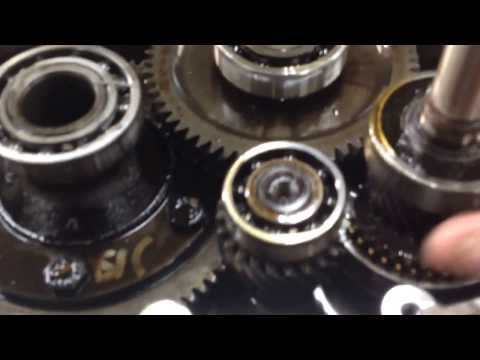
Benefits of Professional Help
Seeking professional help for your golf cart transmission repairs offers several advantages:
- Expert Diagnosis: Professionals can accurately diagnose problems that may not be apparent to the untrained eye.
- Quality Parts: Technicians typically have access to high-quality replacement parts, ensuring better performance.
- Warranty Protection: Many repair shops offer warranties on their work, providing peace of mind.
- Time-Saving: Professional repairs can save you time and effort, allowing you to enjoy your golf cart sooner.
When faced with transmission issues, remember that early intervention can save you time and money in the long run. Taking proactive steps by consulting a professional ensures your golf cart remains in optimal condition, allowing for a smooth and enjoyable ride on the greens.
We’d love to hear your thoughts and questions about the Golf Cart Transmission Repair Guide! Your insights and inquiries not only enrich our community but also help others who may be navigating similar challenges. Please feel free to share your experiences or seek clarification in the comments below; your voice matters and can make a difference!
Leave a Reply