
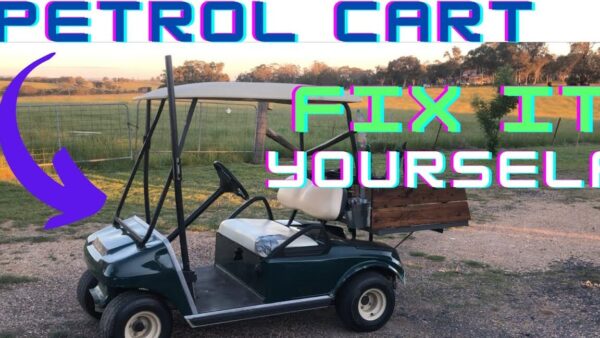
This article explores the challenges associated with resolving golf cart starter issues, offering insights into common problems and practical solutions. Readers will discover effective strategies for diagnosing golf cart starter difficulties, ensuring their vehicles operate smoothly. Whether you're dealing with electrical failures or mechanical malfunctions, this guide provides valuable information for addressing golf cart starter complications efficiently.
Common Symptoms of Golf Cart Starter Issues
When experiencing difficulties with your golf cart, recognizing the common symptoms associated with starter issues can significantly aid in troubleshooting. Identifying these signs early can prevent further complications and ensure a smoother ride. Here are the typical symptoms to watch for:
1. Inconsistent Starting
If your golf cart is often slow to start or fails to start altogether, this may indicate starter problems. The motor might engage intermittently, leading to frustration during your rounds.
2. Clicking Noise
Hearing a rapid clicking sound when attempting to start the cart usually points to insufficient power reaching the starter. This could be due to a weak battery or corroded connections that impede electrical flow.
3. Dim Dashboard Lights
When you turn the key and notice that the dashboard lights are dim or flickering, it may signal that the starter is drawing too much current or that the battery is failing. This symptom is a crucial indicator that demands immediate attention.
4. Unusual Burning Smell
A burning odor while trying to start your golf cart can be alarming. This may suggest that the starter motor is overheating, potentially due to a short circuit or electrical malfunction. Ignoring this symptom could lead to more severe damage.
5. Unresponsive Throttle
If the throttle does not respond when the starter engages, it could indicate that the starter is not functioning correctly. This symptom may also accompany other electrical issues within the golf cart, warranting a thorough inspection.
Common Causes of These Symptoms
Understanding the underlying causes of these symptoms can assist in diagnosing the issue effectively:
- Battery Problems: A dead or weak battery is often the primary cause of starter issues.
- Wiring Issues: Frayed or corroded wires can disrupt the electrical connection needed for starting.
- Faulty Starter Relay: A malfunctioning relay may prevent the starter from receiving the necessary signals to engage.
- Starter Motor Failure: Over time, the starter motor itself may wear out, leading to starting difficulties.
By being vigilant and aware of these symptoms, you can more effectively troubleshoot golf cart starter problems, ensuring a reliable and enjoyable golfing experience.
Step-by-Step Guide to Diagnose Golf Cart Starter Problems
Diagnosing golf cart starter problems can be a straightforward process if you follow a systematic approach. This guide will help you identify common issues with your golf cart's starter and provide actionable steps to resolve them.
1. Gather Your Tools
Before diving into the diagnosis, make sure you have the following tools ready:
- Multimeter: For testing voltage and continuity.
- Screwdriver Set: To access various components.
- Wrench Set: For loosening and tightening connections.
- Battery Tester: To check the health of your battery.
2. Check the Battery
The first step in troubleshooting golf cart starter issues is to ensure the battery is functioning correctly. Follow these steps:
- Inspect for any visible corrosion on battery terminals.
- Use a multimeter to check the voltage. A healthy battery should read between 12.4 to 12.7 volts.
- If the voltage is low, consider charging the battery or replacing it if it’s old.
3. Examine the Starter Connections
Loose or corroded connections can lead to starter failure. To check the connections:
- Locate the starter motor and inspect all wires for any signs of damage.
- Tighten any loose connections to ensure a secure fit.
- Clean any corroded terminals with a wire brush to improve conductivity.
4. Test the Starter Motor
If the battery and connections are in good condition, the next step is to test the starter motor:
- Disconnect the starter motor from the battery and ignition system.
- Use a multimeter to check for continuity. A reading of zero ohms indicates a good starter.
- If there’s no continuity, the starter motor may need to be replaced.
5. Check the Solenoid
The solenoid is crucial for engaging the starter motor. To test it:
- Locate the solenoid, usually mounted near the battery.
- With the multimeter, check for voltage at the input terminal while turning the key. You should see a reading if the solenoid is functioning.
- If there’s no voltage, the solenoid may need replacement.
6. Inspect the Ignition Switch
A faulty ignition switch can prevent the starter from receiving power. To check the ignition switch:
- Access the ignition switch and ensure all connections are secure.
- Use the multimeter to test for voltage output when the key is turned.
- If there is no output, consider replacing the ignition switch.
7. Final Checks
After testing all components, it’s important to do a final check:
- Reassemble any parts you disassembled during the process.
- Reconnect the battery and test the starter again.
- If problems persist, it may be beneficial to consult a professional for further diagnosis.
By following these steps, you can effectively diagnose and address common issues related to golf cart starters, ensuring your vehicle is ready for the course. Remember, regular maintenance can prevent many starter problems from occurring in the first place.
Essential Tools for Troubleshooting Golf Cart Starters
When faced with issues related to your golf cart starter, having the right tools on hand can make all the difference. Here’s a guide to essential equipment that will aid in diagnosing and resolving common golf cart starter problems effectively.
1. Multimeter
A multimeter is a vital tool for measuring voltage, current, and resistance in your golf cart's electrical system. It helps in determining whether your starter is receiving the appropriate voltage from the battery.
- Voltage Testing: Check if the starter is getting sufficient voltage.
- Resistance Measurements: Identify any short circuits or open circuits within the starter system.
2. Battery Tester
A battery tester is essential for assessing the health of your golf cart's battery. It ensures that the battery is not the source of the starting issue.
- Load Testing: Simulates the battery's performance under load to identify weak cells.
- State of Charge: Provides an accurate reading of the battery's current charge level.
3. Socket Set
A comprehensive socket set is crucial for accessing and removing the starter motor and related components.
- Sizes: Ensure you have both standard and metric sizes to accommodate various fasteners.
- Ratchet Wrench: Makes it easier to work in tight spaces around the engine compartment.
4. Screwdrivers
A set of screwdrivers, including flathead and Phillips, is necessary for loosening or tightening screws that secure the starter assembly.
- Magnetic Tip: Helps retrieve screws that may fall into hard-to-reach areas.
- Variety: Different sizes to fit various screws in the starter assembly.
5. Wire Brush
A wire brush is useful for cleaning corroded battery terminals and electrical connections, which can hinder starter performance.
- Corrosion Removal: Helps restore good electrical contact.
- Maintenance: Regular cleaning prevents buildup that can lead to starter issues.
6. Jump Starter
A portable jump starter can be a lifesaver when your golf cart won’t start due to a dead battery.
- Quick Boost: Provides immediate power to get your cart running.
- Safety Features: Look for models with reverse polarity protection to prevent accidental damage.
By utilizing these essential tools, you can effectively diagnose and troubleshoot golf cart starter problems, ensuring that you spend more time on the course and less time dealing with mechanical issues.
Preventative Maintenance Tips to Avoid Starter Problems
Maintaining your golf cart's starter is crucial for ensuring its reliable performance. Here are some effective tips to help you prevent starter issues and keep your cart running smoothly.
Regular Battery Checks
Ensuring your battery is in optimal condition is the first step in avoiding starter problems. Regularly check the following:
- Battery Voltage: Use a multimeter to check if your battery voltage is within the recommended range (typically around 12.6 volts when fully charged).
- Corrosion Removal: Clean any corrosion from battery terminals using a mixture of baking soda and water to prevent poor connections.
- Battery Age: Replace batteries that are older than 3-5 years, as older batteries may not hold a charge effectively.
Inspect Electrical Connections
Loose or damaged electrical connections can lead to starter malfunctions. Regular inspections should include:
- Wiring Condition: Look for frayed or damaged wires that could cause electrical shorts or interruptions.
- Tightening Connections: Ensure that all connections are secure and tight to prevent any loss of power.
- Connector Quality: Replace any connectors that show signs of wear or corrosion.
Routine Starter Testing
Testing your starter can help you identify potential issues before they become serious. Consider the following:
- Bench Testing: Remove the starter and test it on a bench to check its functionality. A local auto parts store may offer this service.
- Voltage Drop Test: Perform a voltage drop test while starting the golf cart to ensure that sufficient power is reaching the starter.
Regular Maintenance of the Ignition System
The ignition system plays a critical role in starter performance. Keep it well-maintained by:
- Checking Spark Plugs: Inspect and replace spark plugs as needed to ensure efficient ignition.
- Ignition Timing: Verify that the ignition timing is set correctly, as improper timing can lead to starter strain.
By following these preventative maintenance tips, you can effectively minimize the risk of encountering starter problems and ensure your golf cart remains reliable for all your golfing adventures.
When to Seek Professional Help for Golf Cart Starter Repairs
Understanding when to consult a professional for golf cart starter repairs can save you time and ensure your vehicle remains in optimal condition. Recognizing the signs that indicate a need for expert assistance is essential for maintaining your golf cart's performance and longevity.
Signs Indicating Professional Assistance is Required
When troubleshooting golf cart starter issues, certain indicators suggest that it's time to reach out to a qualified technician. Look for the following signs:
- Persistent Starting Problems: If your golf cart consistently struggles to start despite your attempts to troubleshoot, this is a clear sign that professional help may be necessary.
- Unusual Noises: Strange sounds such as clicking or grinding when attempting to start the cart can indicate serious starter motor issues that require expert diagnosis.
- Battery Issues: If you've ruled out the battery as the source of the problem, but the cart still won't start, it may be time to consult a professional for deeper electrical system evaluations.
- Burning Smell: A burning odor when trying to start your golf cart is a critical warning sign that indicates potential damage and should be addressed immediately by a professional.
- Frequent Starter Replacement: If you've replaced the starter multiple times in a short period, this may point to an underlying issue that needs professional assessment.
Benefits of Professional Golf Cart Starter Repairs
Engaging a professional for golf cart starter repairs comes with several advantages:
- Expert Diagnosis: Professionals possess the expertise to accurately diagnose complex issues that may not be evident to the average golf cart owner.
- Quality Repairs: Certified technicians use high-quality parts and tools, ensuring that repairs are both effective and long-lasting.
- Time Efficiency: Professionals can quickly identify and fix problems, saving you valuable time and reducing the risk of further damage.
- Warranty Protection: Many repair services offer warranties on their work, providing peace of mind that your investment is protected.

Choosing the Right Professional Service
Selecting a qualified professional for golf cart starter repairs is crucial. Consider the following factors when making your choice:
- Experience and Specialization: Look for technicians who specialize in golf cart repairs and have a proven track record.
- Customer Reviews: Check online reviews and testimonials to gauge the satisfaction level of previous clients.
- Service Offerings: Ensure the service includes a comprehensive inspection of related systems, not just the starter.
- Cost Transparency: A reputable technician should provide clear estimates and explanations of potential costs involved in repairs.
Being proactive about seeking professional help for golf cart starter repairs not only enhances your cart's reliability but also ensures that you can enjoy a smooth and hassle-free golfing experience. Recognizing the signs of trouble and knowing when to call in the experts is key to maintaining the performance of your golf cart.
We would love to hear your thoughts and questions about troubleshooting golf cart starter problems! Your insights and experiences can greatly enrich our community, and together, we can tackle any challenges you may be facing. Please feel free to share your opinions or inquiries in the comments below—your voice matters, and we’re here to support you on your golfing journey!
Leave a Reply