
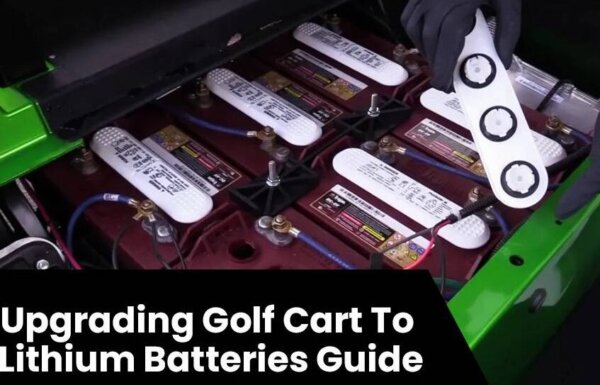
This article explores the advantages of enhancing golf carts with lithium battery systems and provides a comprehensive installation guide for transitioning to lithium batteries in golf carts. Readers will discover the key benefits of making this switch, including improved performance, longer lifespan, and reduced maintenance. Additionally, step-by-step instructions will be outlined to facilitate a smooth upgrade process.
Benefits of Upgrading to Lithium Batteries for Golf Carts
Upgrading to lithium batteries for golf carts presents numerous advantages that enhance both performance and user experience. Here are some key benefits that can transform your golfing experience.
Enhanced Performance and Efficiency
Lithium batteries provide a significant boost in performance compared to traditional lead-acid batteries. Here are some specific advantages:
- Higher Energy Density: Lithium batteries offer more energy in a smaller package, allowing for lighter weight and better maneuverability.
- Improved Range: With a higher charge capacity, lithium batteries can power your golf cart for longer distances, reducing the need for frequent recharging.
- Fast Charging: Many lithium batteries can be charged in a fraction of the time it takes to charge lead-acid batteries, enabling you to get back on the course quicker.
Cost-Effectiveness Over Time
While the initial investment in lithium batteries may be higher, the long-term savings can be substantial:
- Longer Lifespan: Lithium batteries typically last 5-10 years, significantly outlasting lead-acid batteries, which usually last 3-5 years.
- Reduced Maintenance Costs: Lithium batteries require minimal maintenance, leading to lower overall upkeep costs.
- Energy Efficiency: The higher efficiency of lithium batteries means less energy is wasted, translating to lower electricity costs for charging.
Environmental Benefits
Switching to lithium batteries can also have a positive impact on the environment:
- Recyclability: Lithium batteries are more environmentally friendly, as they can be recycled more efficiently than lead-acid batteries.
- Reduced Toxicity: Lithium batteries contain fewer harmful substances, reducing the environmental impact when disposed of.
Improved User Experience
The upgrade to lithium batteries not only enhances performance but also elevates the overall user experience:
- Quieter Operation: Lithium batteries operate more quietly than traditional batteries, providing a more enjoyable ride on the golf course.
- Consistent Power Output: Unlike lead-acid batteries, which can lose power as they discharge, lithium batteries maintain consistent performance throughout their charge cycle.
Upgrading to lithium batteries for golf carts offers a combination of enhanced performance, cost savings, environmental benefits, and improved user experience, making it a smart choice for avid golfers and casual users alike.
How Lithium Batteries Improve Golf Cart Performance
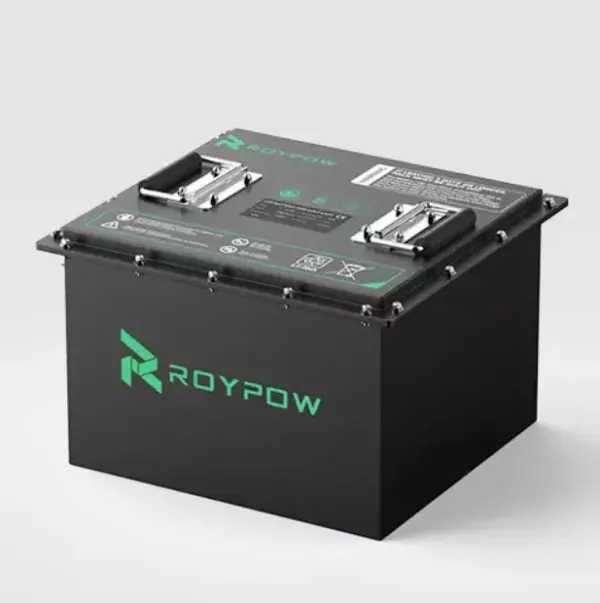
When considering the enhancement of golf cart performance, upgrading to lithium batteries offers significant advantages over traditional lead-acid options. These benefits not only improve efficiency but also enhance the overall experience of using a golf cart.
Enhanced Energy Efficiency
Lithium batteries are renowned for their superior energy efficiency. They can deliver up to 90% of their stored energy compared to just 60% for lead-acid batteries. This increased efficiency translates into longer driving ranges, allowing golfers to traverse the course without the worry of running out of power mid-game.
- Higher capacity: Lithium batteries typically have a higher amp-hour (Ah) rating, providing more power for extended use.
- Faster charging: They can charge in a fraction of the time it takes for lead-acid batteries, often within 2 to 4 hours.
Weight Reduction and Performance
One of the standout features of lithium batteries is their lightweight design. Weighing significantly less than lead-acid counterparts, they reduce the overall weight of the golf cart, resulting in improved acceleration and handling.
Impact on Speed and Maneuverability
A lighter cart allows for:
- Improved speed: Less weight means faster acceleration and higher top speeds.
- Better handling: Enhanced maneuverability on the course leads to a more enjoyable golfing experience.
Longer Lifespan and Cost Efficiency
Investing in lithium batteries can be more cost-effective in the long run due to their extended lifespan. While lead-acid batteries typically last around 3 to 5 years, lithium batteries can last up to 10 years or more with proper maintenance.
- Reduced replacement frequency: Fewer replacements mean lower long-term costs.
- Less maintenance: Lithium batteries require minimal upkeep compared to lead-acid options.
Consistent Power Output
Lithium batteries provide a stable power output throughout their discharge cycle. Unlike lead-acid batteries, which experience a voltage drop as they deplete, lithium batteries maintain consistent performance until they reach their end-of-life threshold. This feature ensures that golfers can rely on their carts to perform optimally throughout the entire round.
By upgrading to lithium batteries for golf carts, users can experience enhanced performance, greater efficiency, and significant cost savings over time, making them a wise investment for avid golfers.
Cost Analysis: Upgrading to Lithium Batteries for Golf Carts

Upgrading to lithium batteries for golf carts can significantly impact both short-term and long-term expenses. Understanding the financial implications is essential for making an informed decision. This analysis will break down the costs associated with this transition and provide a clear picture of potential savings.
Initial Investment
When considering the switch to lithium batteries, the initial cost is a primary factor. Here’s a breakdown of typical costs:
- Lithium Battery Pack: The average cost of a lithium battery pack for a golf cart ranges from $1,500 to $3,000, depending on the brand and capacity.
- Installation Fees: Professional installation can add an additional $200 to $500 to your total expenses.
- Upgrading Accessories: You may need to invest in new chargers or accessories, which can range from $100 to $300.
Operational Costs
Lithium batteries are known for their efficiency and lower maintenance needs, which can lead to reduced operational costs over time. Consider the following:
- Charging Efficiency: Lithium batteries typically charge faster and require less energy, translating to lower electricity costs. Expect to save approximately 30% on charging expenses compared to traditional lead-acid batteries.
- Maintenance: Unlike lead-acid batteries, lithium batteries do not require regular water refilling or equalization, resulting in lower maintenance costs.
Longevity and Replacement Costs
The lifespan of lithium batteries is a crucial factor in the overall cost analysis.
- Lifespan: Lithium batteries can last 5 to 10 years or more, while lead-acid batteries typically last 3 to 5 years.
- Replacement Frequency: The longer lifespan means fewer replacements, leading to overall cost savings. For example, if you replace lead-acid batteries every 4 years, you may need to purchase two sets during the lifespan of a single lithium battery.
Resale Value
Investing in lithium batteries can also enhance the resale value of your golf cart.
- Increased Demand: As more users recognize the benefits of lithium technology, golf carts equipped with lithium batteries may command a higher resale price.
- Market Trends: The growing trend towards electric and efficient vehicles indicates that lithium-equipped carts will likely be more appealing to potential buyers.
Return on Investment (ROI)
Calculating the ROI on upgrading to lithium batteries is essential for assessing the financial viability of the decision.
- Payback Period: With the savings on operational costs and reduced maintenance, many users find that they recoup their initial investment within 2 to 4 years.
- Long-Term Savings: Over the lifespan of the battery, total savings can exceed $2,000 when factoring in lower replacement and maintenance costs.
Evaluating the cost implications of switching to lithium batteries for golf carts is vital for making a financially sound decision. By considering the initial investment, operational costs, longevity, and potential resale value, you can better understand the long-term benefits of this upgrade.
Step-by-Step Guide to Upgrading Your Golf Cart to Lithium Batteries
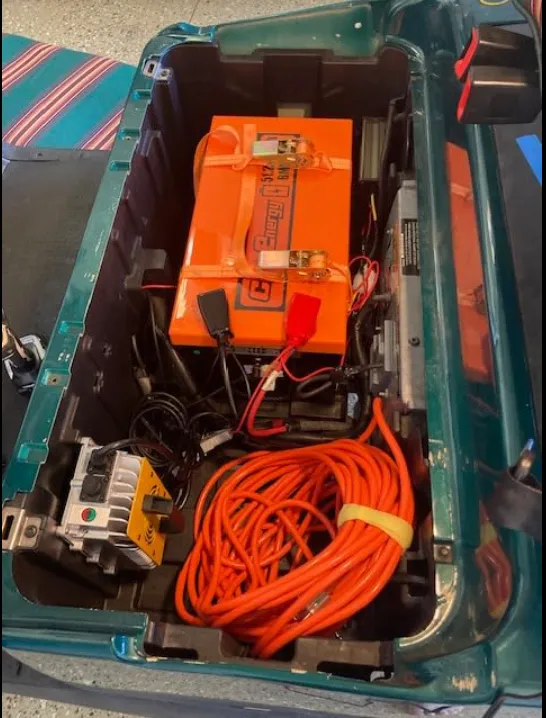
Upgrading your golf cart to lithium batteries can significantly enhance its performance and longevity. This guide will walk you through the process, ensuring you have a seamless transition from traditional lead-acid batteries to more efficient lithium options.
1. Assess Your Current Battery Setup
Before making any changes, evaluate your existing battery system. This includes:
- Battery Type: Identify if you are currently using lead-acid, AGM, or gel batteries.
- Battery Configuration: Note the number of batteries and their voltage ratings.
- Space Requirements: Check the physical space available in your golf cart for new batteries.
2. Choose the Right Lithium Battery
Selecting the appropriate lithium battery is crucial for optimal performance. Consider the following options:
- Voltage Compatibility: Ensure the lithium battery matches your golf cart's voltage requirements (typically 36V or 48V).
- Capacity: Look for batteries with sufficient amp-hours (Ah) to meet your usage needs, such as the Battle Born 100Ah lithium battery priced around $949.
- Weight: Lithium batteries are lighter than lead-acid, so check weight specifications to optimize your cart’s handling.
3. Gather Necessary Tools and Materials
Having the right tools and materials will make the installation process smoother. You will need:
- Tools: Wrenches, screwdrivers, and a multimeter for electrical testing.
- Materials: New lithium batteries, battery management system (BMS), and connectors.
4. Remove Old Batteries
Carefully remove the existing batteries to prepare for the new installation:
- Safety First: Disconnect the golf cart from any power source and wear protective gear.
- Disconnect Wiring: Take note of the wiring configuration for reinstallation.
- Remove Batteries: Lift out the old batteries, ensuring not to damage the battery compartment.
5. Install Lithium Batteries
Now, it’s time to install your new lithium batteries:
- Position Batteries: Place the lithium batteries in the designated compartment, ensuring a secure fit.
- Connect Wiring: Refer to your notes from the previous step to connect the wiring accurately.
- Install BMS: If applicable, install the battery management system to monitor battery health.
6. Testing and Calibration
After installation, it’s essential to test your new battery system:
- Check Connections: Ensure all connections are tight and secure.
- Test Voltage: Use a multimeter to verify the voltage output is correct.
- Conduct a Test Drive: Take the golf cart for a short drive to assess performance and responsiveness.
7. Maintenance Tips
To maximize the lifespan of your lithium batteries, follow these maintenance tips:
- Regular Monitoring: Keep an eye on the battery voltage and capacity using a BMS or multimeter.
- Keep Clean: Regularly clean the battery terminals and surrounding area to prevent corrosion.
- Charge Properly: Use a lithium-compatible charger to ensure efficient charging and longevity.
Upgrading your golf cart to lithium batteries can transform your riding experience, providing greater efficiency and reduced maintenance. Following these steps will help you navigate the process with ease and confidence.
Maintenance Tips for Lithium Batteries in Golf Carts
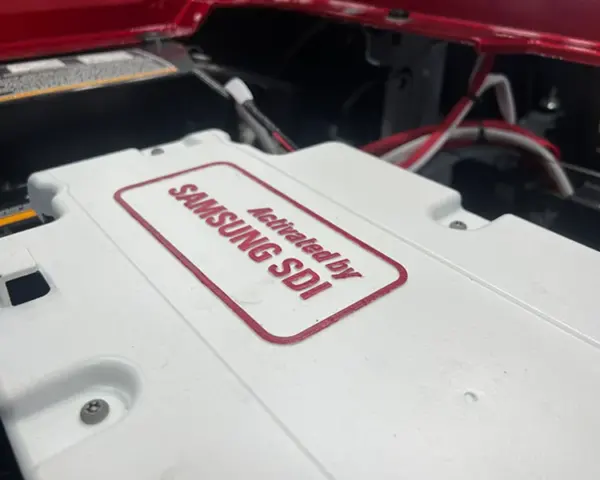
Maintaining lithium batteries in golf carts is essential for maximizing their lifespan and ensuring optimal performance. Here are some specific tips to help you care for your lithium batteries effectively.
Regular Charging Practices
- Charge Consistently: Lithium batteries do not have a memory effect, so it’s beneficial to charge them regularly. Aim to recharge after every use, even if the battery isn't fully depleted. This helps maintain a healthy charge cycle.
- Avoid Deep Discharge: Try to keep the battery charge between 20% and 80%. Deep discharging can lead to reduced capacity and longevity.
Temperature Management
- Optimal Operating Temperature: Keep your golf cart in a temperature-controlled environment. Lithium batteries perform best between 32°F and 113°F (0°C and 45°C). Extreme temperatures can negatively impact battery life.
- Ventilation: Ensure proper ventilation around the battery compartment. This helps dissipate heat generated during charging and usage.
Cleaning and Inspection
- Regular Cleaning: Dust and debris can accumulate on battery terminals and connections. Use a damp cloth to clean these areas and prevent corrosion, which can hinder performance.
- Inspect Connections: Regularly check for loose or damaged connections. Tighten any loose terminals and replace corroded or frayed wires promptly.
Storage Tips
- Store at Partial Charge: If you plan to store your golf cart for an extended period, ensure the lithium battery is charged to around 50%. This helps maintain battery health during inactivity.
- Avoid Extreme Conditions: Store your golf cart in a dry, temperate environment. Avoid locations with high humidity or extreme temperatures.

Monitoring Battery Health
- Use a Battery Management System (BMS): A BMS can help monitor voltage, temperature, and state of charge. This system provides alerts for any irregularities, helping to prevent damage.
- Check Voltage Levels: Regularly monitor the voltage levels of the battery. Keeping track of these levels can help you identify any potential issues early.
By following these maintenance tips, you can ensure that your lithium batteries continue to perform at their best, enhancing your overall golf cart experience. Remember, investing time in proper care will lead to longer-lasting and more reliable battery performance.
We’d love to hear your thoughts and questions about upgrading to lithium batteries for golf carts! Your insights and inquiries can spark valuable discussions and help others in the community make informed decisions. Please feel free to share your opinions in the comments—together, we can explore the benefits and possibilities that come with this exciting upgrade!
Leave a Reply