
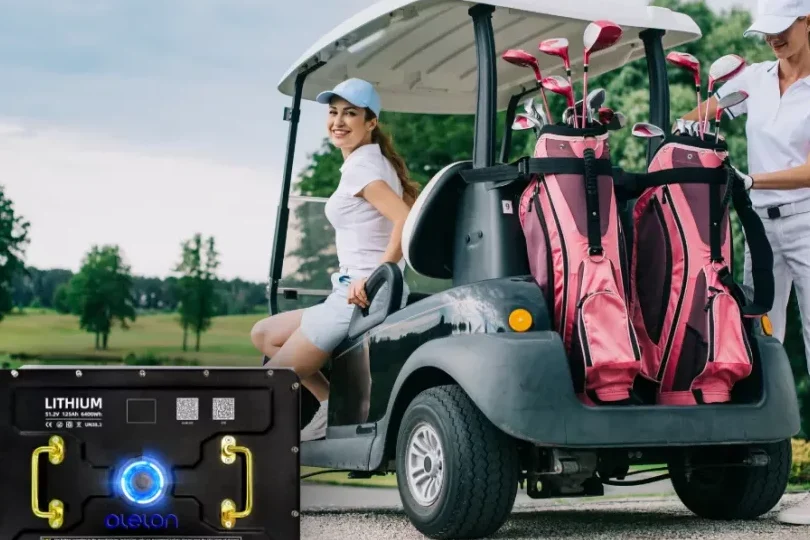
This article explores essential golf cart battery charging techniques that can significantly enhance performance and extend the lifespan of your batteries. You'll discover valuable insights on maintaining optimal charging routines, tips for avoiding common pitfalls, and recommendations for the best equipment to use. By following these best methods for charging golf cart batteries, you can ensure your cart operates efficiently for years to come.
- Understanding Golf Cart Battery Types for Optimal Charging
- Essential Tools and Equipment for Efficient Golf Cart Battery Charging
- Step-by-Step Guide to Properly Charge Your Golf Cart Battery
- Common Mistakes to Avoid When Charging Golf Cart Batteries
- Maintenance Tips to Extend the Life of Your Golf Cart Battery
Understanding Golf Cart Battery Types for Optimal Charging
When it comes to maximizing the performance and longevity of your golf cart, understanding the various battery types is crucial. Different batteries have unique charging requirements, which can significantly impact their efficiency and lifespan. Here, we delve into the primary battery types used in golf carts and their optimal charging practices.
Types of Golf Cart Batteries
Golf carts typically use three main types of batteries:
- Lead-Acid Batteries
- AGM (Absorbent Glass Mat) Batteries
- Lithium-Ion Batteries
Lead-Acid Batteries
Lead-acid batteries are the most common type found in golf carts. They are cost-effective and reliable but require specific charging methods to ensure optimal performance. Here are key considerations:
- Charging Voltage: Ensure your charger is set to the appropriate voltage (typically 36V or 48V depending on your cart).
- Charging Time: Allow for a full charge, usually between 8 to 12 hours, to prevent sulfation and extend battery life.
- Maintenance: Regularly check water levels and keep terminals clean for efficient charging.
AGM Batteries
AGM batteries are a step up from traditional lead-acid batteries, offering better performance and lower maintenance. Their charging needs include:
- Charging Current: AGM batteries require a lower charging current to avoid overheating. A charger with an automatic shut-off feature can help manage this.
- Float Charge: Use a float charger to maintain the battery’s charge without overcharging, especially during periods of inactivity.
Lithium-Ion Batteries
Lithium-ion batteries are becoming increasingly popular in golf carts due to their lightweight design and longevity. Their charging practices differ significantly:
- Fast Charging: Lithium-ion batteries can handle faster charging rates, typically taking 4 to 6 hours for a full charge.
- Battery Management System (BMS): Ensure your battery has a built-in BMS to regulate charging and prevent overcharging, which can damage the battery.
Best Practices for Charging Golf Cart Batteries
To enhance the performance and lifespan of your golf cart batteries, adhere to the following best practices:
- Charge Regularly: Avoid letting batteries discharge completely. Regular charging helps maintain optimal health.
- Use the Right Charger: Always use a charger compatible with your battery type to prevent damage and ensure efficient charging.
- Monitor Temperature: Keep an eye on battery temperature during charging. Excess heat can reduce battery lifespan.
- Check Connections: Ensure all connections are tight and corrosion-free to facilitate effective charging.
Understanding the specific requirements of your golf cart battery type is essential for optimal charging and performance. By following these guidelines, you can enhance your battery's efficiency and prolong its lifespan, ensuring your golf cart remains a reliable companion on the course.
Essential Tools and Equipment for Efficient Golf Cart Battery Charging
When it comes to maintaining your golf cart's battery health and ensuring optimal performance, having the right tools and equipment is crucial. Here, we explore the essential items that can make your battery charging process more efficient and effective.
1. Quality Battery Charger
A reliable battery charger is the cornerstone of efficient golf cart battery charging. Look for a charger that is specifically designed for golf cart batteries, ideally with the following features:
- Automatic Shut-Off: Prevents overcharging by automatically turning off when the battery is fully charged.
- Smart Charging Technology: Adjusts the charging rate based on the battery's condition.
- Compatibility: Ensure the charger is suitable for your battery type, whether it's lead-acid or lithium-ion.
2. Battery Hydrometer
A battery hydrometer is an essential tool for checking the specific gravity of the electrolyte in lead-acid batteries. This tool helps you assess the state of charge and health of the battery, allowing for timely interventions if needed.
- Easy to Use: Simply insert the hydrometer into the battery cell and read the measurement.
- Cost-Effective: An affordable tool that can save you from costly battery replacements.
3. Multimeter
A multimeter is invaluable for diagnosing battery issues. It can measure voltage, current, and resistance, providing insights into the battery's overall health.
- Voltage Testing: Helps ensure that the battery is charging correctly.
- Preventive Maintenance: Identify potential problems before they escalate, ensuring longevity.
4. Battery Terminal Cleaner
Keeping battery terminals clean is vital for efficient charging. A battery terminal cleaner helps remove corrosion and buildup that can impede electrical flow.
- Improved Connectivity: Ensures a strong connection between the battery and charger.
- Longer Battery Life: Reduces wear and tear on battery terminals, promoting overall battery health.
5. Battery Box or Storage Case
For those who transport their golf carts or store batteries in varying conditions, a battery box or storage case can protect against physical damage and environmental factors.
- Durable Construction: Look for cases made from high-quality, weather-resistant materials.
- Portability: Make it easier to move batteries safely when necessary.
6. Safety Gear
While charging golf cart batteries, safety should always come first. Equip yourself with the following safety gear:
- Safety Goggles: Protect your eyes from battery acid and sparks.
- Gloves: Use insulated gloves to prevent electrical shock and protect against corrosive materials.
By equipping yourself with these essential tools and equipment, you can ensure that your golf cart battery charging process is efficient, safe, and conducive to the longevity of your battery. Adhering to these practices will enhance your golf cart's performance and reliability on the course.
Step-by-Step Guide to Properly Charge Your Golf Cart Battery
Charging your golf cart battery correctly is essential for maintaining its performance and extending its lifespan. This guide provides a clear, systematic approach to ensure you’re getting the most out of your golf cart battery charging routine.
Step 1: Gather Necessary Equipment
Before you start charging, make sure you have the following items ready:
- Charger: Use a charger specifically designed for your golf cart battery type (Lead-Acid or Lithium-Ion).
- Safety Gear: Wear gloves and goggles to protect yourself from any potential acid spills.
- Multimeter: To check battery voltage and ensure proper charging levels.
Step 2: Prepare the Charging Area
Choose a well-ventilated area away from flammable materials. Ensure the ground is dry to avoid any electrical hazards.
Step 3: Inspect the Battery
Before connecting the charger, check the battery for any signs of damage, corrosion, or leaks. Ensure the terminals are clean and free from any buildup.
Cleaning the Terminals
If you notice corrosion, follow these steps:
- Disconnect the battery cables, starting with the negative terminal.
- Use a mixture of baking soda and water to scrub the terminals gently.
- Rinse with clean water and dry thoroughly before reconnecting.
Step 4: Connect the Charger
1. Ensure the charger is unplugged before connecting it to the battery.
2. Connect the positive (+) lead from the charger to the positive terminal on the battery.
3. Connect the negative (-) lead from the charger to the negative terminal on the battery.
4. Double-check all connections to ensure they are secure.
Step 5: Start Charging
Plug in the charger and turn it on. Monitor the charging process, and refer to the charger’s manual for specific indicators of charging status.
Step 6: Monitor Charging Time
The charging time can vary based on the battery type and charger specifications. Typically, a full charge for a lead-acid battery takes 8-12 hours, while lithium-ion batteries may require less time.
Step 7: Disconnect the Charger
Once charging is complete, follow these steps:
1. Unplug the charger from the power source.
2. Disconnect the negative (-) lead first, followed by the positive (+) lead.
3. Store the charger in a safe place for future use.
Step 8: Perform a Voltage Check
After charging, use a multimeter to check the voltage of the battery. A fully charged lead-acid battery should read around 12.6 volts or higher, while lithium-ion batteries should show a voltage close to their rated capacity.
Step 9: Regular Maintenance
To ensure your golf cart battery remains in optimal condition, perform regular maintenance:
- Check water levels in lead-acid batteries monthly.
- Clean terminals regularly to prevent corrosion.
- Inspect connections for tightness and integrity.
By following this step-by-step guide, you can ensure that your golf cart battery is charged properly, enhancing its performance and longevity. Adopting these golf cart battery charging best practices will keep your cart ready for all your golfing adventures.
Common Mistakes to Avoid When Charging Golf Cart Batteries
Charging golf cart batteries correctly is crucial for their longevity and performance. Here are some common pitfalls to steer clear of to ensure your batteries remain in optimal condition.
Neglecting to Check Water Levels
One of the most frequent mistakes is failing to check the water levels in lead-acid batteries before charging. Low water levels can lead to overheating and damage. Always ensure that the electrolyte covers the plates before starting the charging process. If necessary, add distilled water to maintain the appropriate levels.
Using the Wrong Charger
Utilizing an incorrect charger can significantly impact battery health. Ensure that the charger is compatible with your specific battery type, whether it's a lead-acid or lithium-ion. For instance, using a charger designed for 6-volt batteries on an 8-volt system can cause inadequate charging or battery damage.
Overcharging Batteries
Overcharging is another critical mistake. Continuously charging your golf cart batteries beyond the recommended time can lead to overheating and reduced lifespan. Consider using a smart charger that automatically shuts off when the batteries are fully charged, preventing overcharging.
Charging at Inappropriate Temperatures
Temperature plays a vital role in battery performance. Charging batteries in extreme heat or cold can impair their ability to hold a charge. Aim to charge your golf cart batteries in a climate-controlled environment, ideally between 50°F and 85°F.
Ignoring Maintenance Checks
Regular maintenance checks can help identify potential issues before they escalate. Inspect connections for corrosion, ensure terminals are clean, and look for any signs of wear. Neglecting these checks can lead to inefficient charging and shortened battery life.
Charging Too Frequently
Frequent charging without allowing the batteries to fully discharge can lead to a phenomenon known as "battery memory." This can result in a reduced capacity over time. Ideally, allow your batteries to discharge to about 50% before recharging them to maintain optimal performance.
Failing to Monitor Charging Times
Another mistake is not keeping track of charging durations. Each battery type has specific charging requirements, and exceeding these can be detrimental. For example, a typical lead-acid battery may take 6-8 hours to charge fully, while lithium-ion batteries often require less time. Always consult the manufacturer’s guidelines for specific charging recommendations.
By avoiding these common mistakes, you can ensure that your golf cart batteries charge efficiently and maintain their performance and longevity.
Maintenance Tips to Extend the Life of Your Golf Cart Battery
To ensure your golf cart battery operates efficiently and lasts as long as possible, it's essential to implement effective maintenance practices. Here are some targeted tips that can help enhance the longevity of your golf cart battery.
Regular Cleaning
Keeping your battery clean is crucial for optimal performance. Dirt and corrosion can lead to poor connections and reduced efficiency.
- Inspect terminals: Check for corrosion on battery terminals and clean them using a mixture of baking soda and water.
- Wipe down surfaces: Use a damp cloth to remove dust and debris from the battery casing to prevent buildup.
Proper Water Levels
Maintaining the correct water levels in lead-acid batteries is vital for their performance.
- Check regularly: Inspect the water levels every month, especially in warmer climates where evaporation is more likely.
- Use distilled water: Always top off your batteries with distilled water to prevent mineral buildup.
Temperature Management
Extreme temperatures can adversely affect battery performance and lifespan.
- Avoid extreme heat: Store your golf cart in a shaded area or a garage to minimize exposure to high temperatures.
- Protect from cold: In colder months, consider using battery blankets to keep your battery warm during storage.
Monitor Charging Practices
Implementing proper charging habits can significantly impact the overall health of your golf cart battery.
- Avoid deep discharges: Try not to let your battery drop below 50% charge to prevent damage.
- Use a quality charger: Invest in a smart charger that prevents overcharging and optimizes charging cycles.

Regular Usage
Frequent use of your golf cart can help maintain battery health.
- Take it for a spin: Regularly driving your golf cart can help keep the battery charged and in good condition.
- Schedule periodic checks: If your golf cart is not used often, perform routine checks on battery health to catch any issues early.
By integrating these practices into your maintenance routine, you can significantly enhance the performance and lifespan of your golf cart battery, ensuring many enjoyable rounds ahead.
We truly value your insights and experiences, and we invite you to share your thoughts or questions about Golf Cart Battery Charging Best Practices in the comments below. Your perspective can not only enrich our discussion but also help fellow enthusiasts optimize their charging routines. Whether you have tried-and-true methods or are curious about best practices, your contribution is welcomed and appreciated!
Leave a Reply