
This article offers valuable insights into maximizing your golf cart's battery longevity through effective tips and techniques. Readers will discover practical strategies for enhancing their golf cart power source durability and ensuring optimal performance. By following these guidelines, you can achieve significant battery lifespan improvement and enjoy a more reliable and efficient golfing experience.
- Understanding the Factors Affecting Golf Cart Battery Life
- Top Maintenance Tips for Extending Your Golf Cart Battery Life
- Choosing the Right Battery Type for Longevity in Golf Carts
- Signs That Indicate Your Golf Cart Battery Needs Replacement
- How Proper Charging Practices Can Enhance Golf Cart Battery Life
Understanding the Factors Affecting Golf Cart Battery Life
To enhance your golfing experience, it's essential to understand the various factors that influence the longevity of your golf cart battery. By being aware of these elements, you can implement effective strategies to maximize your golf cart battery life.
Battery Type
The type of battery you choose plays a crucial role in its lifespan. Common types include:
- Lead-Acid Batteries: These are the most traditional and economical options, typically lasting 4 to 6 years with proper care.
- Lithium-Ion Batteries: More modern and efficient, these batteries can last up to 10 years, providing longer life and faster charging times.
Charging Practices
How you charge your golf cart battery significantly impacts its overall life. Consider the following tips:
- Avoid Deep Discharge: Regularly allowing your battery to drop below 50% can shorten its lifespan. Aim to recharge before it reaches this level.
- Use a Smart Charger: Investing in a smart charger can help manage the charging process, ensuring the battery is not overcharged or undercharged.
Environmental Conditions
The environment in which your golf cart operates can also affect battery performance. Factors to consider include:
- Temperature: Extreme heat or cold can degrade battery performance. Ideally, keep your golf cart in a temperature-controlled environment.
- Humidity: High humidity can lead to corrosion and reduce battery efficiency. Ensure proper ventilation around the battery compartment.
Maintenance Routine
Regular maintenance is vital for extending the life of your golf cart battery. Implement these practices:
- Clean Terminals: Regularly check and clean battery terminals to prevent corrosion, which can impede electrical flow.
- Water Levels: For lead-acid batteries, ensure that the water levels are adequate to cover the plates, adding distilled water as necessary.
Usage Patterns
Your usage habits can significantly influence battery longevity. Consider the following:
- Driving Habits: Avoid rapid acceleration and hard braking, as these actions can drain the battery faster.
- Load Weight: Carrying excessive weight can put additional strain on the battery. Aim to keep the load within the manufacturer's recommendations.
By paying attention to these factors, you can take proactive steps to extend your golf cart battery life and enjoy your time on the course without unnecessary interruptions.
Top Maintenance Tips for Extending Your Golf Cart Battery Life
Maintaining your golf cart battery is essential for ensuring its longevity and performance. Here are some effective strategies to help you maximize your golf cart battery life.
Regular Cleaning
Keeping your battery terminals clean is vital for optimal performance. Dirt and corrosion can lead to poor connections and reduce efficiency.
- Use a mixture of baking soda and water to clean the terminals and connectors.
- Scrub gently with a toothbrush to remove corrosion.
- Rinse with clean water and dry thoroughly.
Monitor Water Levels
For lead-acid batteries, maintaining the right water level is crucial.
- Check water levels monthly, especially during hot weather.
- Fill with distilled water to the recommended level, ensuring the plates are covered.
- Do not overfill, as this can cause spillage and damage.
Charge Properly
Proper charging habits can significantly impact battery lifespan.
- Use a quality charger that matches your battery specifications.
- Charge your battery after each use, but avoid overcharging.
- Let the battery cool down before charging if it has been used heavily.
Avoid Deep Discharges
Deep discharging can harm your golf cart battery over time.
- Aim to recharge your battery when it drops to around 50% capacity.
- Using a battery monitor can help you track the state of charge.
Temperature Considerations
Extreme temperatures can affect battery performance and lifespan.
- Store your golf cart in a shaded area or garage to protect it from heat.
- In colder climates, consider using a battery blanket to maintain optimal temperature.
Periodic Testing
Regularly testing your battery can help you catch potential issues early.
- Use a hydrometer to check the specific gravity of the electrolyte solution.
- Conduct load tests annually to ensure the battery is performing well.
Implementing these maintenance tips will not only enhance your golf cart battery's performance but also extend its life, ensuring you enjoy many rounds on the course without interruptions.
Choosing the Right Battery Type for Longevity in Golf Carts
When it comes to ensuring the longevity of your golf cart, selecting the appropriate battery type is crucial. The right battery not only affects performance but also impacts the lifespan and efficiency of your golf cart. Here’s a detailed guide to help you make an informed choice.
Types of Golf Cart Batteries
Understanding the different types of batteries available for golf carts is essential. Here are the most common options:
- Lead-Acid Batteries: The traditional choice, lead-acid batteries are widely used due to their affordability. They come in two types: flooded and sealed (AGM or gel). While they are reliable, they require regular maintenance and may have a shorter lifespan compared to other options.
- Lithium-Ion Batteries: Increasingly popular for their lightweight design and longer lifespan, lithium-ion batteries can last up to 10 years or more. They charge faster and have a higher energy density, making them a great choice for those seeking efficiency.
- Nickel-Metal Hydride (NiMH) Batteries: While less common, NiMH batteries offer a good balance between performance and lifespan. They are more environmentally friendly than lead-acid options but can be pricier and may require specific charging systems.
Factors to Consider for Longevity
When selecting a battery, consider the following factors to maximize your golf cart battery life:
1. Usage Patterns
Understanding how often and for how long you use your golf cart will influence your battery choice. If you use your cart daily for long periods, investing in a lithium-ion battery may provide better long-term benefits.
2. Charging Habits
Proper charging is vital for battery longevity. Lead-acid batteries, for example, should not be fully discharged frequently, while lithium-ion batteries can handle partial discharges better. Always follow the manufacturer's recommendations for charging.
3. Environmental Conditions
Extreme temperatures can affect battery performance and lifespan. If you live in a region with harsh weather conditions, consider batteries designed to withstand such environments, particularly lithium-ion options.
Cost Considerations
While the upfront cost of lithium-ion batteries can be higher—typically ranging from $1,000 to $3,000—they often provide better value over time due to their longevity and lower maintenance needs. In contrast, lead-acid batteries may cost around $800 to $1,500, but their shorter lifespan could lead to more frequent replacements.
Maintenance for Longevity
Regardless of the battery type you choose, regular maintenance is key to maximizing your golf cart battery life. Here are some tips:
- For lead-acid batteries, check water levels regularly and ensure terminals are clean and free of corrosion.
- For lithium-ion batteries, avoid letting them discharge completely and charge them regularly to maintain optimal performance.
- Store your golf cart in a climate-controlled environment to protect the battery from extreme temperatures.
By carefully considering your options and understanding the specifics of each battery type, you can ensure that your golf cart remains reliable and efficient for years to come.
Signs That Indicate Your Golf Cart Battery Needs Replacement
Recognizing when your golf cart battery is on the verge of failure is crucial for maintaining its performance and longevity. Below are key indicators that your battery may require replacement.
1. Diminished Power and Performance
If your golf cart struggles to reach its usual speed or requires more effort to climb hills, it may be a sign that the battery is losing its ability to hold a charge. A well-functioning battery should provide consistent power throughout your rounds.
2. Frequent Charging
If you find yourself needing to charge your golf cart battery more often than usual, this could indicate that the battery is nearing the end of its life cycle. A battery that holds a charge well should allow for several rounds of golf without needing a recharge.
3. Physical Damage or Corrosion
Inspect the battery for any visible signs of damage such as cracks, leaks, or corrosion on the terminals. Corrosion can interfere with the battery's ability to transmit power effectively, and physical damage often signals that it’s time for a replacement.
4. Age of the Battery
Most golf cart batteries have a lifespan of 4 to 6 years. If your battery is approaching this age, it’s wise to consider a replacement, even if it appears to be functioning normally. Regular maintenance and following tips to maximize your golf cart battery life can help, but eventually, all batteries will need to be replaced.
5. Slow Charging Time
If your battery takes significantly longer to charge than it did when it was new, this could indicate that it is losing its ability to hold a charge effectively. A healthy battery should charge in a reasonable timeframe, typically a few hours depending on the charger.
6. Battery Voltage Issues
Use a multimeter to check the voltage of your golf cart battery. A healthy battery should read around 6.3 volts for a 6-volt battery and 12.6 volts for a 12-volt battery when fully charged. Readings below these levels suggest that the battery may need replacing.
Signs of a Failing Golf Cart Battery
- Battery Swelling: If the battery casing appears swollen or bloated, this is a clear sign of internal failure.
- Unusual Smells: A sulfuric or rotten egg smell can indicate that the battery is leaking acid, which is dangerous and requires immediate attention.
By staying vigilant for these signs, you can ensure your golf cart remains in top condition and ready for your next game. Regularly monitoring your battery's performance is key to enjoying a smooth and uninterrupted golfing experience.
How Proper Charging Practices Can Enhance Golf Cart Battery Life
Maintaining the longevity of your golf cart battery is essential for optimal performance and reliability. By implementing proper charging practices, you can significantly extend its lifespan and ensure that your cart is always ready for your next round. Below are key strategies that highlight the importance of effective charging techniques.
Understanding Battery Chemistry
Different types of golf cart batteries, such as lead-acid and lithium-ion, have unique charging requirements. Familiarizing yourself with the specific needs of your battery type can prevent overcharging and undercharging, both of which can lead to premature battery failure.
- Lead-Acid Batteries: Typically require a full charge after each use, and it’s best to avoid discharging them below 50% capacity.
- Lithium-Ion Batteries: Can handle deeper discharges but still benefit from regular charging to maintain optimal health.
Optimal Charging Times
Timing your charging sessions can greatly affect battery life. It's best to charge your golf cart battery during off-peak hours or after each use, as this ensures a full charge without overextending the battery’s capacity.
Best Practices for Charging
1. Use the Correct Charger: Always utilize a charger that matches your battery type. For instance, a 48V charger is suitable for most electric golf carts, but make sure it aligns with your specific battery specifications.
2. Monitor Charging Cycles: Limit the number of charging cycles. Frequent short charges can wear out the battery faster than fewer, full charges. Aim for a complete charge cycle when possible.
3. Avoid Overcharging: Overcharging can lead to excessive heat and damage. Invest in a smart charger that automatically stops charging once the battery is full.
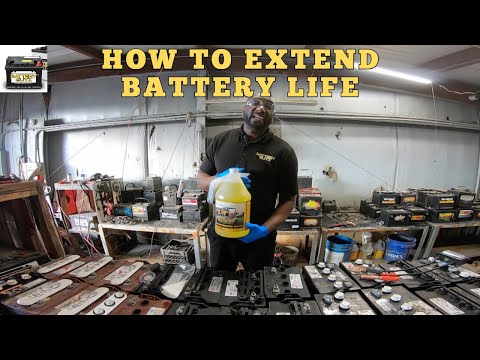
Maintenance Tips
Regular maintenance can complement your charging practices, further enhancing battery life:
- Clean Battery Terminals: Ensure that terminals are free from corrosion, which can impede performance.
- Check Water Levels: For lead-acid batteries, maintain appropriate water levels to prevent damage from sulfation.
- Temperature Awareness: Store and charge batteries in a cool, dry place to prevent overheating, which can negatively impact battery health.
By adopting these effective charging practices, you can maximize your golf cart battery life, ensuring that your cart remains reliable and efficient for years to come.
We would love to hear your thoughts and questions about extending the life of golf cart batteries! Your insights and inquiries not only enrich our community but also help others who may be seeking the same knowledge. Please feel free to share your experiences or seek advice in the comments below—let's foster a lively and informative discussion together!
Leave a Reply