
In this article, readers will discover essential insights on maintaining their golf cart's braking system through a brake fluid change. The discussion will cover the importance of regular golf vehicle brake fluid maintenance to ensure optimal performance and safety. Additionally, step-by-step instructions will be provided for a successful brake fluid replacement process, along with tips for troubleshooting common issues related to braking efficiency.
Understanding the Importance of Golf Cart Brake Fluid Flush
Maintaining optimal performance in your golf cart is crucial for safety and efficiency, and one of the most vital aspects of this maintenance is the brake fluid flush. Regularly flushing the brake fluid ensures that your braking system operates smoothly and effectively, providing you with peace of mind on the course.
Why Brake Fluid Flush is Essential
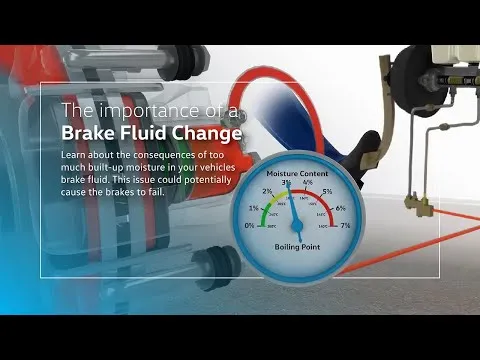
The brake fluid in your golf cart plays a critical role in the hydraulic braking system. Over time, this fluid can absorb moisture and become contaminated, leading to reduced braking performance. Here are several reasons why a brake fluid flush is essential:
- Improved Safety: Contaminated brake fluid can lead to brake failure, putting you and others at risk.
- Enhanced Performance: Fresh brake fluid ensures that your brakes respond promptly, allowing for smoother stops and better control.
- Extended Lifespan: Regular flushing can prevent corrosion within the braking system, prolonging its overall life.
- Cost-Effective Maintenance: Addressing brake fluid issues early can save you from costly repairs down the line.
Signs That a Brake Fluid Flush is Needed
Being aware of the signs that indicate a brake fluid flush is necessary can help you maintain your golf cart effectively. Look for the following indicators:
- Discoloration: If the brake fluid appears dark or murky, it’s time for a flush.
- Soft Brake Pedal: A spongy or soft brake pedal can signal that the fluid is contaminated.
- Brake Warning Light: If the warning light on your dashboard illuminates, check the brake fluid level and condition.
How to Perform a Brake Fluid Flush
Performing a brake fluid flush can be a straightforward process if done correctly. Here’s a brief overview of the steps involved:
- Gather Tools: You will need fresh brake fluid, a wrench, and a brake bleeder kit.
- Locate the Brake Fluid Reservoir: This is usually found near the rear of the golf cart.
- Remove Old Fluid: Use the brake bleeder kit to extract the old fluid from the system.
- Add New Brake Fluid: Fill the reservoir with fresh brake fluid, ensuring it meets the manufacturer’s specifications.
- Bleed the Brakes: This step removes any air bubbles from the system, ensuring optimal performance.
Understanding the importance of a golf cart brake fluid flush is vital for maintaining the safety and efficiency of your vehicle. Regular maintenance not only enhances performance but also helps in avoiding potentially dangerous situations on the course. Make it a part of your routine to check and flush the brake fluid, ensuring a smooth and safe ride every time.
Step-by-Step Guide to Performing a Golf Cart Brake Fluid Flush
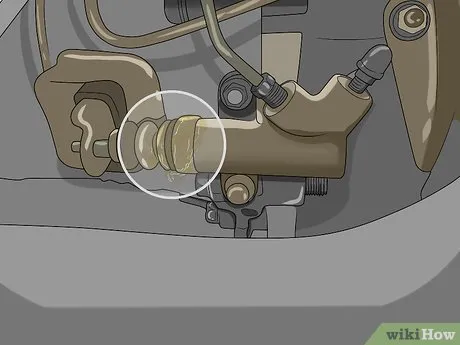
Performing a golf cart brake fluid flush is essential for maintaining optimal braking performance and safety. This guide will walk you through the process, ensuring your golf cart operates smoothly and efficiently.
What You Will Need
Before starting the brake fluid flush, gather the following tools and materials:
- Brake fluid (DOT 3 or DOT 4 recommended)
- Brake bleeder kit (manual or vacuum type)
- Wrenches (typically 8mm or 10mm)
- Rags or towels for spills
- Safety goggles and gloves
Step 1: Safety First
Ensure your golf cart is parked on a flat surface. Engage the parking brake and wear safety goggles and gloves to protect yourself from brake fluid, which can be corrosive.
Step 2: Locate the Brake Fluid Reservoir
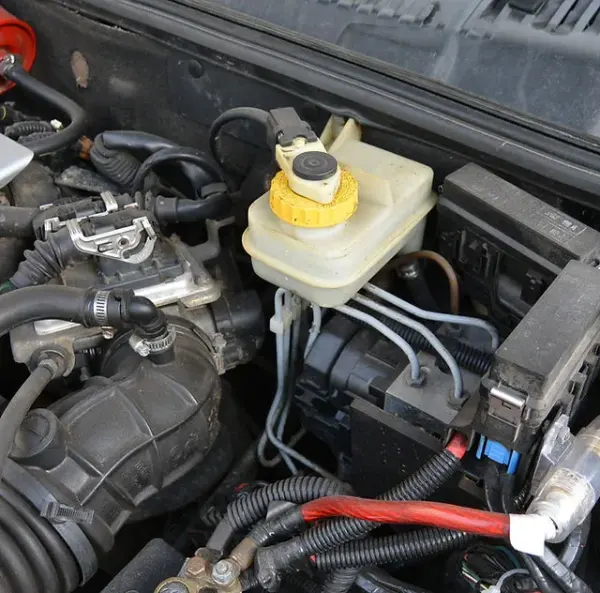
Find the brake fluid reservoir, usually located near the back of the golf cart near the brake assembly. Remove the cap carefully, and inspect the fluid level. If the fluid appears dark or contaminated, it’s time for a flush.
Step 3: Prepare the Brake Bleeder
If you are using a brake bleeder kit, connect it to the bleeder valve located on the brake caliper. If using a manual method, have an assistant ready to help you pump the brake pedal.
Step 4: Start the Flush Process
1. Open the Bleeder Valve: Use the appropriate wrench to loosen the bleeder valve slightly.
2. Pump the Brake Pedal: If you have an assistant, have them pump the brake pedal a few times and hold it down. If alone, use the manual method to create pressure.
3. Watch the Fluid Flow: As the brake fluid flows out, observe the color and clarity. Continue until you see clear, new fluid emerging.
4. Close the Valve: Once the fluid runs clear, tighten the bleeder valve to prevent air from entering the system.
Step 5: Refill the Brake Fluid Reservoir
After flushing, refill the brake fluid reservoir with new fluid, ensuring it reaches the recommended level. Be cautious not to overfill.
Step 6: Test the Brakes
Before driving, press the brake pedal a few times to build pressure and ensure the brakes feel firm. If they feel spongy, you may need to repeat the bleeding process.
Step 7: Clean Up
Dispose of any old brake fluid responsibly, as it can be harmful to the environment. Wipe down any spills with rags and store your tools properly.
By following this step-by-step guide, you ensure your golf cart’s braking system functions effectively, enhancing both performance and safety on the course. Regular maintenance, including a brake fluid flush, is key to prolonging the life of your golf cart.
Signs Your Golf Cart Needs a Brake Fluid Flush
Maintaining optimal performance in your golf cart involves regular checks and maintenance, especially concerning the braking system. Recognizing the signs that indicate a brake fluid flush is necessary can prevent more serious issues down the line. Here are key indicators that your golf cart may require this essential service.
1. Diminished Braking Performance
If you notice that your golf cart takes longer to stop than usual, it may be a sign that the brake fluid has become contaminated or degraded. This can lead to a reduction in hydraulic pressure, resulting in less effective braking.
2. Brake Warning Light Activation
Many modern golf carts come equipped with a dashboard warning light that indicates brake system issues. If this light illuminates, it’s crucial to investigate further, as it may suggest low brake fluid levels or the need for a flush.
3. Changes in Brake Pedal Feel
Pay attention to the feel of the brake pedal. If it feels spongy, soft, or sinks to the floor when pressed, this could indicate air in the brake lines or degraded brake fluid. A brake fluid flush may restore proper pedal responsiveness.
4. Unusual Noises When Braking
Listen for any grinding, squeaking, or hissing noises when applying the brakes. These sounds may not only indicate worn brake components but can also signal that the brake fluid needs attention, as contaminants can affect overall system performance.
5. Fluid Color and Consistency
Inspect the brake fluid visually. Healthy brake fluid is typically clear or light amber in color. If it appears dark, murky, or has particles floating in it, this is a strong indication that a brake fluid flush is necessary to maintain optimal performance.
6. Frequent Fluid Leaks
If you notice any puddles or spots of fluid under your golf cart, it may suggest a leak in the brake system. Regularly leaking brake fluid can compromise braking efficiency and requires immediate attention, including a potential fluid flush.
7. Age of the Brake Fluid
Brake fluid can absorb moisture over time, leading to a decrease in its effectiveness. If your golf cart has not had a brake fluid flush in over two years, it’s advisable to schedule this service to ensure reliable braking performance.
Regularly monitoring these signs will help you maintain your golf cart’s braking system effectively. Addressing brake fluid issues promptly can lead to safer rides and prolonged lifespan of your golf cart components.
Choosing the Right Brake Fluid for Your Golf Cart

When it comes to maintaining your golf cart, selecting the appropriate brake fluid is essential for ensuring optimal performance and safety. Brake fluid is crucial for the hydraulic braking system, and using the right type can make a significant difference in responsiveness and reliability.
Types of Brake Fluid
There are primarily two types of brake fluids you should consider for your golf cart:
- DOT 3: This glycol-based fluid is commonly used in many vehicles, including some golf carts. It has a lower boiling point, which can be sufficient for less demanding applications.
- DOT 4: This fluid has a higher boiling point and better performance under extreme conditions. It is suitable for heavier use and offers improved safety during prolonged descents.
Compatibility and Manufacturer Recommendations
Before purchasing brake fluid, it's important to consult your golf cart's owner manual for manufacturer recommendations. Different models may have specific requirements based on their braking systems. Using a fluid that is not compatible can lead to damage or reduced braking efficiency.
Signs of Brake Fluid Needs
Keep an eye out for the following signs that may indicate it's time to change your brake fluid:
- Brake fluid appears dark or contaminated.
- Brakes feel spongy or unresponsive.
- Visible leaks around the brake system.
Testing and Maintenance
Regularly testing your brake fluid can help maintain the performance of your golf cart. A simple moisture test can reveal if the fluid has absorbed water, which can lower its boiling point and lead to brake failure.
How to Perform a Brake Fluid Test
1. Purchase a brake fluid tester: These devices are affordable and easy to use.
2. Follow the manufacturer's instructions: Ensure you're using the tester correctly to get an accurate reading.
3. Evaluate the results: If the moisture content is high, it’s time for a fluid flush.
Selecting the right brake fluid and performing regular maintenance is vital for the longevity and safety of your golf cart. By ensuring you use the appropriate type and keeping an eye on the condition of the fluid, you can enjoy a smoother and safer ride on the greens.
Benefits of Regular Golf Cart Brake Fluid Maintenance
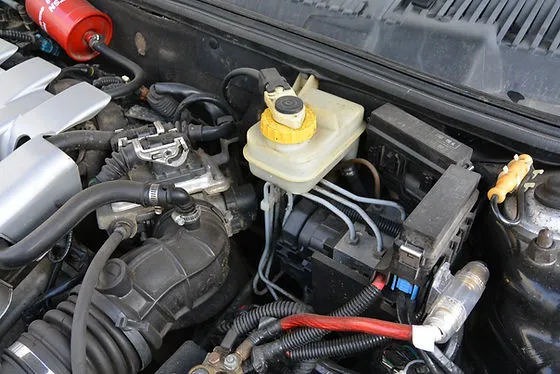
Maintaining the brake fluid in your golf cart is crucial for ensuring optimal performance and safety. Regular maintenance of brake fluid can provide a variety of benefits that enhance your overall golf cart experience.
Improved Safety
One of the primary benefits of consistent brake fluid maintenance is enhanced safety. Fresh brake fluid ensures that the braking system functions correctly, reducing the risk of brake failure. This is particularly important when navigating hilly terrains or crowded courses. By regularly checking and replacing brake fluid, you can help prevent accidents and ensure your safety on the course.
Increased Brake Performance
Over time, brake fluid can absorb moisture and become contaminated, leading to decreased braking efficiency. Regular maintenance helps to keep the fluid clean and free from impurities. This results in:
- Quicker response times when you press the brake pedal.
- More consistent braking power, which is essential for a smooth ride.
- Reduced wear and tear on brake components, extending their lifespan.
Cost-Effective Maintenance
Investing in regular brake fluid maintenance can save you money in the long run. By preventing the need for more extensive repairs caused by neglect, such as replacing brake lines or calipers, you can keep your maintenance costs down. Regularly flushing the brake fluid is a small investment compared to the potential costs of major brake system failures.
Enhanced Longevity of Brake System Components
Just as regular oil changes can extend the life of your engine, maintaining your golf cart's brake fluid can prolong the lifespan of its braking system. Clean, fresh brake fluid helps to protect various components, including:
- Brake calipers from corrosion.
- Brake lines from wear and tear due to moisture absorption.
- Brake pads from premature degradation.

Optimal Performance in Various Conditions
Golf carts are often used in various environments, from wet to dry conditions. Regular maintenance of brake fluid ensures that your braking system performs optimally, regardless of the conditions. Whether you're navigating a rainy day or a sunny afternoon, having well-maintained brake fluid allows for consistent performance.
By understanding and implementing regular golf cart brake fluid maintenance, you can enjoy a safer, more efficient, and cost-effective golfing experience.
We’d love to hear your thoughts and questions about Golf Cart Brake Fluid Flush! Your insights are invaluable, and sharing your opinions not only enriches our conversation but also helps fellow enthusiasts in the community. Whether you have experiences to share or queries to explore, please feel free to drop a comment below. Let’s connect and learn together!
Leave a Reply