
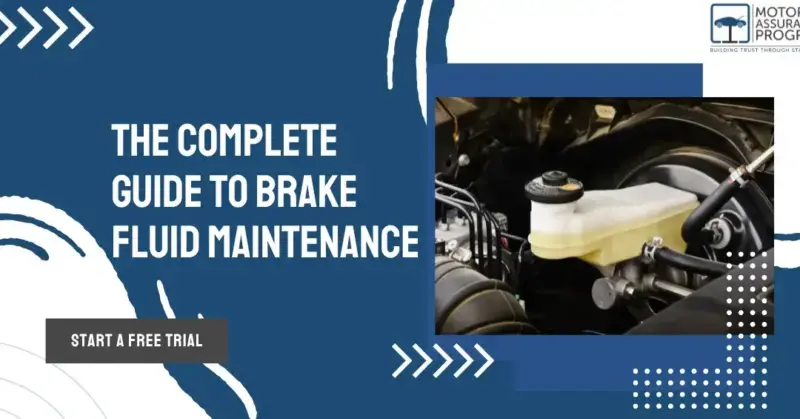
In this article, readers will discover key insights into golf vehicle hydraulic fluid upkeep and its importance for ensuring optimal performance. We'll cover essential practices for golf cart braking system fluid care, including tips on checking, replacing, and maintaining the fluid to enhance safety and functionality. By following these guidelines for golf cart brake fluid management, owners can ensure their vehicles operate smoothly and efficiently.
Understanding the Importance of Golf Cart Brake Fluid Maintenance
Maintaining the brake fluid in your golf cart is crucial for ensuring safety and optimal performance. Proper brake fluid maintenance not only enhances the effectiveness of the braking system but also prolongs the lifespan of various components. Here’s why it matters:
The Role of Brake Fluid in Golf Carts
Brake fluid is essential for transferring the force from the brake pedal to the brake components. When you press the pedal, the fluid creates hydraulic pressure that engages the brakes. If the fluid is contaminated or has degraded, it can lead to reduced braking efficiency, which poses a significant safety risk.
Key Reasons to Maintain Brake Fluid
- Safety: Reliable brakes are vital for preventing accidents, especially on hilly or uneven terrain.
- Performance: Fresh brake fluid ensures that the braking system responds quickly and effectively.
- Component Longevity: Clean brake fluid prevents corrosion and wear on brake components, saving you money on repairs.
- Fluid Quality: Over time, brake fluid absorbs moisture, which can lead to boiling and vapor lock. Regular checks help maintain fluid quality.
Signs Your Golf Cart Needs Brake Fluid Maintenance
Being aware of certain indicators can help you determine when it’s time to check or replace the brake fluid:
- Soft Brake Pedal: If the pedal feels spongy or sinks to the floor, it may indicate low or contaminated fluid.
- Brake Warning Light: An illuminated warning light on the dashboard signals potential issues with the brake system.
- Unusual Noises: Grinding or squealing noises can indicate that brake fluid is not lubricating the system effectively.
Best Practices for Brake Fluid Maintenance
To ensure the longevity and efficiency of your golf cart's braking system, consider these maintenance tips:
- Regular Inspections: Check the brake fluid level and condition every few months, especially before the golf season.
- Flush and Replace: It is recommended to flush and replace brake fluid every two years to prevent moisture buildup.
- Use Quality Fluid: Opt for a high-quality brake fluid that meets manufacturer specifications, typically a DOT-rated fluid.
By prioritizing golf cart brake fluid maintenance, you not only enhance your safety but also ensure that your vehicle operates smoothly and efficiently. Taking these proactive steps is part of the essential guide to maintaining your golf cart for optimal performance.
Signs Your Golf Cart Needs Brake Fluid Maintenance
Recognizing when your golf cart requires brake fluid maintenance is essential for safe operation and optimal performance. Below are key indicators that your brake fluid may need attention.
1. Reduced Braking Performance
If you notice that your golf cart takes longer to stop than usual, it could indicate low or contaminated brake fluid. A decrease in braking efficiency can compromise safety on the course or during neighborhood rides.
2. Warning Light Activation
Many modern golf carts come equipped with a dashboard warning light that signals brake system issues. If this light illuminates, it's a clear indication that your brake fluid may need to be checked or replaced.
3. Brake Pedal Feel
Pay attention to how the brake pedal feels when you press it. If the pedal feels spongy or sinks to the floor, it may indicate air in the brake lines or insufficient brake fluid. This condition requires immediate attention to prevent brake failure.
4. Visible Fluid Leaks
Inspect the area around your golf cart for any signs of fluid leakage. If you see a puddle or stains under your cart, this could signify a leak in the brake system, which may lead to a decrease in brake fluid levels.
5. Unusual Noises
Listen for any strange sounds when applying the brakes. Grinding, squeaking, or hissing noises may indicate that the brake fluid is old or contaminated, necessitating maintenance for the braking system to function effectively.
6. Brake Fluid Color and Clarity
Check the color and clarity of your brake fluid. Fresh brake fluid should be clear or light amber. If it appears dark, cloudy, or has debris floating in it, it’s time for a brake fluid change.
Regular Maintenance Tips
To ensure your golf cart remains in top condition, consider the following maintenance tips:
- Inspect Brake Fluid Regularly: Check your brake fluid levels and quality at least once a month.
- Follow Manufacturer Guidelines: Refer to your golf cart’s manual for recommended brake fluid types and maintenance schedules.
- Seek Professional Help: If you're unsure about the condition of your brake fluid, consult a qualified technician.
Being attentive to these signs will help maintain your golf cart's braking system, ensuring a safer and more enjoyable ride. Regularly addressing brake fluid maintenance not only enhances performance but also prolongs the life of your cart's braking components.
Step-by-Step Guide to Changing Golf Cart Brake Fluid
Changing the brake fluid in your golf cart is essential for ensuring optimal braking performance and safety. This step-by-step guide will walk you through the process in a clear and concise manner, making it easy for both seasoned golf cart owners and newcomers to perform this vital maintenance task.
What You'll Need
Before starting, gather the following tools and materials:
- Brake Fluid: Use a high-quality brake fluid specifically designed for golf carts, such as DOT 3 or DOT 4, typically priced around $10 to $15 per quart.
- Wrench Set: A set of metric or standard wrenches, depending on your cart's specifications.
- Brake Bleeder Kit: A simple one-man brake bleeder kit can cost between $15 and $30.
- Clean Rags: For wiping spills and keeping the work area tidy.
- Protective Gear: Safety glasses and gloves to protect against fluid splashes.
Step 1: Prepare Your Golf Cart
Start by parking your golf cart on a level surface. Ensure the ignition is off, and engage the parking brake for added safety. If applicable, remove any floor mats or coverings to access the brake fluid reservoir easily.
Step 2: Locate the Brake Fluid Reservoir
Identify the brake fluid reservoir, which is usually found near the rear of the golf cart. Check your owner's manual for specific locations if needed. Inspect the reservoir for any cracks or damage before proceeding.
Step 3: Drain the Old Brake Fluid
Using a wrench, carefully loosen the bleeder valve on the brake caliper. Attach the brake bleeder kit to the valve, ensuring a tight fit to avoid leaks. Open the valve and allow the old brake fluid to drain completely into a container. This process may take several minutes.
Step 4: Flush the System with New Brake Fluid
Once the old fluid has been drained, close the bleeder valve securely. Fill the brake fluid reservoir with fresh fluid, making sure not to overfill. Pump the brake pedal several times to circulate the new fluid through the system. Keep an eye on the reservoir level and top off as needed.
Step 5: Bleed the Brakes
To remove any air trapped in the brake lines, you will need to bleed the brakes. With the bleeder valve still open, have an assistant pump the brake pedal several times and then hold it down. Close the valve before they release the pedal. Repeat this process until you see a steady stream of fluid without air bubbles.
Step 6: Final Checks
After bleeding the brakes, double-check that all valves are closed tightly. Inspect the brake fluid reservoir level, and add more fluid if necessary. Clean any spills with a rag to prevent damage to the cart's surfaces.
Step 7: Test Drive
Before heading out onto the course, conduct a short test drive to ensure that the brakes are functioning correctly. Pay attention to any unusual noises or sensations while braking.
Maintaining the brake fluid in your golf cart is crucial for ensuring safety and performance. By following this detailed guide, you can easily manage your golf cart's brake fluid maintenance, ensuring that your cart remains in top condition for years to come.
Common Mistakes to Avoid in Golf Cart Brake Fluid Maintenance
Maintaining your golf cart’s brake fluid is crucial for safe and efficient operation. However, several common mistakes can undermine your efforts. Here are key pitfalls to avoid to ensure optimal performance and longevity of your golf cart's braking system.
Neglecting Regular Inspections
One of the most significant errors is overlooking the importance of regular brake fluid inspections. Brake fluid can absorb moisture over time, leading to corrosion and decreased braking effectiveness. Schedule periodic checks to ensure fluid quality and level are up to par.
Using the Wrong Type of Brake Fluid
Not all brake fluids are created equal. It's vital to use the specific type recommended for your golf cart. Using incompatible brake fluid can cause damage to the braking system components. Always refer to your golf cart’s manual for the correct specifications.
Ignoring Fluid Replacement Intervals
Many golf cart owners fail to replace brake fluid at the recommended intervals. Old or contaminated brake fluid can significantly impair braking performance. Typically, it's advisable to change the fluid every two years, but check your manufacturer’s guidelines for specifics.
Signs You Need to Change Brake Fluid
- Discoloration of the fluid
- Presence of moisture or bubbles
- Soft or spongy brake pedal feel
Overlooking the Brake System Components
While focusing on brake fluid maintenance, don't forget to inspect other brake system components. Worn brake pads or malfunctioning calipers can lead to increased wear on the fluid, compromising overall performance. Regularly check these parts during your maintenance routine.
Failing to Clean the Reservoir
A common oversight is neglecting the brake fluid reservoir. Debris or contaminants in the reservoir can contaminate the fluid, leading to poor brake performance. Ensure the reservoir is clean and free from any foreign particles during maintenance checks.
Improper Storage of Brake Fluid
If you purchase brake fluid in bulk, ensure proper storage. Exposing brake fluid to extreme temperatures or sunlight can degrade its quality. Store it in a cool, dark place, and keep it tightly sealed to maintain its integrity.
By being aware of these common mistakes, you can ensure that your golf cart’s brake fluid maintenance is effective, enhancing both safety and performance on the course.
Choosing the Right Brake Fluid for Your Golf Cart
Selecting the appropriate brake fluid for your golf cart is crucial for ensuring optimal performance and safety. Brake fluid acts as the hydraulic medium that enables your cart’s braking system to function effectively. Here’s a detailed guide to help you navigate your options.
Types of Brake Fluid
When choosing brake fluid, it's important to understand the different types available:
- DOT 3: This glycol-based fluid is commonly used in various vehicles, including golf carts. It has a lower boiling point, making it suitable for less demanding applications.
- DOT 4: With a higher boiling point than DOT 3, this fluid offers better performance under high-temperature conditions, making it a preferred choice for more intensive use.
- DOT 5: This silicone-based fluid is non-hygroscopic, meaning it doesn’t absorb moisture. It's ideal for carts that may sit unused for extended periods.
Factors to Consider
When selecting brake fluid, consider the following factors:
Compatibility
Ensure that the brake fluid you choose is compatible with your golf cart's braking system. Check the owner’s manual for specifications regarding the recommended type of brake fluid.
Environmental Conditions
If your golf cart is often exposed to extreme temperatures or humidity, opting for a higher-grade fluid like DOT 4 or DOT 5 can enhance performance and longevity.
Maintenance and Longevity
Regularly check the brake fluid level and quality. Brake fluid can degrade over time, especially if moisture contaminates it. Replacing the fluid as part of your essential guide to golf cart brake fluid maintenance is key to ensuring your braking system operates smoothly.

Top Brake Fluid Brands
Here are some reputable brake fluid brands that are popular among golf cart owners:
- Prestone DOT 3 Brake Fluid: Known for its reliability and affordability, typically priced around $5.99 for a 12 oz bottle.
- Castrol GTX DOT 4 Brake Fluid: Offers excellent thermal stability, available for about $7.49 for a 16 oz container.
- Royal Purple Max Brake Fluid: A premium option with high boiling points, priced at approximately $12.99 for a 12 oz bottle.
By understanding the types of brake fluid available and considering key factors such as compatibility and environmental conditions, you can make an informed decision that contributes to the overall performance and safety of your golf cart. Remember, regular maintenance and timely fluid replacement are essential for optimal braking performance.
We truly value your insights and experiences, and we invite you to share your thoughts or any questions you may have about Golf Cart Brake Fluid Maintenance in the comments below. Your contributions not only enrich our community but also help fellow golf cart enthusiasts stay informed and engaged. Whether you have tips to offer or are seeking advice, we look forward to hearing from you and fostering a lively discussion!
Leave a Reply