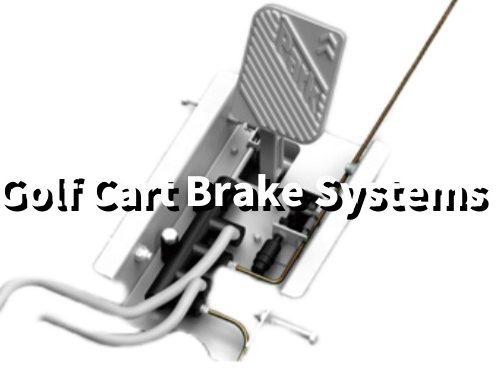
This article presents a thorough golf cart braking system diagnostic manual designed to help users identify and resolve common issues affecting their vehicles' braking performance. Readers will discover step-by-step procedures, helpful tips, and expert insights to ensure their golf cart brake system repair guide leads to optimal functionality and safety. Whether you're a novice or experienced owner, this comprehensive resource aims to enhance your understanding and maintenance of the golf cart brake troubleshooting guide for peak performance.
Common Symptoms of Golf Cart Brake System Issues
Understanding the common symptoms of golf cart brake system issues is crucial for maintaining safety and performance on the course or around your property. Recognizing these signs early can prevent further damage and costly repairs. Below are some key indicators that your golf cart's brake system may require attention.
1. Unresponsive Brakes
If you find that pressing the brake pedal does not yield the expected stopping power, this is a significant warning sign. An unresponsive brake system can be attributed to several factors, including:
- Worn brake pads or shoes
- Low brake fluid levels
- Air in the brake lines
2. Squeaking or Grinding Noises
Unusual sounds during braking can indicate serious issues. If you hear a squeaking or grinding noise when applying the brakes, consider the following causes:
- Worn brake components
- Contaminated brake pads
- Improper installation of brake parts
3. Brake Pedal Vibration
A vibrating brake pedal can signal that the brake rotors are warped or uneven. This symptom can lead to compromised braking efficiency, and it may stem from:
- Overheating of the brake components
- Improper alignment of the brake system
4. Pulling to One Side
If your golf cart pulls to one side when braking, it could indicate that one side of the brake system is more effective than the other. This condition can arise from:
- Uneven wear on brake pads
- Malfunctioning brake calipers
5. Brake Warning Light Activation
Many modern golf carts are equipped with a brake warning light on the dashboard. If this light illuminates, it typically means there is a malfunction within the brake system that needs immediate attention. Possible issues include:
- Low brake fluid levels
- Faulty brake sensors
Maintaining Optimal Performance
Being aware of these symptoms can help you address brake system issues before they escalate. Regular maintenance checks, as highlighted in the Comprehensive Golf Cart Brake System Troubleshooting Guide for Optimal Performance, can also help ensure your braking system functions smoothly and safely. Always consult a professional if you are uncertain about any symptoms or require repairs.
Step-by-Step Troubleshooting Process for Golf Cart Brakes
When experiencing issues with your golf cart brakes, it's essential to follow a structured troubleshooting process. This guide will help you identify and resolve common brake problems effectively, ensuring your cart operates safely and smoothly.
1. Initial Assessment
Begin by conducting a thorough visual inspection of the brake components. Look for signs of wear, damage, or misalignment.
- Brake Pads: Check for thickness and any visible cracks.
- Brake Lines: Inspect for leaks or fraying.
- Brake Drums or Discs: Look for scoring or warping.
2. Test Brake Functionality
Next, test the brakes to determine their performance.
- Engagement: Press the brake pedal and note how quickly the brakes engage.
- Response Time: Assess how long it takes to stop the cart.
- Noise: Listen for any unusual sounds such as squeaking or grinding.
3. Check Brake Fluid Levels
If your golf cart has hydraulic brakes, it's crucial to check the brake fluid level.
- Fluid Reservoir: Ensure the fluid is at the recommended level.
- Fluid Quality: Look for discoloration or contaminants in the fluid.
4. Inspect the Brake Pedal and Linkage
Examine the brake pedal and its linkage for any issues.
- Pedal Height: Ensure the pedal sits at the correct height and is not too loose or tight.
- Linkage Condition: Check for any signs of rust or damage on the linkage.
5. Evaluate the Electrical System (for Electric Golf Carts)
If you own an electric golf cart, the brake system may be linked to the electrical components.
- Battery Health: Ensure the battery is charged and functioning properly.
- Wiring Connections: Inspect for loose or corroded connections that could affect brake performance.
6. Consult the Manual
Refer to your golf cart's owner's manual for specific troubleshooting tips tailored to your model. This resource can provide valuable insights into the braking system and recommended maintenance practices.
7. Professional Assistance
If the issue persists after following these steps, it may be time to consult a professional. An experienced technician can perform a comprehensive evaluation of the golf cart brake system, identifying underlying issues that may not be immediately apparent.
By adhering to this step-by-step troubleshooting process for golf cart brakes, you can ensure a safe and enjoyable golfing experience. Regular maintenance and timely repairs are key to optimal performance and longevity of your golf cart’s braking system.
Essential Tools for Golf Cart Brake System Repairs
When it comes to maintaining the safety and performance of your golf cart, having the right tools for brake system repairs is crucial. The following tools are essential for effective brake system troubleshooting and repairs, ensuring your golf cart operates smoothly.
1. Brake Bleeder Kit
A brake bleeder kit is vital for removing air from the brake lines, which can lead to a spongy brake feel. Look for a kit that includes:
- Vacuum Pump: Helps create a vacuum to draw brake fluid through the system.
- Clear Tubing: Allows for easy visibility of fluid flow.
- Catch Bottle: Prevents spills during the bleeding process.
2. Torque Wrench
Ensuring that all bolts are tightened to the manufacturer’s specifications is key in brake system maintenance. A quality torque wrench will help you achieve the correct tension, preventing any potential issues. Features to consider:
- Range of Torque Settings: Choose one that covers the specifications of your golf cart.
- Digital Readout: Offers precise measurements for accuracy.
3. Brake Pad Spreader
This tool is essential for pushing back the brake calipers when replacing brake pads. A brake pad spreader can help you:
- Reduce Wear: Ensures even pressure is applied to the brake pads.
- Save Time: Makes the process quicker and more efficient.
4. Socket Set
A comprehensive socket set is necessary for various fasteners throughout the brake system. Key features include:
- Variety of Sizes: Ensure you have the right size for different components.
- Ratchet Mechanism: Allows for quick and easy tightening or loosening.
5. Screwdrivers
Having a set of flathead and Phillips screwdrivers is essential for removing and replacing screws on brake components. Consider:
- Ergonomic Handles: For comfort during extended use.
- Magnetic Tips: To hold screws in place while working.
6. Brake Cleaner
Maintaining clean components is critical for optimal performance. A good brake cleaner will:
- Remove Debris: Cleans dirt and old brake fluid from the brake system.
- Evaporate Quickly: Ensures no residue is left behind.
7. Safety Gear
Never underestimate the importance of safety while performing repairs. Essential safety gear includes:
- Gloves: Protects your hands from chemicals and debris.
- Safety Glasses: Shields your eyes from dust and particles.
By utilizing these essential tools, you can effectively manage your golf cart's brake system repairs, contributing to its overall longevity and safety. Whether you're looking to perform routine maintenance or address specific issues, having the right equipment at your disposal is key to achieving optimal performance.
Preventive Maintenance Tips for Golf Cart Brake Systems
To ensure the safety and performance of your golf cart, regular maintenance of the brake system is essential. By following these preventive maintenance tips, you can prolong the life of your brakes and enhance your overall driving experience.
Regular Inspection
Conducting routine inspections of your golf cart's brake system is crucial. Look for signs of wear and tear, such as:
- Brake Pads: Check for thickness and replace if they are worn down to less than 1/4 inch.
- Brake Cables: Inspect for fraying or damage that may affect performance.
- Brake Fluid: Ensure that the fluid level is adequate and the fluid is free of contaminants.
Cleaning Brake Components
Keeping the brake components clean is vital for optimal performance. Dirt and debris can hinder the functionality of your brakes. Use a soft brush or cloth to clean the following parts:
- Brake Discs: Remove dust and grime to maintain friction.
- Brake Calipers: Ensure they are free of rust and buildup.
- Drum Brakes: If applicable, clean the drum surfaces to prevent sticking.
Regularly Test Brake Performance
Performing routine tests on your brake system can help identify issues early on. Pay attention to:
- Brake Response: The brakes should engage smoothly without delay.
- Sound: Listen for unusual noises like grinding or squeaking.
- Pulling: If the cart pulls to one side when braking, it may indicate uneven wear.
Fluid Replacement
Brake fluid is crucial for hydraulic brake systems. It is advisable to replace the brake fluid every two years or as recommended by the manufacturer. This helps to prevent moisture buildup, which can compromise braking efficiency.
Adjustments and Alignments
Ensure that your brakes are correctly adjusted for optimal performance. Misalignment can lead to uneven wear and reduced stopping power. Regularly check:
- Brake Alignment: Ensure that the brakes are aligned properly with the wheels.
- Pedal Height: The brake pedal should be at a comfortable height for effective engagement.
Maintaining your golf cart’s brake system not only enhances safety but also contributes to a smoother ride. Implementing these preventive maintenance tips will help you avoid more significant issues down the road, making your golfing experience enjoyable and stress-free.
When to Seek Professional Help for Brake System Problems
Identifying when to consult a professional for brake system issues is crucial for maintaining safety and performance in your vehicle. Recognizing the signs early can prevent more significant problems down the line. Here are some key indicators that it’s time to reach out to a qualified technician.
Signs of Brake System Malfunction
- Squeaking or Grinding Noises: If you hear unusual sounds when applying the brakes, it may indicate worn brake pads or other components.
- Vibrations or Pulsations: A vibrating brake pedal can signal issues with the brake rotors, possibly requiring resurfacing or replacement.
- Brake Warning Light: If your dashboard warning light activates, it’s a clear sign that something is amiss in your brake system.
- Fluid Leaks: Any visible brake fluid leaks beneath your vehicle warrant immediate attention, as this can severely impact braking performance.
- Unresponsive Brakes: If your brakes feel soft or require excessive pressure to engage, it’s critical to have them inspected without delay.
When to Get an Inspection
Certain situations necessitate a professional evaluation of your brake system, including:
Routine Maintenance Checks
Regular maintenance is essential for optimal performance. Schedule a professional inspection if you haven’t had your brake system evaluated in the last year.
After an Accident
If your vehicle has been involved in an accident, even if it seems minor, it’s wise to have a professional inspect the brake system for hidden damage.

Before Long Trips
Prior to embarking on long journeys, ensure your brake system is in top condition. A professional can assess the entire braking system for any potential issues.
Seeking assistance from a qualified technician when you notice these signs can help ensure your vehicle remains safe and reliable. Addressing brake system problems promptly can save you time and money while enhancing your driving experience. Always prioritize your safety by consulting with professionals who can provide a comprehensive evaluation of your brake system.
We genuinely value your thoughts and experiences, and we believe that your insights can enrich our community. If you have any opinions, questions, or personal anecdotes related to the Golf Cart Brake System Troubleshooting Guide, we warmly invite you to share them in the comments below. Your contributions not only help others but also foster a collaborative spirit where we can all learn and grow together. Thank you for being a part of this journey!
Leave a Reply