

This article provides a thorough exploration of golf cart engine diagnostics, offering essential insights and techniques to enhance your vehicle's performance. Readers will discover practical tips, troubleshooting methods, and maintenance strategies related to golf cart motor assessments and cart engine evaluations. By the end, you'll be equipped with the knowledge needed to ensure your golf cart operates at its best.
- Understanding Golf Cart Engine Diagnostics: Key Components
- Common Symptoms Indicating the Need for Golf Cart Engine Diagnostics
- Step-by-Step Guide to Performing Golf Cart Engine Diagnostics
- Essential Tools for Effective Golf Cart Engine Diagnostics
- When to Seek Professional Help for Golf Cart Engine Diagnostics
Understanding Golf Cart Engine Diagnostics: Key Components
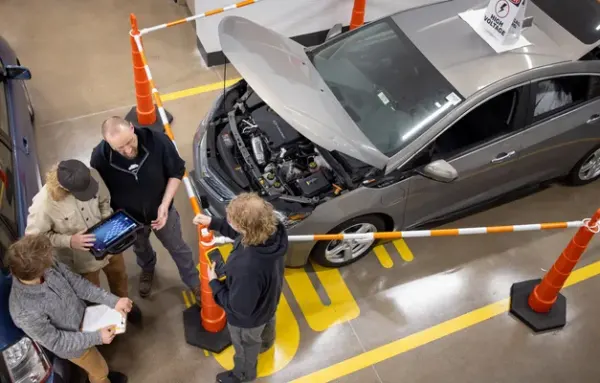
When it comes to maintaining optimal performance in your golf cart, understanding the key components of engine diagnostics is essential. By familiarizing yourself with these elements, you can effectively troubleshoot issues and ensure a smoother ride. This guide delves into the fundamental aspects of golf cart engine diagnostics, highlighting the vital components that contribute to a well-functioning engine.
Essential Components of Golf Cart Engine Diagnostics
To effectively diagnose engine issues, it's important to recognize the following components:
- Engine Control Unit (ECU): The brain of your golf cart, the ECU monitors various engine parameters and adjusts settings for optimal performance.
- Ignition System: This includes spark plugs and ignition coils, which are crucial for starting the engine and maintaining smooth operation.
- Fuel System: Comprising the fuel pump, filter, and carburetor, this system ensures that the engine receives the right amount of fuel for combustion.
- Battery and Charging System: A well-functioning battery and charging system are vital for starting the engine and powering electrical components.
- Cooling System: Essential for preventing overheating, this system includes the radiator and coolant, which help regulate engine temperature.
Diagnostic Tools for Golf Cart Engines
Utilizing the right diagnostic tools can greatly enhance your ability to identify issues. Some recommended tools include:
- OBD-II Scanner: This device connects to the golf cart's ECU, providing error codes that help pinpoint malfunctions.
- Multimeter: Useful for checking voltage and continuity in electrical components, aiding in troubleshooting electrical issues.
- Compression Tester: This tool measures the engine's compression levels, helping identify potential problems with the cylinders.
Importance of Regular Diagnostics
Regular diagnostics can prevent minor issues from escalating into major repairs. By routinely checking the key components listed above, you can ensure your golf cart runs efficiently.
Common Diagnostic Issues to Watch For
Be aware of these frequent diagnostic concerns:
- Starting Problems: Often linked to the ignition system or battery issues.
- Overheating: Typically a sign of cooling system failures.
- Poor Acceleration: Could indicate fuel system malfunctions or ignition problems.
Understanding golf cart engine diagnostics is not only about recognizing problems but also about maintaining your vehicle's performance. By being proactive and informed about the key components, you can enjoy a reliable and efficient golf cart experience.
Common Symptoms Indicating the Need for Golf Cart Engine Diagnostics

When operating your golf cart, being aware of specific signs can help you identify when engine diagnostics are necessary. Timely attention to these symptoms can prevent more significant issues and enhance the longevity of your vehicle. Below are key indicators that your golf cart may require a closer inspection.
Unusual Noises
Hearing strange sounds from your golf cart can be a red flag. Pay attention to:
- Grinding or rattling noises: These could indicate issues with the engine or transmission.
- High-pitched whines: This may suggest a problem with the belts or pulleys.
- Knocking sounds: These can signal internal engine problems that require immediate attention.
Reduced Power and Performance
If you notice that your golf cart is struggling to reach its usual speed or has difficulty climbing hills, it may be time for diagnostics. Symptoms include:
- Slow acceleration: If your cart takes longer than usual to pick up speed, this could indicate engine inefficiency.
- Frequent stalling: If your cart stalls frequently, it suggests underlying issues that need to be addressed.
- Difficulty starting: A cart that won’t start easily may have electrical or fuel system problems.
Warning Lights and Dashboard Indicators
Modern golf carts often come equipped with diagnostic systems that alert you to potential issues. Be attentive to:
- Battery warning light: This may indicate charging system failures or battery issues.
- Engine warning light: A lit engine light usually suggests the need for a diagnostic check.
- Oil pressure light: Low oil pressure can lead to severe engine damage if not addressed promptly.
Electrical Problems
Electrical issues can also manifest as symptoms requiring diagnostics. Watch for:
- Dim or flickering lights: This may indicate battery or alternator problems.
- Malfunctioning gauges: If speed or fuel gauges are inaccurate, it could be a sign of electrical failure.
- Inconsistent performance of accessories: Issues with headlights, signals, or other electrical components may indicate broader electrical system failures.
Recognizing these common symptoms can help you take proactive steps in the maintenance of your golf cart. Addressing these issues through comprehensive engine diagnostics can ensure your vehicle runs smoothly and efficiently.
Step-by-Step Guide to Performing Golf Cart Engine Diagnostics

Performing engine diagnostics on your golf cart is essential for maintaining optimal performance and longevity. This step-by-step guide will provide you with clear instructions to effectively diagnose engine issues, ensuring your golf cart operates smoothly.
1. Gather Necessary Tools
Before starting the diagnostic process, ensure you have the following tools on hand:
- Digital Multimeter: For checking electrical components and battery voltage.
- Compression Tester: To assess engine compression levels.
- OBD-II Scanner: If your golf cart is equipped with an onboard diagnostic system.
- Basic Hand Tools: Wrenches, screwdrivers, and pliers for any disassembly needed.
2. Inspect the Battery and Electrical System
Start your diagnostics by checking the battery and electrical components:
Battery Check
- Ensure the battery terminals are clean and tightly connected.
- Use a digital multimeter to measure the voltage; it should read between 12.4 to 12.7 volts when fully charged.
Wiring Inspection
- Look for any frayed wires or loose connections that could impact performance.
- Pay special attention to the wiring harness connecting the battery to the engine.
3. Assess Fuel System Components
A well-functioning fuel system is crucial for engine performance. Follow these steps:
Fuel Level
- Verify that there is adequate fuel in the tank. Low fuel can sometimes mimic engine problems.
Fuel Filter and Lines
- Inspect the fuel filter for clogs or dirt. Replace if necessary, typically costing around $15.
- Check fuel lines for leaks or blockages, ensuring a clear pathway for fuel delivery.
4. Evaluate Engine Compression
Engine compression is vital for performance. Use a compression tester:
- Remove the spark plug and insert the compression tester.
- Crank the engine and note the readings. Ideal compression should be between 90-120 psi, depending on the model.
5. Analyze Ignition System
A faulty ignition system can lead to starting issues or engine misfires. Follow these steps:
Spark Plug Inspection
- Remove and inspect the spark plugs for wear or deposits. A new spark plug typically costs around $10.
- Replace any spark plugs that show signs of damage or excessive wear.
Ignition Coil Check
- Test the ignition coil with a multimeter to ensure it’s functioning properly, looking for readings within the manufacturer's specifications.
6. Utilize an OBD-II Scanner (if applicable)
If your golf cart has an onboard diagnostic system, an OBD-II scanner can provide detailed insights:
- Connect the scanner to the diagnostic port.
- Review any trouble codes that appear, which can guide you to specific issues needing attention.
7. Perform a Visual Inspection
Finally, a thorough visual inspection can uncover potential issues:
- Look for any unusual noises or vibrations during operation.
- Check for fluid leaks beneath the cart.
By following this comprehensive guide to golf cart engine diagnostics, you can effectively identify and address engine issues, ensuring your golf cart remains in optimal working condition. Regular diagnostics will help prolong the life of your vehicle and enhance your golfing experience.
Essential Tools for Effective Golf Cart Engine Diagnostics
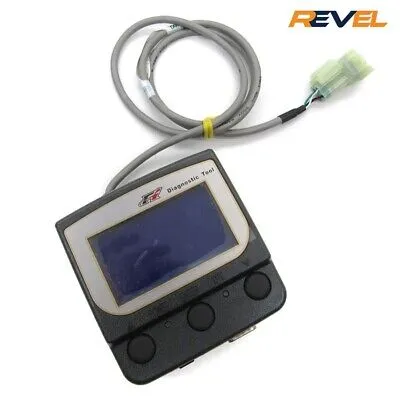
When it comes to maintaining your golf cart's performance, having the right tools for engine diagnostics is crucial. Utilizing the appropriate equipment not only streamlines the troubleshooting process but also ensures that your golf cart runs efficiently. Here’s a look at some of the essential tools you should consider for effective golf cart engine diagnostics.
1. Digital Multimeter
A digital multimeter is an indispensable tool for diagnosing electrical issues within your golf cart's engine. This device measures voltage, current, and resistance, allowing you to pinpoint electrical faults accurately.
- Price Range: $20 - $100
- Key Features: Auto-ranging capabilities, backlit display, and data hold function.
2. OBD-II Scanner
For newer electric golf carts equipped with onboard diagnostics, an OBD-II scanner is essential. This tool reads trouble codes from the engine's computer, providing insights into any malfunctions.
- Price Range: $30 - $150
- Key Features: Live data monitoring, compatibility with various vehicle types, and built-in database for code definitions.
3. Compression Tester
A compression tester is vital for assessing the health of the engine. It measures the compression pressure in the cylinders, helping to identify issues like worn piston rings or valves.
- Price Range: $25 - $70
- Key Features: Easy-to-read gauge, adapters for different spark plug sizes, and durable construction.
4. Spark Plug Wrench
A spark plug wrench is necessary for removing and inspecting spark plugs. This tool allows you to check for wear and ensure that the spark plugs are functioning correctly, which is vital for engine performance.
- Price Range: $10 - $30
- Key Features: Magnetic socket for easy plug removal, ergonomic handle, and various sizes for different spark plugs.
5. Fuel Pressure Gauge
If your golf cart runs on gasoline, a fuel pressure gauge is essential for checking the fuel system's integrity. It helps diagnose issues related to fuel delivery that could affect engine performance.
- Price Range: $15 - $50
- Key Features: Durable construction, easy-to-read dial, and includes adapters for different fuel lines.
Utilizing These Tools Effectively
To maximize the benefits of these diagnostic tools, follow these best practices:
- Regularly calibrate your tools to ensure accuracy.
- Refer to your golf cart's service manual for specific diagnostic procedures.
- Document your findings to track performance changes over time.
Investing in these essential tools not only enhances your ability to conduct comprehensive diagnostics on your golf cart's engine but also contributes to its long-term performance and reliability.
When to Seek Professional Help for Golf Cart Engine Diagnostics
Understanding when to seek professional assistance for golf cart engine diagnostics is crucial for maintaining optimal performance and longevity. Certain signs indicate that a skilled technician should evaluate your golf cart to prevent further issues and ensure safe operation.
Signs Indicating Professional Assistance is Needed
Recognizing specific symptoms can help you determine when it's time to consult an expert. Look out for the following indicators:
- Persistent Engine Noise: Unusual sounds such as knocking, grinding, or excessive vibrations can signify underlying mechanical problems.
- Reduced Power: If your golf cart struggles to accelerate or maintain speed, it may require a thorough diagnostic check.
- Frequent Stalling: Regular stalling during operation is a clear sign that your engine may need professional evaluation.
- Warning Lights: Dashboard warning lights that remain illuminated often indicate issues that require expert attention.
- Fluid Leaks: Any visible leaks, particularly oil or coolant, necessitate immediate professional inspection to prevent further damage.
Complex Electrical Issues
Golf carts today are equipped with sophisticated electrical systems. If you experience:
- Dead Batteries: If charging does not resolve battery issues, a technician can diagnose potential faults in the charging system.
- Malfunctioning Lights or Accessories: Electrical components not working properly can indicate deeper electrical problems that require specialized knowledge.

Importance of Timely Diagnostics
Seeking professional diagnostics promptly can save you time and money in the long run. Addressing issues early on helps prevent:
- Major Repairs: Small problems can escalate into costly repairs if left unaddressed.
- Safety Hazards: Faulty engines can lead to dangerous situations while operating the cart.
In situations where you are unsure about the performance of your golf cart, consulting a professional for golf cart engine diagnostics is a prudent choice. Their expertise ensures that your vehicle operates at its best, allowing you to enjoy your time on the course without worry.
We would love to hear your thoughts and questions about Golf Cart Engine Diagnostics! Your insights and inquiries not only enrich our community but also help us all learn and grow together. Whether you have a specific issue you’re facing or simply want to share your experiences, please don’t hesitate to leave a comment. Your voice matters, and we’re here to support you on your journey to better understanding and maintaining your golf cart!
Leave a Reply