This article provides a comprehensive golf cart fuel injector setup guide, detailing each step necessary for effective golf cart fuel injector fitting to enhance your vehicle's performance. Readers can expect clear instructions, helpful tips, and insights into ensuring optimal functionality during the golf cart fuel injector replacement process, making it easy for enthusiasts and beginners alike to achieve successful results.
- Understanding the Importance of Golf Cart Fuel Injector Installation
- Step-by-Step Guide to Installing a Fuel Injector in Your Golf Cart
- Common Issues Faced During Golf Cart Fuel Injector Installation
- Tools and Equipment Needed for Golf Cart Fuel Injector Installation
- Maintenance Tips for Prolonging the Life of Your Golf Cart's Fuel Injector
Understanding the Importance of Golf Cart Fuel Injector Installation
Installing a fuel injector in your golf cart is a critical step that directly impacts performance, efficiency, and longevity. A well-executed installation ensures that your vehicle runs smoothly and effectively, making it essential for both recreational and utility purposes.
Why Proper Installation Matters
When it comes to golf cart fuel injectors, the installation process is not merely a technical task; it significantly influences the overall functionality of your cart. Here are several reasons why precise installation is paramount:
- Optimized Fuel Efficiency: A correctly installed fuel injector ensures that the right amount of fuel is delivered to the engine, improving gas mileage and reducing operational costs.
- Enhanced Engine Performance: Proper installation allows for optimal fuel atomization, leading to better combustion and increased power output.
- Reduced Emissions: A well-functioning injector minimizes unburnt fuel, resulting in lower emissions and a more environmentally friendly operation.
- Extended Engine Life: Installing the injector correctly helps prevent engine knock and wear, contributing to a longer lifespan for your golf cart.
Key Considerations During Installation
To achieve the best results from your golf cart fuel injector installation, consider the following factors:
1. Quality of the Injector
Choosing a high-quality injector, such as the Denso 671-1300, known for its durability and precision, can significantly affect performance. Priced around $80, it is a reliable choice for many golf cart models.
2. Compatibility
Ensure that the injector is compatible with your specific golf cart model. Mismatched components can lead to inefficient fuel delivery and potential engine damage.
3. Installation Environment
A clean, well-lit workspace is essential. Contaminants can easily enter the fuel system during installation, leading to future issues.
Professional vs. DIY Installation
While many golf cart enthusiasts may opt for a DIY approach, considering professional installation can provide peace of mind. Here are the benefits of each:
- DIY Installation: Cost-effective and rewarding, but requires technical knowledge and attention to detail.
- Professional Installation: Ensures expert handling and troubleshooting, which may save you time and potential future costs.
By understanding the significance of proper fuel injector installation, golf cart owners can enhance their vehicle's performance and reliability. Whether you choose to install the injector yourself or seek professional assistance, paying attention to the details will lead to a more enjoyable and efficient golfing experience.
Step-by-Step Guide to Installing a Fuel Injector in Your Golf Cart
Installing a fuel injector in your golf cart can significantly enhance its performance and efficiency. This guide provides a clear, detailed approach to ensure a smooth installation process. Follow these steps to replace or install a fuel injector effectively.
Tools and Materials Needed
Before beginning, gather the following tools and materials:
- Socket set (including 10mm and 12mm sockets)
- Screwdrivers (flathead and Phillips)
- Fuel injector removal tool
- New fuel injector (ensure compatibility with your golf cart model)
- Rags for cleaning
- Fuel line clamp
- Torque wrench
- Safety goggles and gloves
Preparation Steps
1. Safety First: Before starting, make sure to wear safety goggles and gloves to protect yourself from fuel spills and debris.
2. Disconnect the Battery: Turn off the golf cart and disconnect the battery to prevent any electrical hazards.
3. Relieve Fuel Pressure: Locate the fuel pump fuse and remove it. Start the engine and let it run until it stalls to relieve pressure in the fuel lines.
Removing the Old Fuel Injector
1. Access the Engine Compartment: Open the engine cover of your golf cart to access the fuel injector.
2. Remove the Air Filter: If necessary, detach the air filter assembly for better access to the fuel injector.
3. Disconnect Fuel Lines: Carefully remove the fuel line from the old injector. Use a fuel line clamp to prevent spills.
4. Unplug Electrical Connector: Disconnect the electrical connector from the injector by pressing down on the tab and pulling it off.
5. Remove the Injector: Use the fuel injector removal tool to extract the old injector from its seat.
Installing the New Fuel Injector
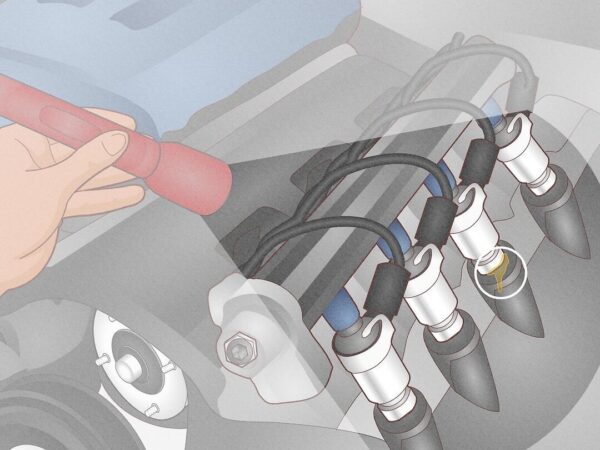
1. Prepare the New Injector: Before installation, lubricate the O-rings of the new fuel injector with clean engine oil. This helps ensure a proper seal.
2. Insert the New Injector: Carefully place the new fuel injector into the intake manifold, ensuring it seats correctly.
3. Reconnect the Electrical Connector: Plug the electrical connector back onto the new injector, making sure it clicks into place.
4. Reattach Fuel Lines: Securely connect the fuel line to the new injector. Ensure there are no leaks by checking the connection.
5. Reinstall the Air Filter: If you removed the air filter, reinstall it to complete the engine compartment setup.
Final Steps
1. Reconnect the Battery: Once everything is in place, reconnect the battery terminals.
2. Replace the Fuel Pump Fuse: Insert the fuel pump fuse back into its slot.
3. Test the Installation: Start the golf cart and let it idle for a few minutes. Check for any leaks around the injector and ensure the engine runs smoothly.
By following this step-by-step guide for fuel injector installation, you can enhance the performance of your golf cart while ensuring that it runs efficiently. Regular maintenance, including timely fuel injector replacement, will keep your golf cart in top condition for years to come.
Common Issues Faced During Golf Cart Fuel Injector Installation
Installing a fuel injector in your golf cart can significantly enhance performance, but several common issues may arise during the process. Being aware of these challenges can help you navigate the installation more smoothly.
1. Incorrect Injector Alignment
One of the primary issues encountered during the golf cart fuel injector installation is incorrect alignment of the injector. This misalignment can lead to poor fuel delivery and decreased engine performance. To avoid this, ensure that the injector is seated properly in the intake manifold before securing it in place.
2. Fuel Leaks
Fuel leaks are a serious concern that can occur if the injector seals are not properly installed. Inspect the O-rings and ensure they are undamaged and lubricated before installation. After installation, check for any signs of fuel leakage around the injector and tighten connections if necessary.
3. Electrical Connection Issues
Another common problem is faulty electrical connections. If the wiring harness is not connected securely or if there is corrosion on the connectors, the injector may not function correctly. Check the wiring for any signs of damage and ensure all connections are tight and free of corrosion.
Tips to Avoid Electrical Problems:
- Use dielectric grease on electrical connectors.
- Inspect the wiring for frays or breaks.
- Ensure the battery is fully charged before starting the installation.
4. Compatibility Issues
Not all fuel injectors are compatible with every golf cart model. Using an incompatible injector can lead to performance issues or even engine damage. Always verify that the injector you are using is designed for your specific golf cart model to ensure optimal performance.
5. Insufficient Tools or Equipment
Having the right tools is crucial for a successful installation. Many DIY enthusiasts may attempt the installation with inadequate tools, leading to mistakes or even damage to the components. Ensure you have the following tools on hand before starting the installation:
- Socket set
- Torque wrench
- Fuel line disconnect tool
- Safety goggles
By being aware of these common issues and taking preventive measures, you can ensure a smoother installation process for your golf cart fuel injector. Proper preparation and attention to detail will help you achieve optimal performance from your golf cart.
Tools and Equipment Needed for Golf Cart Fuel Injector Installation
When embarking on the journey of installing a fuel injector in your golf cart, having the right tools and equipment is essential for a successful and efficient process. This section outlines the specific items you will need to ensure that your golf cart fuel injector installation is seamless and effective.
Essential Hand Tools
To start, gather the following hand tools that are crucial for the disassembly and assembly of components:
- Socket Set: A comprehensive socket set, preferably including both metric and standard sizes, is necessary for loosening and tightening bolts and nuts.
- Wrench Set: A combination of open-end and box-end wrenches will help you access various fasteners in tight spaces.
- Screwdrivers: Both flathead and Phillips screwdrivers in multiple sizes will be required to remove covers and components.
- Torque Wrench: This tool ensures that you apply the correct torque specifications to prevent damage to the injector and surrounding parts.
Specialized Tools
In addition to standard hand tools, certain specialized tools can make the installation process more manageable:
- Fuel Line Disconnect Tool: This tool is essential for safely detaching the fuel lines without causing leaks or damage.
- Injector Puller: An injector puller can simplify the removal of the old fuel injector, especially if it’s stuck in place.
- Multimeter: Useful for checking electrical connections and ensuring that the new injector is functioning correctly.
Safety Equipment
Safety should always be a priority during any maintenance task. Equip yourself with the following safety gear:
- Safety Glasses: Protect your eyes from debris and fuel splashes.
- Gloves: Wear chemical-resistant gloves to protect your hands from fuel and sharp components.
- Mechanic's Mat: A mat can provide a comfortable workspace while also protecting your garage floor from spills.
Cleaning Supplies
Having the right cleaning supplies on hand will help maintain your golf cart’s engine and surrounding area:
- Shop Towels: These are essential for cleaning up any spills or wiping down parts.
- Engine Degreaser: Use this to clean the engine compartment before starting the installation.
- Fuel System Cleaner: Running a fuel system cleaner through the system can enhance the performance of the new injector.
With this comprehensive list of tools and equipment, you're well-prepared to tackle the golf cart fuel injector installation. Ensuring you have everything on hand will not only save time but also enhance the overall performance of your golf cart.
Maintenance Tips for Prolonging the Life of Your Golf Cart's Fuel Injector
Maintaining your golf cart's fuel injector is crucial for ensuring optimal performance and longevity. Proper care can prevent costly repairs and enhance your golfing experience. Here are some effective maintenance tips to keep your fuel injector in top shape.
Regular Cleaning
Keeping the fuel injector clean is essential for smooth operation. Over time, dirt and debris can accumulate, leading to clogs and reduced efficiency. Consider these cleaning methods:
- Fuel System Cleaner: Use a quality fuel system cleaner specifically designed for golf carts. Add it to your fuel tank as per the manufacturer's instructions, typically every few months.
- Professional Cleaning: Schedule a professional cleaning service if you notice performance issues. Technicians can use ultrasonic cleaning methods to thoroughly clean the injector.
Inspect Fuel Quality
The quality of the fuel you use directly affects the health of your fuel injector. Ensure you are using high-quality gasoline to minimize the risk of build-up.
- Octane Rating: Choose fuel with the appropriate octane rating recommended by your golf cart manufacturer.
- Avoid Ethanol Blends: If possible, opt for ethanol-free fuel, as ethanol can attract moisture and lead to corrosion within the fuel system.
Monitor Engine Performance
Pay attention to any changes in your golf cart's engine performance. Symptoms like rough idling, decreased power, or poor fuel economy can indicate injector issues.
- Regular Checks: Conduct periodic performance checks to identify potential problems early.
- Diagnostic Tools: Consider using a diagnostic scanner to read error codes related to the fuel injector and address them promptly.
Replace Fuel Filters
A clean fuel filter is essential for preventing contaminants from reaching the fuel injector. Follow these guidelines for maintenance:
- Frequency of Replacement: Change the fuel filter every 2,000 to 3,000 miles or as recommended by your manufacturer.
- High-Quality Filters: Invest in high-quality fuel filters that are compatible with your golf cart model to ensure optimal performance.

Check for Leaks
Regularly inspect the fuel lines and connections for any signs of leaks. A leaking fuel injector can lead to serious performance issues and safety hazards.
- Visual Inspections: Look for any wet spots or fuel stains around the injector and fuel lines.
- Immediate Action: If you detect a leak, address it immediately to prevent further damage.
Implementing these maintenance tips will help prolong the life of your golf cart's fuel injector, ensuring a smooth and enjoyable ride on the greens. Keeping your fuel system in check not only enhances performance but also contributes to the overall longevity of your golf cart.
We would love to hear your thoughts and questions about Golf Cart Fuel Injector Installation! Your insights and inquiries not only enrich our community but also help us all learn and grow together. Whether you have personal experiences to share or specific queries that need addressing, please don’t hesitate to leave a comment. Your voice matters, and we look forward to engaging with you!
Leave a Reply