
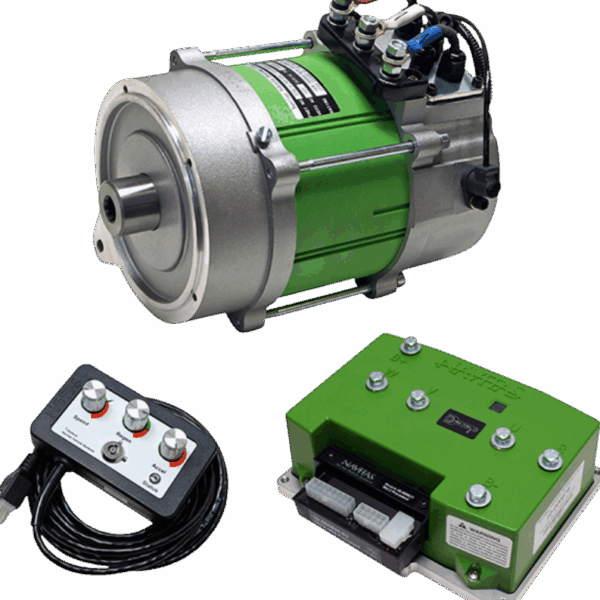
This article explores essential golf cart engine swap methods designed to enhance performance and longevity. Readers will discover practical tips and best practices for ensuring a smooth golf cart motor upgrade process, along with insights into selecting the right components and tools for effective golf cart powertrain replacement strategies. Whether you're a novice or an experienced enthusiast, these techniques will help you maintain and optimize your golf cart's functionality.
Understanding the Importance of Golf Cart Motor Replacement
Replacing the motor in your golf cart is a critical maintenance task that can significantly enhance its performance and longevity. A well-functioning motor ensures that your golf cart operates efficiently, allowing you to enjoy smooth rides whether on the course or in your community. Below, we explore the reasons why timely golf cart motor replacement is essential.
Signs That Indicate Motor Replacement Is Needed
Recognizing when your golf cart motor is underperforming can save you time and money in the long run. Here are some key indicators:
- Reduced Speed: If your cart is struggling to reach its usual top speed, it may be time for a motor replacement.
- Unusual Noises: Grinding or knocking sounds can signify motor wear and tear.
- Frequent Breakdowns: If you find yourself needing repairs more often, the motor might be the culprit.
- Increased Energy Consumption: A failing motor may require more battery power, leading to decreased efficiency.
Benefits of Replacing Your Golf Cart Motor
Investing in a new motor brings several advantages:
- Enhanced Performance: A new motor can improve acceleration and overall speed.
- Improved Battery Life: Efficient motors consume less energy, extending the lifespan of your batteries.
- Cost-Effective in the Long Run: While the initial investment may seem high, a new motor can reduce repair costs and enhance resale value.
- Better Reliability: A fresh motor minimizes the risk of unexpected failures during use.
Choosing the Right Replacement Motor
When considering motor replacement, it’s essential to select a compatible and high-quality option. Look for motors that fit your golf cart model, such as the Adger Golf Cart Motor priced around $499, known for its durability and efficiency. Alternatively, the EZGO DCS Motor, available for approximately $389, offers a great balance of performance and affordability.
Key Features to Consider
When selecting a replacement motor, pay attention to the following features:
- Power Rating: Ensure the motor provides adequate horsepower for your needs.
- Voltage Compatibility: Check that the motor matches your cart’s battery voltage (e.g., 36V or 48V).
- Cooling System: A motor with a built-in cooling system can enhance longevity and performance.
Understanding the significance of golf cart motor replacement not only optimizes performance but also enhances the overall experience of using your golf cart. By recognizing the signs of wear and selecting the right replacement, you can ensure your cart remains a reliable and enjoyable mode of transportation.
Step-by-Step Guide to Replacing Your Golf Cart Motor
Replacing your golf cart motor can significantly enhance its performance and extend its lifespan. This guide will walk you through the essential steps needed to successfully replace your golf cart motor, ensuring you have all the information necessary for a smooth process.
Tools and Materials You Will Need
Before you begin, gather the following tools and materials:
- Socket wrench set – for loosening and tightening bolts.
- Screwdriver set – to remove screws from various components.
- Replacement motor – ensure compatibility with your golf cart model.
- Electrical tape – for securing wiring connections.
- Safety goggles – to protect your eyes during the process.
- Gloves – to keep your hands safe from sharp edges.
Step 1: Disconnect the Battery
Before starting any work on your golf cart, it’s critical to disconnect the battery to prevent any electrical shocks or short circuits.
- Locate the battery compartment.
- Use your socket wrench to remove the negative terminal first, followed by the positive terminal.
Step 2: Remove the Old Motor
With the battery disconnected, you can now focus on removing the old motor.
- Identify the mounting bolts that secure the motor in place.
- Using your socket wrench, carefully remove these bolts.
- Disconnect any electrical connections, taking note of their positions for reinstallation.
- Carefully lift the motor out of its housing.
Step 3: Prepare the New Motor
Before installation, ensure your new motor is ready for placement.
- Inspect the new motor for any damage.
- Compare it with the old motor to ensure proper size and fit.
- Connect any necessary wiring as per the original configuration.
Step 4: Install the New Motor
Now it’s time to install your new motor.
- Carefully position the new motor into the housing.
- Reattach the mounting bolts and tighten them securely.
- Reconnect the electrical wires, ensuring they match the original setup.
Step 5: Reconnect the Battery
With the new motor installed, it’s time to reconnect the battery.
- Start by connecting the positive terminal first, followed by the negative terminal.
- Ensure that all connections are tight and secure.
Step 6: Test the Golf Cart
Before considering the job complete, it’s crucial to test your golf cart.
- Turn on the ignition and check for any unusual sounds.
- Take the cart for a short drive to ensure the new motor operates smoothly.
- Monitor the performance for any irregularities.
Following this step-by-step guide will help you effectively replace your golf cart motor, leading to enhanced performance and reliability. Whether you're looking to upgrade or simply replace an old motor, understanding these essential golf cart motor replacement techniques will serve you well.
Common Tools and Materials Needed for Golf Cart Motor Replacement
When undertaking a golf cart motor replacement, having the right tools and materials is essential for ensuring a smooth and effective process. Below, we outline the necessary items that will aid in achieving optimal performance during this task.
Essential Tools
To successfully replace the motor in your golf cart, you will need the following tools:
- Socket Set: A comprehensive socket set, including metric and standard sizes, is crucial for loosening and tightening bolts securely.
- Wrenches: Both adjustable and fixed wrenches will be helpful for gripping and turning various nuts and bolts.
- Screwdrivers: A set of Phillips and flathead screwdrivers will assist in removing any covers or components that obstruct motor access.
- Pliers: Needle-nose pliers can be particularly useful for manipulating small parts and wires.
- Torque Wrench: This tool is essential for ensuring that bolts are tightened to the manufacturer's specifications, preventing any damage or failure.
Safety Equipment
Safety should always be a priority during any mechanical work. Ensure you have the following:
- Safety Glasses: Protect your eyes from debris and potential hazards.
- Gloves: A pair of durable gloves will protect your hands from sharp edges and provide a better grip.
- Steel-Toed Boots: These will protect your feet from heavy objects that may fall during the replacement process.
Replacement Materials
In addition to tools, certain materials are necessary to ensure your golf cart motor functions effectively after replacement:
- New Motor: Selecting a compatible replacement motor that meets the specifications of your golf cart is critical. Prices can range from $500 to $1,500, depending on the model and brand.
- Motor Mounting Hardware: New bolts, washers, and nuts are often required to secure the new motor properly.
- Electrical Connectors: Make sure to have suitable connectors to reattach wiring securely, as old connectors may be damaged or corroded.
- Lubricants: High-quality lubricants can ensure smooth operation of moving parts and reduce wear and tear.
Additional Considerations
Before starting the replacement, consider the following:
- Owner’s Manual: Always refer to your golf cart's owner's manual for specific instructions and specifications related to motor replacement.
- Workspace: Ensure your workspace is clean and organized, providing ample room to work safely.
- Time: Allocate enough time for the replacement process, as rushing can lead to mistakes or oversights.
Having these tools and materials on hand will facilitate a more efficient and successful golf cart motor replacement, ultimately enhancing your golf cart's performance.
Choosing the Right Replacement Motor for Your Golf Cart
Selecting the appropriate replacement motor for your golf cart is crucial for enhancing performance and ensuring longevity. With various options available, it’s essential to consider several factors before making your decision.
Assessing Compatibility
Before diving into specific motor models, ensure that the replacement motor is compatible with your golf cart's make and model. Consider the following:
- Voltage: Most golf carts operate on either 36V or 48V systems. Verify your cart's voltage to avoid compatibility issues.
- Motor Type: Decide between series wound, shunt wound, or permanent magnet motors based on your usage needs.
- Physical Dimensions: Ensure the motor fits within the existing space without requiring modifications.
Performance Needs
Understanding your performance requirements is vital. Different motors offer varying torque and speed capabilities:
- Torque: If you frequently navigate hilly terrains, a motor with higher torque is essential for better performance.
- Speed: For flat terrains, a motor designed for higher speeds can enhance your golfing experience.
Efficiency and Power Consumption
A motor’s efficiency directly affects battery life and overall cart performance. Look for motors that provide optimal power without excessive energy consumption. High-efficiency motors can improve your golf cart's range, allowing for longer outings without needing a recharge.
Top Replacement Motor Recommendations
When considering specific motors, here are a few options that are known for their reliability and performance:
- Adger 36V 500W Motor: Offers excellent torque and is ideal for hilly terrains, priced around $300.
- GE 48V 700W Motor: Known for its high speed and efficiency, retailing for approximately $450.
- AMD 36V 300W Motor: A cost-effective option at about $250, suitable for flat courses.
Warranty and Support
Always check for warranty details and customer support options when selecting a replacement motor. A reliable warranty can provide peace of mind and protection against defects.
Choosing the right replacement motor for your golf cart involves careful consideration of compatibility, performance needs, and efficiency. By focusing on these aspects, you can ensure your golf cart remains a reliable companion on the course.
Maintenance Tips After Golf Cart Motor Replacement
Replacing your golf cart motor is a significant step towards ensuring optimal performance. However, proper maintenance post-replacement is essential for longevity and reliability. Here are some tailored tips to keep your newly installed motor running smoothly.
Regular Inspection
After replacing the motor, it’s vital to conduct regular inspections. Look for any signs of wear or damage, particularly around the motor connections and battery terminals. A well-maintained motor can significantly enhance your golf cart's performance.
- Check for Loose Connections: Ensure that all wiring and connections are secure.
- Inspect for Corrosion: Examine battery terminals and connectors for any corrosion that could affect performance.
- Monitor Fluid Levels: Keep an eye on any fluids that may need replenishing, including brake and steering fluids.
Keep the Motor Clean
A clean motor is a happy motor. Dust and debris can accumulate, leading to overheating or mechanical failure. Regular cleaning can prevent these issues.
- Use Compressed Air: Blow out dust and dirt from the motor housing.
- Wipe Down Surfaces: Use a damp cloth to clean exposed areas without getting moisture into electrical components.
- Check Cooling Vents: Ensure that air vents are free from obstruction to maintain proper cooling.
Monitor Performance
Pay close attention to how your golf cart performs after the motor replacement. Any changes in speed, noise, or responsiveness can indicate underlying issues.
- Listen for Unusual Noises: Be alert to any strange sounds that could signify mechanical problems.
- Test the Acceleration: Ensure that the cart accelerates smoothly and responds to the throttle without hesitation.
- Check for Vibration: Excessive vibrations may indicate misalignment or imbalance in the motor installation.
Battery Maintenance
The performance of your golf cart motor is closely tied to the condition of the batteries. Regular battery maintenance can extend the life of both the motor and the batteries.
- Charge Regularly: Ensure that your batteries are charged according to the manufacturer's recommendations.
- Inspect Battery Health: Check for any swelling or leakage, which can indicate a failing battery.
- Clean Battery Terminals: Remove corrosion from battery terminals to maintain a good electrical connection.

Follow Manufacturer Guidelines
Each motor model may have specific maintenance requirements. Always refer to the manufacturer’s manual for detailed instructions on maintenance schedules and procedures.
- Adhere to Service Intervals: Follow the recommended service intervals for optimal motor performance.
- Use Compatible Parts: When replacing any components, ensure they are compatible with your specific motor model.
- Seek Professional Help: If unsure about any maintenance task, consult a professional for assistance.
By following these maintenance tips after your golf cart motor replacement, you can ensure that your cart remains in top condition, providing reliable service for years to come. Proper care not only enhances performance but also extends the lifespan of your motor and other vital components.
We would love to hear your thoughts and questions about Golf Cart Motor Replacement Techniques! Your insights and inquiries not only enrich our community but also help fellow enthusiasts navigate this essential aspect of golf cart maintenance. Whether you have personal experiences to share or are curious about specific techniques, please feel free to leave your comments below. Let's foster a supportive dialogue and enhance our understanding together!
Leave a Reply