

In this article, readers will discover practical solutions for addressing golf vehicle fluid escape repairs to ensure a smooth and enjoyable ride. We will explore various methods and tips for tackling cart hydraulic fluid leak remedies, providing insights into common issues and effective fixes. Whether you're a seasoned golfer or a casual user, these golf cart fluid leak solutions will help maintain your vehicle's performance and reliability on the course.
Common Causes of Hydraulic Leaks in Golf Carts

Understanding the common causes of hydraulic leaks in golf carts is essential for effective maintenance and ensuring a smooth ride. Here are some prevalent issues that can lead to hydraulic leaks:
1. Worn Seals and Gaskets
One of the primary culprits of hydraulic leaks in golf carts is the deterioration of seals and gaskets. Over time, these components can become brittle or cracked due to age, exposure to harsh weather, or inadequate lubrication.
- Symptoms: Visible fluid around the seals, reduced hydraulic pressure.
- Prevention: Regularly inspect seals and replace them as needed to maintain optimal performance.
2. Damaged Hydraulic Hoses
Hydraulic hoses are crucial for transporting fluid throughout the system. They can suffer from abrasions, kinks, or even complete breaks.
- Symptoms: Leaking fluid along the length of the hose, reduced responsiveness in hydraulic functions.
- Prevention: Conduct routine inspections and replace any worn or damaged hoses promptly.
3. Loose Fittings and Connections
Over time, fittings and connections can loosen due to vibration and regular use. This can lead to fluid escaping from these points.
- Symptoms: Puddles of hydraulic fluid under the cart, hissing sounds from connections.
- Prevention: Regularly check and tighten fittings to ensure a secure connection.
4. Overfilled Hydraulic Reservoir
An overfilled hydraulic reservoir can create excessive pressure within the system, leading to leaks.
- Symptoms: Fluid overflow, inconsistent hydraulic function.
- Prevention: Maintain proper fluid levels according to the manufacturer’s guidelines.
5. Environmental Factors
Exposure to extreme temperatures, moisture, and contaminants can accelerate the wear and tear of hydraulic components.
- Symptoms: Accelerated fluid degradation, increased likelihood of leaks.
- Prevention: Store the golf cart in a climate-controlled environment when not in use.
By identifying these common causes of hydraulic leaks, golf cart owners can take proactive measures to prevent issues and ensure their vehicle operates smoothly. Regular maintenance and timely repairs are essential to avoid costly damage and enhance the longevity of the hydraulic system.
Step-by-Step Guide to Identifying Hydraulic Leaks
Identifying hydraulic leaks promptly is crucial for maintaining the efficiency of your equipment and ensuring safety. This guide provides a systematic approach to detect and diagnose hydraulic leaks effectively.
Step 1: Safety Precautions
Before starting your inspection, prioritize safety. Ensure you wear appropriate personal protective equipment (PPE), including gloves and goggles. Additionally, ensure that the hydraulic system is depressurized to prevent accidental discharge.
Step 2: Visual Inspection
Begin with a thorough visual examination of the hydraulic system. Look for signs of fluid accumulation, which may indicate a leak. Pay attention to:
- Hoses and Fittings: Check for any cracks, bulges, or loose connections.
- Fluid Reservoir: Inspect for any fluid around the reservoir that could signal a leak.
- Cylinders: Look for fluid around the seals and rods.
Step 3: Check Fluid Levels
Monitor the hydraulic fluid levels in the reservoir. A sudden drop in fluid levels may indicate a leak. Ensure to record the fluid level and check it again after a short period to determine if there’s a continuous loss.
Step 4: Use of Dye and UV Light
For more challenging leaks, consider using a hydraulic fluid dye. Add the dye to the hydraulic system and allow it to circulate. After some time, use a UV light to illuminate the area. The dye will fluoresce, making it easier to spot the leak source.
Step 5: Pressure Testing
Conduct a pressure test on the hydraulic system. This involves using a pressure gauge to monitor the system's performance. If the pressure drops unexpectedly, it could indicate a leak. Ensure to follow manufacturer guidelines for this procedure to avoid damage.
Step 6: Listen for Unusual Sounds
While operating the hydraulic system, listen for any unusual sounds such as hissing or whistling, which may indicate escaping fluid. This auditory clue can guide you to the location of the leak.
Step 7: Consult the Manual
Refer to the equipment’s manual for specific troubleshooting tips related to hydraulic leaks. The manual often contains diagrams and detailed information that can assist in pinpointing potential problem areas.
Step 8: Document Findings
Keep a detailed record of your findings, including locations of suspected leaks and any steps taken during the inspection. This documentation will be helpful for future reference and for any professional repairs that may be necessary.
By following these steps, you can efficiently identify hydraulic leaks in your system. Early detection not only prolongs the lifespan of your equipment but also contributes to a smoother and safer operation, ultimately supporting effective hydraulic management.
Effective Repair Techniques for Golf Cart Hydraulic Leaks

Experiencing hydraulic leaks in your golf cart can be frustrating, but understanding the right repair techniques can help you restore your vehicle’s functionality. Here are some effective methods to address hydraulic leaks, ensuring a smooth and reliable ride.
Identifying the Source of the Leak
Before attempting any repairs, it’s crucial to pinpoint the exact location of the leak. Common areas to inspect include:
- Hydraulic hoses: Look for cracks or frayed edges.
- Seals and gaskets: Check for wear or damage around fittings.
- Hydraulic cylinder: Inspect for any visible fluid seepage.
Utilizing a clean cloth can help you identify wet spots where fluid may be leaking.
Repairing Hydraulic Hoses
If you discover that the hydraulic hoses are the source of the leak, consider the following repair techniques:
- Hose Replacement: If the hose is severely damaged, replacing it with a high-quality hose, such as the Goodyear Hydraulic Hose priced around $3.50 per foot, is advisable.
- Hose Repair Kits: For minor leaks, using a hose repair kit, like the Hose Repair Clamp Set available for approximately $10, can provide a quick fix.
Ensure that any replacements match the specifications of your golf cart to maintain optimal performance.
Addressing Seals and Gaskets
Damaged seals and gaskets can lead to significant hydraulic leaks. Here’s how to tackle this issue:
- Seal Replacement: Use a high-quality sealant or gasket maker, such as Permatex Ultra Black Silicone Gasket Maker, which costs about $6. This can help create a durable seal.
- Regular Maintenance: Routinely check seals for wear and replace them as necessary to prevent leaks from occurring.
Utilizing proper torque specifications when tightening fittings can also help extend the life of your seals.
Fixing Hydraulic Cylinder Leaks
If the leak is traced back to the hydraulic cylinder, consider these repair techniques:
- Piston Seal Replacement: If the piston seal is worn, replacing it is essential. Kits for specific models can range from $15 to $30.
- Repacking the Cylinder: If the cylinder is leaking around the rod, repacking it with appropriate hydraulic grease can offer a temporary solution.
Ensure that all components are compatible with your golf cart’s hydraulic system for the best results.
Testing for Leaks After Repairs
After completing repairs, it’s vital to test for leaks to ensure that the issues have been resolved. Follow these steps:
- Reassemble Components: Carefully reassemble any parts you have disassembled during the repair.
- Check Fluid Levels: Ensure that the hydraulic fluid is at the correct level.
- Run the Cart: Start the golf cart and observe the repaired areas for any signs of leaks.
Regular checks and maintenance can help keep your hydraulic system functioning smoothly, preventing future leaks.
By employing these effective repair techniques for golf cart hydraulic leaks, you can ensure your vehicle remains in top condition, providing a seamless golfing experience.
Preventive Maintenance Tips to Avoid Hydraulic Leaks

Hydraulic leaks can lead to significant operational issues and costly repairs. Implementing preventive maintenance strategies is essential for maintaining the integrity of hydraulic systems. Here are some practical tips to help you avoid hydraulic leaks and ensure a smooth operation.
Regular Inspection of Hydraulic Components
Conduct routine inspections of all hydraulic components. Pay special attention to the following:
- Hoses: Look for signs of wear, cracks, or bulges.
- Fittings: Check for any loose connections or signs of corrosion.
- Cylinders: Inspect for any visible leaks around seals and joints.
Frequent checks can help identify potential problems before they escalate.
Maintain Proper Fluid Levels
Ensure that hydraulic fluid levels are within the recommended range. Low fluid levels can lead to increased heat and pressure, which may cause leaks. Always use the specified hydraulic fluid type for your equipment to prevent compatibility issues.
Fluid Quality Matters
Use high-quality hydraulic fluids that meet the manufacturer's specifications. Regularly change the fluid according to the maintenance schedule to prevent contamination and degradation that can contribute to leaks.
Monitor Temperature and Pressure
Keep an eye on the operating temperature and pressure of the hydraulic system. Elevated temperatures can cause hoses and seals to degrade faster, while excessive pressure can lead to ruptures. Installing temperature and pressure gauges can provide real-time data for better monitoring.
Seal and Gasket Maintenance
Check seals and gaskets regularly for signs of wear and tear. Replace any damaged seals promptly to prevent leaks. Utilizing high-quality seals designed for your specific hydraulic system can significantly reduce the risk of leakage.
Use Sealant Products
Consider applying appropriate sealant products on threaded connections to enhance leak prevention. Ensure that the sealants used are compatible with hydraulic fluids to avoid future issues.
Training and Best Practices
Educate all personnel involved in the operation and maintenance of hydraulic systems. Proper training on handling hydraulic components can reduce the likelihood of accidental damage that may lead to leaks.
By implementing these preventive maintenance tips, you can significantly reduce the risk of hydraulic leaks, enhancing the longevity and efficiency of your hydraulic systems. Prioritizing regular maintenance not only ensures effective performance but also contributes to a safer working environment.
When to Seek Professional Help for Hydraulic Leak Issues

Identifying the right moment to consult a professional for hydraulic leak problems is crucial to maintaining the efficiency and safety of your equipment. Here are key indicators that suggest it’s time to reach out to an expert:
Signs of Severe Hydraulic Leaks
If you notice any of the following symptoms, it may indicate a serious hydraulic leak that requires professional intervention:
- Significant Fluid Loss: If you observe that your hydraulic fluid levels are dropping rapidly, it’s a strong sign that there’s a serious leak.
- Unusual Noise: Grinding or whining noises from hydraulic components can signal internal issues that need expert attention.
- Decreased Performance: A noticeable drop in the responsiveness or power of your hydraulic system can indicate a malfunction that should be assessed by a professional.
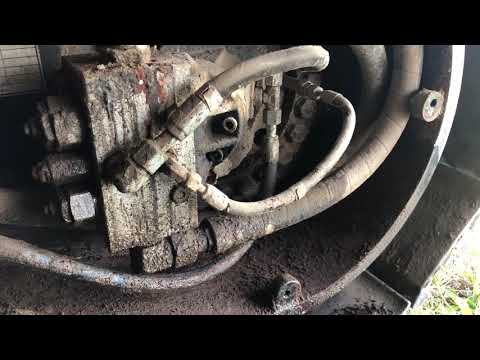
- Visible Puddles: If you find large puddles of hydraulic fluid beneath your equipment, it’s time to seek help.
Complexity of the Hydraulic System
Hydraulic systems can be intricate, and attempting repairs without adequate knowledge can lead to further complications. Consider professional assistance if:
- Inadequate Tools: If you lack the necessary tools or equipment to perform a thorough inspection and repair, it's advisable to consult a specialist.
- Uncertainty About Diagnosis: If you’re unsure of the source of the leak or how to address it, a professional can provide a clear diagnosis and effective solutions.
Safety Concerns
Working with hydraulic systems can pose safety risks. If you encounter any of the following, prioritize professional help:
- Fluid Contamination: If the hydraulic fluid appears contaminated or discolored, a professional can assess the situation safely.
- Pressure Issues: Experiencing fluctuations in pressure can be dangerous and should be handled by a trained technician.
When to Call a Specialist
If you find yourself facing any of these issues, it’s advisable to contact a hydraulic repair service:
- Persistent leaks that do not improve with basic maintenance
- Complex machinery requiring specialized knowledge
- Emergency situations where equipment failure could lead to hazards
Taking prompt action by seeking professional help can not only prevent further damage but also ensure the safe and efficient operation of your hydraulic systems. By addressing hydraulic leak issues early, you can avoid costly repairs and maintain the performance of your equipment effectively.
We would love to hear your thoughts and experiences regarding Golf Cart Hydraulic Leak Fixes! Your insights and questions not only enrich our community but also help fellow enthusiasts navigate their own challenges. Please feel free to share your opinions or any inquiries you might have in the comments below. Together, we can create a supportive space for learning and improvement. Thank you for being a part of our conversation!
Leave a Reply