
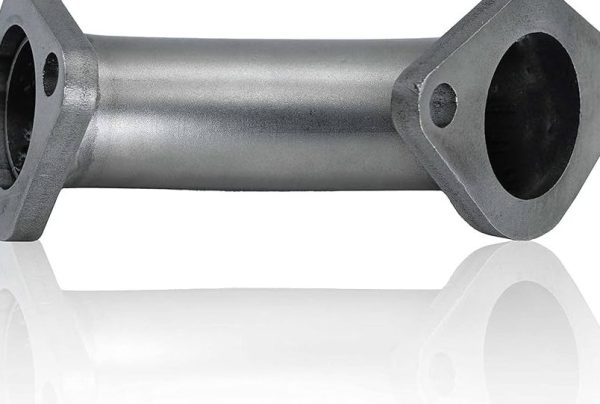
This article explores crucial golf cart intake manifold repairs that can significantly enhance your vehicle's performance. Readers will discover common issues associated with the intake manifold of golf carts, practical solutions, and maintenance tips to ensure optimal functionality. By addressing these essential manifold fixes, you can keep your golf cart running smoothly and efficiently on the course.
Common Symptoms of Golf Cart Intake Manifold Issues
When it comes to maintaining the performance of your golf cart, understanding the common symptoms of intake manifold problems is essential. Identifying these issues early can prevent more extensive damage and costly repairs. Below are some key indicators that your golf cart may be experiencing intake manifold difficulties.
1. Poor Acceleration
If you notice a significant delay or sluggishness when pressing the accelerator, this could be a sign of an intake manifold issue. The manifold plays a crucial role in delivering the right air-fuel mixture to the engine. When it malfunctions, the engine may not receive sufficient fuel or air, resulting in poor acceleration.
2. Engine Misfiring
Another symptom to watch for is engine misfiring. This can manifest as rough idling or unexpected stalling. A compromised intake manifold can lead to an improper air-fuel mixture, causing the engine to struggle to maintain a steady operation.
Signs of Engine Misfiring:
- Inconsistent RPMs: Fluctuating engine speed while idling.
- Unusual Noises: Popping or backfiring sounds from the engine.
- Check Engine Light: Dashboard warning indicating a potential issue.
3. Increased Fuel Consumption
If you find that your golf cart is consuming more fuel than usual, it may be a symptom of intake manifold issues. A faulty manifold can lead to an imbalanced air-fuel mixture, forcing the engine to work harder and consume more fuel to achieve the desired power.
4. Visible Damage or Leaks
Inspecting your golf cart for any visible signs of damage can also be beneficial. Look for cracks, holes, or any signs of wear on the intake manifold. Additionally, if you notice any fluid leaks around the manifold area, it may indicate a significant problem that needs immediate attention.
5. Unusual Engine Temperature
An engine running hotter than normal can be another indication of intake manifold problems. If the manifold is not functioning correctly, it may cause the engine to overheat due to improper air-fuel mixture, leading to potential engine damage.
Recognizing these symptoms early on can help you maintain your golf cart's performance and longevity. If you experience any of these issues, it’s advisable to consult a professional for an assessment and potential essential golf cart intake manifold fixes for optimal performance.
Step-by-Step Guide to Golf Cart Intake Manifold Repairs
Repairing the intake manifold on your golf cart is essential for maintaining optimal engine performance. This guide provides a detailed approach to effectively carry out these repairs, ensuring your golf cart runs smoothly. Follow these steps to achieve a successful repair.
Tools and Materials Needed
Before you begin, gather the following tools and materials to ensure a smooth repair process:
- Socket set - for removing bolts
- Screwdriver set - for accessing various components
- Gasket scraper - for cleaning surfaces
- Replacement gasket - to ensure a proper seal
- Intake manifold repair kit - if necessary
- Engine oil - for lubrication
- Torque wrench - for precise bolt tightening
- Safety goggles - for eye protection
- Gloves - to keep hands clean
Step 1: Safety First
Ensure your golf cart is turned off and parked on a flat surface. Disconnect the battery to prevent any electrical issues during the repair process. Wear your safety goggles and gloves to protect yourself from debris.
Step 2: Remove the Old Intake Manifold
To access the intake manifold:
1. Locate the manifold - Identify the intake manifold, which is typically situated on the side of the engine.
2. Disconnect hoses and wires - Carefully disconnect any hoses or electrical connections attached to the manifold.
3. Unbolt the manifold - Use the socket set to remove the bolts securing the manifold. Keep these bolts in a safe place for reinstallation.
Step 3: Clean the Surfaces
Once the manifold is removed, clean both the manifold and the engine surface thoroughly:
1. Use a gasket scraper - Remove any remnants of the old gasket to ensure a proper seal for the new one.
2. Wipe down surfaces - Use a clean cloth to remove any dirt or debris.
Step 4: Install the New Gasket
Place the new gasket onto the engine surface. Ensure it is aligned correctly with the bolt holes. This step is crucial for preventing air leaks, which can affect engine performance.
Step 5: Reattach the Intake Manifold
1. Position the manifold - Carefully place the intake manifold back onto the engine.
2. Bolt it down - Use the torque wrench to tighten the bolts to the manufacturer's specified torque settings. This ensures that the manifold is securely fastened without damaging it.
Step 6: Reconnect Hoses and Wires
Reconnect all hoses and electrical connections that were detached during the removal process. Double-check that everything is secure and in its proper place.
Step 7: Reconnect the Battery and Test
Once all components are reattached:
1. Reconnect the battery - Ensure all connections are tight.
2. Start the engine - Turn on the golf cart and listen for any unusual sounds. Check for leaks around the intake manifold area.
3. Perform a test drive - Take your golf cart for a short drive to ensure it operates smoothly and that the repairs have been successful.
Following these steps will help you effectively repair your golf cart's intake manifold, ensuring optimal performance and longevity. Regular maintenance and timely repairs are key to keeping your golf cart in top shape.
Essential Tools and Materials for Intake Manifold Fixes
When tackling intake manifold repairs, having the right tools and materials is crucial for achieving optimal performance. Below is a comprehensive list of essential items that will aid in the successful completion of your intake manifold fixes.
Basic Tools
- Socket Set: A complete socket set, including both metric and SAE sizes, is necessary for loosening and tightening bolts on the intake manifold.
- Torque Wrench: Ensuring that bolts are tightened to the manufacturer’s specifications is vital for preventing leaks. A torque wrench allows for precise adjustments.
- Ratchet and Extensions: A ratchet with various extensions can help reach tight spaces around the manifold, making the job easier.
- Screwdrivers: A set of flathead and Phillips screwdrivers will assist in removing clamps and fasteners securely.
Specialized Tools
- Manifold Gauge Set: This tool is essential for diagnosing vacuum leaks and ensuring the intake manifold is functioning correctly.
- Gasket Scraper: To prepare the surface for a new gasket, a gasket scraper will help remove old gasket material without damaging the manifold.
- Fuel Line Disconnect Tool: This tool is necessary for safely disconnecting fuel lines from the intake manifold, preventing fuel spillage.
Materials Required
- Replacement Gaskets: High-quality gaskets designed specifically for your vehicle’s make and model ensure a proper seal.
- RTV Silicone Sealant: For additional sealing, a reliable RTV silicone can be used in conjunction with gaskets, especially in areas prone to leaks.
- Cleaning Solvent: A solvent is essential for cleaning the intake manifold and surrounding areas before installation to ensure a good seal.
Safety Gear
- Gloves: Protective gloves keep your hands safe from sharp edges and chemicals.
- Safety Glasses: Wearing safety glasses is crucial to protect your eyes from debris and chemical splashes during the repair process.
By equipping yourself with these essential tools and materials for intake manifold fixes, you can enhance your vehicle's performance while ensuring a smooth and effective repair process. Each item plays a vital role in addressing the specific challenges that arise during intake manifold repairs, leading to long-lasting results.
Preventive Maintenance Tips for Your Golf Cart's Intake Manifold
Maintaining your golf cart’s intake manifold is crucial for ensuring optimal engine performance and longevity. Regular upkeep can help prevent issues that could lead to costly repairs. Here are some practical tips to keep your golf cart’s intake manifold in top condition.
Regular Inspections
Conduct routine inspections of the intake manifold for any signs of wear or damage. Look for:
- Cracks or leaks: These can lead to air leaks, affecting engine efficiency.
- Corrosion: Particularly in older models, corrosion can weaken the manifold.
- Loose fittings: Ensure that all bolts and clamps are tightened to prevent air leaks.
Clean the Intake Manifold
Keeping the intake manifold clean is essential for performance. Here’s how to do it effectively:
- Use a soft brush: Gently scrub the manifold to remove dirt and debris.
- Apply a suitable cleaner: Use a non-corrosive cleaner designed for automotive use to eliminate carbon buildup.
- Rinse and dry: After cleaning, rinse with water and ensure it is completely dry before reinstallation.
Check Gaskets and Seals
The gaskets and seals play a vital role in maintaining the integrity of the intake manifold. Regularly check for:
- Wear and tear: Replace any worn gaskets to prevent leaks.
- Proper seating: Ensure gaskets are seated correctly to maintain a tight seal.
Monitor Engine Performance
Pay attention to how your golf cart performs. Signs of intake manifold issues may include:
- Decreased power: A noticeable drop in acceleration or power can indicate a problem.
- Unusual noises: Hissing or popping sounds may suggest air leaks.
- Increased fuel consumption: An inefficient intake manifold can lead to higher fuel usage.
Schedule Professional Maintenance
Even with regular inspections and cleaning, it’s wise to schedule professional maintenance at least once a year. A qualified technician can:
- Perform a comprehensive inspection: They can identify issues that may not be visible during routine checks.
- Provide expert advice: Professionals can offer insights into any necessary repairs or upgrades.
By implementing these preventive maintenance tips, you can enhance the performance of your golf cart’s intake manifold and ensure it operates efficiently for years to come. Regular care not only extends the lifespan of the manifold but also contributes to a smoother and more enjoyable ride on the golf course.
When to Seek Professional Help for Intake Manifold Problems
Understanding when to consult a professional for intake manifold issues can significantly impact your vehicle's performance and longevity. Recognizing the signs early can prevent minor issues from escalating into major repairs. Here are some key indicators that it's time to seek expert assistance.
Signs of Intake Manifold Malfunction
If you notice any of the following symptoms, it may indicate a problem with your intake manifold:
- Engine Misfires: Frequent misfiring can signal a vacuum leak or improper air-fuel mixture.
- Reduced Engine Performance: A noticeable drop in power or acceleration may be linked to intake manifold issues.
- Unusual Engine Noise: Whistling or hissing sounds could suggest a vacuum leak that needs immediate attention.
- Check Engine Light: If the light illuminates, it's essential to diagnose the underlying cause, which may involve the intake manifold.
- Excessive Fuel Consumption: If your vehicle starts using more fuel than usual, this could indicate an air-fuel imbalance related to the intake manifold.
Potential Consequences of Ignoring Intake Manifold Problems
Delaying professional intervention can lead to further complications, including:
- Increased Repair Costs: What starts as a minor leak can develop into a full-blown engine issue, leading to costly repairs.
- Engine Damage: Prolonged issues can cause severe damage to the engine, impacting its overall health and performance.
- Safety Hazards: A malfunctioning intake manifold can lead to engine stalls, posing risks during driving.

Professional Services to Consider
When seeking help for intake manifold problems, look for services that offer:
- Diagnostic Testing: Professionals should utilize advanced diagnostic tools to pinpoint the issue accurately.
- Comprehensive Inspections: A thorough inspection can uncover hidden problems, ensuring all related components are in good condition.
- Quality Repairs: Ensure the service provider uses high-quality parts and offers a warranty on their work.
It's essential to address any intake manifold issues promptly to maintain optimal performance. If you experience any of the aforementioned symptoms, don’t hesitate to contact a qualified technician who specializes in essential golf cart intake manifold fixes. Taking swift action can save you time, money, and stress in the long run.
We’d love to hear your thoughts and questions about Golf Cart Intake Manifold Fixes! Your insights and experiences can greatly enrich our discussion and help others in the community. Whether you have a tip to share or need clarification on a specific issue, please don’t hesitate to leave a comment. Together, we can navigate these challenges and enhance our golfing adventures!
Leave a Reply