
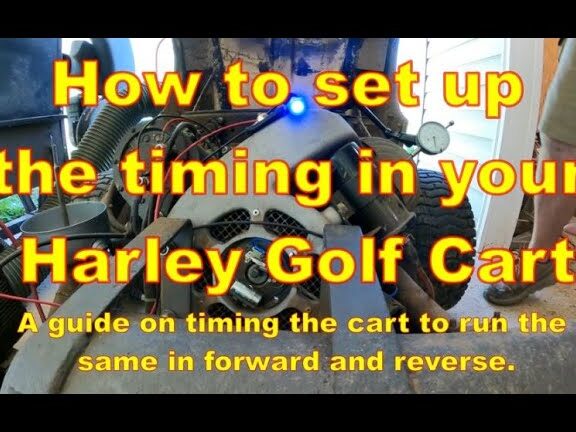
In this article, readers will discover crucial insights into golf vehicle motor synchronization for achieving peak performance. The piece delves into the significance of cart engine timing regulation, providing step-by-step guidance and expert tips to ensure your golf cart runs smoothly and efficiently. Whether you're a seasoned enthusiast or a newcomer, understanding golf cart engine timing calibration will enhance your driving experience on the course.
- Understanding Golf Cart Engine Timing: Importance and Function
- Step-by-Step Guide to Adjusting Your Golf Cart Engine Timing
- Common Signs Your Golf Cart Engine Timing Needs Adjustment
- Tools and Equipment Required for Golf Cart Engine Timing Adjustment
- Maintaining Optimal Performance After Engine Timing Adjustment
Understanding Golf Cart Engine Timing: Importance and Function

Golf cart engine timing is a critical component that affects the overall performance and longevity of your vehicle. Proper timing ensures that the engine's valves open and close at the right moments in relation to the position of the pistons. This synchronization is essential for maximizing power output, fuel efficiency, and minimizing emissions.
The Role of Engine Timing in Performance
When discussing golf cart engine timing, it’s important to recognize its influence on several performance metrics:
- Power Delivery: Correct timing ensures optimal combustion, leading to better acceleration and torque.
- Fuel Efficiency: Accurate timing reduces wasted fuel, improving the miles per gallon your golf cart can achieve.
- Emissions Control: Properly timed engines produce fewer harmful emissions, aligning with environmental regulations.
Components Involved in Engine Timing
Understanding the key components that influence engine timing can help you maintain your golf cart more effectively:
- Camshaft: Responsible for opening and closing the engine's valves at precise intervals.
- Crankshaft: Works in tandem with the camshaft, ensuring that the pistons and valves operate in harmony.
- Timing Belt/Chain: Connects the camshaft and crankshaft, keeping them synchronized.
Signs of Timing Issues
Being aware of potential timing problems can save you time and money on repairs:
- Engine Misfiring: Inconsistent power delivery can indicate timing discrepancies.
- Reduced Performance: A noticeable drop in acceleration or power may be linked to timing issues.
- Unusual Noises: Grinding or rattling sounds may suggest a failing timing belt or chain.
Maintaining Optimal Engine Timing
Regular maintenance is essential for ensuring your golf cart's engine timing remains accurate:
- Regular Inspections: Check the timing belt or chain for wear and tear.
- Adjustments: If necessary, make adjustments according to your golf cart manufacturer’s specifications.
- Professional Servicing: Consult a qualified technician for in-depth timing checks and adjustments.
By understanding the significance and functionality of golf cart engine timing, you can enhance your vehicle's performance and longevity. This knowledge is crucial for any golf cart owner aiming for optimal performance, making it an essential guide to golf cart engine timing adjustment for improved efficiency and reliability.
Step-by-Step Guide to Adjusting Your Golf Cart Engine Timing
Adjusting the engine timing of your golf cart is crucial for optimal performance and efficiency. This guide will walk you through the necessary steps to ensure your golf cart runs smoothly, enhancing both speed and fuel economy.
Understanding Engine Timing
Before diving into the adjustment process, it’s essential to understand what engine timing is. Engine timing refers to the precise moment when the spark plug ignites the air-fuel mixture in the engine's cylinder. Proper timing can improve engine performance, reduce emissions, and extend the life of your golf cart.
Tools You Will Need
To adjust the engine timing effectively, gather the following tools:
- Timing light: A device that measures the timing of the engine.
- Wrench set: For loosening and tightening bolts.
- Screwdriver: To make adjustments to the ignition system.
- Service manual: Specific to your golf cart model for reference.
Step-by-Step Adjustment Process
1. Prepare Your Golf Cart
- Ensure the golf cart is parked on a flat surface.
- Disconnect the battery to prevent any electrical issues during the adjustment.
2. Locate the Timing Marks
- Refer to your service manual to find the timing marks on the engine's flywheel.
- Clean the area around the marks to ensure visibility.
3. Connect the Timing Light
- Attach the timing light’s clamp to the battery and connect the inductive pickup to the spark plug wire.
- Reconnect the battery once the light is in place.
4. Start the Engine
- With the golf cart in neutral, start the engine.
- Allow it to warm up for a few minutes to reach optimal operating temperature.
5. Check the Timing
- Shine the timing light at the timing marks while the engine is running.
- Observe where the mark aligns with the timing scale. This indicates whether the timing is correct.
6. Adjust the Timing
- If the timing is off, loosen the distributor hold-down bolt with your wrench.
- Rotate the distributor slightly in the direction needed to adjust the timing.
- Retighten the bolt once you achieve the desired timing.
7. Recheck the Timing
- Use the timing light again to ensure the adjustment was successful.
- Repeat the adjustment process if necessary.
8. Finalize the Setup
- Once the timing is correctly set, turn off the engine.
- Disconnect the timing light and reconnect any components you may have removed.
- Test drive the golf cart to feel the improvements in performance.
Maintenance Tips
Regular maintenance can help keep your golf cart running efficiently:
- Check and replace spark plugs as needed.
- Keep the engine clean to prevent dirt buildup.
- Regularly inspect the ignition system for wear and tear.
Adjusting your golf cart engine timing can significantly enhance its performance. By following this step-by-step guide, you can ensure that your golf cart operates at its best, providing a smoother ride and better fuel efficiency.
Common Signs Your Golf Cart Engine Timing Needs Adjustment
Recognizing the signs that your golf cart's engine timing requires adjustment is crucial for maintaining optimal performance. Ignoring these indicators can lead to decreased efficiency and potential damage. Below are some key symptoms to watch for:
1. Engine Misfiring
If your golf cart's engine is misfiring, it may be a clear indication that the timing is off. This issue often manifests as a rough idle or stuttering during acceleration. You may notice the engine struggling to maintain a consistent speed.
2. Decreased Power and Acceleration
A noticeable reduction in power or sluggish acceleration can signal timing issues. If your golf cart feels less responsive than usual, it might be time to check the engine timing. Proper timing ensures that the engine fires at the right moment, providing the necessary power to tackle inclines or speed up on flat surfaces.
3. Increased Fuel Consumption
If you find yourself refueling your golf cart more frequently without any changes in usage, timing problems could be the culprit. An engine that is not timed correctly may burn more fuel than necessary, leading to a decrease in overall efficiency.
4. Unusual Engine Noises
Pay attention to any strange noises emanating from the engine. Sounds like knocking or pinging can indicate that the timing is misaligned. These noises are often a result of the engine firing at inappropriate times, causing undue stress on internal components.
5. Difficulty Starting the Engine
If your golf cart is taking longer to start or requires multiple attempts, it may be due to improper timing. A well-timed engine should start smoothly and quickly, so persistent starting issues warrant a closer look.
6. Poor Emissions Performance
For those who are environmentally conscious, an increase in emissions can be a telltale sign of timing problems. If your golf cart is releasing more exhaust than usual, it may indicate that the engine timing is not optimized, leading to incomplete combustion.
What to Do If You Notice These Signs
If you experience any of the above symptoms, it’s advisable to consult a professional. A qualified technician can perform an accurate assessment and make the necessary adjustments to restore your golf cart's engine timing. Regular maintenance checks can help prevent these issues and ensure your golf cart operates efficiently.
By staying vigilant and addressing these signs promptly, you can keep your golf cart running smoothly and enhance its longevity. Proper engine timing is essential for optimal performance, so make it a priority in your maintenance routine.
Tools and Equipment Required for Golf Cart Engine Timing Adjustment
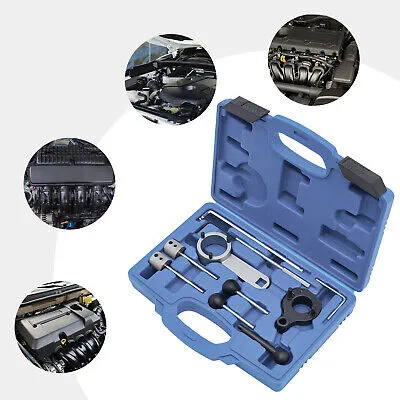
Adjusting the engine timing of your golf cart is crucial for ensuring optimal performance and longevity. To achieve accurate adjustments, specific tools and equipment are necessary. Below is a detailed list of the essential items you will need for a successful timing adjustment.
Essential Tools
- Timing Light: This tool is vital for measuring the ignition timing accurately. A digital timing light can provide precise readings and is often equipped with features like an adjustable advance.
- Socket Set: A complete socket set, particularly with 10mm and 12mm sockets, is essential for removing engine covers and accessing the timing components.
- Wrench Set: An adjustable wrench or a combination of wrenches will help you secure and loosen bolts during the timing adjustment process.
- Screwdrivers: Both flathead and Phillips screwdrivers will be needed to remove any screws holding engine components in place.
Measuring Equipment
- Dial Gauge: A dial gauge is useful for measuring the piston position accurately, which can help in setting the timing marks correctly.
- Torque Wrench: This tool ensures that bolts are tightened to the manufacturer’s specifications, preventing potential engine damage.
Safety Gear
- Safety Glasses: Protect your eyes from debris while working on the engine.
- Gloves: Wearing gloves can help prevent injuries and improve grip while handling tools.
Optional Equipment
- Service Manual: A service manual specific to your golf cart model will provide valuable information about timing specifications and procedures.
- Multimeter: This can be useful for diagnosing electrical issues that may affect engine timing.
Having the right tools and equipment at your disposal will streamline the process of adjusting your golf cart engine timing, ensuring that you achieve optimal performance and reliability. Each of these items plays a significant role in facilitating a successful timing adjustment, making your golf cart run smoothly on the course.
Maintaining Optimal Performance After Engine Timing Adjustment

After successfully adjusting your golf cart's engine timing, it's crucial to focus on maintaining its performance to ensure longevity and efficiency. Here are some key practices to help you achieve that:
Regular Maintenance Checks
Routine maintenance is essential for keeping your engine in top shape. Here are some areas to monitor:
- Oil Levels: Regularly check and change the engine oil to prevent wear and tear.
- Air Filter: Clean or replace the air filter to ensure optimal airflow and performance.
- Fuel Quality: Use high-quality fuel to reduce deposits and maintain engine efficiency.
Monitoring Engine Performance
Post-timing adjustment, keeping an eye on engine performance is vital. Watch for signs that may indicate a need for further adjustments or maintenance:
- Engine Noise: Unusual sounds may suggest timing issues or other mechanical problems.
- Fuel Efficiency: Notice any changes in fuel consumption, as decreased efficiency can signal a problem.
- Acceleration Response: If your golf cart is sluggish, it may require further tuning or inspection.
Utilizing Quality Parts
Investing in high-quality components can significantly enhance your golf cart's performance. Consider these options:
- High-Performance Spark Plugs: These can improve ignition efficiency and engine response.
- Aftermarket Air Filters: Upgrading to a performance air filter can boost airflow and power.
- Premium Fuel Additives: These can clean the fuel system and improve combustion efficiency.

Regularly Update Your Knowledge
Staying informed about advancements in golf cart technology and maintenance techniques is essential. Join online forums, subscribe to relevant publications, or attend workshops to keep your skills sharp.
By implementing these strategies, you can ensure your golf cart remains in peak condition following engine timing adjustments, allowing for an enjoyable and efficient ride.
We genuinely value your thoughts and experiences, and we'd love to hear from you! If you have any opinions, questions, or insights about Golf Cart Engine Timing Adjustment, please feel free to share them in the comments. Your contributions not only enrich our discussion but also help fellow enthusiasts navigate their own journeys with golf cart maintenance. Let’s connect and learn from each other!
Leave a Reply