

This article provides a comprehensive golf cart coolant cap swap guide, detailing the essential steps for effective cooling system upkeep. Readers will discover practical tips and techniques to ensure proper golf cart radiator cover replacement, enhancing the overall performance and longevity of their vehicle. By following this step-by-step approach, you’ll be equipped to tackle this maintenance task with confidence and ease.
- Understanding the Importance of Golf Cart Radiator Cap Functionality
- Step-by-Step Guide to Replacing Your Golf Cart Radiator Cap
- Common Signs Indicating a Need for Golf Cart Radiator Cap Replacement
- Choosing the Right Radiator Cap for Your Golf Cart Model
- Maintenance Tips to Extend the Life of Your Golf Cart Radiator Cap
Understanding the Importance of Golf Cart Radiator Cap Functionality
The radiator cap is a critical component in the cooling system of your golf cart, playing a significant role in maintaining optimal engine temperature. Understanding its functionality can help ensure your golf cart operates efficiently and prevents overheating issues.
How the Radiator Cap Works
The radiator cap serves multiple essential functions:
- Pressure Regulation: The cap maintains the pressure within the cooling system, preventing coolant from boiling over. Typically, golf cart radiator caps are designed to operate at a pressure of around 15 psi, which raises the boiling point of the coolant.
- Coolant Recovery: When the engine cools down, the cap allows for the return of coolant back into the radiator, ensuring that the system remains filled and reducing the risk of air pockets.
- Sealing Mechanism: A well-functioning cap seals the radiator, preventing coolant from leaking out and contaminants from entering, which is vital for the longevity of the engine.
Signs of a Malfunctioning Radiator Cap
Being aware of the signs that your golf cart's radiator cap may be failing is crucial for maintenance:
- Coolant Leaks: Puddles of coolant under your golf cart can indicate a faulty cap that is not sealing properly.
- Overheating: If your engine frequently overheats, it could be due to inadequate pressure regulation from a malfunctioning cap.
- Low Coolant Levels: Regularly finding low coolant levels may signal that the cap is not retaining the fluid as it should.
Importance of Regular Inspection and Replacement
To maintain the efficiency of your golf cart's cooling system, regular inspection and timely replacement of the radiator cap are essential. Here are some tips for effective maintenance:
- Check for Wear and Tear: Inspect the rubber gasket on the cap for signs of wear, cracks, or deformation.
- Test Pressure: Use a radiator cap tester to ensure the cap maintains the correct pressure. If it fails to hold pressure, replacement is necessary.
- Follow Manufacturer Guidelines: Always adhere to the recommended maintenance schedule and specifications provided by your golf cart manufacturer.
By ensuring that your golf cart's radiator cap functions correctly, you can enjoy a smoother ride and extend the life of your vehicle. Regular checks and replacements will contribute to the overall health of your golf cart’s cooling system, making it a wise investment for both performance and longevity.
Step-by-Step Guide to Replacing Your Golf Cart Radiator Cap
Replacing your golf cart radiator cap is a crucial part of maintaining an efficient cooling system. This guide will walk you through the process, ensuring your golf cart runs smoothly and prevents overheating.
Tools and Materials Needed
Before you begin, gather the following tools and materials:
- New Radiator Cap: Ensure compatibility with your golf cart model.
- Screwdriver: Depending on your cap, you may need a flathead or Phillips screwdriver.
- Gloves: To protect your hands while working.
- Rags or Towels: For cleaning and any spills.
Step 1: Prepare Your Golf Cart
Start by ensuring your golf cart is parked on a flat surface. Turn off the engine and allow it to cool completely. This is essential to avoid burns from hot coolant.
Step 2: Locate the Radiator Cap
Identify the location of the radiator cap on your golf cart. Typically, it is found on the top of the radiator. Check your owner’s manual if you have trouble finding it.
Step 3: Remove the Old Radiator Cap
With your gloves on, twist the old radiator cap counterclockwise to remove it. If it’s stuck, gently use your screwdriver to pry it loose, being careful not to damage the radiator.
Tip:
If you hear a hissing sound, it indicates pressure release. Allow any built-up pressure to escape before fully removing the cap.
Step 4: Inspect the Radiator Opening
Examine the radiator opening for any debris or damage. Clean the area with a rag to ensure a proper seal for the new cap.
Step 5: Install the New Radiator Cap
Align the new radiator cap with the opening. Twist it clockwise until it is securely in place. Ensure it fits snugly to prevent any leaks.
Step 6: Test for Leaks
Start your golf cart and allow it to run for a few minutes. Check around the radiator cap for any signs of leaking coolant. If you notice any leaks, recheck the cap's installation.
Step 7: Dispose of the Old Cap Properly
Dispose of the old radiator cap according to local regulations. Some parts stores may offer recycling options.
By following these steps, you can effectively replace your golf cart radiator cap and maintain the integrity of your cooling system. Regular checks and timely replacements will help prolong the life of your golf cart and enhance its performance.
Common Signs Indicating a Need for Golf Cart Radiator Cap Replacement
Recognizing the need for a golf cart radiator cap replacement is crucial for maintaining optimal engine performance and preventing overheating. Here are some common signs that suggest it may be time to replace your radiator cap.
1. Coolant Leaks
If you notice a puddle of coolant under your golf cart, it may be a clear indication that the radiator cap is not sealing properly. A faulty cap can allow coolant to escape, leading to potential overheating. Regularly check for leaks and address them promptly.
2. Overheating Engine
An engine that frequently overheats can signal a malfunctioning radiator cap. When the cap fails to maintain pressure, it disrupts the cooling system's efficiency. If your golf cart's temperature gauge consistently rises into the red zone, inspect the radiator cap.
3. Corrosion and Damage
Examine the radiator cap for any visible signs of corrosion or physical damage. A compromised cap can hinder its ability to create a proper seal, leading to coolant loss. Look for rust or cracks that may indicate it's time for a replacement.
4. Frequent Need to Add Coolant
If you find yourself adding coolant more often than usual, it may be a sign that your radiator cap is not functioning as intended. A healthy cooling system should not require constant top-ups. Investigate further to ensure that the cap is not the culprit.
5. Difficulty Removing the Cap
If you struggle to remove the radiator cap, it could be a sign that the cap is worn out or damaged. A properly functioning cap should be easy to remove and replace without excessive force. If you experience resistance, consider replacing the cap to avoid future complications.
6. Steam Emission
Seeing steam coming from the radiator area can be alarming. This may indicate that the pressure is not being maintained due to a faulty cap. If you encounter this issue, it is advisable to check the radiator cap immediately to prevent further engine damage.
By being vigilant about these signs, you can ensure that your golf cart's cooling system remains efficient, ultimately extending the life of your vehicle and enhancing your overall driving experience.
Choosing the Right Radiator Cap for Your Golf Cart Model
When it comes to maintaining your golf cart’s cooling system, selecting the appropriate radiator cap is crucial. The right cap ensures optimal performance and longevity of your vehicle. Here’s what to consider when making your choice:
Understanding Radiator Cap Specifications
Different golf cart models may require specific radiator cap specifications. Here are some key factors to keep in mind:
- Pressure Rating: Most golf cart radiator caps have a pressure rating, typically ranging from 4 to 15 psi. Check your owner's manual for the recommended pressure for your model.
- Size and Fit: Ensure the cap fits snugly on your radiator neck. Measure the diameter of the neck to avoid purchasing an ill-fitting cap.
- Material Quality: Look for caps made from durable materials like brass or high-quality plastic to withstand temperature fluctuations.
Compatibility with Your Golf Cart Model
Not all radiator caps are created equal, and compatibility is vital. Here’s how to ensure you choose the right one:
- Manufacturer Recommendations: Always refer to the manufacturer’s specifications for your golf cart model. Brands like EZGO, Club Car, and Yamaha may have unique requirements.
- Aftermarket Options: If considering aftermarket radiator caps, ensure they meet OEM specifications for pressure and size.
Signs of a Faulty Radiator Cap
Recognizing the signs of a malfunctioning radiator cap can save you from further damage to your cooling system. Keep an eye out for:
- Overheating: If your golf cart frequently overheats, the radiator cap might not be sealing properly.
- Coolant Leaks: Puddles of coolant under your cart can indicate a faulty cap that isn’t holding pressure.
- Corrosion: Inspect the cap for signs of rust or corrosion, which can compromise its effectiveness.
Recommended Radiator Caps for Popular Golf Cart Models
Here are some radiator caps known for their reliability and compatibility with popular golf cart brands:
- EZGO Radiator Cap: Designed for various EZGO models, this cap has a pressure rating of 13 psi and is priced around $15.
- Club Car Radiator Cap: This OEM cap fits most Club Car models and features a durable design, available for approximately $20.
- Yamaha Radiator Cap: Ideal for Yamaha golf carts, this cap offers a 14 psi pressure rating and retails for about $18.
Selecting the right radiator cap for your golf cart model not only enhances performance but also contributes to the overall efficiency of your cooling system. By understanding specifications, compatibility, and recognizing signs of wear, you can make an informed decision that supports the longevity of your vehicle.
Maintenance Tips to Extend the Life of Your Golf Cart Radiator Cap
Maintaining your golf cart's radiator cap is essential for ensuring optimal performance and longevity of your cooling system. Here are some effective tips to help you care for this vital component.
Regular Inspections
Perform regular inspections of your radiator cap to identify any signs of wear or damage. Look for:
- Cracks or deformities: A damaged cap can lead to coolant leaks and overheating.
- Corrosion: Check for rust or corrosion on the metal components, which can compromise the seal.
- Seal integrity: Ensure that the rubber gasket is intact and not brittle or cracked.
Proper Cleaning
Keeping your radiator cap clean is crucial for maintaining its effectiveness. Follow these steps:
- Use a damp cloth: Wipe the exterior with a soft, damp cloth to remove dirt and debris.
- Gentle cleaning solution: For tougher grime, use a mild detergent mixed with water, ensuring no residues remain.
- Avoid harsh chemicals: Stay clear of abrasive cleaners that can damage the cap's materials.
Monitor Coolant Levels
Maintaining the correct coolant level is vital for the health of your radiator cap. To do this:
- Check frequently: Regularly check the coolant reservoir to ensure it’s filled to the appropriate level.
- Top off when necessary: If the coolant is low, add the recommended type of coolant to prevent overheating.
- Look for leaks: If you frequently find yourself adding coolant, inspect for leaks in the system, including the radiator cap.
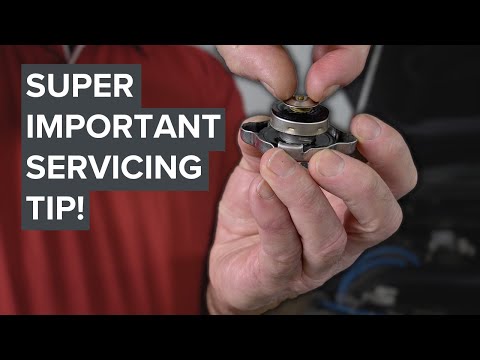
Replace When Needed
Knowing when to replace your golf cart radiator cap is crucial for maintaining your vehicle's cooling system. Consider the following:
- Follow manufacturer recommendations: Check your owner's manual for specific guidelines on replacement intervals.
- Signs of malfunction: If you notice steam rising from the engine or if the cap does not seal properly, it’s time for a replacement.
- Choose quality parts: Opt for high-quality replacements that match your golf cart's specifications, such as the Club Car DS Radiator Cap priced around $15.99.
By adhering to these maintenance tips, you can significantly enhance the lifespan of your golf cart radiator cap, ensuring your cooling system operates efficiently and effectively. Regular care will not only improve performance but also prevent costly repairs in the long run.
We would love to hear your thoughts and questions about Golf Cart Radiator Cap Replacement! Your insights and inquiries not only enrich our community but also help others who may be navigating similar challenges. Please feel free to share your experiences or seek advice in the comments below—your voice matters, and together we can create a helpful resource for all golf cart enthusiasts. Thank you for being a part of our conversation!
Leave a Reply