
This article provides a comprehensive guide to ensuring the longevity and efficiency of your golf cart's power source. Readers will discover a detailed golf cart power management plan, along with practical tips for routine care and inspection. By following this battery upkeep timeline, you can maximize performance and reliability, ensuring your golf cart is always ready for the course.
Essential Steps for a Golf Cart Battery Maintenance Schedule
Maintaining your golf cart battery is crucial for optimal performance and longevity. A well-structured maintenance schedule not only enhances efficiency but also saves you money in the long run. Here are the essential steps to consider:
1. Regular Inspection
Conducting a thorough inspection of your battery should be your first step. Look for signs of wear and tear, corrosion, or leakage. Pay special attention to the terminals and connections.
- Corrosion Removal: Use a mixture of baking soda and water to clean the terminals if you notice any corrosion.
- Terminal Tightness: Ensure that all connections are secure and free from rust.
2. Water Levels Maintenance
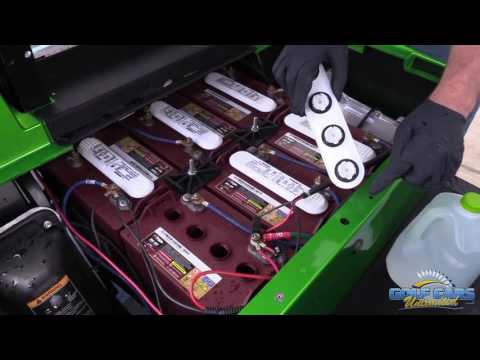
For lead-acid batteries, maintaining the correct water level is vital. Low water levels can lead to battery damage and reduced performance.
- Check Monthly: Inspect the water levels at least once a month, especially in hot weather.
- Distilled Water: Always use distilled water to refill your batteries, avoiding tap water which can introduce impurities.
3. Charge Management
Proper charging practices can extend the life of your golf cart battery significantly.
- Charge After Use: Always recharge your battery after every use to prevent deep discharge.
- Avoid Overcharging: Use an automatic charger that stops charging once the battery is full to avoid damage.
4. Temperature Considerations
Extreme temperatures can affect battery performance. Keeping your golf cart in a temperature-controlled environment is beneficial.
- Store Indoors: Whenever possible, store your golf cart indoors to protect it from extreme weather.
- Insulation: Consider using battery blankets in colder climates to maintain optimal temperatures.
5. Periodic Load Testing
Performing load tests can help you assess the health of your golf cart battery.
- Professional Testing: It is advisable to have a professional conduct load testing annually.
- Self-Testing: If you prefer, you can use a multimeter to check voltage and performance regularly.
By adhering to these essential steps for a golf cart battery maintenance schedule, you can ensure that your battery operates efficiently and lasts longer, providing you with a reliable ride on the course.
How Often Should You Check Your Golf Cart Battery?
Monitoring your golf cart battery is essential for ensuring optimal performance and longevity. Understanding the right frequency for checks can help prevent unexpected failures and maintain your cart's efficiency.
Regular Inspection Schedule
It's advisable to check your golf cart battery at least once a month. This routine can help you identify potential issues early, ensuring that your battery remains in good working condition. Here are some key factors to consider:
- Battery Water Levels: Inspect the water levels in your battery cells monthly, especially if you have a lead-acid battery. Low water levels can lead to overheating and damage.
- Corrosion Check: Look for any signs of corrosion on the terminals and connections. Clean them as necessary to ensure optimal conductivity.
- Voltage Readings: Use a multimeter to check the voltage monthly. A healthy battery typically shows a voltage of around 12.6 volts or higher when fully charged.
Seasonal Maintenance
During peak usage seasons, such as spring and summer, consider increasing your battery checks to bi-weekly. Factors like temperature and usage frequency can affect battery performance.
Temperature Impact
High temperatures can accelerate battery wear, while cold weather can reduce capacity. Therefore, in extreme weather conditions, you should inspect your battery more frequently.
Post-Use Checks
After each use, especially if you’ve driven your golf cart over rough terrain or for extended periods, a quick visual inspection can help catch any immediate concerns. Look for:
- Physical Damage: Check for any visible damage to the battery casing or connections.
- Charging Issues: Ensure that the battery is charging properly after each use.
By adhering to these guidelines, you can maintain your golf cart battery effectively, prolong its life, and enhance your overall golfing experience. Implementing a comprehensive golf cart battery maintenance schedule will ensure that you are always ready for your next round on the course.
Signs Your Golf Cart Battery Needs Maintenance
Recognizing when your golf cart battery requires maintenance is crucial for ensuring its longevity and optimal performance. Here are some key indicators to look out for:
1. Reduced Power and Performance
If you notice your golf cart is struggling to maintain speed or has difficulty climbing hills, this may signal a decline in battery health. A battery that cannot deliver adequate power can lead to frustrating experiences on the course.
2. Unusual Charging Behavior
Pay attention to how your battery charges. If it takes significantly longer to reach a full charge or fails to hold a charge for the usual duration, this may indicate underlying issues.
3. Physical Damage or Leakage
Inspect your battery for any visible signs of damage, such as cracks, bulging, or corrosion. If you see any fluid leaking from the battery, it’s essential to address this immediately, as it can lead to further complications.
4. Swollen Battery Case
A swollen battery case can indicate overcharging or internal failure. If you notice this, it’s advisable to seek professional assistance to evaluate the battery’s condition.
5. Frequent Battery Checks
If you find yourself needing to check the battery levels more often than usual, it may be time for maintenance. Regular monitoring is part of the Essential Golf Cart Battery Maintenance Schedule for Optimal Performance, but excessive checks can indicate a problem.
What to Do Next
If you identify any of these signs, consider the following actions:
- Inspect Connections: Ensure all battery connections are tight and free of corrosion.
- Test the Battery: Use a multimeter to check the voltage levels.
- Consult a Professional: If issues persist, it may be best to have a qualified technician assess the battery.
Staying proactive about your golf cart battery’s condition can enhance its lifespan and performance, allowing for a smoother ride on the greens.
Tips for Extending the Life of Your Golf Cart Battery
Maintaining the longevity of your golf cart battery is essential for ensuring optimal performance and reliability. Here are some practical tips that can help you maximize your battery's lifespan:
1. Regular Charging Practices
- Charge After Use: Always recharge your golf cart battery after each use. This helps prevent deep discharges, which can significantly reduce battery life.
- Avoid Overcharging: Use a smart charger that automatically shuts off when the battery is fully charged. Overcharging can lead to overheating and damage.
2. Temperature Management
- Store in a Controlled Environment: Keep your golf cart in a temperature-controlled space when not in use. Extreme temperatures can negatively affect battery performance.
- Insulate in Cold Weather: Consider using battery blankets or insulation kits during colder months to maintain optimal operating temperatures.
3. Clean Battery Terminals
- Inspect Regularly: Periodically check the battery terminals for corrosion or buildup. Clean them with a mixture of baking soda and water to ensure good electrical contact.
- Apply Protective Spray: After cleaning, consider applying a battery terminal protectant to prevent future corrosion.
4. Monitor Water Levels
- Check Distilled Water Levels: For flooded lead-acid batteries, regularly check the water levels and top off with distilled water as needed. This helps maintain the electrolyte balance.
- Avoid Overfilling: Be careful not to overfill the battery cells, as this can lead to spillage and damage.
5. Use Battery Maintenance Tools
- Battery Load Tester: Invest in a battery load tester to check the health of your battery regularly. This tool helps identify any potential issues before they become serious.
- Battery Hydrometer: Utilize a hydrometer to measure the specific gravity of the electrolyte, which can indicate the state of charge and overall health of the battery.
6. Drive Responsibly
- Avoid Sudden Stops and Starts: Smooth driving can prevent unnecessary strain on the battery. Avoid rapid acceleration and braking to enhance battery life.
- Limit Heavy Loads: Be mindful of the weight you carry in your golf cart, as excessive loads can decrease battery efficiency and lifespan.
Implementing these strategies can significantly contribute to extending the life of your golf cart battery, ensuring it remains in top condition for all your golfing adventures. Regular attention to maintenance and smart usage practices will pay off in the long run, providing you with reliable performance and fewer replacements.
Common Mistakes to Avoid in Golf Cart Battery Care
Maintaining your golf cart battery is essential for its longevity and performance. However, many owners unknowingly make mistakes that can lead to decreased efficiency or even battery failure. Below are some common pitfalls to steer clear of, ensuring your golf cart battery remains in optimal condition.
Neglecting Regular Inspections
One of the most significant errors is failing to conduct regular inspections of your golf cart battery. A lack of routine checks can lead to unnoticed issues, such as corrosion or loose connections. To prevent this:
- Check battery terminals for corrosion and clean them as needed.
- Inspect the battery casing for any cracks or leaks.
- Ensure that all connections are tight and secure.
Ignoring Water Levels
For lead-acid batteries, maintaining the correct water level is crucial. Many owners overlook this aspect, leading to damage. Make sure to:
- Check the water level regularly, especially during hot weather.
- Use distilled water to refill, avoiding tap water that may contain minerals.
- Fill only to the recommended level, as overfilling can cause spillage.
Improper Charging Practices
Charging your golf cart battery incorrectly can significantly reduce its lifespan. Common mistakes include:
- Leaving the battery uncharged for extended periods, which can lead to sulfation.
- Using a charger that is not compatible with your battery type.
- Overcharging, which can lead to overheating and damage.
Failure to Store Properly
How you store your golf cart battery can affect its performance. Avoid these storage mistakes:
- Storing the battery in extreme temperatures, which can cause deterioration.
- Failing to disconnect the battery when the cart is not in use for an extended period.
- Neglecting to keep the battery charged during storage; consider a maintenance charger.
Using the Wrong Maintenance Schedule
Each type of golf cart battery has a unique maintenance schedule. Not adhering to the specific needs of your battery type can lead to issues. To maintain optimal performance:
- Follow the manufacturer’s guidelines for maintenance frequency.
- Keep a log of maintenance activities to track when services were performed.
- Be aware of the specific needs of your battery, whether it’s lead-acid or lithium-ion.
By avoiding these common mistakes, you can ensure your golf cart battery remains in peak condition, enhancing your golfing experience while extending the life of your investment.
We would love to hear your thoughts and questions about Golf Cart Battery Maintenance! Your insights are invaluable, and sharing your experiences can help others in our community. Whether you have tips to offer or specific queries, please feel free to drop a comment below. Let's engage in a warm and informative discussion together!
Leave a Reply