
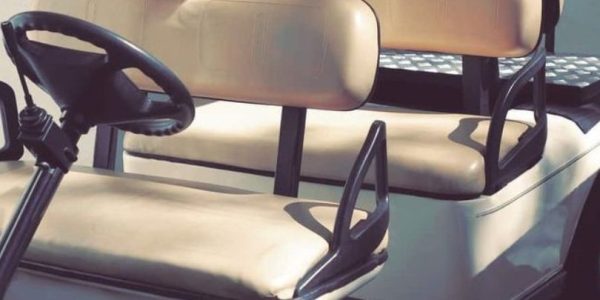
In this article, you'll discover essential techniques for achieving a professional finish in golf cart seat upholstery restoration. We will cover practical tips and tricks for effective golf cart seating repair, ensuring that your seats look as good as new. Whether you're tackling minor wear and tear or a complete overhaul, our guidance will help you enhance the comfort and appearance of your golf cart.
- Understanding the Importance of Golf Cart Seat Upholstery Repair
- Common Issues That Require Golf Cart Seat Upholstery Repair
- Step-by-Step Guide to Golf Cart Seat Upholstery Repair
- Choosing the Right Materials for Golf Cart Seat Upholstery Repair
- Professional vs. DIY Golf Cart Seat Upholstery Repair: Which is Best?
Understanding the Importance of Golf Cart Seat Upholstery Repair
When it comes to maintaining your golf cart, the condition of the seat upholstery is often overlooked. However, repairing and refurbishing the upholstery is crucial for several reasons. Not only does it enhance the overall aesthetic of your cart, but it also plays a significant role in comfort and safety.
Enhancing Comfort and Usability
The seat upholstery directly impacts your experience while driving the golf cart. Worn or damaged upholstery can lead to discomfort during long rounds of golf. By investing in upholstery repair, you ensure that the seats remain comfortable, providing adequate support and cushioning.
Improving Aesthetics
A well-maintained golf cart reflects your personal style and pride in ownership. New or repaired upholstery can give your cart a fresh, appealing look. Consider the following benefits of aesthetic enhancement:
- Increased Resale Value: A visually appealing cart can attract potential buyers and command a higher price.
- Personalization: Upholstery repairs allow for customization with various materials and colors to match your style.
Preventing Further Damage
Addressing upholstery issues promptly can prevent more extensive damage. Small tears or stains can lead to further deterioration if left unattended. By taking care of these issues early, you can avoid costly replacements in the future.
Cost-Effective Maintenance
Repairing your golf cart’s seat upholstery is often more economical than full replacement. Here are some cost-effective benefits:
- Affordable Repairs: Simple repairs can often be completed for as little as $50 to $150, depending on the extent of the damage.
- Material Longevity: Quality upholstery repair can extend the life of your seats, saving you money in the long run.
Incorporating regular maintenance, including golf cart seat upholstery repair, into your upkeep routine is essential. Not only does it enhance comfort and aesthetics, but it also contributes to the overall longevity of your golf cart.
Common Issues That Require Golf Cart Seat Upholstery Repair
Golf cart seat upholstery repair is essential for maintaining both the aesthetics and functionality of your vehicle. Understanding the common issues that arise can help you address them promptly and effectively. Here are some frequent problems that may necessitate professional upholstery services.
1. Cracks and Tears in the Upholstery
Cracks and tears are prevalent issues, especially in older golf carts or those exposed to harsh weather conditions. The material may become brittle, leading to unsightly damage. Repairing these imperfections not only enhances the visual appeal but also prevents further deterioration.
2. Fading and Discoloration
Over time, exposure to sunlight can cause upholstery to fade. This discoloration can make your golf cart look worn and uninviting. Utilizing high-quality UV-resistant materials during upholstery repair can help maintain the vibrant colors of your seats for a longer period.
3. Stains and Spills
Accidental spills from drinks or food can leave stubborn stains on golf cart seats. While some stains may be removable with cleaning solutions, others may require reupholstering to restore the seat’s original look. Choosing stain-resistant fabrics can help mitigate this issue in the future.
4. Sagging Cushions
Over time, the cushioning in golf cart seats may become compressed, leading to a sagging appearance. This not only detracts from the look but can also impact comfort. Replacing the foam or padding during the upholstery repair process can enhance both aesthetics and user experience.
5. Wear and Tear from Regular Use
Frequent use of golf carts can lead to general wear and tear, including fraying edges and loose stitching. Addressing these issues through professional upholstery repair ensures that your seats remain safe and comfortable, prolonging the life of your golf cart.
Maintenance Tips to Prevent Upholstery Issues
To prolong the life of your golf cart seat upholstery and reduce the need for repairs, consider the following maintenance tips:
- Regular Cleaning: Wipe down seats after use to remove dirt and debris.
- Use Seat Covers: Protect your seats from spills and UV rays by using durable seat covers.
- Store Indoors: Whenever possible, store your golf cart in a garage or under a cover to shield it from the elements.
- Inspect Regularly: Check for early signs of damage so you can address issues before they worsen.
Taking proactive measures and addressing common upholstery problems promptly can enhance your golf cart's appearance and comfort.
Step-by-Step Guide to Golf Cart Seat Upholstery Repair
Repairing the upholstery of your golf cart seats can significantly enhance their appearance and prolong their lifespan. This guide provides a thorough, step-by-step approach to ensure you achieve a professional finish.
Materials Needed
Before starting your upholstery repair, gather the following materials:
- Upholstery fabric: Choose a durable fabric suitable for outdoor use, such as marine vinyl or heavy-duty polyester.
- Staple gun: A pneumatic or manual staple gun will help secure the fabric.
- Scissors: For cutting fabric to size.
- Measuring tape: Essential for accurate measurements.
- Upholstery foam: If the padding is worn out, replace it with high-density foam.
- Spray adhesive: This helps bond the fabric to the foam and seat base.
- Sewing kit: For any necessary stitching repairs.
- Protective gloves: To keep your hands safe during the process.
Step 1: Remove the Seats
Carefully detach the seats from the golf cart by unscrewing any fasteners. Keep track of all screws and parts for easy reassembly.
Step 2: Assess Damage
Inspect the seat covers and foam padding for damage. Identify areas that require repair or replacement. If the foam is degraded, measure the dimensions to cut new pieces.
Step 3: Prepare the New Fabric
Cut the new upholstery fabric according to the dimensions of your seats, allowing an extra inch for folding over edges. Ensure the pattern aligns correctly if using patterned fabric.
Step 4: Attach New Foam (if needed)
Using the spray adhesive, attach the new upholstery foam to the seat base. Allow it to set as per the adhesive instructions before proceeding.
Step 5: Secure the Fabric
Position the fabric over the seat, ensuring it is centered and smooth. Use the staple gun to secure the fabric to the underside of the seat. Start at the center and work your way out to avoid wrinkles.
Step 6: Finishing Touches
Trim any excess fabric, ensuring a clean edge. For added durability, consider sewing areas that may experience more wear.
Step 7: Reattach the Seats
Once the upholstery is securely in place, reattach the seats to the golf cart using the original screws. Make sure everything is tightly secured.
Additional Tips for a Professional Finish
- Choose the Right Fabric: Opt for materials that are UV resistant and easy to clean.
- Use Quality Adhesives: Invest in high-quality spray adhesives for a long-lasting bond.
- Maintain Your Seats: Regularly clean and condition the upholstery to extend its life.
By following these steps, you can effectively repair your golf cart seat upholstery and enjoy a refreshed look while ensuring comfort during your rides.
Choosing the Right Materials for Golf Cart Seat Upholstery Repair
When it comes to enhancing the appearance and durability of your golf cart, selecting the right materials for upholstery repair is crucial. The ideal materials not only improve aesthetics but also ensure longevity and comfort. Here are key factors to consider:
Types of Upholstery Materials
Choosing the right fabric can significantly impact your golf cart's seating experience. Here are some popular options:
- Vinyl: Known for its durability and resistance to moisture, vinyl is an excellent choice for outdoor use. It's easy to clean and comes in various colors and textures.
- Marine-grade Upholstery: Designed to withstand harsh weather conditions, marine-grade fabric is UV resistant and ideal for golf carts used in sunny or rainy climates.
- Leather: While more expensive, leather offers a luxurious look and feel. It’s important to treat it regularly to maintain its quality and prevent cracking.
- Canvas: This natural fabric is breathable and offers a classic look. However, it may require more maintenance to keep it clean and free from mold.
Considerations for Durability and Comfort
When selecting materials, keep in mind the following factors:
- Weather Resistance: If your golf cart is exposed to the elements, choose materials that resist fading, water, and mold.
- Thickness and Padding: Ensure that the upholstery material has adequate padding for comfort. Thicker materials can provide better support.
- Ease of Maintenance: Opt for fabrics that are easy to clean and maintain, especially if your golf cart is frequently used.
Color and Design Options
The aesthetic appeal of your golf cart can be greatly influenced by the color and design of the upholstery. Here are some tips:
- Match Your Golf Cart: Choose colors that complement your cart’s exterior for a cohesive look.
- Patterns and Textures: Consider patterns or textures that can add personality to your cart while also being practical.
- Light vs. Dark Colors: Light colors can make your cart feel more spacious, while dark colors may be more forgiving in hiding dirt and stains.
Cost Considerations
Budget is an essential factor in your material selection. While high-quality materials like marine-grade upholstery may cost more upfront, they often provide better longevity and performance, potentially saving you money in the long run. Expect to spend anywhere from $50 to $150 per yard for quality fabrics, depending on the type and brand.
Choosing the right materials for your golf cart seat upholstery repair will not only enhance your comfort during rides but also improve the overall look and value of your cart. Prioritizing durability, maintenance, and design will help ensure that your golf cart remains a source of enjoyment for years to come.
Professional vs. DIY Golf Cart Seat Upholstery Repair: Which is Best?
When it comes to repairing golf cart seat upholstery, one of the most critical decisions you'll face is whether to hire a professional or tackle the project yourself. Each option has its own set of advantages and disadvantages that can significantly impact the quality and longevity of the repairs.
Understanding Your Options
Choosing between professional services and DIY repairs requires a clear understanding of what each entails:
- Professional Upholstery Repair: Engaging a skilled technician often ensures high-quality results. Professionals typically have access to specialized tools, materials, and years of experience that can lead to a more durable finish.
- DIY Upholstery Repair: This option can be more cost-effective, allowing you to save money on labor. With the right tools and materials, a DIY project can also be a fulfilling creative endeavor.
Factors to Consider
When deciding which route to take for your golf cart seat upholstery repair, consider the following factors:
Skill Level
If you have prior experience with upholstery or DIY projects, you may feel confident tackling the job. However, if you're a novice, professional help might be the safer bet.
Time Investment
Repairing golf cart seats can be time-consuming. Assess your schedule and determine if you can allocate sufficient time for a DIY project without compromising the quality of the work.
Cost Analysis
While DIY repairs might seem cheaper initially, consider the long-term costs. High-quality materials can add up, and if the repair fails, you may need to hire a professional anyway. Here’s a basic cost comparison:
- Professional Services: Typically range from $100 to $300, depending on the extent of the damage and materials used.
- DIY Costs: Materials such as fabric, foam, and adhesive can cost anywhere from $50 to $150, but you’ll need to factor in tools if you don’t already own them.
Quality of Results
The quality of the finished product is crucial, especially if your golf cart is frequently used or if you’re looking to maintain its resale value. Professionals often provide a level of craftsmanship that can be challenging to replicate at home.
For DIY enthusiasts, achieving a professional-looking finish requires attention to detail and possibly some practice. Investing in high-quality materials and taking your time can yield satisfying results.

Final Thoughts on Decision Making
Ultimately, the choice between professional and DIY golf cart seat upholstery repair hinges on your personal circumstances, skill level, and the specific needs of your golf cart. Weighing these factors carefully will guide you towards the best option that meets your needs and expectations.
We truly value your thoughts and insights! If you have any questions or opinions about Golf Cart Seat Upholstery Repair, we warmly invite you to share them in the comments below. Your experiences and perspectives not only enrich our community but also help others who may be seeking guidance. Let’s engage in a meaningful conversation—your voice matters!
Leave a Reply