
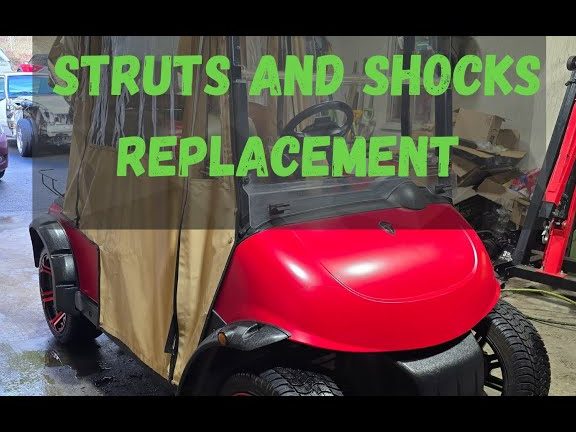
This article provides a comprehensive overview of golf vehicle suspension component replacement to enhance performance and ride quality. Readers will discover essential tips for identifying signs of wear, selecting the right parts, and following step-by-step instructions for effective golf cart shock and strut renewal. Whether you're a seasoned enthusiast or a newcomer, this guide will equip you with the knowledge needed for successful golf cart suspension system overhaul.
- Understanding the Importance of Golf Cart Shock and Strut Replacement
- Signs That Indicate You Need to Replace Your Golf Cart Shocks and Struts
- Step-by-Step Guide to Golf Cart Shock and Strut Replacement
- Choosing the Right Shocks and Struts for Your Golf Cart
- Common Mistakes to Avoid During Golf Cart Shock and Strut Replacement
Understanding the Importance of Golf Cart Shock and Strut Replacement
When it comes to maintaining your golf cart, the significance of replacing shocks and struts cannot be overstated. These components play a crucial role in ensuring a smooth and safe ride, which directly impacts your overall golfing experience.
The Role of Shocks and Struts
Golf cart shocks and struts are integral to the vehicle's suspension system. They are designed to:
- Absorb Impact: Shocks dampen the vibrations from uneven terrain, providing a more comfortable ride.
- Stabilize the Cart: Struts help maintain balance, especially during turns, preventing tipping or rolling.
- Enhance Tire Contact: Properly functioning shocks and struts keep the tires in contact with the ground, improving traction and control.
Signs That Replacement Is Necessary
Identifying when to replace your golf cart's shocks and struts is essential for maintaining optimal performance. Look for the following indicators:
- Excessive Bouncing: If your cart bounces excessively after hitting bumps, it's a sign that the shocks are worn.
- Uneven Tire Wear: Worn shocks can lead to uneven wear on tires, reducing their lifespan and effectiveness.
- Fluid Leaks: Noticeable fluid leakage from the shock absorber is a clear indication that replacement is necessary.
Benefits of Timely Replacement
Replacing shocks and struts in a timely manner brings several advantages:
- Improved Ride Quality: A fresh set of shocks and struts enhances comfort, allowing you to enjoy your game without distractions.
- Increased Safety: Properly functioning suspension components ensure better handling and stability, reducing the risk of accidents.
- Cost Efficiency: Regular maintenance can prevent more significant issues, saving you money on extensive repairs down the line.
Choosing the Right Replacement Parts
When selecting replacement shocks and struts, consider the following:
- Compatibility: Ensure the parts are specifically designed for your golf cart model.
- Quality: Opt for reputable brands known for durability and performance, such as Monroe or Gabriel, which typically range from $50 to $150 per unit.
- Installation: Evaluate whether you will perform the installation yourself or seek professional help, which may affect overall costs.
Maintaining your golf cart's shocks and struts is essential for optimal performance. By understanding their importance and addressing replacement needs promptly, you can enhance your overall golfing experience and ensure a safe, smooth ride on the course.
Signs That Indicate You Need to Replace Your Golf Cart Shocks and Struts
When it comes to maintaining your golf cart, recognizing the signs that suggest it’s time to replace your shocks and struts is essential for ensuring a smooth ride and optimal performance. Here are some key indicators to watch for:
1. Excessive Bouncing or Swaying
If you notice your golf cart bouncing excessively over bumps or swaying more than usual during turns, this is a strong indication that your shocks and struts may be worn out. Proper suspension components should absorb shocks from the terrain, providing a stable driving experience.
2. Uneven Tire Wear
Inspecting your tires can reveal a lot about your suspension system. If you find that your tires are wearing unevenly, particularly on the inner or outer edges, this could be a sign that your shocks and struts are not functioning properly. Properly working shocks help maintain even tire contact with the ground.
3. Leaking Fluid
Check for any signs of hydraulic fluid leakage around your shocks and struts. If you see any oily residue or puddles forming, it’s a clear sign that the seals may be compromised, and it’s time to replace them. This leakage can lead to decreased performance and safety issues.
4. Noise During Operation
Pay attention to any unusual noises, such as clunking or banging sounds when driving your golf cart over bumps. These noises can indicate that the shocks and struts are failing and are unable to absorb the impacts properly, leading to potential damage to other components.
5. Poor Handling and Stability
If your golf cart feels unstable or difficult to control, particularly at higher speeds or during turns, it may be time to assess your shocks and struts. Proper suspension is crucial for maintaining control, and any degradation can compromise your safety and enjoyment on the course.
How to Maintain Your Golf Cart Shocks and Struts
Regular maintenance can extend the life of your shocks and struts. Here are some tips to keep them in optimal condition:
- Routine Inspections: Regularly check for leaks, wear, and damage.
- Keep It Clean: Clean the shocks and struts to prevent dirt buildup that can cause wear.
- Proper Storage: Store your golf cart in a dry, sheltered area to protect it from the elements.
By recognizing these signs and taking proactive measures, you can ensure that your golf cart remains in top shape, providing you with the reliable performance you expect.
Step-by-Step Guide to Golf Cart Shock and Strut Replacement
Replacing the shocks and struts on your golf cart is crucial for maintaining a smooth ride and optimal performance. This guide provides a comprehensive approach to ensure your golf cart operates at its best.
Tools and Materials Needed
Before you begin, gather the following tools and materials:
- Wrench set
- Screwdriver set
- Jack and jack stands
- Replacement shocks and struts (e.g., Jake's Lift Kit Shock Absorbers - approximately $89.99)
- Safety goggles
- Gloves
Step 1: Safety First
Ensure your golf cart is parked on a flat surface. Engage the parking brake and wear safety goggles and gloves to protect yourself during the process.
Step 2: Lift the Golf Cart
Using the jack, lift the front or rear of the golf cart, depending on which shocks or struts you are replacing. Secure it with jack stands to ensure stability.
Step 3: Remove the Old Shocks and Struts
To remove the old shocks and struts:
- Locate the mounting bolts on the top and bottom of the shock or strut.
- Use the appropriate wrench to unscrew the bolts carefully.
- Once the bolts are removed, take out the old shock or strut from its mount.
Step 4: Install the New Shocks and Struts
When installing the new components:
- Align the new shock or strut with the mounting points.
- Insert the bolts and hand-tighten them initially.
- Once in place, use the wrench to secure the bolts firmly.
Step 5: Lower the Golf Cart
Carefully remove the jack stands and lower the golf cart back to the ground. Ensure everything is secure and in place before driving.
Step 6: Test the Suspension
After installation, conduct a test drive to check the suspension performance. Pay attention to the ride quality and handling. If you notice any unusual noises or instability, recheck the installation.
Maintenance Tips
To prolong the life of your new shocks and struts, consider the following maintenance tips:
- Regularly inspect for signs of wear or leaks.
- Ensure the golf cart is not overloaded.
- Maintain proper tire pressure to reduce strain on the suspension system.
By following this detailed guide, you can successfully replace the shocks and struts on your golf cart, ensuring a comfortable ride and enhancing overall performance. Remember that proper installation and maintenance are key to enjoying your golf cart for years to come.
Choosing the Right Shocks and Struts for Your Golf Cart
Selecting the appropriate shocks and struts for your golf cart is crucial for enhancing its performance, comfort, and safety. The right components can significantly improve ride quality and handling, especially on uneven terrain. Here are some key considerations to guide your selection process.
Understanding Your Golf Cart's Needs
Before making a purchase, it's essential to assess your golf cart's specific requirements. Consider the following factors:
- Usage Type: Determine if your golf cart is primarily for recreational use, off-road adventures, or transportation around the golf course.
- Weight Capacity: Ensure the shocks and struts can handle the total weight, including passengers and any additional equipment.
- Terrain: Identify the typical surfaces your cart will traverse. Rougher terrains may require heavy-duty shocks for better absorption.
Types of Shocks and Struts
Understanding the different types of shocks and struts available can help you make an informed decision:
- Standard Shocks: Ideal for everyday use on smooth surfaces, providing basic comfort and stability.
- Heavy-Duty Shocks: Designed for off-road conditions, these shocks can withstand more stress and provide superior performance on rugged terrains.
- Adjustable Shocks: Allow you to customize the stiffness based on your driving conditions, offering versatility for various terrains.
Key Features to Look For
When selecting shocks and struts, consider the following features that contribute to optimal performance:
- Material Quality: Look for shocks made from high-quality materials such as steel or aluminum for durability.
- Gas Charged vs. Oil Filled: Gas-charged shocks typically offer better performance and quicker response times than oil-filled options.
- Warranty: A solid warranty can indicate a manufacturer's confidence in their product's longevity.
Recommended Products
While specific needs may vary, here are a few highly-rated options that can enhance your golf cart's performance:
- Genuine Golf Cart Heavy-Duty Shocks: Priced around $129 each, these shocks are perfect for off-road use, providing excellent durability.
- Monroe Gas-Magnum Shocks: Available for approximately $75 each, these gas-charged shocks offer superior handling and stability.
- JEGS Adjustable Shocks: Retailing for about $89 each, these shocks allow you to modify the stiffness, making them ideal for various terrains.
By carefully considering your golf cart's needs and the available options, you can choose shocks and struts that not only improve performance but also enhance your overall driving experience. Investing in the right components is essential for maintaining your golf cart's functionality and ensuring a smooth ride on any terrain.
Common Mistakes to Avoid During Golf Cart Shock and Strut Replacement
Replacing shocks and struts on your golf cart is essential for maintaining optimal performance and ride comfort. However, several common mistakes can hinder your efforts. Here’s a detailed look at what to avoid during this critical process.
1. Skipping the Pre-Inspection
Before you begin the replacement process, it’s vital to conduct a thorough inspection of the golf cart's suspension system. Neglecting to check for additional wear or damage can lead to further issues down the line. Make sure to:
- Examine bushings for cracks or deterioration.
- Check the alignment of the wheels.
- Inspect other suspension components like control arms and ball joints.
2. Using Incorrect Tools
Using the right tools is crucial for a successful replacement. Many people attempt to improvise with tools that aren't designed for the job, leading to improper installation. Always have the following on hand:
- A torque wrench to ensure proper fastening.
- Socket and ratchet set for easy access to hard-to-reach bolts.
- Spring compressors, if applicable, to safely handle coil springs.
3. Ignoring Manufacturer Specifications
Every golf cart model has specific requirements for shock and strut replacement. Failing to adhere to these specifications can result in subpar performance. Pay attention to:
- OEM (Original Equipment Manufacturer) part numbers for compatibility.
- Torque specifications for all fasteners.
- Recommended brands known for quality and durability.
4. Neglecting to Test After Installation
Once the new shocks and struts are installed, it’s important to test the golf cart to ensure everything functions correctly. Skipping this step can leave you unaware of potential issues. Make sure to:
- Conduct a short test drive to assess ride quality.
- Check for unusual noises or handling problems.
- Verify that the ride height is consistent with manufacturer specifications.

5. Overlooking Regular Maintenance
Replacing shocks and struts is just one part of maintaining your golf cart. Many owners forget to perform regular checks after installation. It’s essential to:
- Regularly inspect the suspension components for signs of wear.
- Check fluid levels if your shocks are hydraulic.
- Maintain proper tire pressure to avoid unnecessary strain on the suspension.
By avoiding these common pitfalls, you can ensure a successful golf cart shock and strut replacement, contributing to a smoother and more enjoyable ride. Taking the time to follow these guidelines will enhance your golf cart's performance and longevity, aligning with the Essential Guide to Golf Cart Shock and Strut Replacement for Optimal Performance.
We value your thoughts and insights, and we’d love to hear from you! If you have any questions or opinions about Golf Cart Shock and Strut Replacement, please feel free to share them in the comments. Your experiences and perspectives not only enrich our community but also help fellow golf cart enthusiasts make informed decisions. Let’s spark a conversation together!
Leave a Reply