

This article provides a comprehensive overview of golf cart spark plug replacement, detailing the importance of maintaining your vehicle's performance. Readers will discover step-by-step instructions for spark plug changes in golf carts, tips for selecting the right plugs, and insights into how proper maintenance can enhance efficiency and longevity. Additionally, it covers common issues related to spark plug maintenance for golf carts, ensuring your ride stays smooth and reliable.
- Understanding the Importance of Golf Cart Spark Plug Replacement
- Signs That Indicate Your Golf Cart Needs a Spark Plug Replacement
- Step-by-Step Guide to Replacing Your Golf Cart Spark Plug
- Choosing the Right Spark Plug for Your Golf Cart Model
- Common Mistakes to Avoid During Golf Cart Spark Plug Replacement
Understanding the Importance of Golf Cart Spark Plug Replacement
Maintaining your golf cart in top condition is essential for optimal performance and longevity. One crucial component that often gets overlooked is the spark plug. Regular replacement of golf cart spark plugs is vital for several reasons that can significantly impact your cart's efficiency and reliability.
Why Spark Plugs Matter
Spark plugs play a key role in the ignition process of your golf cart’s engine. They create the spark that ignites the air-fuel mixture, enabling your cart to start and run smoothly. Here are a few reasons why you should prioritize spark plug replacement:
- Enhanced Performance: Fresh spark plugs ensure a consistent and powerful spark, leading to improved acceleration and speed.
- Fuel Efficiency: Worn spark plugs can cause misfires, leading to inefficient fuel consumption. Replacing them can save you money on gas.
- Reduced Emissions: New spark plugs promote better combustion, resulting in lower emissions and a cleaner environment.
Signs You Need a Replacement
Recognizing when to replace your spark plugs can save you from further mechanical issues. Here are some common indicators:
- Difficulty Starting: If your golf cart struggles to start, it may be time to check the spark plugs.
- Rough Idling: A rough or uneven idle can signal that the spark plugs are failing.
- Decreased Power: Noticeable loss of power during operation can be linked to worn spark plugs.
Choosing the Right Spark Plugs
When it comes to replacement, selecting the right spark plug is essential. Consider the following options:
- Standard Copper Plugs: Affordable and effective for most golf carts, typically priced around $2 to $4 each.
- Platinum Plugs: More durable and longer-lasting, these plugs usually range from $5 to $10 each.
- Iridium Plugs: Offering the best performance and longevity, expect to pay between $8 and $15 per plug.
Maintenance Tips for Longevity
To maximize the life of your spark plugs and ensure your golf cart runs smoothly, follow these maintenance tips:
- Check the spark plugs regularly, ideally every 100 hours of use.
- Keep the engine clean and free from debris that could affect performance.
- Consult your golf cart’s manual for specific recommendations on spark plug types and replacement intervals.
Incorporating regular spark plug checks and timely replacements into your golf cart maintenance routine can enhance its performance and efficiency. This essential guide to golf cart spark plug replacement for optimal performance is a step towards ensuring a smoother ride on the green.
Signs That Indicate Your Golf Cart Needs a Spark Plug Replacement
Understanding when to replace your golf cart's spark plug is essential for maintaining optimal performance. Here are several key indicators that suggest it's time for a replacement:
1. Difficulty Starting the Engine
If you notice that your golf cart struggles to start, this could be a sign of a failing spark plug. A healthy spark plug should ignite the fuel-air mixture efficiently, so any hesitation or multiple attempts to start may indicate wear.
2. Poor Acceleration and Power Loss
When your golf cart feels sluggish or lacks the power it once had, a worn spark plug may be to blame. An effective spark plug ensures that the engine runs smoothly, providing the necessary power for acceleration.
3. Rough Idling
If your golf cart's engine idles unevenly or produces a sputtering sound, it might be time for a spark plug replacement. This rough idling can affect overall ride quality and performance.
4. Increased Fuel Consumption
A faulty spark plug can lead to incomplete combustion, causing your golf cart to consume more fuel than usual. If you find yourself refueling more frequently, check the spark plug for signs of wear.
5. Engine Misfiring
If you experience engine misfires, which may feel like a sudden loss of power or jolting while driving, this is often a clear indication that your spark plug needs attention. Consistent misfiring can lead to more significant engine issues if not addressed.
6. Visible Damage or Deposits
Inspecting the spark plug for physical damage or carbon deposits can provide insight into its condition. Signs such as cracks, corrosion, or excessive carbon buildup are clear indicators that a replacement is necessary.
7. Engine Warning Lights
Modern golf carts may have diagnostic systems that trigger warning lights when there are issues with engine components, including spark plugs. If you see a warning light, it's advisable to have the spark plug checked.
Regular maintenance of your golf cart, including the timely replacement of spark plugs, is crucial for ensuring its longevity and performance. By recognizing these signs early, you can avoid more extensive repairs and enjoy a smoother ride.
Step-by-Step Guide to Replacing Your Golf Cart Spark Plug
Replacing the spark plug in your golf cart is essential for maintaining optimal performance and ensuring smooth operation. This step-by-step guide will help you through the process efficiently and effectively.
What You’ll Need
Before you begin, gather the following tools and materials:
- Socket wrench set (usually 10mm or 12mm)
- Replacement spark plug (check your owner's manual for the correct type)
- Gap gauge to check spark plug gap
- Anti-seize compound (optional, but recommended)
- Rags for cleaning
Step 1: Prepare Your Golf Cart
Ensure that your golf cart is parked on a flat surface and the ignition is turned off. For safety, disconnect the battery by removing the negative terminal. This will prevent any accidental starts during the replacement process.
Step 2: Locate the Spark Plug
Depending on your golf cart model, the spark plug may be located under the seat or in the engine compartment. Consult your owner’s manual to pinpoint the exact location.
Step 3: Remove the Old Spark Plug
Using your socket wrench, carefully loosen and remove the old spark plug by turning it counterclockwise. Make sure to keep the area clean to avoid dirt entering the engine.
Inspect the Old Spark Plug
Before disposing of the old spark plug, inspect it for wear and damage. A worn spark plug can provide insights into engine performance issues, such as oil consumption or misfiring.
Step 4: Prepare the New Spark Plug
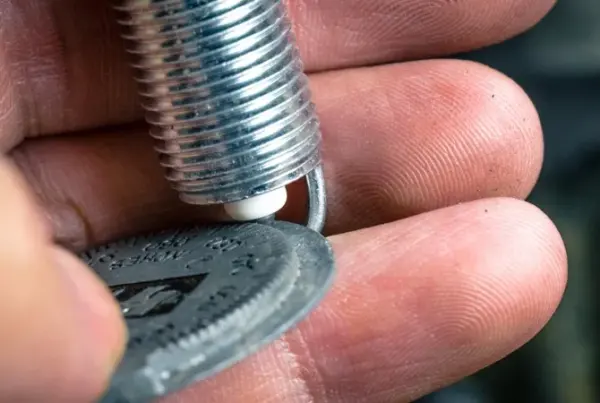
Check the gap on your new spark plug using the gap gauge. Most golf cart spark plugs require a gap of around 0.030 to 0.040 inches, but refer to your owner's manual for the specific measurement. If necessary, adjust the gap by gently bending the ground electrode.
Step 5: Install the New Spark Plug
Apply a small amount of anti-seize compound to the threads of the new spark plug (if using). Insert the spark plug into the socket and hand-tighten it into the engine. Once snug, use the socket wrench to tighten it further, but be cautious not to overtighten, as this can damage the threads.
Step 6: Reconnect the Battery and Test
Reconnect the negative terminal of the battery. Start your golf cart to ensure that the new spark plug is functioning correctly. Listen for any irregular sounds and check for smooth engine operation.
Maintenance Tips
To prolong the life of your spark plug and maintain optimal performance, consider the following tips:
- Regularly check and clean your spark plugs every 100 hours of operation.
- Replace spark plugs every 1-2 years, depending on usage.
- Keep the engine area clean to prevent debris from affecting performance.
By following this essential guide to golf cart spark plug replacement, you can ensure your vehicle runs smoothly and efficiently, enhancing your overall golfing experience.
Choosing the Right Spark Plug for Your Golf Cart Model
Selecting the appropriate spark plug for your golf cart is crucial for maintaining optimal performance and longevity. Different models of golf carts may require specific types of spark plugs, which can impact engine efficiency, fuel consumption, and overall driving experience. Here’s how to make an informed choice:
Understand Your Golf Cart's Specifications
Before purchasing a spark plug, it's essential to know the specifications of your golf cart. Check your owner's manual or the manufacturer's website for the following details:
- Model Number: Different models may have unique requirements.
- Engine Type: Gasoline engines often require different spark plugs compared to electric ones.
- Gap Size: The spark plug gap can significantly affect ignition and performance.
Types of Spark Plugs
There are various types of spark plugs available, and each serves a different purpose. Familiarize yourself with the options to choose the best fit for your golf cart:
- Standard Copper Spark Plugs: Affordable and effective, ideal for most golf cart models.
- Platinum Spark Plugs: Offer better longevity and performance, suitable for higher-end models.
- Iridium Spark Plugs: Provide excellent ignition and durability, perfect for performance-focused carts.
Consider Brand and Quality
When it comes to spark plugs, brand reputation can significantly influence quality and performance. Consider the following reputable brands known for their high-quality spark plugs:
- NGK: Known for precision engineering and reliability.
- Denso: Offers advanced technology and long-lasting performance.
- Champion: A trusted name with a wide range of spark plugs tailored for various golf cart models.
Price Considerations
While it may be tempting to go for the cheapest option, investing in a quality spark plug can save you money in the long run. Prices can vary based on the type and brand, typically ranging from $2 to $15 per plug. Consider the following:
- Standard Copper: Approximately $2-$5 each.
- Platinum: Around $8-$12 each.
- Iridium: Generally $10-$15 each.
By choosing the right spark plug for your specific golf cart model, you can enhance performance, improve fuel efficiency, and extend the life of your engine. Always refer to your golf cart's specifications and consult with professionals if needed to ensure you make the best choice for your needs.
Common Mistakes to Avoid During Golf Cart Spark Plug Replacement
Replacing spark plugs in your golf cart is crucial for maintaining optimal performance. However, several common mistakes can lead to issues that may hinder the effectiveness of your replacement. Here’s a look at these pitfalls and how to avoid them.
1. Ignoring the Manufacturer's Specifications
One of the most significant errors is not adhering to the manufacturer's specifications for spark plug type and gap. Each golf cart model may require specific spark plugs that are designed to work optimally with the engine's design. Always check your owner’s manual for the correct part number and gap measurement.
2. Failing to Inspect the Ignition System
Before replacing the spark plugs, it’s essential to inspect the ignition system, including the ignition coil and wires. Neglecting to check these components may lead to repeated issues even after new spark plugs are installed. Look for signs of wear, corrosion, or damage, and replace any faulty parts to ensure a comprehensive solution.
3. Not Cleaning the Spark Plug Holes
When removing old spark plugs, debris and carbon buildup can accumulate in the holes. Failing to clean these areas can introduce contaminants into the combustion chamber, potentially causing misfires or poor performance. Use a vacuum or compressed air to clear out any debris before installing the new plugs.
4. Over-Torquing the Spark Plugs
Applying too much torque when tightening the spark plugs can damage the threads in the cylinder head. This mistake can lead to costly repairs. Use a torque wrench set to the manufacturer’s specifications to ensure proper installation without risking damage.
5. Skipping Anti-Seize Compound
While some spark plugs come pre-coated with anti-seize compound, others do not. Applying this compound can help prevent the spark plugs from seizing in the engine, making future replacements easier. If your spark plugs require it, apply a small amount to the threads before installation.
6. Neglecting Regular Maintenance Checks
Replacing spark plugs should be part of a broader maintenance routine. Ignoring regular checks can lead to other engine issues that may affect performance. Schedule periodic inspections of your golf cart’s ignition system, air filter, and fuel system to ensure everything is functioning optimally.

7. Using Incorrect Tools
Using the wrong tools can lead to improper installation or even damage to the spark plugs. Ensure you have the correct socket size and a spark plug gap tool on hand. Using quality tools not only makes the job easier but also helps prevent mistakes that could impact your golf cart’s performance.
By being aware of these common mistakes, you can ensure a successful spark plug replacement, contributing to the overall efficiency and longevity of your golf cart. Taking the time to avoid these pitfalls will lead to better performance and a smoother ride on the course.
We truly value your insights and experiences! If you have any questions or opinions about Golf Cart Spark Plug Replacement, we warmly invite you to share them in the comments below. Your thoughts not only enrich our community but also help fellow enthusiasts navigate their own maintenance journeys. Let's spark a conversation together!
Leave a Reply