

In this article, readers will discover effective strategies and solutions for resolving golf cart overheating issues. You'll learn practical steps and essential tips on correcting overheating in golf carts to ensure optimal performance. Whether you're facing persistent heat problems or seeking preventative measures, this guide on remedying golf cart overheating will provide valuable insights to keep your ride cool and enjoyable.
Common Causes of Golf Cart Overheating
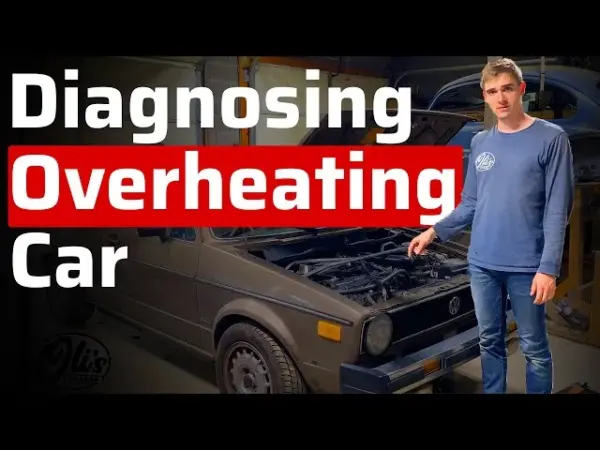
Golf cart overheating can be a frustrating issue, especially when you're trying to enjoy a leisurely day on the course or around your neighborhood. Understanding the common causes can help you prevent overheating and ensure a smoother ride. Here are some of the primary factors that contribute to golf cart overheating:
1. Insufficient Cooling System Maintenance
A well-maintained cooling system is crucial for preventing overheating. Over time, the cooling system components, such as the radiator and coolant hoses, can wear out or become clogged.
- Clogged Radiator: Dirt and debris can accumulate, restricting airflow and reducing cooling efficiency.
- Old Coolant: Using old or contaminated coolant can lead to poor heat transfer, increasing the risk of overheating.
2. Electrical Issues
Electrical problems can also lead to overheating, particularly in electric golf carts.
- Faulty Battery Connections: Loose or corroded connections can result in increased resistance, causing the battery to overheat.
- Overworked Motor: If the motor is drawing too much current due to faulty components, it can overheat quickly.
3. Overloading the Golf Cart
Exceeding the weight limit of your golf cart can strain the motor and cooling system.
- Weight Limit: Each golf cart has a specific weight capacity. Exceeding this limit can lead to excessive heat generation.
- Unbalanced Load: An unevenly distributed load can cause certain components to work harder, leading to overheating.
4. Environmental Factors
External conditions can significantly impact your golf cart's performance and temperature.
- High Ambient Temperatures: Operating your cart in extreme heat can reduce its cooling efficiency.
- Dusty or Sandy Terrain: Driving in such conditions can lead to debris entering the cooling system, affecting performance.
5. Poor Ventilation
Inadequate airflow around the engine and motor can cause overheating issues.
- Blocked Vents: Ensure that vents are clear of debris to allow for proper airflow.
- Enclosed Storage: Storing your golf cart in a tight space can trap heat and contribute to overheating when in use.
Recognizing these common causes of golf cart overheating can help you take proactive measures to maintain your vehicle effectively. Addressing these issues early on can enhance your cart's performance and longevity, allowing you to enjoy your time on the green without interruption.
Essential Tools for Fixing Overheating Golf Carts
To effectively address the issue of overheating in golf carts, having the right tools on hand is crucial. Below is a list of essential tools that will aid in diagnosing and resolving overheating problems efficiently.
1. Digital Multimeter
A digital multimeter is vital for checking electrical components, which can often be the source of overheating issues. With a multimeter, you can measure voltage, current, and resistance, allowing you to pinpoint electrical faults.
- Brand Example: Fluke 115 – typically priced around $199
- Key Features: Compact size, easy-to-read display, and versatile measurement options.
2. Torque Wrench
Using a torque wrench ensures that all bolts and screws are tightened to the manufacturer’s specifications. Over-tightened or loose components can contribute to overheating.
- Brand Example: TEKTON 24340 – usually priced around $29.99
- Key Features: Durable construction and easy-to-read scale.
3. Cooling System Pressure Tester
This tool helps identify leaks in the cooling system. By pressurizing the system, you can detect any weak spots or cracks that may be allowing coolant to escape, leading to overheating.
- Brand Example: Mityvac MV4530 – generally priced around $49.99
- Key Features: Includes multiple adapters and a durable construction.
4. Infrared Thermometer
An infrared thermometer allows you to measure the surface temperature of critical components without direct contact. This can help identify overheating areas, such as the engine or battery.
- Brand Example: Etekcity Lasergrip 800 – available for about $25.99
- Key Features: Quick temperature readings and a wide temperature range.
5. Socket Set
A comprehensive socket set is essential for removing and replacing components that may be causing overheating. It allows for easy access to tight spaces in the engine compartment.
- Brand Example: DEWALT DWMT73813 – priced around $79.99
- Key Features: 72-tooth ratchet and corrosion-resistant finish.
6. Diagnostic Scan Tool
For electric golf carts, a diagnostic scan tool can help identify issues within the electronic control system. It can provide error codes that guide you toward the source of overheating.
- Brand Example: ANCEL AD310 – typically costs around $49.99
- Key Features: User-friendly interface and wide vehicle compatibility.
By equipping yourself with these essential tools, you can effectively diagnose and resolve overheating issues in golf carts, ensuring a smoother and more enjoyable golfing experience. Each tool serves a specific purpose, helping you maintain the longevity and performance of your golf cart.
Step-by-Step Guide to Diagnose Overheating Issues
Diagnosing overheating issues in your golf cart is essential for maintaining its performance and longevity. This guide provides a clear and structured approach to identify the root causes of overheating, allowing you to implement effective solutions.
Step 1: Initial Observations
Begin your diagnosis with careful observation. Look for the following indicators:
- Temperature Gauge: Check if the gauge indicates high temperatures while in operation.
- Unusual Sounds: Listen for any unusual noises that might signal engine stress.
- Smoke or Steam: Look for visible signs of smoke or steam, which are clear signs of overheating.
Step 2: Inspect the Cooling System
The cooling system plays a vital role in regulating engine temperature. Follow these steps:
- Check Coolant Levels: Ensure the coolant reservoir is filled to the appropriate level.
- Examine Hoses: Look for any cracks, leaks, or blockages in the coolant hoses.
- Inspect the Radiator: Ensure the radiator is free from debris and dirt, which can impede airflow.
Step 3: Evaluate the Engine Components
A thorough inspection of the engine can reveal underlying issues:
- Air Filter: Check if the air filter is clean and free from obstructions. A clogged air filter can cause the engine to overheat.
- Fan Functionality: Ensure the cooling fan is operational. A malfunctioning fan can lead to inadequate cooling.
- Oil Levels: Verify that the engine oil is at the correct level and not contaminated.
Step 4: Test Electrical Systems
Electrical components can impact engine performance significantly:
- Battery Condition: Inspect the battery for corrosion and ensure it holds a proper charge.
- Wiring Integrity: Look for frayed wires or loose connections that could affect engine operation.
- Sensor Functionality: Test temperature sensors to confirm they are providing accurate readings.
Step 5: Conduct a Road Test
After performing the inspections, it's time for a practical assessment:
- Monitor Performance: Take the golf cart for a short drive and observe if the overheating persists.
- Check After Drive: After driving, feel the engine and components to see if they are excessively hot.
By following this structured approach to diagnosing overheating issues, you can identify the necessary steps to take in addressing any problems. This proactive method will help you maintain your golf cart’s efficiency and reliability, ultimately ensuring a smoother ride and better performance on the course.
Preventive Maintenance Tips to Avoid Golf Cart Overheating
To ensure your golf cart operates efficiently and remains cool during use, implementing preventive maintenance strategies is essential. Overheating can lead to significant performance issues and costly repairs. Here are some valuable tips to keep your golf cart running smoothly and prevent overheating.
Regular Inspection of Cooling Systems
Performing routine checks on the cooling system is crucial for preventing overheating. Look for the following:
- Coolant Levels: Ensure that the coolant is filled to the recommended level. Low coolant can lead to overheating.
- Radiator Condition: Inspect the radiator for any signs of leaks or corrosion. A damaged radiator will not effectively dissipate heat.
- Cooling Fan Functionality: Test the cooling fan to ensure it activates properly. A malfunctioning fan can cause the engine to overheat.
Battery Maintenance
A well-maintained battery plays a significant role in preventing overheating. Consider these points:
- Clean Battery Terminals: Regularly clean the battery terminals to prevent corrosion, which can lead to poor performance and overheating.
- Check Water Levels: For flooded lead-acid batteries, ensure the water levels are adequate to avoid overheating due to excessive heat generation.
Tire Pressure and Condition
Maintaining proper tire pressure can influence the overall performance of your golf cart. Here’s what to do:
- Check Tire Pressure: Ensure that the tires are inflated to the manufacturer’s recommended PSI. Under-inflated tires can increase friction and lead to overheating.
- Inspect Tire Tread: Worn tires can affect traction and increase strain on the motor, leading to potential overheating.
Proper Usage Practices
Adopting good usage habits can significantly reduce the risk of overheating. Keep these tips in mind:
- Avoid Excessive Load: Do not overload your golf cart beyond its capacity. Excess weight can strain the motor and lead to overheating.
- Limit Continuous Operation: Take breaks during extended use. Allowing the motor to cool down can prevent overheating.
Routine Maintenance Schedule
Establishing a regular maintenance schedule is vital for the longevity of your golf cart. Include the following in your routine:
- Oil Changes: Change the oil according to the manufacturer’s guidelines to ensure the engine runs smoothly.
- Filter Checks: Regularly inspect and replace air filters to maintain optimal airflow and engine efficiency.
By incorporating these preventive maintenance tips, you can effectively reduce the risk of overheating in your golf cart, ensuring a smoother and more enjoyable ride on the course. Regular attention to these aspects will help you avoid common overheating issues and enhance the overall performance of your vehicle.
When to Seek Professional Help for Overheating Golf Carts

Recognizing when to seek professional help for an overheating golf cart is essential for maintaining its longevity and performance. While some issues can be addressed with simple fixes, others may require expert intervention. Here are key indicators that it’s time to consult a professional:
Persistent Overheating Issues
If your golf cart consistently overheats despite attempts to fix it, this is a clear sign to seek professional assistance. Regular overheating can indicate deeper issues such as:
- Faulty cooling system: Problems with the radiator or cooling fans may require expert diagnosis.
- Electrical malfunctions: Overheating can be a symptom of wiring issues or failing components.
Unusual Noises or Smells
Pay attention to any strange sounds or odors that accompany the overheating. These can be warning signs of serious problems. For instance:
- Burning smells: This may suggest electrical issues or overheating components.
- Grinding or clunking noises: These sounds can indicate mechanical failures that need immediate professional evaluation.
Visible Damage
If you notice any visible damage, such as cracks in the body or smoke emanating from the cart, it is crucial to seek professional help. Signs of wear and tear can lead to more significant problems if not addressed promptly.
Key Indicators of Damage
Look for the following signs that might necessitate a professional inspection:
- Fluid leaks: Any signs of leaking fluids could indicate issues with the cooling system.
- Discolored or warped components: Heat can cause damage to parts, which may require replacement.
Battery or Electrical Problems
If the golf cart's battery seems to be overheating or swelling, it is essential to have it checked by a professional. Electrical issues can lead to overheating and potential safety hazards.

Performance Degradation
A noticeable decline in performance, such as sluggish acceleration or inability to maintain speed, often points to underlying issues that should be examined by a technician.
Seeking professional help at the right time can prevent further damage and ensure your golf cart remains in optimal condition. Remember, when in doubt, consulting an expert can save you time, money, and headaches in the long run.
We would love to hear your thoughts and experiences regarding golf cart overheating! Your insights can be invaluable not only for us but also for fellow enthusiasts navigating similar challenges. Whether you have questions, tips, or personal stories to share, please feel free to leave a comment below. Together, we can create a supportive community that helps everyone enjoy their time on the green!
Leave a Reply
Thank you for your sharing. I am worried that I lack creative ideas. It is your article that makes me full of hope. Thank you. But, I have a question, can you help me?