
This article offers a detailed manual for golf cart suspension repair aimed at helping enthusiasts achieve smoother rides. Readers will discover essential tips, step-by-step instructions, and expert insights to address common suspension issues effectively. With this guide to golf cart suspension maintenance, you'll learn how to enhance your vehicle's performance and ensure a comfortable driving experience.
Understanding Golf Cart Suspension Systems
Golf cart suspension systems play a crucial role in ensuring a smooth and comfortable ride, particularly on uneven terrain. A well-functioning suspension not only enhances the overall driving experience but also contributes to the longevity of the vehicle. This section will explore the key components and functions of golf cart suspension systems, helping you gain a better understanding of their importance.
Key Components of Golf Cart Suspension
The suspension system in a golf cart consists of several essential components, each serving a specific purpose:
- Springs: These are critical for absorbing shocks and maintaining stability. Common types include leaf springs and coil springs.
- Shocks: Shock absorbers work in conjunction with springs to dampen the impact of bumps and dips, ensuring a smoother ride.
- Control Arms: These connect the suspension to the cart's frame, allowing for better wheel movement and alignment.
- Axles: They provide support and stability to the wheels, playing a vital role in overall handling.
Types of Suspension Systems
Golf carts typically feature two main types of suspension systems:
- Independent Suspension: This system allows each wheel to move independently, which improves ride quality and handling on uneven surfaces.
- Dependent Suspension: Here, the wheels are connected, meaning that movement on one side affects the other. This system is generally simpler and more cost-effective.
Benefits of a Quality Suspension System
Investing in a quality suspension system can lead to several benefits:
- Improved Comfort: A well-designed suspension absorbs shocks, making your ride more enjoyable.
- Enhanced Stability: Proper suspension helps maintain control, especially during turns or on uneven ground.
- Extended Lifespan: A good suspension system reduces wear and tear on other components, potentially saving you money on repairs.
Signs of Suspension Issues
Recognizing when your golf cart's suspension system needs attention is vital for safety and performance. Look out for these signs:
- Unusual Noises: Clunks or squeaks when driving can indicate suspension problems.
- Poor Handling: If your cart feels unstable or difficult to steer, it may be time to inspect the suspension.
- Uneven Tire Wear: Check for signs of uneven wear on your tires, which can signal suspension misalignment.
By understanding the various components and functions of golf cart suspension systems, you can make informed decisions regarding maintenance and repairs. Whether you’re looking to enhance your ride or address specific issues, a comprehensive understanding of your golf cart’s suspension can lead to a smoother, more enjoyable experience on the course.
Common Signs Your Golf Cart Needs Suspension Repair
Recognizing when your golf cart requires suspension repair is crucial for maintaining its performance and ensuring a smooth ride. Here are several indicators that suggest your golf cart’s suspension system may need attention:
1. Uneven Tire Wear
If you notice that your golf cart's tires are wearing unevenly, it can be a clear sign of suspension issues. Check for the following:
- Worn Inner or Outer Edges: This can indicate misalignment or inadequate shock absorption.
- Excessive Tread Wear: If one side of the tire is significantly more worn than the other, it suggests suspension misalignment.
2. Bumpy or Unstable Ride
A smooth ride is essential for comfort on the golf course. If your cart feels bumpy or unstable, consider these factors:
- Excessive Bouncing: If the cart continues to bounce after hitting a bump, the shock absorbers may be failing.
- Difficulty Steering: A loose or wobbly steering wheel can indicate that the suspension components are worn or damaged.
3. Unusual Noises
Listen for any unusual sounds while driving your golf cart. Common noises to watch for include:
- Clunking or Grinding: These sounds can signify loose or damaged suspension parts.
- Squeaking: A squeaking noise may indicate worn bushings or shocks that need replacement.
4. Visible Damage
Regular visual inspections can help identify issues before they escalate. Look for:
- Cracked or Bent Components: Inspect control arms, struts, and other suspension parts for visible damage.
- Fluid Leaks: Leaking shock absorbers can indicate that they are no longer effective and need replacement.
5. Sagging or Leaning
If your golf cart appears to sag on one side or leans while driving, it may point to suspension problems:
- Uneven Height: A noticeable difference in height from one side to the other can indicate failing springs or shocks.
- Instability on Turns: Leaning during turns can also signify worn suspension components that need immediate attention.
By being attentive to these signs, you can ensure your golf cart remains in optimal condition. Regular maintenance and timely suspension repairs will contribute to a safer and more enjoyable golfing experience. For those looking for a Comprehensive Golf Cart Suspension Repair Guide for Smooth Rides, understanding these indicators is the first step towards effective upkeep.
Step-by-Step Guide to Golf Cart Suspension Repair
When your golf cart's suspension system shows signs of wear or damage, it’s crucial to address the issue promptly to ensure a smooth ride. This step-by-step guide will walk you through the essential processes of golf cart suspension repair, providing practical advice to help you restore your vehicle’s performance.
1. Identify the Problem
Before diving into repairs, it’s important to diagnose the specific issue affecting your golf cart’s suspension. Common signs include:
- Uneven tire wear: This may indicate misalignment or worn-out suspension components.
- Excessive bouncing: A sign that shock absorbers may need replacement.
- Noise during movement: Clunking or squeaking sounds could signal loose or damaged parts.
2. Gather Necessary Tools and Parts
Having the right tools and replacement parts on hand will make your repair process smoother. Essential items include:
- Socket set: For removing bolts and nuts.
- Torque wrench: To ensure proper tightness.
- Replacement shocks or struts: Depending on your golf cart model, ensure compatibility.
- Grease and lubricant: For maintaining moving parts.
3. Lift the Golf Cart
To access the suspension components, safely lift your golf cart using a jack. Ensure it is securely positioned on jack stands to prevent accidents during the repair.
4. Inspect the Suspension Components
With the cart elevated, examine the following parts:
- Shocks/struts: Look for signs of leaks or damage.
- Springs: Check for sagging or broken coils.
- Control arms: Ensure they are not bent or cracked.
5. Replace Damaged Parts
Once you identify the faulty components, it’s time to replace them:
- Removing old shocks: Unbolt and detach them from their mounting points.
- Installing new shocks: Align and secure the new shocks in place, following the manufacturer’s specifications.
- Reinforcing springs: If necessary, replace or adjust the springs to restore the proper height and support.
6. Reassemble and Test
After replacing the necessary components, reassemble any parts you disassembled. Lower the golf cart carefully and conduct a test ride to evaluate the repairs. Pay attention to:
- Ride quality: Ensure the cart rides smoothly without excessive bouncing.
- Noise levels: Listen for any unusual sounds that may indicate further issues.
7. Regular Maintenance
To prolong the life of your golf cart suspension, schedule regular maintenance. This includes:
- Routine inspections: Check for wear and tear every few months.
- Lubrication: Apply grease to moving parts to prevent rust and ensure smooth operation.
- Alignment checks: Ensure the wheels are aligned correctly to prevent uneven tire wear.
Following this detailed guide will empower you to perform golf cart suspension repair effectively. By addressing issues promptly and maintaining your suspension system, you can enjoy a smoother ride and prolong the life of your golf cart.
Essential Tools and Parts for Golf Cart Suspension Repairs
When it comes to maintaining the smooth operation of your golf cart, having the right tools and parts for suspension repairs is crucial. A well-functioning suspension system enhances ride quality and stability, making it essential for both recreational use and maintenance. Below, we delve into the key components and tools necessary for effective golf cart suspension repairs.
Key Tools for Suspension Repairs
To effectively tackle suspension repairs, you will need a selection of specialized tools. Here are some essentials:
- Socket Set: A comprehensive socket set with various sizes will help you easily remove and replace suspension components.
- Torque Wrench: Ensuring that all bolts are tightened to the manufacturer's specifications is critical for safety and performance.
- Jack and Jack Stands: A reliable jack allows you to lift the cart safely, while jack stands provide stability during repairs.
- Wrenches: Adjustable wrenches and combination wrenches are necessary for loosening or tightening nuts and bolts in the suspension system.
- Grease Gun: Keeping moving parts lubricated will extend their lifespan and improve performance.
Essential Parts for Golf Cart Suspension
When performing suspension repairs, it’s important to have the right replacement parts on hand. Below are key components that may need replacement:
- Shock Absorbers: These are vital for dampening the impact of bumps and ensuring a smooth ride. Prices typically range from $50 to $150 each, depending on the brand and specifications.
- Leaf Springs: These provide support and stability to the cart. Expect to pay around $100 to $200 for a set.
- Ball Joints: Critical for connecting various suspension components, ball joints typically cost between $15 and $50 each.
- Control Arms: These parts help maintain the wheel's alignment. Replacement control arms can range from $75 to $200.
- Bushings: Essential for reducing friction and wear, bushings are usually available for $10 to $30 each.
Additional Considerations
When engaging in golf cart suspension repairs, it's important to also consider:
- Inspection Tools: A simple flashlight and mirror can help you inspect hard-to-see areas for wear and damage.
- Cleaning Supplies: Keep your workspace tidy with brushes and degreasers to remove dirt and debris from components.
- Safety Gear: Always wear safety goggles and gloves to protect yourself during repairs.
Utilizing these essential tools and parts will ensure your golf cart suspension system remains in optimal condition, allowing for a smooth and enjoyable ride. Being prepared with the right equipment is a key element in the Comprehensive Golf Cart Suspension Repair Guide for Smooth Rides, enabling you to tackle repairs confidently and efficiently.
Preventive Maintenance Tips for Golf Cart Suspension Longevity
Maintaining your golf cart’s suspension is essential for ensuring a smooth ride and extending the lifespan of your vehicle. Here are some effective preventive maintenance tips to help you keep your golf cart suspension in top condition.
Regular Inspections
Conducting regular inspections is vital for early detection of potential issues. Look for signs of wear and tear, such as:
- Worn bushings: Check for cracks or excessive wear.
- Damaged shocks: Look for leaks or rust.
- Loose components: Ensure all bolts and nuts are secure.
Performing these inspections at least once a month can help you catch problems before they escalate.
Keep Components Clean
Dirt and debris can accumulate in the suspension system, leading to premature wear. Regularly clean the following components:
- Shock absorbers: Use a damp cloth to wipe off dust and grime.
- Springs: Remove dirt build-up to prevent rust.
- Ball joints: Keep them free from contaminants for optimal movement.
Lubrication
Proper lubrication is essential for smooth operation. Regularly apply a suitable lubricant to:
- Pivot points: This helps reduce friction and wear.
- Bushings: Keep them well-greased to enhance longevity.
Using a high-quality grease, such as lithium-based grease, can improve the performance of your suspension system.
Check Tire Pressure
Maintaining the correct tire pressure is crucial for suspension health. Under-inflated tires can lead to excessive strain on the suspension system.
- Check tire pressure monthly.
- Refer to the manufacturer’s specifications for optimal PSI levels.
Properly inflated tires contribute to a smoother ride and reduced wear on suspension components.
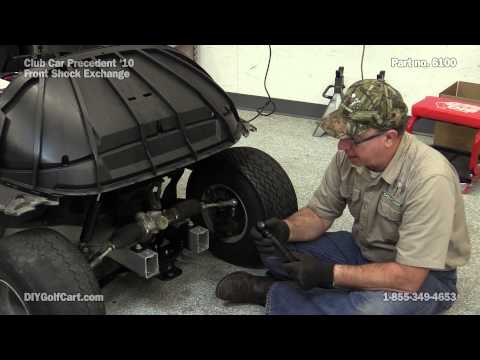
Store Properly
When not in use, store your golf cart in a dry, sheltered location. This helps protect it from the elements, which can cause rust and deterioration of suspension parts. If possible, use a golf cart cover for additional protection.
By following these preventive maintenance tips, you can enhance the durability of your golf cart's suspension system, ensuring that your rides remain smooth and enjoyable. Regular attention to these details not only prolongs the life of your suspension but also contributes to a better overall golf cart experience.
We truly value your thoughts and insights! If you have any questions or opinions about the Golf Cart Suspension Repair Guide, we warmly invite you to share them in the comments section. Your feedback not only enriches our community but also helps fellow golf cart enthusiasts navigate their repair journeys with greater ease. We look forward to hearing from you!
Leave a Reply