

This article provides valuable golf vehicle shock absorption maintenance advice to ensure a smoother ride on your golf cart. Readers will discover practical golf cart suspension maintenance strategies and essential insights into common issues, helping you enhance your cart's performance and comfort. Whether you're a seasoned golfer or a casual user, these golf cart stability repair suggestions will guide you in keeping your ride in top shape.
Understanding the Importance of Golf Cart Suspension Maintenance
Maintaining the suspension system of your golf cart is crucial for ensuring a smooth and safe ride. A well-functioning suspension not only enhances comfort but also improves the overall performance of the cart. Here’s why you should prioritize suspension maintenance:
Key Benefits of Proper Suspension Maintenance
- Enhanced Comfort: A properly maintained suspension absorbs shocks and bumps, providing a smoother ride over uneven terrains.
- Improved Handling: Regular maintenance ensures that the suspension components are aligned and functioning correctly, which is essential for responsive steering and stability.
- Increased Longevity: Timely repairs and maintenance can extend the lifespan of your golf cart by preventing excessive wear and tear on other components.
- Safety Assurance: A well-maintained suspension system reduces the risk of accidents by improving traction and control, especially on hilly or slippery surfaces.
Common Suspension Issues to Watch For
Regular inspection can help identify issues before they escalate. Here are some common problems associated with golf cart suspensions:
- Worn Shock Absorbers: Over time, shock absorbers can lose their effectiveness, leading to a bumpy ride.
- Loose Bolts and Fasteners: Suspension components can become loose, which may result in misalignment and poor handling.
- Damaged Springs: Springs can become corroded or broken, impacting the cart's ability to absorb shocks properly.
Maintenance Tips for Optimal Suspension Performance
To keep your golf cart suspension in top condition, consider the following maintenance practices:
- Regular Inspections: Check suspension components for signs of wear, damage, or rust at least once a month.
- Lubrication: Ensure all moving parts are adequately lubricated to prevent friction and premature wear.
- Replace Worn Parts: Address any worn or damaged components promptly to maintain optimal performance.
- Professional Servicing: Schedule professional inspections and servicing annually to ensure all systems are functioning correctly.
Maintaining your golf cart’s suspension is not just about comfort; it directly impacts safety and performance. By being proactive and attentive to the needs of your suspension system, you can enjoy a smoother ride and prolong the life of your golf cart.
Common Signs That Your Golf Cart Suspension Needs Repair
Recognizing the signs that your golf cart suspension requires attention is crucial for maintaining a smooth and safe ride. Here are some indicators to look out for:
1. Uneven Tire Wear
If you notice that your tires are wearing unevenly, it may be a sign of suspension issues. Uneven tread patterns can lead to poor traction and handling, affecting your overall driving experience.
2. Bouncing or Excessive Tilting
A well-functioning suspension should absorb shocks effectively. If your golf cart is bouncing excessively or tilting during turns, this could indicate that the suspension components, such as shocks or struts, are worn out and need repair.
3. Noisy Suspension
Pay attention to any strange noises coming from the suspension system, such as clunks or rattles. These sounds can suggest that parts are loose or damaged, which may require immediate attention to prevent further damage.
4. Difficulty Steering
If you find that steering your golf cart has become more challenging or feels less responsive, it might be due to suspension problems. A compromised suspension can lead to misalignment, making it hard to control the cart properly.
5. Poor Ride Comfort
A noticeable decrease in ride comfort can signal that your suspension system needs maintenance. If you feel every bump in the road, this may indicate that the suspension is not functioning correctly and could benefit from repairs.
What to Do If You Notice These Signs
If you identify any of these symptoms, consider taking the following steps:
- Inspect your suspension components: Check for visible signs of wear, such as leaking shocks or damaged springs.
- Consult a professional: A qualified technician can perform a thorough assessment of your golf cart suspension system.
- Schedule regular maintenance: Keeping up with regular inspections can help catch issues early and ensure a smoother ride.
Maintaining your golf cart's suspension is vital for safety and performance. By being aware of these common signs, you can take proactive measures to ensure your cart remains in excellent condition.
Step-by-Step Guide to Golf Cart Suspension Repair
Repairing the suspension of your golf cart is essential for ensuring a smooth and safe ride. This step-by-step guide will help you navigate the process effectively, making it easy to restore your cart's performance.
Step 1: Gather Necessary Tools and Materials
Before you begin the repair, make sure you have all the required tools and materials. Here’s a list of what you will need:
- Wrenches (various sizes)
- Socket set
- Jack and jack stands
- Replacement suspension parts (e.g., shocks, springs)
- Grease and grease gun
- Safety goggles and gloves
Step 2: Prepare Your Golf Cart
Ensure your golf cart is parked on a flat surface and turn off the ignition. For safety, engage the parking brake.
Step 2.1: Lift the Cart
Using the jack, lift the front or rear of the cart depending on which suspension system you are repairing. Secure the cart with jack stands to prevent any accidents.
Step 3: Inspect the Suspension Components
Carefully examine all suspension parts, including:
- Shocks for leaks or damage
- Springs for sagging or breaks
- Control arms for bending or wear
- Bushings for deterioration
Identifying the specific components that need repair or replacement is crucial for the next steps.
Step 4: Replace Damaged Parts
Once you’ve identified the faulty components, remove them carefully:
- Use the socket set to unbolt the damaged shocks or springs.
- Replace them with new parts, ensuring they match the specifications for your golf cart model.
- Secure all bolts tightly and apply grease to moving parts to enhance performance.
Step 5: Reassemble and Test the Suspension
After replacing the necessary parts, lower the cart back to the ground.
Step 5.1: Check Alignment
Make sure everything is aligned correctly. Misalignment can lead to uneven wear and affect the ride quality.
Step 5.2: Test Drive
Take your golf cart for a test drive to assess the effectiveness of your repairs. Pay attention to any unusual noises or handling issues.
Step 6: Regular Maintenance Tips
To ensure the longevity of your golf cart's suspension system, follow these essential maintenance tips:
- Inspect the suspension regularly for signs of wear.
- Keep components lubricated to reduce friction.
- Monitor tire pressure as it can affect suspension performance.
By adhering to this step-by-step guide, you can effectively repair your golf cart's suspension system and enjoy a smoother ride. Regular checks and timely repairs will contribute to a more enjoyable golfing experience.
Choosing the Right Replacement Parts for Your Golf Cart Suspension
When it comes to maintaining your golf cart, selecting the appropriate replacement parts for the suspension system is crucial for ensuring a smooth and comfortable ride. The suspension plays a vital role in absorbing shocks and providing stability, which is why making informed choices is essential.
Understanding Your Suspension System
Before you begin shopping for replacement parts, it's important to familiarize yourself with the components of your golf cart's suspension system. Key parts include:
- Shocks and Struts: These components absorb impacts from uneven terrain, ensuring a comfortable ride.
- Leaf Springs: Found in many golf carts, leaf springs support the weight of the cart and help with load distribution.
- Control Arms: These connect the wheel assembly to the frame and allow for smooth movement during turns.
- Bushings: These rubber or polyurethane pieces provide cushioning between moving parts and reduce vibrations.
Factors to Consider When Selecting Replacement Parts
Choosing the right replacement parts requires consideration of several factors:
- Compatibility: Ensure the parts are compatible with your specific golf cart model. Check the manufacturer’s specifications for recommended parts.
- Quality: Opt for high-quality parts that are durable and reliable. Investing in reputable brands often leads to better performance and longevity.
- Type of Terrain: Consider where you typically drive your golf cart. If you frequently navigate rough terrain, you may need heavy-duty suspension components.
- Price: While it’s important to stay within budget, avoid overly cheap options that may compromise safety and comfort.
Popular Replacement Parts for Golf Cart Suspension
Here are some well-regarded options for replacement parts that can enhance your golf cart's suspension system:
- EZGO OEM Replacement Shocks: Priced around $100 each, these shocks provide excellent performance and are specifically designed for EZGO models.
- Club Car Leaf Springs: Available for approximately $150, these leaf springs offer improved load support and stability.
- Yamaha Golf Cart Control Arms: Retailing at around $120, these control arms ensure precise handling and smooth rides.
Installation Tips for Your Golf Cart Suspension Parts
Once you've selected the right parts, proper installation is key to maximizing their effectiveness. Here are some helpful tips:
- Follow Manufacturer Instructions: Always refer to the installation manual provided with your replacement parts.
- Use the Right Tools: Having the appropriate tools on hand will make the installation process smoother and more efficient.
- Consider Professional Help: If you're not comfortable with DIY repairs, it may be wise to hire a professional to ensure everything is installed correctly.
By taking the time to understand your golf cart's suspension system and carefully selecting quality replacement parts, you can enhance your vehicle's performance and enjoy a more comfortable ride on the course.
Tips for Preventing Future Suspension Issues in Golf Carts
To ensure a smooth ride and avoid suspension problems in your golf cart, it's essential to adopt preventive measures. Here are several strategies that can help maintain your golf cart's suspension system effectively.
Regular Maintenance Checks
Performing routine inspections can significantly extend the life of your golf cart’s suspension. Focus on these areas during your checks:
- Shock Absorbers: Inspect for leaks or signs of wear. Replace them if they show signs of deterioration.
- Springs: Look for rust or bending. Ensure they are properly tensioned.
- Ball Joints: Check for play or excessive movement, which can indicate wear.
Proper Weight Distribution
Uneven weight distribution can lead to suspension issues. Ensure that the weight within your golf cart is balanced. Here are some tips:
- Load Management: Distribute heavy items evenly across the cart.
- Passenger Placement: When carrying passengers, seat them symmetrically.
Avoid Rough Terrain
While golf carts are designed for various terrains, consistently driving over rough surfaces can cause strain on the suspension. To mitigate this:
- Stick to Pathways: Whenever possible, use designated paths or smoother surfaces.
- Reduce Speed: Navigate bumpy areas at a slower speed to lessen the impact on the suspension.
Utilize Quality Replacement Parts
When it's time to replace suspension components, opting for high-quality parts is crucial. Look for reputable brands that offer durability and performance, such as:
- Monroe Shock Absorbers: Known for their reliable performance, typically priced around $50 each.
- Genuine OEM Springs: These can be more expensive but ensure a perfect fit, often costing between $75 and $150.
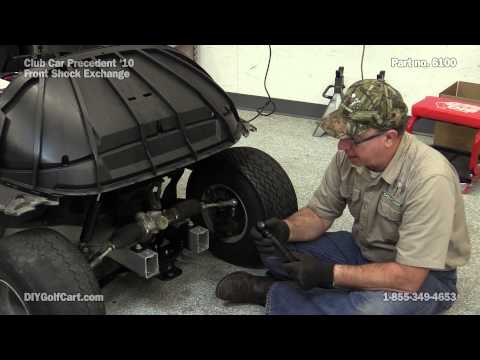
Monitor Tire Pressure
Maintaining the correct tire pressure is essential for optimal suspension performance. Follow these guidelines:
- Check Regularly: Inspect tire pressure at least once a month.
- Follow Manufacturer Specifications: Adhere to the recommended pressure levels for your specific model.
By implementing these practical tips, you can enhance the longevity and functionality of your golf cart's suspension system, ensuring a smoother ride for years to come.
We truly value your insights and experiences, and we invite you to share your thoughts or questions about Golf Cart Suspension Repair Tips in the comments below. Your input not only enriches our community but also helps fellow golf cart enthusiasts tackle their own repair challenges. Whether you have helpful tips to share or need clarification on a specific issue, your voice matters here. We look forward to hearing from you!
Leave a Reply