
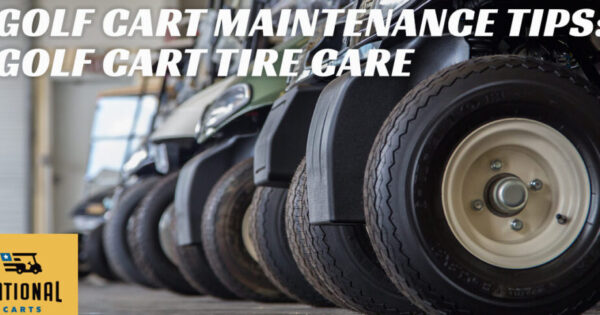
In this article, readers will discover crucial golf cart tire care strategies designed to enhance performance and longevity. Key golf cart tire upkeep methods will be explored, providing practical tips and insights to ensure your vehicle operates smoothly. Whether you're a seasoned owner or new to the world of golf carts, these golf cart tire maintenance practices will help you keep your tires in top condition for the best driving experience.
Essential Tools for Golf Cart Tire Maintenance
Maintaining your golf cart's tires is crucial for ensuring a smooth ride and optimal performance. Here are the essential tools you need to keep your golf cart tires in top shape.
Tire Pressure Gauge
A tire pressure gauge is an indispensable tool for monitoring tire inflation. Proper tire pressure is vital for safety and performance. Regularly checking your golf cart tires with a reliable gauge helps prevent uneven wear and enhances fuel efficiency.
- Digital Tire Pressure Gauge: Offers quick and accurate readings, often priced around $15 to $25.
- Dial Tire Pressure Gauge: A classic option, usually available for $10 to $20, providing easy-to-read measurements.
Tire Changer
A tire changer simplifies the process of replacing or repairing tires. This tool is particularly useful if you frequently perform maintenance on your golf cart or have multiple carts.
- Manual Tire Changer: Typically priced between $50 and $100, it allows for effective tire changes without requiring extensive tools.
- Electric Tire Changer: For those seeking efficiency, an electric model can cost between $150 and $300, making tire changes quicker and easier.
Tire Repair Kit
A tire repair kit is essential for addressing punctures and leaks promptly. Having a kit on hand ensures you can quickly fix minor issues without needing professional assistance.
- Puncture Repair Kit: Usually priced around $20 to $40, it includes plugs, tools, and instructions for effective repairs.
- Complete Tire Repair Kit: This comprehensive kit, costing about $50 to $80, often features multiple repair options and tools.
Jack and Jack Stands
To perform maintenance safely, a sturdy jack and jack stands are vital. These tools allow you to lift the golf cart securely, making it easier to access and inspect tires.
- Hydraulic Floor Jack: Priced around $70 to $150, it provides reliable lifting power for heavy carts.
- Jack Stands: Available for $30 to $60, they offer stability while you work on your tires.
Tire Dressing and Cleaner
To maintain the aesthetic and performance of your golf cart tires, using a tire dressing and cleaner is beneficial. These products help protect against UV damage and improve traction.
- Foam Tire Cleaner: A good choice for $10 to $20, it effectively removes dirt and grime.
- Tire Shine Spray: Available for about $15 to $30, it enhances the appearance and longevity of tire rubber.
Having the right tools for golf cart tire maintenance not only enhances the lifespan of your tires but also ensures that your golf cart performs at its best. Regularly using these tools will help you achieve optimal performance and a safer driving experience.
Step-by-Step Guide to Inspecting Golf Cart Tires
Inspecting your golf cart tires is crucial for ensuring a safe and smooth ride on the course. Regular checks can help you identify potential issues before they become significant problems. Follow this comprehensive guide to effectively inspect your golf cart tires.
1. Gather Necessary Tools
Before starting the inspection, make sure you have the following tools on hand:
- Tire Pressure Gauge: Essential for measuring tire pressure accurately.
- Tread Depth Gauge: Helps in assessing the wear of the tire tread.
- Flashlight: Useful for inspecting the tires in low-light conditions.
- Socket Wrench: For checking and tightening wheel lug nuts.
2. Check Tire Pressure
Maintaining the correct tire pressure is vital for optimal performance. Follow these steps:
- Remove the valve cap from the tire.
- Press the tire pressure gauge onto the valve stem to get a reading.
- Compare the reading to the manufacturer’s recommended pressure, typically found on a sticker inside the cart or in the owner’s manual.
- If the pressure is too low, inflate the tire to the recommended level.
- If the pressure is too high, release some air until it reaches the correct level.
3. Inspect Tread Depth
Proper tread depth is crucial for traction and safety. To check the tread:
- Use a tread depth gauge to measure the depth in various spots across the tire.
- Ensure that the tread depth meets the minimum requirement, which is usually 1/8 inch.
- If the tread is worn down, consider replacing the tires to maintain optimal performance.
4. Examine for Visible Damage
Look closely at each tire for signs of damage:
- Cracks or Cuts: Inspect the sidewalls for any visible cuts or cracks that could compromise the tire’s integrity.
- Bubbles or Blisters: Check for any bulges that indicate internal damage.
- Foreign Objects: Remove any stones, nails, or debris lodged in the tread that could cause punctures.
5. Assess Alignment and Wear Patterns
Improper alignment can lead to uneven tire wear. To assess:
- Look for uneven wear on the tire surface, such as more wear on one side than the other.
- If you notice irregular patterns, it may indicate a need for alignment adjustments.
6. Tighten Wheel Lug Nuts
Ensuring that the lug nuts are secure is important for safety:
- Using a socket wrench, check each lug nut for tightness.
- If any are loose, tighten them to the manufacturer’s specified torque settings.
7. Rotate Tires Regularly
To promote even wear, consider rotating your golf cart tires:
- Follow a rotation schedule based on usage, typically every 1,000 miles or as recommended by the manufacturer.
- Ensure the tires are reinstalled in the correct position to maintain optimal performance.
Performing these steps will help you maintain the condition of your golf cart tires, contributing to safer rides and extending the life of your tires. Regular inspections are a key part of essential golf cart tire maintenance techniques that ensure your cart operates smoothly on the course.
Common Tire Issues and How to Address Them
Understanding the common tire issues that can arise with your golf cart is essential for ensuring a smooth and safe ride. Below are several prevalent tire problems and practical solutions to keep your tires in optimal condition.
1. Uneven Wear
Uneven tire wear can significantly affect your golf cart's performance and safety. This issue is often caused by improper inflation, misalignment, or suspension problems.
- Solution: Regularly check tire pressure using a reliable gauge and adjust it according to the manufacturer's specifications.
- Solution: Schedule periodic alignment checks to ensure that all four tires are aligned correctly.
- Solution: Inspect the suspension components for wear and replace any damaged parts.
2. Low Tire Pressure
Low tire pressure can lead to poor handling and increased tire wear, reducing the lifespan of your tires.
- Solution: Inflate tires to the recommended pressure, typically found on the sidewall of the tire or in the owner's manual.
- Solution: Conduct weekly pressure checks, especially before long drives.
3. Punctures and Cuts
Tires can easily sustain punctures or cuts from sharp objects on the course or rough terrain.
- Solution: For minor punctures, use a tire sealant designed for golf carts to seal leaks.
- Solution: For larger cuts or severe damage, replacing the tire may be necessary to ensure safety.
4. Sidewall Bulges
Bulges in the sidewall are indicative of internal damage and can lead to tire failure if not addressed.
- Solution: Inspect tires regularly for any signs of bulging or deformation.
- Solution: If bulges are detected, replace the tire immediately to prevent blowouts.
5. Cracking and Dry Rot
Over time, exposure to sunlight and harsh weather can cause tire rubber to crack or dry rot.
- Solution: Store your golf cart in a shaded area or use tire covers when not in use to protect against UV rays.
- Solution: Regularly inspect the tires for cracks, and replace them if the damage is extensive.
By staying vigilant and addressing these common tire issues promptly, you can enhance the performance and longevity of your golf cart tires, ensuring a safer and more enjoyable ride.
Best Practices for Maintaining Golf Cart Tire Pressure
Maintaining the correct tire pressure in your golf cart is crucial for ensuring optimal performance and safety. Here are some effective strategies to help you keep your golf cart tires in excellent condition.
Regular Pressure Checks
It's essential to monitor your golf cart tire pressure frequently. Aim to check the pressure at least once a month or before significant outings. Use a reliable tire pressure gauge for accurate readings. Follow these steps:
- Remove the valve cap from the tire.
- Press the gauge onto the valve stem to get a reading.
- Compare the reading with the manufacturer's recommended pressure, usually found in the owner’s manual or on a sticker inside the cart.
Know the Ideal Tire Pressure
Understanding the ideal tire pressure for your specific golf cart model is vital. Typically, the recommended pressure ranges from 15 to 25 psi. However, this can vary based on the cart's weight and intended use. Always refer to your owner's manual for precise specifications.
Adjusting Tire Pressure
If your tire pressure is too low or too high, adjust it accordingly:
- To inflate, use an air compressor until you reach the desired psi.
- If the pressure is too high, release some air by pressing the valve stem until the correct level is achieved.
Seasonal Adjustments
Changes in temperature can affect tire pressure. As the weather warms or cools, it's essential to adjust your tire pressure accordingly. For every 10°F change in temperature, tire pressure can fluctuate by about 1 psi. Be proactive and check your tire pressure during seasonal transitions.
Monitor for Damage
In addition to maintaining tire pressure, regularly inspect your tires for signs of wear or damage. Look for:
- Cracks or cuts in the sidewalls.
- Uneven tread wear, which may indicate improper pressure.
- Bubbles or blisters on the tire surface.
If you notice any of these issues, consider replacing the tires to ensure safe operation.
Utilize a Tire Pressure Monitoring System (TPMS)
For added convenience, consider investing in a Tire Pressure Monitoring System. These systems provide real-time updates on tire pressure and alert you to any significant fluctuations. This technology can be particularly beneficial for avid golfers who frequently use their carts.
By implementing these best practices for maintaining golf cart tire pressure, you will enhance your cart's performance, extend tire life, and ensure a safer ride on the course. Remember, consistent attention to tire maintenance is key to enjoying your golfing experience.
When to Replace Golf Cart Tires for Optimal Performance
Knowing when to replace your golf cart tires is crucial for maintaining optimal performance and ensuring safety on the course. Here are key indicators and guidelines to help you determine the right time for a tire replacement.
Signs of Wear and Tear
Look out for the following signs that indicate your golf cart tires may need replacing:
- Tread Wear: If the tread depth is less than 2/32 of an inch, it’s time to consider new tires. Insufficient tread can lead to poor traction, especially in wet conditions.
- Cracks and Bulges: Inspect for visible cracks or bulges on the tire sidewalls. These defects can compromise tire integrity and pose safety risks.
- Uneven Wear: If you notice uneven wear patterns, it may indicate alignment issues or improper inflation. This can lead to premature tire failure.
Age of the Tires
Even if your tires appear to be in good condition, consider their age. Most golf cart tires have a lifespan of about 5 to 7 years. Check the manufacturing date on the sidewall. If your tires are approaching this age, it’s prudent to start planning for a replacement.
Performance Issues
If you experience any of the following performance issues, it may be time to replace your tires:
- Reduced Traction: If your golf cart struggles to maintain grip on inclines or during turns, worn tires could be the culprit.
- Flat Spots: If your cart has been sitting for extended periods, tires may develop flat spots, affecting ride quality.
- Vibration: Excessive vibration while driving can indicate a problem with the tires, such as imbalance or damage.
Seasonal Considerations
When evaluating tire condition, consider the seasons. For instance, if you frequently use your golf cart during rainy or winter months, you may need to replace tires more often due to increased wear from wet or icy conditions.

Choosing the Right Replacement Tires
When it's time for a replacement, selecting the right tires is essential for optimal performance. Look for tires that are specifically designed for golf carts, such as:
- All-Terrain Tires: Ideal for varied surfaces, providing stability and traction.
- Street Tires: Designed for smooth, paved surfaces, offering a quieter ride.
- Mud Tires: If your course has off-road sections, these tires can enhance grip on softer terrains.
Remember to regularly inspect your tires and follow essential golf cart tire maintenance techniques for optimal performance. Keeping an eye on these indicators will help you enjoy a safe and smooth ride on the course.
We’d love to hear your thoughts and experiences regarding Golf Cart Tire Maintenance Techniques! Your insights and questions can spark meaningful discussions and help others in our community. Whether you have tips to share or are seeking advice, please don’t hesitate to leave a comment below. Together, we can enhance our understanding and enjoyment of golf cart maintenance!
Leave a Reply