
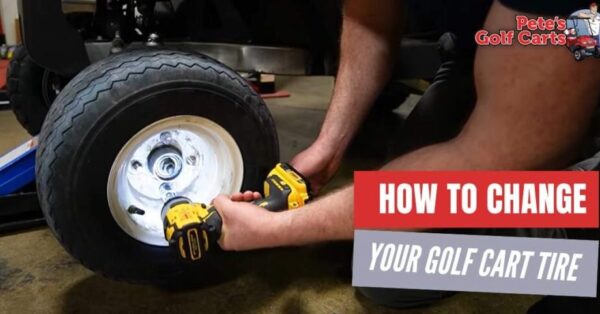
This article provides a comprehensive overview of the golf cart tire change process, detailing essential golf cart tire swap procedures to ensure a smooth and efficient replacement. Readers will discover the necessary tools, step-by-step instructions, and helpful tips for a successful golf cart tire exchange, making it easier to maintain their vehicles and enhance performance on the course.
Essential Tools Needed for Golf Cart Tire Replacement
When it comes to replacing golf cart tires, having the right tools at your disposal is crucial for a smooth and efficient process. Below are the key tools that will ensure you can tackle this task effectively.
1. Tire Jack
A reliable tire jack is essential for lifting your golf cart safely. Look for a hydraulic jack with a lifting capacity of at least 1,500 pounds. This will provide the necessary support to elevate your cart for tire removal. Prices typically range from $50 to $100, depending on brand and specifications.
2. Lug Wrench
A lug wrench is vital for loosening and tightening the lug nuts that secure the tires. Opt for a cross-shaped lug wrench, which offers better leverage and grip. You can find good-quality lug wrenches priced between $15 and $30.
3. Tire Pressure Gauge
Maintaining proper tire pressure is key to golf cart performance. A tire pressure gauge allows you to check the inflation levels before and after tire replacement. Digital gauges offer precision and ease of use, usually costing around $10 to $25.
4. Torque Wrench
Using a torque wrench ensures that lug nuts are tightened to the manufacturer’s specifications, preventing any loosening during operation. A click-type torque wrench is user-friendly and can be found for about $30 to $70.
5. Tire Chocks
To enhance safety while working on your golf cart, tire chocks should be placed behind the wheels that remain on the ground. This prevents any accidental rolling. A set of rubber or plastic chocks is generally available for $10 to $20.
6. Tire Repair Kit
In addition to tire replacement, a tire repair kit can be invaluable for handling minor issues like punctures. A basic kit usually includes tire plugs, a reamer, and a plug insertion tool, with prices ranging from $15 to $35.
7. Cleaning Supplies
Keeping your tires and rims clean is important for maintenance. A simple set of cleaning supplies, including a brush and wheel cleaner, will help you prepare your tires for installation. Expect to spend around $10 to $20 for a quality cleaning set.
Additional Considerations
When gathering these essential tools for golf cart tire replacement, ensure you also have safety gear such as gloves and goggles. This will provide protection during the tire replacement process. Having these tools and accessories on hand will make your tire replacement task more efficient and safer.
Step-by-Step Guide to Removing Old Golf Cart Tires
Removing old golf cart tires is an essential maintenance task that ensures your cart operates efficiently and safely. Whether you are upgrading to new tires or need to replace worn ones, following these clear steps will make the process straightforward.
Tools and Materials Needed
Before you start, gather the necessary tools and materials to make the job easier:
- Jack or jack stands: To lift the golf cart securely.
- Lug wrench: To remove the lug nuts.
- Replacement tires: Ensure they are compatible with your golf cart model.
- Torque wrench: To properly tighten the lug nuts after installation.
- Safety gloves: To protect your hands during the process.
Step 1: Prepare the Golf Cart
Begin by parking the golf cart on a flat, stable surface. Engage the parking brake to prevent any movement while you work.
Step 2: Lift the Golf Cart
Using a jack, lift the front or rear of the golf cart, depending on which tires you are replacing. Place jack stands underneath for added safety, ensuring the cart is secure before proceeding.
Step 3: Remove the Lug Nuts
With the lug wrench, loosen and remove the lug nuts from the tire. It’s often best to turn them counterclockwise. Keep the lug nuts in a safe place, as you will need them for the new tires.
Step 4: Take Off the Old Tire
Once the lug nuts are removed, carefully pull the tire straight off the wheel hub. If it’s stuck, gently tap the side of the tire to dislodge it.
Step 5: Inspect the Wheel Hub
Before installing new tires, check the wheel hub for any signs of damage or debris. Clean the area if necessary to ensure a proper fit for the new tire.
Step 6: Install the New Tire
Align the new tire with the wheel hub and push it onto the hub until it fits snugly.
Step 7: Secure the Lug Nuts
Place the lug nuts back onto the wheel bolts and hand-tighten them. Once they are all in place, use the torque wrench to tighten them to the manufacturer’s specifications, ensuring they are secure but not over-tightened.
Step 8: Lower the Golf Cart
Carefully lower the golf cart back to the ground by removing the jack stands and gently lowering the jack.
Step 9: Final Check
After lowering the cart, do a final check to ensure all lug nuts are tightened properly. It’s advisable to drive the cart a short distance and then recheck the tightness of the lug nuts to ensure they remain secure.
Following this step-by-step guide to removing old golf cart tires will help you maintain your golf cart effectively, ensuring it performs at its best with new, reliable tires. Regular maintenance, including tire replacement, is key to prolonging the life of your golf cart and enhancing your driving experience.
How to Choose the Right Replacement Tires for Your Golf Cart
Choosing the appropriate replacement tires for your golf cart is crucial for enhancing performance, safety, and comfort during your rides. With a variety of options available, understanding the key factors to consider can help you make an informed decision.
Understand Your Golf Cart's Specifications
Before selecting new tires, it is essential to know your golf cart's specifications, including:
- Tire Size: Refer to the sidewall of your current tires for size details, typically expressed in a format like 205/50-10.
- Load Capacity: Check the load capacity to ensure the tires can support the weight of your cart and any additional passengers or cargo.
- Type of Golf Cart: Determine if your cart is electric or gas-powered, as this can influence tire choice.
Consider the Terrain
The type of terrain where you typically drive your golf cart plays a significant role in tire selection.
- For Golf Courses: Opt for turf tires designed to minimize damage to grass while providing a smooth ride.
- Off-Road Use: If you venture onto rugged terrain, all-terrain tires with deeper treads will offer better traction.
- Street Use: For driving on pavement, consider street tires that provide a quieter ride and improved handling.
Select the Right Tread Pattern
The tread pattern of your tires affects traction and stability. Here are some common options:
- Knobby Tread: Ideal for off-road conditions, offering excellent grip on uneven surfaces.
- Directional Tread: Designed for improved handling and performance, especially in wet conditions.
- Flat Tread: Best for paved surfaces, providing a smooth and stable ride.
Evaluate Tire Quality and Brand Reputation
Investing in high-quality tires from reputable brands ensures durability and performance. Consider options such as:
- Carlisle Golf Cart Tires: Known for their reliable construction and variety of tread patterns, prices range from $70 to $120 per tire.
- Greenball Tires: Offers excellent turf tires designed specifically for golf courses, typically priced between $60 and $110.
- Maxxis Golf Cart Tires: Renowned for their all-terrain capabilities, with prices starting around $80 and going up to $150.
Review Pricing and Warranty
Pricing can vary significantly based on the brand and type of tire. When shopping, look for:
- Competitive Pricing: Compare prices from different retailers to find the best deals.
- Warranty Options: A good warranty can provide peace of mind, covering defects or premature wear.
By carefully considering these factors, you can choose the right replacement tires for your golf cart, enhancing your driving experience and ensuring safety on the course or wherever your adventures take you.
Proper Installation Techniques for New Golf Cart Tires
Installing new tires on your golf cart is crucial for optimal performance and safety. This section will guide you through the essential techniques for a successful installation, ensuring that your tires are fitted correctly and efficiently.
Gathering Necessary Tools and Equipment
Before you begin, ensure you have the following tools on hand:
- Jack and Jack Stands: To lift the golf cart safely.
- Lug Wrench: For loosening and tightening lug nuts.
- Tire Pressure Gauge: To check the air pressure after installation.
- Torque Wrench: To ensure lug nuts are tightened to the manufacturer's specifications.
- Lubricant: For easier installation of the tire onto the rim.
Step-by-Step Installation Process
Following these steps will help ensure your new golf cart tires are installed correctly:
1. Prepare the Golf Cart
- Park the golf cart on a flat surface and engage the parking brake.
- Use the jack to lift the cart, placing jack stands securely for added safety.
2. Remove Old Tires
- Loosen the lug nuts slightly while the tire is still on the ground.
- Once elevated, completely remove the lug nuts and take off the old tire.
3. Inspect Wheel Hubs
- Check for any signs of wear or damage on the wheel hub. Clean any debris or rust that may interfere with the new tire fitting.
4. Install New Tires
- Apply a small amount of lubricant to the tire bead for easier fitting.
- Align the new tire with the wheel hub and press it onto the hub securely.
- Hand-tighten the lug nuts onto the wheel bolts, ensuring they are properly seated.
5. Tighten Lug Nuts
- Use a torque wrench to tighten the lug nuts to the recommended torque specifications, which is typically around 70-90 ft-lbs for most golf carts. This step is vital to prevent loosening during operation.
6. Lower the Golf Cart
- Carefully remove the jack stands and lower the cart back to the ground.
7. Check Tire Pressure
- Use a tire pressure gauge to ensure the new tires are inflated to the manufacturer's recommended pressure, generally between 15-20 PSI for golf carts.
Post-Installation Care
After installing your new tires, it's essential to monitor their performance. Regularly check the tire pressure and inspect for uneven wear, which could indicate misalignment or improper installation. Keeping your tires in optimal condition will enhance the longevity and performance of your golf cart.
By adhering to these proper installation techniques, you can ensure a smooth ride and maximize the lifespan of your new golf cart tires. This attention to detail is a crucial part of the essential steps for golf cart tire replacement, contributing to a safer and more enjoyable golfing experience.
Maintenance Tips to Extend the Life of Your Golf Cart Tires
Maintaining your golf cart tires is essential for ensuring safety, performance, and longevity. By following these targeted maintenance tips, you can significantly extend the lifespan of your tires and enhance your overall golfing experience.
Regular Tire Pressure Checks
Maintaining the correct tire pressure is vital for optimal performance and longevity. Under-inflated tires can lead to uneven wear and decreased fuel efficiency, while over-inflated tires can increase the risk of blowouts.
- Check the tire pressure at least once a month.
- Refer to the manufacturer's specifications for the recommended PSI.
- Use a reliable tire pressure gauge for accurate readings.
Rotate Your Tires
Just like in automobiles, rotating your golf cart tires can help ensure even wear. This practice allows you to maximize the lifespan of all four tires.
- Rotate your tires every 6 months or every 1,000 miles.
- Follow a cross-pattern rotation method for best results.
Inspect for Damage
Regular inspections can catch potential issues before they become serious problems. Look for signs of wear, cracks, or punctures.
- Examine the sidewalls for cuts or bulges.
- Check the tread depth; replace tires that are worn down.
- Look for foreign objects lodged in the tread.
Clean Your Tires
Keeping your tires clean can prevent the buildup of dirt and grime that can lead to deterioration.
- Use mild soap and water to clean the tires regularly.
- Rinse thoroughly to remove all soap residues.
- Dry with a soft cloth to prevent water spots.
Avoid Overloading Your Golf Cart
Exceeding the weight capacity of your golf cart can cause excessive strain on your tires, leading to premature wear.
- Know your golf cart's weight limit and adhere to it.
- Distribute weight evenly when loading the cart.

Store Your Golf Cart Properly
When not in use, proper storage can prevent unnecessary wear and tear on your tires.
- Keep your golf cart in a cool, dry place away from direct sunlight.
- Consider using tire covers to protect against UV rays.
Implementing these maintenance strategies will help you achieve optimal performance and extend the life of your golf cart tires, ultimately saving you time and money in the long run. Regular attention to tire care not only enhances safety but also improves the overall efficiency of your golf cart, allowing you to focus on enjoying your time on the course.
We would love to hear your thoughts and questions about the Golf Cart Tire Replacement Steps! Your insights and inquiries not only enrich our community but also help others who may be navigating similar challenges. Whether you have tips to share or need clarification on a specific step, please feel free to leave your comments below. Together, we can create a valuable resource for all golf cart enthusiasts!
Leave a Reply