
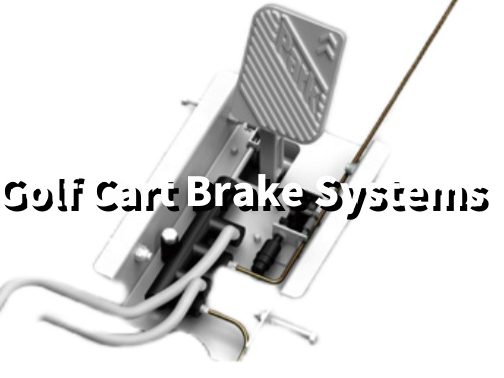
This article provides essential insights into upkeeping golf cart brake pads to ensure optimal performance. Readers will discover practical tips and techniques for caring for golf cart brake pads, as well as important maintenance schedules and signs that indicate when replacement is necessary. By following these guidelines, you can enhance your golf cart's safety and longevity.
Understanding the Importance of Golf Cart Brake Pads
When it comes to ensuring the safety and efficiency of your golf cart, the condition of the brake pads plays a crucial role. These components are essential for effective stopping power, which is vital not just for performance but also for the safety of passengers and pedestrians alike.
Why Quality Brake Pads Matter
The brake pads in your golf cart are designed to create friction against the brake rotors, allowing the vehicle to slow down or stop. Here are some key reasons why investing in high-quality brake pads is essential:
- Safety: Worn or inferior brake pads can significantly increase stopping distances, leading to potential accidents.
- Performance: Quality brake pads enhance the responsiveness of your braking system, allowing for smoother and more controlled stops.
- Durability: High-quality materials tend to last longer, reducing the frequency of replacements and overall maintenance costs.
Signs of Worn Brake Pads
Being proactive about your golf cart’s brake pads can save you time and money in the long run. Look out for these warning signs that indicate it may be time to replace your brake pads:
- Squeaking or Squealing Sounds: These noises often indicate that the brake pads are worn down and need immediate attention.
- Vibration: If you feel vibrations when applying the brakes, it may suggest uneven wear or damage to the brake pads.
- Reduced Stopping Power: A noticeable decrease in braking efficiency is a clear sign that your brake pads are no longer performing optimally.
Choosing the Right Brake Pads
When selecting brake pads for your golf cart, consider the following factors:
- Material: Brake pads are typically made from various materials, including organic, semi-metallic, and ceramic. Each type offers different performance characteristics.
- Compatibility: Ensure that the brake pads you choose are compatible with your specific golf cart model to avoid installation issues.
- Brand Reputation: Opt for reputable brands known for their quality and reliability, such as E-Z-GO or Club Car, which often provide durable options ranging from $30 to $100 per set.
Maintaining Brake Pads for Optimal Performance
Regular maintenance of your golf cart's brake system, including the brake pads, can extend their lifespan and enhance overall performance. Here are some maintenance tips:
- Regular Inspections: Check your brake pads every few months for signs of wear.
- Clean the Brake System: Dust and debris can accumulate, affecting brake performance. Regular cleaning can help maintain efficiency.
- Professional Servicing: Consider having a professional technician inspect and service your brake system at least once a year.
Understanding the importance of golf cart brake pads is vital for safe and effective operation. By investing in quality components and maintaining them properly, you can ensure a reliable and enjoyable golfing experience.
Signs That Your Golf Cart Brake Pads Need Maintenance
Maintaining your golf cart’s brake pads is crucial for ensuring safe and efficient operation. Recognizing the signs that indicate your brake pads may need attention can prevent more significant issues down the line. Here are some key indicators to watch for:
1. Unusual Noises
If you hear squeaking, squealing, or when applying the brakes, it’s a strong indication that your brake pads are wearing down. These noises often result from the metal backing of the pads coming into contact with the brake rotor, suggesting it's time for a replacement.
2. Reduced Braking Efficiency
If you notice that your golf cart takes longer to stop or requires more pressure on the brake pedal, this could signify that the brake pads are worn out. A decrease in braking efficiency can compromise safety and should not be ignored.
3. Vibration or Pulsation
Experiencing vibration or pulsation in the brake pedal while stopping can indicate uneven wear on the brake pads. This issue may also stem from warped rotors, but it is essential to check the pads first as part of your routine maintenance.
4. Brake Warning Light
Many modern golf carts are equipped with a brake warning light on the dashboard. If this light illuminates, it may indicate that your brake pads have reached a critical level of wear and require immediate attention.
5. Visible Wear Indicators
Inspecting your brake pads visually can provide clear signs of wear. Look for thinness or cracking on the pads. If they appear less than a quarter-inch thick, it’s time to consider a replacement.
6. Pulling to One Side
If your golf cart pulls to one side when braking, this could indicate uneven wear of the brake pads. This issue not only affects braking performance but can also lead to further damage if left unaddressed.
Regular Maintenance Tips
To keep your golf cart’s braking system in optimal condition, consider these maintenance practices:
- Regularly inspect brake pads for wear and damage.
- Keep the braking system clean from dirt and debris.
- Consult the manufacturer's guidelines for recommended replacement intervals.
- Ensure proper alignment and adjustment of brake components.
By staying vigilant for these signs and performing regular checks, you can ensure the longevity and performance of your golf cart’s brake pads. Taking proactive steps not only enhances safety but also contributes to a smoother ride on the course.
Step-by-Step Guide to Maintaining Golf Cart Brake Pads
Maintaining your golf cart's brake pads is crucial for ensuring safety and optimal performance. Regular upkeep can enhance your golf cart's longevity and improve your overall riding experience. Follow this detailed guide to keep your brake pads in top condition.
1. Gather Necessary Tools and Materials
Before starting, collect the following items to facilitate the maintenance process:
- Wrench set – for removing wheels and brake components
- Jack and jack stands – to elevate the golf cart safely
- Brake cleaner – to remove dust and debris
- Replacement brake pads – ensure compatibility with your specific model
- Grease – for lubricating moving parts
- Safety goggles – to protect your eyes during maintenance
2. Safely Elevate the Golf Cart
To access the brake pads, follow these steps:
- Park your golf cart on a flat, stable surface.
- Engage the parking brake to prevent movement.
- Using the jack, lift the cart and secure it with jack stands for safety.
3. Remove the Wheel
To access the brake assembly, you need to remove the wheel:
- Loosen the lug nuts with the wrench.
- Completely remove the lug nuts and take off the wheel.
4. Inspect the Brake Pads
Check the condition of the brake pads for wear and tear:
- Look for any cracks, grooves, or thinning of the material.
- If the pads are less than 1/4 inch thick, it’s time for replacement.
5. Clean the Brake Components
Using brake cleaner, spray the brake assembly to remove dust and debris:
- Ensure that all surfaces are free from contaminants.
- Wipe down the components with a clean cloth to ensure they are dry.
6. Replace the Brake Pads
If replacement is necessary, follow these steps:
- Remove the old brake pads by unfastening the retaining clips or bolts.
- Install the new brake pads, ensuring they fit securely in place.
- Reattach any clips or bolts to secure the pads.
7. Reassemble and Test
Once the new pads are in place, reassemble the components:
- Replace the wheel and hand-tighten the lug nuts.
- Lower the golf cart and tighten the lug nuts fully with the wrench.
8. Conduct a Brake Test
After maintenance, perform a brake test to ensure everything is functioning properly:
- Drive the golf cart at a low speed and apply the brakes.
- Listen for any unusual sounds and check for responsiveness.
Maintaining golf cart brake pads is essential for safe and enjoyable rides. By following this comprehensive guide, you can ensure your brake system remains in optimal condition, enhancing your golf cart's performance and your overall experience on the course.
Common Mistakes to Avoid When Maintaining Brake Pads
Maintaining brake pads is crucial for ensuring the safety and performance of your golf cart. Understanding common pitfalls can help you avoid costly repairs and enhance the longevity of your braking system. Here are some mistakes to steer clear of when caring for your brake pads.
Neglecting Regular Inspections
One of the most significant errors is failing to perform regular inspections of your brake pads. Over time, brake pads wear down and can lead to diminished braking performance. Schedule routine checks every few months or after heavy use to catch any issues early.
- Check for uneven wear patterns.
- Listen for unusual noises during braking.
- Monitor brake response times.
Using Incompatible Brake Pads
Choosing the wrong type of brake pads can lead to suboptimal performance. Always select pads specifically designed for your golf cart model. Using generic or incompatible pads can cause premature wear and may not provide adequate stopping power.
Key Considerations When Selecting Brake Pads:
- Material: Opt for materials that match your driving conditions, such as organic, semi-metallic, or ceramic.
- Size: Ensure the dimensions fit your brake system precisely.
- Brand Reputation: Select reputable brands known for quality, like EBC or Akebono.
Ignoring Brake Fluid Quality
Many overlook the importance of brake fluid quality in maintaining brake pads. Old or contaminated fluid can negatively affect braking efficiency. Regularly check the brake fluid and replace it as needed to maintain optimal performance.
Overlooking Installation Guidelines
Improper installation of brake pads can lead to serious issues. Always follow the manufacturer’s guidelines and torque specifications during installation. If you're unsure, consider seeking professional assistance to avoid costly mistakes.
Failing to Break in New Brake Pads
After installing new brake pads, it’s essential to break them in properly. Skipping this step can lead to uneven wear and decreased effectiveness. Follow the recommended break-in procedure, which typically involves gradual acceleration and deceleration over a specified distance.
By being aware of these common mistakes and taking proactive steps, you can enhance the performance of your golf cart's braking system and ensure a safer driving experience. Regular maintenance and informed choices are key to extending the life of your brake pads and improving overall performance.
Choosing the Right Replacement Brake Pads for Your Golf Cart
When it comes to maintaining your golf cart, selecting the appropriate replacement brake pads is essential for ensuring safety and optimal performance. The right brake pads not only enhance stopping power but also contribute to the longevity of your cart’s braking system. Here’s a detailed guide to help you make an informed choice.
Understand the Different Types of Brake Pads
Golf cart brake pads generally come in two types: organic and ceramic. Each type has its own set of advantages and considerations:
- Organic Brake Pads: Made from materials like rubber, carbon compounds, and resins, these pads are known for their quiet operation and smooth performance. They are ideal for light-duty use but may wear out faster under heavy loads.
- Ceramic Brake Pads: These pads are composed of ceramic fibers and are designed for durability and heat resistance. They provide better stopping power and are less prone to wear, making them suitable for heavier carts or frequent use.
Compatibility with Your Golf Cart Model
Before purchasing replacement brake pads, it’s crucial to check the compatibility with your specific golf cart model. Different manufacturers may have unique specifications. Here are some popular brands and their corresponding brake pads:
- Club Car: Look for OEM parts that match your model year, typically priced around $30 to $50.
- Yamaha: Genuine Yamaha brake pads usually range from $40 to $60, ensuring a perfect fit and reliable performance.
- EZGO: Replacement pads for EZGO models can be found for about $25 to $45, offering a good balance of cost and quality.
Assessing Your Driving Style and Environment
Your driving habits and the terrain you navigate can influence the choice of brake pads. Consider the following factors:
- Terrain: If you frequently drive on steep hills or uneven surfaces, opt for high-performance ceramic pads that can handle the extra stress.
- Usage Frequency: For casual use on flat courses, organic pads may suffice, while regular or heavy use calls for more durable options.

Prioritize Quality Over Price
While it might be tempting to choose the cheapest option available, investing in high-quality brake pads can save you money in the long run. Quality pads tend to provide better performance and longevity, reducing the frequency of replacements. Brands like Raybestos and Bosch are known for their reliability and can range from $35 to $70 depending on the type and features.
By understanding the types of brake pads, ensuring compatibility with your golf cart model, assessing your driving style, and prioritizing quality, you can confidently select the right replacement brake pads. This careful consideration will enhance your golf cart’s performance and ensure a safer driving experience.
We truly value your thoughts and experiences, and we believe that sharing them can enrich our community! If you have any opinions, tips, or questions about maintaining golf cart brake pads, we warmly invite you to express them in the comments. Your insights could be just what someone else needs to enhance their golf cart maintenance routine. Let's learn and grow together!
Leave a Reply