
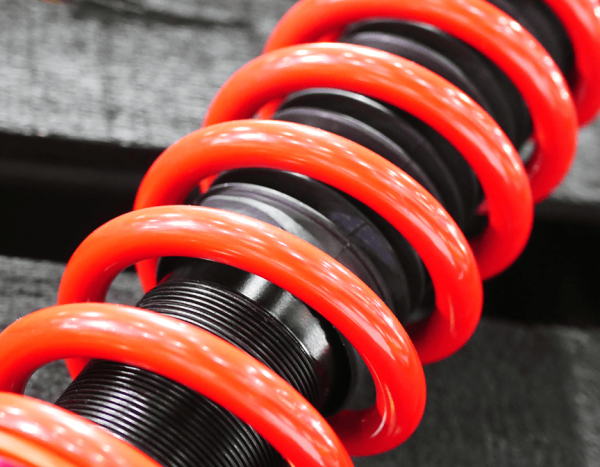
In this article, you will discover essential golf cart suspension tuning techniques that enhance your vehicle's performance. We will outline detailed suspension modification procedures to ensure your golf cart handles smoothly and efficiently on various terrains. From basic adjustments to advanced tips, this guide covers all the necessary suspension calibration steps to achieve optimal functionality and comfort while driving.
Understanding the Importance of Golf Cart Suspension Adjustment
Adjusting the suspension of your golf cart is crucial for ensuring a smooth and safe ride. This aspect of maintenance can significantly enhance both performance and longevity. Here’s why you should prioritize suspension adjustment and how it affects your overall golf cart experience.
Benefits of Proper Suspension Adjustment
When you take the time to adjust your golf cart's suspension, you unlock a range of benefits that improve your driving experience:
- Improved Ride Quality: A well-tuned suspension absorbs shocks and bumps, providing a smoother ride on various terrains.
- Enhanced Stability: Proper suspension settings ensure that your golf cart remains stable, reducing the risk of tipping or losing control.
- Increased Tire Longevity: Correct alignment and suspension adjustments prevent uneven tire wear, extending the life of your tires.
- Better Handling: A properly adjusted suspension system enhances steering response, making it easier to navigate turns and obstacles.
Factors Influencing Suspension Adjustment
Several factors play a critical role in determining the ideal suspension settings for your golf cart:
Weight Distribution
Understanding how weight is distributed across your golf cart is vital. If the load is uneven, adjustments may be necessary to maintain balance and performance.
Terrain Type
The type of terrain you frequently drive on—whether it’s smooth pavement or rugged trails—will dictate the required suspension settings. For example, off-road conditions may necessitate a stiffer suspension.
Personal Preference
Each driver has unique comfort preferences. Some may favor a softer suspension for a plush ride, while others may prefer a firmer setup for enhanced responsiveness.
Signs That Your Suspension Needs Adjustment
Being aware of the indicators that suggest a need for suspension adjustment can save you from larger issues down the line. Look out for:
- Excessive Bouncing: If your golf cart bounces excessively over bumps, it’s time to assess the suspension settings.
- Uneven Tire Wear: Check for signs of uneven tire wear, which can indicate misalignment or incorrect suspension settings.
- Difficulty Steering: If steering feels sluggish or unresponsive, this could signal a need for suspension recalibration.
Proper golf cart suspension adjustment is not just about comfort; it’s essential for safety and performance. By understanding its importance and recognizing the signs that adjustments are needed, you can ensure your golf cart operates at its best, enhancing your overall golfing experience.
Tools Required for Golf Cart Suspension Adjustment
Adjusting the suspension on your golf cart is essential for enhancing its performance and ensuring a smooth ride. To achieve optimal results, having the right tools is crucial. Below is a list of the necessary equipment and tools to effectively carry out golf cart suspension adjustments.
Essential Hand Tools
- Socket Set: A complete socket set, including metric and standard sizes, is vital for loosening and tightening suspension components.
- Wrench Set: A good quality wrench set will help you adjust bolts and nuts that may not be accessible with sockets.
- Torque Wrench: This tool is important for applying the correct amount of torque to bolts, preventing over-tightening and ensuring safety.
Specialized Tools
- Spring Compressor: If your golf cart has coil springs, a spring compressor will safely allow you to remove and install them during suspension adjustments.
- Shock Absorber Tool: This tool aids in the removal and installation of shock absorbers, ensuring proper alignment and function.
Measurement Instruments
- Leveling Tool: A leveling tool or bubble level will help you ensure that your golf cart is perfectly level during suspension adjustments.
- Measuring Tape: A measuring tape is necessary for checking ride height and ensuring proper clearance.
Safety Equipment
- Safety Glasses: Protect your eyes from debris and potential hazards while working on your golf cart.
- Gloves: Wearing gloves can protect your hands from sharp edges and provide better grip on tools.
Having these tools at your disposal will facilitate a smooth and effective golf cart suspension adjustment process. By preparing with the right equipment, you can enhance your golf cart's performance and ensure a more enjoyable ride on the course.
Step-by-Step Guide to Adjusting Your Golf Cart Suspension
Adjusting your golf cart suspension is crucial for ensuring a smooth ride and optimal performance on the course. This guide will walk you through the essential steps to effectively modify your suspension system, enhancing your cart's stability and comfort.
Understanding Your Golf Cart Suspension System
Before diving into the adjustment process, it's important to familiarize yourself with the components of your golf cart's suspension system. Key elements include:
- Shock Absorbers: These dampen the impact from uneven terrain.
- Leaf Springs: Provide support and flexibility to the cart.
- Front and Rear Axles: Connect the wheels to the cart body, impacting overall stability.
Tools and Materials Needed
Gather the following tools and materials to ensure a smooth adjustment process:
- Wrench Set: For loosening and tightening bolts.
- Jack Stands: To safely lift the cart.
- Measuring Tape: For precise height measurements.
- Replacement Parts: Such as new shock absorbers or leaf springs if necessary.
Step-by-Step Adjustment Process
1. Prepare Your Golf Cart
Start by parking your golf cart on a level surface. Engage the parking brake to prevent any movement during the adjustment process.
2. Lift the Cart
Using a jack, lift the front or rear of the cart as needed. Secure it with jack stands to ensure safety while you work.
3. Inspect the Suspension Components
Check the shock absorbers, leaf springs, and axles for wear and tear. Look for any signs of damage that might require replacement.
4. Adjust the Shock Absorbers
If your golf cart has adjustable shock absorbers, turn the adjustment knob to increase or decrease stiffness based on your preference. A softer setting provides a smoother ride, while a firmer setting offers more stability.
5. Modify the Leaf Springs
For leaf springs, you may need to add or remove leaves to achieve the desired height and stiffness. Adding leaves increases load capacity, while removing them can enhance ride comfort.
6. Measure the Height
Once adjustments are made, use a measuring tape to check the height of your golf cart from the ground to the frame. Ensure that it aligns with manufacturer specifications for optimal performance.
7. Reassemble and Test Drive
Carefully reassemble any components you may have disassembled. Lower the cart back to the ground and take it for a test drive to assess the new suspension setup.
Final Considerations
Regularly checking and adjusting your golf cart suspension can significantly enhance your driving experience. By following these steps, you can ensure that your golf cart remains comfortable and stable on any terrain. Whether you’re playing a round of golf or cruising around the neighborhood, a well-adjusted suspension is key to an enjoyable ride.
Common Issues Indicating Suspension Adjustment is Needed
When it comes to maintaining optimal performance in your golf cart, recognizing signs that indicate a need for suspension adjustment is crucial. Here are some common issues to watch for:
1. Uneven Tire Wear
If you notice that your tires are wearing unevenly, it could signal a suspension problem. Look for the following signs:
- Excessive wear on one side: This can indicate misalignment or improper suspension settings.
- Flat spots: A flat spot on the tire may suggest that the suspension is not absorbing shocks properly.
2. Bumpy Ride Quality
A golf cart that feels excessively bumpy or jarring when driving over uneven terrain may require suspension adjustment. Signs to note include:
- Increased vibrations: If you feel more vibrations than usual, the suspension might not be functioning effectively.
- Difficulty in handling: If your cart feels unstable, it could be a suspension issue.
3. Body Roll and Leaning
Observe how your golf cart handles turns and inclines. Excessive body roll or leaning can indicate suspension issues:
- Noticeable leaning during turns: If the cart leans excessively, it may need adjustment.
- Difficulty maintaining balance: If the cart struggles to stay upright, a suspension check is essential.
4. Noisy Suspension
Listen for any unusual noises coming from the suspension system. Common sounds include:
- Clunking or banging: This may suggest worn-out components that require attention.
- Grinding noises: Grinding sounds can indicate a lack of lubrication or damaged parts.
5. Sudden Drops or Sagging
If your golf cart appears to sag on one side or drops suddenly when loaded, this could be a sign of suspension failure. Key indicators include:
- Visible sagging: Look for any noticeable differences in height between sides.
- Inconsistent ride height: The cart should maintain a level height regardless of load.
Recognizing these common issues is the first step in ensuring your golf cart remains in top condition. Addressing suspension problems promptly not only enhances performance but also ensures a safer and more enjoyable ride.
Maintaining Your Golf Cart Suspension for Optimal Performance
Maintaining your golf cart suspension is crucial for ensuring a smooth ride and optimal performance on the course or any terrain. A well-maintained suspension system not only enhances comfort but also prolongs the lifespan of your cart. Here are essential tips and techniques to keep your suspension in top shape.
Regular Inspections
Conducting regular inspections of your golf cart’s suspension system is vital. Look for signs of wear and tear, such as:
- Worn bushings: These can lead to a decrease in ride quality.
- Leaking shocks: If you notice fluid around the shocks, it’s time for a replacement.
- Loose components: Check for any loose bolts or parts that may affect performance.
Perform these checks at least once a month, especially during peak golf season, to ensure everything is functioning properly.
Adjusting the Suspension
Proper suspension adjustment is essential for maintaining your golf cart's performance. Here are the steps to follow:
1. Check the Load Capacity
Ensure your golf cart isn’t overloaded, as this can strain the suspension. The standard load capacity is typically around 800 to 1,200 pounds, depending on the model.
2. Adjust the Shock Absorbers
Many golf carts come equipped with adjustable shock absorbers. Adjust them based on your usual driving conditions:
- Soft settings: Ideal for smoother terrains.
- Stiff settings: Better for rough or uneven surfaces.
3. Align the Suspension
If your cart pulls to one side or feels unstable, it may need realignment. Misalignment can cause uneven tire wear and affect handling. Consult your user manual for specific alignment procedures.
Replacing Worn Components
Over time, certain parts of the suspension system may wear out and require replacement. Key components to monitor include:
- Shock absorbers: Replace them every 2-3 years or as needed.
- Leaf springs: Inspect for cracks or sagging, as these can affect ride height.
- Bushings: These rubber components can degrade over time, leading to noise and poor handling.
Investing in quality replacement parts can significantly enhance your golf cart's performance.

Routine Maintenance Tips
In addition to inspections and adjustments, incorporating routine maintenance can prevent issues before they arise:
- Clean the suspension components: Regularly remove dirt and debris to avoid corrosion.
- Lubricate moving parts: Use appropriate lubricants to keep the suspension functioning smoothly.
- Check tire pressure: Properly inflated tires support the suspension system and improve ride quality.
By following these guidelines, you can ensure your golf cart suspension remains in excellent condition, allowing for a more enjoyable and efficient golfing experience.
We truly value your insights and experiences, and we'd love to hear your thoughts on Golf Cart Suspension Adjustment Steps! Whether you have questions, tips, or personal stories to share, your contributions can enrich our community's understanding. Please feel free to leave your comments below—your input is not only welcome but essential in fostering a supportive dialogue. Thank you for being a part of this conversation!
Leave a Reply