
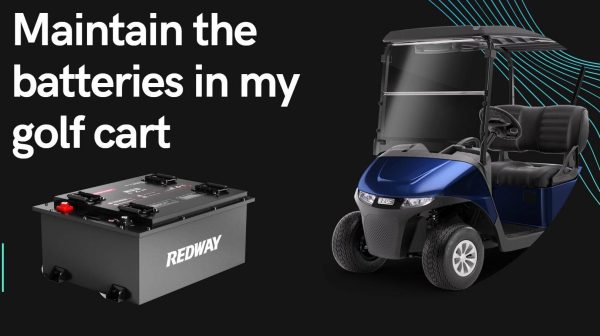
This article provides essential golf cart battery maintenance guidelines to ensure your vehicle operates at peak performance. Readers will discover practical golf cart battery upkeep techniques that enhance longevity and efficiency, along with tips for proper charging and storage. By following these golf cart battery preservation strategies, you can maximize the lifespan of your battery and enjoy a smoother ride.
Understanding Golf Cart Battery Types for Optimal Care
When it comes to maintaining your golf cart, understanding the different types of batteries is crucial for optimal performance and longevity. The right battery not only ensures that your cart runs smoothly but also enhances its overall efficiency. Below, we will delve into the primary battery types used in golf carts, their characteristics, and tips for effective care.
Common Golf Cart Battery Types
There are several battery types commonly used in golf carts, each with its own set of advantages and care requirements:
- Lead-Acid Batteries: The most prevalent type, available in two forms:
- Flooded Lead-Acid: These are traditional batteries that require regular maintenance, including checking water levels and cleaning terminals.
- AGM (Absorbent Glass Mat): Sealed and maintenance-free, AGM batteries are resistant to vibrations and can be mounted in any position.
- Lithium-Ion Batteries: Known for their lightweight design and longer lifespan, these batteries charge faster and require less maintenance. They are often more expensive upfront but can save costs in the long run due to their durability.
Choosing the Right Battery for Your Golf Cart
Selecting the appropriate battery for your golf cart depends on several factors, including usage, budget, and desired performance. Here are some considerations:
- Usage Frequency: For frequent users, lithium-ion batteries may be the best choice due to their quick charge time and longevity.
- Budget: While lead-acid batteries are more affordable initially, consider the long-term savings of lithium-ion options.
- Weight Considerations: If your golf cart needs to be lightweight for easy handling, lithium-ion batteries are ideal.
Essential Care Tips for Different Battery Types
To ensure your golf cart battery performs at its best, follow these care tips tailored to each battery type:
For Lead-Acid Batteries:
- Regularly check and maintain electrolyte levels.
- Clean the terminals to prevent corrosion.
- Ensure proper charging to avoid sulfation.
For Lithium-Ion Batteries:
- Charge regularly and avoid letting the battery fully discharge.
- Store in a cool, dry place to prolong lifespan.
- Monitor the battery management system for any alerts.
By understanding the types of golf cart batteries and implementing these care tips, you can enhance your cart's performance and ensure it remains a reliable companion on the course. Adopting the right practices will not only prolong battery life but also contribute to a more enjoyable golfing experience.
Essential Maintenance Practices for Golf Cart Batteries
Maintaining your golf cart batteries is crucial for ensuring longevity and optimal performance. Proper care can significantly enhance battery life and efficiency, allowing for a smooth golfing experience. Here are key practices to follow:
Regular Inspection and Cleaning
Frequent inspections can prevent issues before they arise. Look for the following:
- Corrosion: Check for any corrosion on battery terminals. Clean them with a mixture of baking soda and water to prevent connectivity issues.
- Physical Damage: Inspect batteries for cracks or leaks that could lead to performance problems.
- Fluid Levels: Ensure that the electrolyte levels are adequate. Top up with distilled water if necessary, but avoid overfilling.
Charging Practices
Proper charging techniques are vital for battery health:
- Use the Right Charger: Always use a charger specifically designed for your golf cart battery type, whether it's lead-acid or lithium-ion.
- Avoid Deep Discharges: Try not to let the battery discharge below 50%. Deep discharges can lead to reduced capacity over time.
- Charge After Use: Make it a habit to charge your batteries after every use to maintain their health.
Temperature Management
Temperature can greatly affect battery performance:
- Store in a Controlled Environment: Keep your golf cart in a shaded or temperature-controlled area to prevent overheating.
- Monitor Operating Conditions: If you are using your cart in extreme temperatures, be mindful of how it affects battery performance.
Battery Equalization
For lead-acid batteries, equalization is a vital maintenance step:
- Periodic Equalization: This process involves overcharging the batteries slightly to balance the charge across all cells, which can enhance overall performance.
- Frequency: Conduct equalization every 30-60 cycles or as recommended by the manufacturer.
Implementing these essential golf cart battery maintenance practices will help ensure that your batteries perform at their best, providing you with a reliable and enjoyable golfing experience.
Signs of a Failing Golf Cart Battery and How to Respond
Identifying the signs of a failing golf cart battery early can save you time and money. Understanding these indicators allows you to take appropriate action before the battery becomes completely unusable.
Common Indicators of Battery Failure
- Decreased Power Output: If your golf cart struggles to reach full speed or has reduced acceleration, this may signal a weakening battery.
- Frequent Need for Charging: An increase in charging frequency can indicate that the battery is losing its ability to hold a charge effectively.
- Corrosion Around Terminals: Visible corrosion or rust at the battery terminals can hinder performance and is a clear sign that the battery may be failing.
- Unusual Noises: If you hear clicking or grinding noises when starting the cart, this may point to battery issues.
- Swollen Battery Case: A battery case that appears bloated or swollen is a serious indication of internal failure and should be addressed immediately.
Immediate Steps to Take
When you notice any of these symptoms, it’s essential to respond promptly to prevent further damage:
1. Inspect the Battery
Conduct a thorough visual inspection of the battery and its connections. Look for signs of corrosion, loose cables, or physical damage. Clean any corrosion with a mixture of baking soda and water, and ensure connections are tight.
2. Test the Voltage
Use a multimeter to measure the voltage. A healthy golf cart battery should read between 12.4 to 12.6 volts when fully charged. If the reading is below 12 volts, it’s time to consider replacing the battery.
3. Charge the Battery
If the battery is low, charge it fully before conducting further tests. Monitor how long it takes to charge and check if it retains the charge after use.
4. Evaluate Battery Age
Most golf cart batteries last between 4 to 6 years. If your battery is nearing or past this age, it may be time for a replacement regardless of performance signs.
5. Consult a Professional
If you are unsure about the battery's condition after your checks, consult a professional technician. They can provide a comprehensive assessment and recommend the best course of action.
Taking proactive measures based on these signs can enhance the lifespan and performance of your golf cart battery, ensuring a smoother ride for your golfing experience. Remember, maintaining your battery is crucial for optimal performance and longevity.
Best Charging Techniques to Extend Golf Cart Battery Life
To maximize the lifespan and performance of your golf cart batteries, employing the right charging techniques is crucial. This section outlines effective methods that can help you achieve optimal battery health, ensuring your golf cart operates smoothly for years to come.
1. Use the Correct Charger
Selecting a charger specifically designed for your golf cart battery type is essential. For instance, if your golf cart uses lead-acid batteries, opt for a charger that delivers a consistent and appropriate voltage. Chargers like the Batteries Plus Bulbs 48V Golf Cart Charger (priced around $499) are tailored for these applications, ensuring efficient charging without overloading the batteries.
2. Charge After Each Use
It's beneficial to charge your golf cart batteries after every round of golf or usage. This practice helps to keep the batteries topped off, reducing the chances of deep discharges that can significantly shorten battery life. Regular charging keeps the battery in a healthy state of charge, enhancing its overall performance.
3. Monitor Battery Water Levels
For flooded lead-acid batteries, maintaining proper water levels is critical. Always check the water levels before charging. If the water is low, add distilled water to ensure the plates are submerged. This step not only aids in effective charging but also prevents battery damage caused by overheating.
Tips for Monitoring Water Levels:
- Inspect battery water levels monthly.
- Use distilled water only to avoid mineral buildup.
- Fill water to just above the plates, avoiding overflow.
4. Avoid Overcharging
Overcharging can lead to battery damage and reduced lifespan. To prevent this, use smart chargers that automatically switch off once the batteries are fully charged. These chargers, like the Noco Genius G7200 (approximately $129.95), feature advanced technology to protect your batteries from overcharging.
5. Charge in a Cool, Dry Place
Heat can negatively impact battery performance. Whenever possible, charge your golf cart batteries in a cool and dry environment. This helps to maintain optimal temperatures during the charging process, which is essential for extending battery life.
Best Practices for Charging Environment:
- Avoid charging in direct sunlight.
- Ensure proper ventilation in the charging area.
- Keep chargers away from moisture to prevent electrical hazards.
6. Equalization Charging
Periodically performing an equalization charge can help balance the cells within your batteries, especially for flooded lead-acid types. This technique involves charging the batteries at a slightly higher voltage for a short period, which helps to equalize the charge across all cells and can improve performance.
Implementing these best charging techniques will not only enhance the performance of your golf cart but also contribute significantly to the longevity of your batteries. By following these guidelines, you can ensure that your golf cart remains reliable and ready for your next outing.
Winter Storage Tips for Golf Cart Batteries
As the colder months approach, proper care for your golf cart batteries is crucial to ensure they remain in optimal condition. Following effective winter storage tips can help maintain the longevity and performance of your batteries. Here are some essential strategies to keep in mind:
1. Clean the Batteries Thoroughly
Before storing your golf cart for winter, it’s important to clean the batteries to prevent corrosion and buildup.
- Use a baking soda solution: Mix one tablespoon of baking soda with a cup of water. Apply this mixture to the battery terminals and connections using a brush.
- Rinse and dry: After cleaning, rinse the batteries with plain water and ensure they are completely dry before storage.
2. Charge the Batteries Fully
Ensure your golf cart batteries are fully charged before winter storage. This practice helps to prevent sulfation, which can occur if batteries are left in a discharged state.
- Use a smart charger: Consider using a smart charger designed for golf cart batteries. These chargers automatically adjust the charge rate and help maintain optimal battery health.
- Check voltage levels: Make sure each battery in the pack is at an appropriate voltage level before storing.
3. Store in a Controlled Environment
The environment in which you store your golf cart can greatly impact battery performance.
- Avoid extreme temperatures: Ideally, store your golf cart in a temperature-controlled garage or shed to protect the batteries from freezing conditions.
- Elevate the cart: If possible, elevate the golf cart to prevent moisture from accumulating underneath, which can lead to rust and battery damage.
4. Check Fluid Levels (for Lead-Acid Batteries)
For lead-acid batteries, it’s vital to check and maintain fluid levels before storage.
- Top off with distilled water: If any cells are low, add distilled water to bring them up to the recommended level, ensuring they are not overfilled.
- Inspect for leaks: Regularly check for any signs of leakage or damage to the battery casing.

5. Use a Battery Maintainer
Investing in a battery maintainer can significantly enhance the longevity of your golf cart batteries during the winter months.
- Automatic trickle charging: A maintainer provides a low-level charge to keep the batteries topped off without overcharging.
- Monitoring capabilities: Many modern maintainers come with indicators to show the charging status, making it easier to monitor battery health.
By implementing these winter storage tips, you can ensure that your golf cart batteries are well-maintained and ready for use when the warmer weather returns. Following these essential golf cart battery care steps will help you achieve optimal performance and longevity.
We would love to hear your thoughts and questions about Golf Cart Battery Care Steps! Your insights and inquiries not only enrich our community but also help us all become better informed. Whether you have personal experiences to share or specific queries, please feel free to leave a comment below. Together, we can ensure that everyone enjoys a longer and more efficient golf cart battery life!
Leave a Reply