
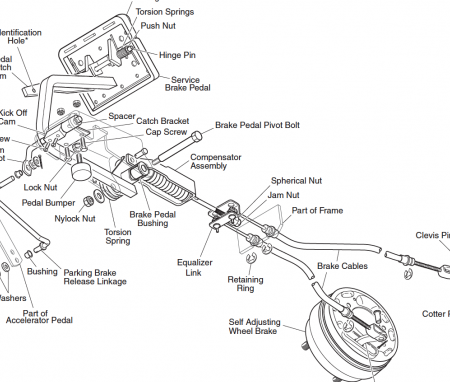
This article provides a comprehensive overview of golf cart brake system evaluation to ensure safety and optimal performance. Readers will discover essential steps for conducting a thorough golf cart braking system assessment, including key components to check, maintenance tips, and common issues to watch for. By following these guidelines, you can enhance your understanding of the importance of regular golf cart brake system checks for a safer riding experience.
- Importance of Regular Golf Cart Brake System Inspections
- Common Signs Indicating a Need for Brake System Inspection
- Step-by-Step Guide to Performing a Golf Cart Brake System Inspection
- Tools and Equipment Needed for Brake System Inspection
- Professional vs. DIY Golf Cart Brake System Inspection: Which is Right for You?
Importance of Regular Golf Cart Brake System Inspections
Regular inspections of your golf cart's brake system are crucial for ensuring both safety and optimal performance on the course. Maintaining the brake system not only enhances your driving experience but also extends the life of your golf cart.
Enhancing Safety on the Course
Golf carts are often used in various environments, from well-maintained golf courses to rugged terrains. Frequent brake inspections help identify potential issues such as worn brake pads, fluid leaks, or faulty components. These checks are essential to prevent accidents caused by brake failure, ensuring a safer ride for both the driver and passengers.
Key Safety Benefits
- Prevents Accidents: Regular inspections can catch issues before they lead to brake failure.
- Increases Control: Well-functioning brakes improve maneuverability and handling.
- Boosts Confidence: Knowing your brakes are in good condition allows for a more relaxed driving experience.
Improving Performance and Longevity
A well-maintained brake system contributes significantly to the overall performance of your golf cart. By conducting routine checks, you can ensure that your brakes respond effectively, enhancing your driving experience.
Performance Benefits
- Consistent Stopping Power: Regular inspections ensure that your brakes provide reliable stopping ability.
- Fuel Efficiency: A properly functioning brake system can lead to better energy efficiency in electric models.
- Extended Component Life: Addressing minor issues during inspections can prevent costly repairs down the line.
Cost-Effectiveness of Regular Inspections
Investing time and resources in regular brake inspections can save you money in the long run. Early detection of brake issues often leads to simpler and less expensive repairs, reducing the likelihood of more significant problems that could arise from neglect.
Financial Advantages
- Lower Repair Costs: Fixing minor issues early prevents the need for major overhauls.
- Increased Resale Value: A well-maintained golf cart retains its value better than one with a neglected brake system.
- Insurance Benefits: Some insurance companies offer discounts for vehicles that are regularly maintained.
Incorporating regular brake system inspections into your golf cart maintenance routine is essential for enhancing safety, performance, and cost-effectiveness. These inspections are a vital part of ensuring that your golf cart remains a reliable companion on the course.
Common Signs Indicating a Need for Brake System Inspection
Recognizing when your golf cart's brake system requires inspection is crucial for both safety and performance. Here are some key indicators that suggest it’s time to have your brake system checked:
1. Unusual Noises
If you hear squeaking,
2. Reduced Braking Efficiency
Experiencing longer stopping distances or a noticeable delay when you apply the brakes is a serious concern. This could stem from issues such as air in the brake lines or a failing master cylinder, both of which require immediate attention.
3. Vibrations During Braking
If your golf cart shakes or vibrates when you engage the brakes, this could indicate warped brake rotors or misaligned components. Such problems can compromise your braking ability and should be assessed by a professional.
4. Brake Warning Light
Most modern golf carts come equipped with a dashboard warning light for the brake system. If this light illuminates, it signifies a potential issue that needs urgent inspection. Ignoring this warning could lead to more significant safety risks.
5. Fluid Leaks
Any signs of brake fluid leaks under your golf cart are a red flag. Brake fluid is essential for the hydraulic system to function correctly, and low fluid levels can severely impair your ability to stop. Look for puddles or damp spots around the wheels or under the cart.
6. Brake Pedal Feel
Pay attention to how the brake pedal feels when pressed. A pedal that feels too soft or spongy may indicate air in the brake lines or low brake fluid. Conversely, a pedal that feels excessively stiff may suggest a blockage or malfunction in the brake system.
7. Pulling to One Side
If your golf cart pulls to one side when braking, it could be a sign of uneven brake wear or an issue with the brake calipers. This not only affects your control but can also lead to further damage if left unchecked.
8. Increased Brake Dust
Noticing a significant amount of brake dust accumulating on your wheels can indicate that the brake pads are wearing out faster than normal. This could lead to reduced braking efficiency and should prompt an inspection.
By being aware of these common signs indicating a need for brake system inspection, you can ensure the safety and performance of your golf cart. Regular maintenance and prompt attention to these issues can prevent costly repairs and keep your rides smooth and secure.
Step-by-Step Guide to Performing a Golf Cart Brake System Inspection
Performing a thorough inspection of your golf cart's brake system is crucial for maintaining safety and ensuring optimal performance. This step-by-step guide will walk you through the essential procedures for a comprehensive golf cart brake system inspection.
1. Gather Necessary Tools and Materials
Before you begin the inspection, ensure you have the following tools on hand:
- Wrench set - for loosening and tightening bolts
- Jack and jack stands - to lift the golf cart safely
- Tire pressure gauge - to check tire pressure
- Brake cleaner - for cleaning brake components
- Safety glasses - to protect your eyes during the inspection
2. Elevate the Golf Cart
To access the brake system easily, follow these steps:
- Park the golf cart on a flat, stable surface.
- Engage the parking brake.
- Use the jack to lift the cart and place jack stands for added safety.
3. Inspect the Brake Components
Examine the following parts of the brake system:
a. Brake Pads and Shoes
Check for wear and tear. Look for any signs of uneven wear or cracking. If the pads are worn down to less than 1/4 inch, they should be replaced.
b. Brake Lines
Inspect the brake lines for any leaks, cracks, or bulges. Ensure that all connections are secure and free from corrosion.
c. Brake Drums and Rotors
Examine the brake drums and rotors for scoring or warping. A smooth surface is essential for effective braking. If you notice significant damage, replacement may be necessary.
4. Test the Brake System
After inspection, it’s important to test the brakes:
- Reattach the wheels and lower the golf cart.
- Perform a brake test by driving the cart slowly and applying the brakes.
- Listen for any unusual sounds, such as squeaking or grinding, which may indicate further issues.
5. Regular Maintenance Recommendations
To prolong the life of your brake system and enhance safety, consider these maintenance tips:
- Regularly check brake fluid levels and replace fluid as necessary.
- Inspect and clean brake components at least once a season.
- Keep tires properly inflated to ensure optimal braking performance.
Following this detailed guide to inspecting your golf cart brake system will help you maintain safety and performance, ensuring a smooth ride on the course. Regular inspections are key to preventing more significant issues and enhancing your overall golfing experience.
Tools and Equipment Needed for Brake System Inspection
When performing a thorough inspection of your golf cart's brake system, having the right tools and equipment is essential for ensuring safety and performance. Below is a list of key items that can help you conduct an effective brake system evaluation.
Basic Tools
- Socket Set: A comprehensive socket set will allow you to remove and install various nuts and bolts in the brake assembly. Look for a set that includes both metric and standard sizes.
- Wrenches: A good assortment of wrenches, particularly combination wrenches, will be necessary for tightening and loosening brake components.
- Screwdrivers: Both flathead and Phillips screwdrivers are crucial for accessing and adjusting smaller parts within the brake system.
Diagnostic Equipment
- Brake Fluid Tester: This tool helps determine the moisture content in brake fluid, which can significantly affect braking performance. A good tester typically costs around $20 to $50.
- Multimeter: Useful for checking the electrical components of the brake system, such as sensors and wiring connections. Prices range from $15 to $100 based on features.
Safety Gear
- Safety Glasses: Protect your eyes from debris while inspecting the brake system.
- Gloves: Using gloves can prevent skin contact with potentially harmful brake fluid and grease.
Specialized Brake Tools
- Brake Pad Gauge: This tool measures the thickness of brake pads to determine if they need replacement. A quality gauge is available for around $10 to $30.
- Brake Bleeder Kit: Essential for removing air from the brake lines, ensuring optimal brake function. Kits can be found in the $15 to $50 range.
Inspection Accessories
- Work Light: Adequate lighting is critical for inspecting hard-to-see areas of the brake system. LED work lights are bright and energy-efficient, with prices typically between $20 and $100.
- Brake Cleaner: A specialized cleaner helps remove dirt, grease, and old brake fluid from components during inspection, costing around $5 to $15.
Equipping yourself with these tools and equipment will enable you to carry out a thorough and effective brake system inspection, contributing to the overall safety and performance of your golf cart.
Professional vs. DIY Golf Cart Brake System Inspection: Which is Right for You?
When it comes to maintaining your golf cart, ensuring the brake system is functioning correctly is crucial for both safety and performance. Deciding between a professional inspection and a DIY approach can depend on various factors including your expertise, budget, and the complexity of the brake system.
Understanding Your Expertise Level
Before deciding on the inspection method, assess your own skills and comfort level with mechanical tasks.
- Beginner: If you have limited experience with vehicle maintenance, a professional inspection is advisable. Professionals have the training to identify issues that may not be obvious.
- Intermediate: If you have some mechanical knowledge, you might feel comfortable conducting a basic inspection. This includes checking brake pads and fluid levels.
- Advanced: For those well-versed in mechanical repairs, a DIY inspection can be a rewarding challenge, allowing you to dive deeper into brake system components.
Cost Considerations
Budget plays a significant role in your decision-making process.
- Professional Inspection: Typically ranges from $100 to $200, depending on the service provider and the thoroughness of the inspection. This option provides peace of mind and guarantees a comprehensive check.
- DIY Inspection: Minimal costs can be incurred if you already own the necessary tools. Basic tools like a jack, wrench set, and brake fluid tester can range from $50 to $150.
Complexity of the Brake System
Consider the specific brake system in your golf cart.
- Simple Systems: Some golf carts come with straightforward braking systems that can be inspected and repaired easily. If your cart has a simple hydraulic or mechanical brake system, a DIY approach might be suitable.
- Advanced Systems: If your golf cart features advanced braking technology, such as regenerative braking, professional assistance is recommended. These systems often require specialized knowledge and tools for accurate diagnostics.
Time Commitment
Evaluate how much time you can dedicate to the inspection.
- Professional Services: Generally, a professional inspection can be completed in a few hours, saving you time and ensuring that the job is done correctly.
- DIY Inspection: This can take longer, especially if you encounter unexpected issues or if it’s your first time inspecting a brake system. Be prepared to spend several hours on this task.

Safety and Performance Assurance
Ultimately, the goal of any brake system inspection is to ensure safety and performance.
- Professional Advantage: Experts can provide insights into the overall condition of your brake system and recommend any necessary repairs or upgrades.
- DIY Satisfaction: Completing your own inspection can enhance your understanding of your golf cart's mechanics, which can be beneficial for future maintenance.
Assessing your skills, budget, and the complexity of your golf cart's brake system can guide you in making the right choice between a professional inspection and a DIY approach. Each method has its benefits, and understanding these can help you ensure the safety and optimal performance of your golf cart.
We genuinely value your thoughts and insights! If you have any questions or opinions about Golf Cart Brake System Inspection, we encourage you to share them in the comments below. Your perspective not only enriches our discussion but also helps others who may be navigating similar concerns. Let’s engage and learn from one another!
Leave a Reply