
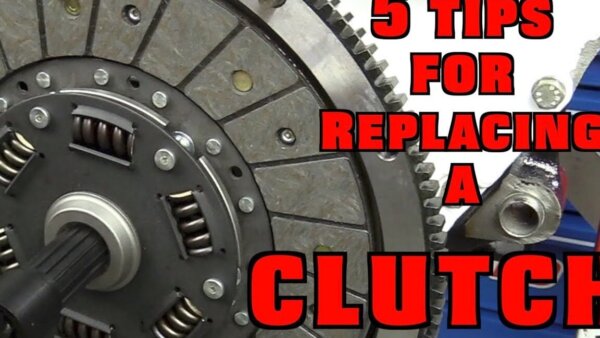
This article provides a comprehensive overview of golf cart clutch plate replacement, detailing essential steps for both DIY enthusiasts and those considering professional services. Readers will discover the tools needed, common challenges faced during the golf cart clutch disc replacement, and tips for ensuring optimal performance. Whether you're looking to tackle the project yourself or hire an expert, this guide covers everything you need to know about maintaining your golf cart's efficiency through effective golf vehicle clutch plate renewal.
- Understanding the Importance of Golf Cart Clutch Plate Replacement
- Signs That Indicate You Need a Golf Cart Clutch Plate Replacement
- Step-by-Step Guide to Golf Cart Clutch Plate Replacement
- Common Mistakes to Avoid During Golf Cart Clutch Plate Replacement
- Choosing the Right Parts for Your Golf Cart Clutch Plate Replacement
Understanding the Importance of Golf Cart Clutch Plate Replacement
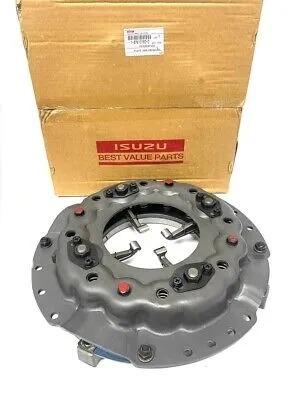
Replacing the clutch plate in your golf cart is essential for maintaining optimal performance and ensuring a smooth driving experience. The clutch plate is a critical component that engages and disengages the engine from the drivetrain, allowing for efficient power transfer. Over time, wear and tear can lead to reduced functionality, affecting not just speed but also the overall safety of your golf cart.
Signs That Indicate Clutch Plate Replacement is Necessary
Recognizing when to replace the clutch plate is crucial. Here are some common indicators:
- Slipping Gears: If your golf cart struggles to maintain speed or you notice the engine revving without a corresponding increase in speed, it may be time for a replacement.
- Unusual Noises: Grinding or whining sounds during operation can signal that the clutch plate is worn and needs attention.
- Difficulty Shifting: If you experience resistance when shifting gears, this could indicate a failing clutch plate.
- Burning Smell: A burnt odor while operating your golf cart is a strong indicator that the clutch plate is overheating and requires replacement.
Benefits of Timely Clutch Plate Replacement
Replacing the clutch plate in a timely manner provides several advantages:
- Enhanced Performance: A new clutch plate ensures smooth engagement and disengagement, leading to improved acceleration and overall driving experience.
- Increased Safety: By addressing clutch issues promptly, you minimize the risk of unexpected failures, which can pose safety hazards while driving.
- Cost-Effectiveness: Proactive maintenance can prevent more significant issues down the road, saving you money on extensive repairs or replacements.
- Improved Longevity: Regular replacement of the clutch plate can extend the life of your golf cart, ensuring it remains a reliable mode of transportation for years to come.
Choosing Between DIY and Professional Services
When it comes to replacing the clutch plate, you have two main options: do it yourself or hire a professional.
DIY Replacement
If you have mechanical skills, replacing the clutch plate yourself can be rewarding. You will need the right tools and a replacement clutch plate, which typically costs between $100 and $300, depending on the make and model of your golf cart. Ensure you follow a reliable guide or video tutorial to avoid mistakes.
Professional Services
For those less inclined to tackle this task independently, hiring a professional mechanic is a wise choice. Professional services may range from $150 to $500, depending on labor rates and parts. A certified technician can ensure that the replacement is done correctly, providing peace of mind and often a warranty on the work performed.
Understanding the importance of golf cart clutch plate replacement helps you maintain your vehicle’s performance and longevity. Whether you choose to do it yourself or enlist professional help, staying proactive about this essential maintenance task will keep your golf cart running smoothly.
Signs That Indicate You Need a Golf Cart Clutch Plate Replacement
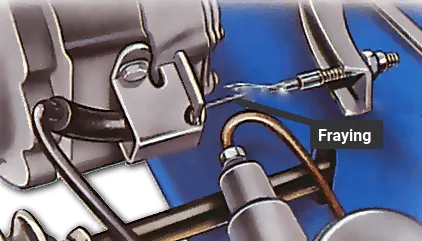
Recognizing the need for a golf cart clutch plate replacement is crucial for maintaining optimal performance and safety. Here are specific signs to watch for:
1. Slipping or Hesitation During Acceleration
If your golf cart struggles to accelerate or exhibits a noticeable delay when you press the gas pedal, this could indicate a worn clutch plate. A malfunctioning clutch plate fails to engage properly, leading to power loss.
2. Unusual Noises
Listen for any strange sounds when operating your golf cart. A grinding or squeaking noise when accelerating may point to a problem with the clutch plate. These sounds often signal wear or misalignment, which necessitates immediate attention.
3. Difficulty Shifting Gears
If you notice that shifting between forward and reverse gears becomes challenging, it may be time for a clutch plate replacement. A faulty clutch plate can hinder smooth transitions, making it hard to operate the cart effectively.
4. Increased Fuel Consumption
An unexpected rise in fuel consumption could indicate that the clutch plate is not engaging correctly. If you find yourself refueling more often than usual, the inefficiency may stem from a failing clutch mechanism.
5. Visual Wear and Tear
Inspect the clutch plate visually if possible. Signs of burning, discoloration, or physical damage can be indicators that replacement is necessary. Regular inspections can help catch these issues early.
6. Inconsistent Speed Control
If your golf cart struggles to maintain a consistent speed or feels jerky during operation, the clutch plate may be failing. This inconsistency can affect the overall driving experience and safety.
When to Seek Professional Help
If you identify any of these signs, it’s advisable to consult a professional for a thorough inspection. While some DIY enthusiasts may attempt to replace the clutch plate, ensuring the job is done correctly can prevent further issues down the line.
Typical Replacement Costs
The cost for a golf cart clutch plate replacement can vary, typically ranging from $100 to $300, depending on the make and model of your cart and whether you opt for DIY or professional services. Investing in quality replacement parts is essential for longevity and performance.
Monitoring these signs closely can help ensure that your golf cart remains in excellent working condition, providing you with a safe and enjoyable ride.
Step-by-Step Guide to Golf Cart Clutch Plate Replacement
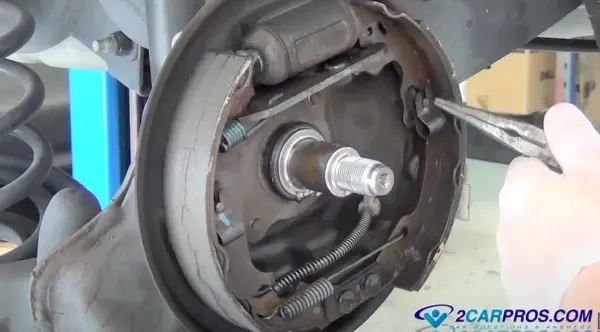
Replacing the clutch plate in your golf cart is essential for maintaining optimal performance and ensuring a smooth ride. This guide will walk you through the process, highlighting each step to ensure a successful replacement.
Tools and Materials Needed
Before starting, gather the following tools and materials:
- Socket wrench set
- Torque wrench
- Screwdriver set
- Replacement clutch plate (specific to your golf cart model)
- Grease (for lubrication)
- Safety goggles
- Gloves
Step 1: Safety First
Before beginning any work on your golf cart, ensure you take safety precautions. Wear gloves and safety goggles to protect yourself from debris and sharp edges.
Step 2: Access the Clutch Assembly
1. Remove the seat: Most golf carts have a seat that can be lifted or removed to access the engine compartment.
2. Disconnect the battery: For safety, disconnect the negative terminal of the battery to prevent any electrical issues.
3. Locate the clutch assembly: Identify the clutch assembly, which is usually near the engine.
Step 3: Remove the Old Clutch Plate
1. Unscrew the clutch cover: Use your socket wrench to remove the screws holding the clutch cover in place.
2. Take out the old clutch plate: Carefully detach the old clutch plate from the assembly. Note how it is positioned for proper installation of the new one.
Step 4: Install the New Clutch Plate
1. Position the new plate: Place the new clutch plate in the same orientation as the old one. Ensure it fits snugly into the assembly.
2. Secure the clutch cover: Reattach the clutch cover and tighten the screws with a torque wrench to the manufacturer’s specifications.
Step 5: Reconnect and Test
1. Reconnect the battery: Attach the negative terminal back to the battery.
2. Test the golf cart: Start the golf cart and take it for a short drive to ensure that the clutch is functioning correctly. Listen for any unusual noises and check for smooth acceleration.
Maintenance Tips
To prolong the life of your new clutch plate, consider the following maintenance practices:
- Regular inspections: Check the clutch plate periodically for wear and tear.
- Lubrication: Apply grease to the moving parts of the clutch assembly during routine maintenance.
- Drive gently: Avoid sudden accelerations and heavy loads to reduce strain on the clutch system.
By following this step-by-step guide to golf cart clutch plate replacement, you can ensure your golf cart remains in excellent working condition, providing a reliable and enjoyable ride for years to come.
Common Mistakes to Avoid During Golf Cart Clutch Plate Replacement
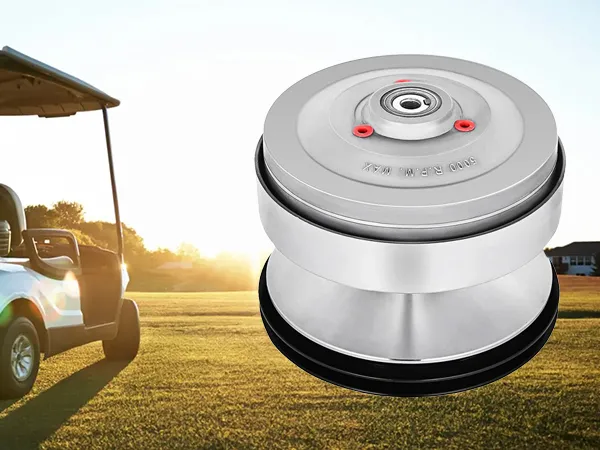
Replacing the clutch plate in your golf cart can enhance performance and extend the life of your vehicle. However, several common pitfalls can undermine this process. Being aware of these mistakes can help ensure a successful replacement.
Neglecting to Gather Necessary Tools
Before beginning the clutch plate replacement, it’s essential to have all the necessary tools at hand. Commonly required tools include:
- Socket set (including metric and standard sizes)
- Torque wrench for precise tightening
- Flathead and Phillips screwdrivers for removing covers
- Replacement clutch plate compatible with your golf cart model
Starting the process without these tools can lead to frustration and delays.
Ignoring Manufacturer Specifications
Each golf cart model has specific requirements for clutch plate replacement. Failing to consult the owner’s manual can result in:
- Using incorrect parts
- Improper torque settings
- Inadequate installation techniques
Always refer to the manufacturer's guidelines to ensure that you are following the correct procedures and specifications.
Overlooking the Importance of Cleaning
A clean workspace and components are crucial for a smooth installation. Dust and debris can interfere with the clutch plate's function. Be sure to:
- Clean the area where the clutch plate will be installed
- Remove old grease and dirt from the clutch assembly
- Inspect and clean surrounding components
Neglecting this step can lead to premature wear and malfunction of the new clutch plate.
Failing to Test the Clutch After Installation
After installing the new clutch plate, it’s important to conduct a thorough test before returning the golf cart to regular use. This should include:
- Checking for unusual noises during operation
- Observing the engagement and disengagement of the clutch
- Testing the golf cart under different speeds and conditions
Skipping this step can leave you unaware of potential issues that could affect performance.
Not Seeking Professional Help When Needed
If you encounter unexpected challenges or feel uncertain during the replacement process, don’t hesitate to seek professional assistance. Some signs that you may need expert help include:
- Difficulty removing the old clutch plate
- Unfamiliarity with the tools required
- Uncertainty about the installation process
Recognizing when to call in a professional can save you time and money in the long run.
By avoiding these common mistakes during your golf cart clutch plate replacement, you can ensure a more efficient and effective process, leading to enhanced performance and longevity for your vehicle.
Choosing the Right Parts for Your Golf Cart Clutch Plate Replacement

When it comes to golf cart clutch plate replacement, selecting the right components is crucial for ensuring optimal performance and longevity. Here are some essential factors to consider when making your choice.
Understand Your Golf Cart Model
Different golf cart models require specific parts. Before purchasing, identify your cart's make and model. Popular brands include:
- Club Car - Models like the Precedent and DS
- E-Z-GO - Series such as TXT and RXV
- Yamaha - Including the Drive and G-Series
Using the correct parts tailored to your model ensures compatibility and performance.
Material Quality
The material of the clutch plate significantly affects its durability and performance. Look for parts made from high-quality materials such as:
- Steel - Known for strength and durability
- Aluminum - Lightweight and resistant to corrosion
- Composite Materials - Often provide a good balance between weight and strength
Choosing high-quality materials can enhance your golf cart's efficiency and reduce wear over time.
OEM vs. Aftermarket Parts
Deciding between Original Equipment Manufacturer (OEM) parts and aftermarket options is vital. Here are some pros and cons:
OEM Parts
- Guaranteed compatibility with your golf cart
- Often come with a warranty
- May be more expensive
Aftermarket Parts
- Generally more affordable
- Variety of options available
- Quality can vary, so research is essential
Assess your budget and the importance of reliability when making this decision.
Check Reviews and Ratings
Before finalizing your purchase, take the time to read customer reviews and ratings for the specific parts you are considering. Reliable sources include:
- Manufacturer websites
- Online marketplaces
- Specialized golf cart forums
Positive feedback from other users can help ensure you are selecting a part that will meet your needs.

Cost Considerations
Pricing for clutch plate replacements can vary widely. On average, OEM parts may range from $50 to $150, while aftermarket options might be priced between $30 and $100. Always compare prices from multiple suppliers to find the best deal without compromising quality.
By carefully considering these factors, you can confidently choose the right parts for your golf cart clutch plate replacement, ensuring a smooth and efficient ride on the greens.
We’d love to hear your thoughts or questions about Golf Cart Clutch Plate Replacement! Your insights and inquiries not only enrich our community but also help fellow enthusiasts navigate this important aspect of golf cart maintenance. Whether you have personal experiences to share or need clarification on a specific point, please feel free to drop a comment below. Your voice matters, and together, we can enhance our understanding and enjoyment of golf cart care!
Leave a Reply