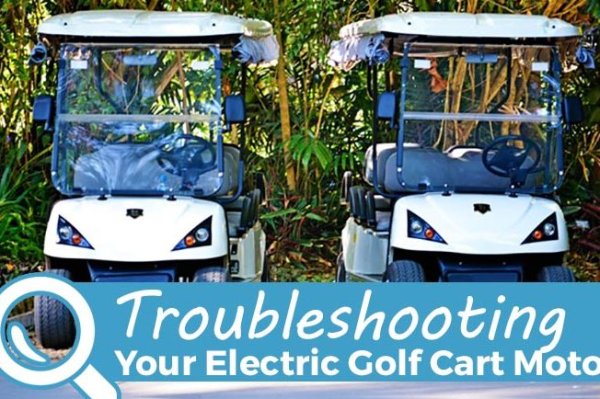
In this article, readers will discover a detailed golf cart engine diagnostic manual designed to assist with effective repairs. It covers common issues, step-by-step troubleshooting techniques, and practical solutions to ensure optimal performance. Whether you're a novice or experienced mechanic, this comprehensive golf cart motor repair guide will provide valuable insights for maintaining your vehicle's functionality.
Common Symptoms of Golf Cart Motor Issues
When your golf cart experiences motor problems, recognizing the symptoms early can save you time and money on repairs. Understanding these signs can also guide you through a Comprehensive Golf Cart Motor Troubleshooting Guide for Effective Repairs. Below are some of the most prevalent symptoms that indicate potential motor issues in your golf cart.
1. Reduced Speed and Power
One of the first signs of motor trouble is a noticeable decrease in speed. If your golf cart struggles to reach its usual top speed or feels sluggish during acceleration, this could indicate a failing motor.
2. Unusual Noises
Pay attention to any strange sounds coming from the motor. These might include:
- Grinding: This could signal worn bearings or internal components.
- Clicking: Often indicative of electrical issues or a faulty solenoid.
- Humming: This may suggest that the motor is working harder than it should, possibly due to obstructions or mechanical failures.
3. Intermittent Operation
If your golf cart’s motor cuts in and out during operation, it may be experiencing electrical problems. This symptom could stem from a faulty controller or loose wiring connections, both of which require immediate attention.
4. Overheating
Excessive heat can be a clear sign of motor distress. If the motor becomes hot to the touch during operation, it could be due to:
- Inadequate lubrication
- Overloading
- Faulty electrical components
Regular checks on your motor’s temperature can help prevent more severe damage.
5. Burning Smell
A burning odor can indicate overheating or electrical shorts within the motor. This is a serious issue that needs immediate inspection, as it can lead to further complications or even fire hazards.
6. Difficulty Starting
If your golf cart struggles to start or requires multiple attempts, it may suggest a problem with the motor or the electrical system. This symptom often correlates with battery issues, but persistent starting troubles could indicate deeper motor complications.
Recognizing these common symptoms of golf cart motor issues is essential for maintaining your vehicle’s performance. Addressing these signs promptly can help you effectively utilize the Comprehensive Golf Cart Motor Troubleshooting Guide for Effective Repairs, ensuring your golf cart remains in top condition for your next round on the course.
Step-by-Step Troubleshooting Techniques for Golf Cart Motors
When your golf cart motor encounters issues, effective troubleshooting is essential to restore functionality. Here’s a detailed approach to diagnosing and fixing common motor problems.
1. Initial Inspection
Start with a thorough visual inspection of the golf cart motor and its components. Look for the following:
- Loose Connections: Check all wiring and connectors for signs of looseness or corrosion.
- Physical Damage: Inspect the motor housing for cracks or signs of wear.
- Fluid Leaks: Look for any fluid leaks around the motor, which could indicate internal issues.
2. Battery Check
A well-functioning battery is crucial for motor operation. Follow these steps:
- Voltage Test: Use a multimeter to check the battery voltage. A healthy battery should read between 12.4V and 12.7V when fully charged.
- Inspect Battery Terminals: Ensure terminals are clean and securely fastened. Corrosion can impede electrical flow.
- Load Test: Perform a load test to confirm the battery can sustain power under operational conditions.
3. Motor Functionality Assessment
After ensuring the battery is in good condition, assess the motor's functionality:
- Run the Cart: If the cart doesn’t start, listen for any sounds from the motor. A clicking noise could indicate a faulty solenoid.
- Check the Throttle: Ensure the throttle is functioning correctly. If it’s unresponsive, inspect the throttle sensor and wiring.
- Motor Temperature: After a short run, check if the motor is excessively hot. Overheating can signify internal damage or electrical issues.
4. Controller Examination
The controller is integral to the motor’s operation. Follow these steps:
- Visual Inspection: Look for any burnt components or signs of damage on the controller.
- Wiring Check: Ensure all connections to the controller are secure and free from corrosion.
- Controller Testing: If possible, test the controller with a diagnostic tool to verify its functionality.
5. Advanced Diagnostics
If the issue persists, consider advanced diagnostics:
- Use a Diagnostic Tool: Tools like the Curtis 1313 can help identify error codes specific to your golf cart model.
- Check for Error Codes: Refer to your golf cart’s manual for a list of error codes and their meanings.
- Seek Professional Help: If you’re unable to resolve the issue, consult a professional technician with experience in golf cart motors.
By following these step-by-step troubleshooting techniques, you can effectively diagnose and address issues with your golf cart motor. This systematic approach not only saves time but also ensures that repairs are conducted efficiently, keeping your golf cart in optimal condition for your next outing.
Essential Tools for Effective Golf Cart Motor Repairs
When it comes to maintaining and repairing golf cart motors, having the right tools at your disposal can make all the difference. Here’s a breakdown of the essential tools you need for effective golf cart motor repairs, ensuring you can tackle any issue with confidence.
Basic Hand Tools
A set of basic hand tools is fundamental for any golf cart repair. These tools not only help you perform routine maintenance but also allow for more complex repairs. Key items include:
- Socket Wrench Set: A comprehensive set ranging from 1/4" to 3/4" will allow you to access various bolt sizes.
- Screwdrivers: Both flathead and Phillips screwdrivers in various sizes are essential for removing panels and securing components.
- Adjustable Wrench: Ideal for gripping and turning nuts and bolts that don’t have a standard size.
Electrical Diagnostic Tools
Understanding the electrical system of your golf cart is crucial for effective repairs. Here are some tools that can aid in diagnosing electrical issues:
- Multimeter: This device is essential for measuring voltage, current, and resistance, helping you troubleshoot electrical problems.
- Wire Strippers: Useful for repairing or replacing damaged wiring, ensuring clean cuts and proper connections.
- Battery Tester: A must-have for checking the health of your golf cart batteries, which is often a source of performance issues.
Specialized Repair Tools
For more advanced repairs, certain specialized tools can enhance your effectiveness:
- Torque Wrench: Ensures that bolts are tightened to the manufacturer’s specifications, preventing damage to components.
- Gear Puller: Necessary for removing gears and pulleys without damaging the motor or its housing.
- Compression Tester: Helps assess the health of the engine by measuring cylinder pressure, which is critical for diagnosing performance issues.
Safety Gear
Safety should always be a priority during repairs. Equip yourself with the following:
- Safety Glasses: Protect your eyes from debris and chemical splashes.
- Gloves: Wear durable gloves to protect your hands from sharp edges and hazardous materials.
- Face Mask: Useful when working with chemicals or dust, ensuring your respiratory safety.
Equipping yourself with these essential tools not only facilitates effective golf cart motor repairs but also enhances your overall experience. Proper tools lead to efficient troubleshooting and effective repairs, ensuring your golf cart runs smoothly and reliably. Whether you’re a DIY enthusiast or a seasoned mechanic, having the right tools on hand is crucial for successful maintenance.
Preventative Maintenance Tips to Avoid Golf Cart Motor Problems
Ensuring the longevity and optimal performance of your golf cart's motor is essential for a seamless golfing experience. By implementing a few key preventative maintenance practices, you can significantly reduce the risk of motor issues. Here are some effective tips to keep your golf cart running smoothly:
Regular Battery Maintenance
Maintaining the battery is crucial as it directly affects the performance of your golf cart motor. Here are some steps to follow:
- Check Water Levels: Regularly inspect the water levels in the battery cells and top them off with distilled water as needed.
- Clean Terminals: Ensure that battery terminals are clean and free of corrosion. Use a mixture of baking soda and water to clean any buildup.
- Secure Connections: Tighten all battery connections to prevent power loss and ensure efficient operation.
Regular Inspection of Electrical Components
Electrical components are vital for the proper functioning of the motor. Regular inspections can help identify potential issues before they escalate:
- Inspect Wiring: Look for frayed or damaged wires and replace them immediately to avoid shorts or power interruptions.
- Test Fuses: Periodically check the fuses in your golf cart to ensure they are functioning correctly. Replace any blown fuses with the appropriate amperage.
- Monitor Switches: Check the operation of the accelerator and brake switches, ensuring they are responsive and free from debris.
Routine Cleaning and Lubrication
Keeping your golf cart clean and well-lubricated can prevent many mechanical issues:
- Clean the Motor: Periodically clean the motor housing to prevent dirt and debris buildup, which can lead to overheating.
- Lubricate Moving Parts: Use appropriate lubricants on moving parts such as bearings and axles to reduce friction and wear.
- Inspect the Cooling System: Ensure that the motor’s cooling system is functioning properly. Clear any obstructions that may hinder airflow.
Regular Usage and Proper Storage
How you use and store your golf cart can impact its motor health:
- Avoid Overloading: Adhere to the manufacturer's weight limits to prevent undue strain on the motor.
- Store Properly: When not in use, store your golf cart in a dry, sheltered location to protect it from the elements.
- Run Regularly: Regular usage helps keep the motor and battery in good condition. If you don’t use your cart often, consider running it for a short period at least once a month.
By following these preventative maintenance tips, you can enhance the performance and reliability of your golf cart motor. Remember that consistent care and attention to detail can prevent many common issues, making your golfing experience more enjoyable and hassle-free. For more in-depth strategies, consider exploring a Comprehensive Golf Cart Motor Troubleshooting Guide for Effective Repairs to tackle any unforeseen problems efficiently.
When to Seek Professional Help for Golf Cart Motor Troubles
Recognizing when to enlist the expertise of a professional for golf cart motor issues can save time, money, and frustration. Here are key indicators that it’s time to seek professional assistance:
Signs of Advanced Issues
If you notice any of the following symptoms, it may indicate a more serious problem that requires expert evaluation:
- Unusual Noises: Grinding, clicking, or whirring sounds that persist beyond initial start-up.
- Loss of Power: A significant decrease in speed or difficulty maintaining speed on flat terrain.
- Overheating: The motor becomes excessively hot to the touch during or after use.
- Electrical Problems: Flickering lights, failure to start, or malfunctioning gauges.
Frequent Breakdown
If your golf cart requires repairs frequently, it may be a sign of a deeper issue with the motor. Continuous troubleshooting can be inefficient and costly. Professional mechanics can provide a Comprehensive Golf Cart Motor Troubleshooting Guide for Effective Repairs tailored to your specific model and needs.
DIY Repairs Are Ineffective
After attempting basic repairs, if problems persist, it’s time to consult a professional. Some issues, such as motor rewinding or controller replacements, require specialized knowledge and tools.
Complex Electrical Issues
If your golf cart’s electrical system is malfunctioning, diagnosing the problem can be intricate. Professionals have the experience to handle complex wiring and circuitry, ensuring safe and effective repairs.

Warranty Considerations
If your golf cart is still under warranty, seeking professional help can prevent voiding it. Always check warranty terms before making any repairs yourself.
In these situations, reaching out to a qualified golf cart technician can provide peace of mind and ensure your vehicle operates smoothly. Regular maintenance and timely professional intervention can significantly extend the lifespan of your golf cart’s motor.
We truly value your insights and experiences, and we believe that your thoughts can enrich our community. If you have any opinions, questions, or personal anecdotes related to the Golf Cart Motor Troubleshooting Guide, we warmly invite you to share them in the comments below. Your contributions not only foster a supportive environment but also help others who may be facing similar challenges. Let’s work together to enhance our understanding and enjoyment of golf cart maintenance!
Leave a Reply