
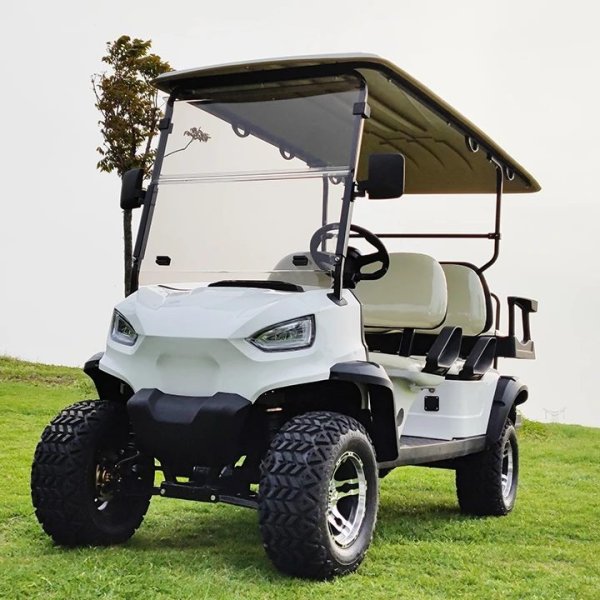
In this article, readers will discover essential tips for enhancing stability and performance through effective golf cart sway bar modification. By understanding the nuances of golf cart sway bar tuning, you'll learn how to make precise adjustments that can significantly improve your ride quality and handling. Whether you're a seasoned golfer or a casual user, these insights will help you optimize your golf cart stabilizer settings for a smoother experience on the course.
Understanding the Importance of Golf Cart Sway Bar Adjustment
Proper adjustment of your golf cart's sway bar is essential for achieving optimal stability and performance on the course. The sway bar, also known as an anti-roll bar, plays a crucial role in reducing body roll during turns, which enhances the overall driving experience. This section will delve into why maintaining the right sway bar adjustment is vital for safety and functionality.
The Role of the Sway Bar in Golf Cart Handling
A well-adjusted sway bar ensures that weight is distributed evenly across all four wheels, allowing for better traction and control. Here are some key benefits of proper sway bar adjustment:
- Improved Stability: A correctly set sway bar minimizes excessive lean, especially during sharp turns.
- Enhanced Comfort: It contributes to a smoother ride by absorbing shocks from uneven terrain.
- Increased Safety: A balanced golf cart is less likely to tip over, providing a safer experience for passengers.
Signs Your Golf Cart Needs Sway Bar Adjustment
Recognizing the signs that your golf cart requires a sway bar adjustment can save you from potential accidents and enhance performance. Keep an eye out for:
- Unusual body roll when turning.
- Difficulty steering, particularly during sharp turns.
- Uneven tire wear, indicating improper weight distribution.
Factors Affecting Sway Bar Performance
Several factors can influence how well your golf cart's sway bar functions, including:
- Terrain Type: Off-road conditions may require different adjustments compared to flat, smooth surfaces.
- Load Capacity: Carrying extra weight can alter the dynamics, necessitating a re-evaluation of the sway bar settings.
- Suspension Condition: Worn suspension components can affect how the sway bar performs, leading to a need for adjustments.
Maintaining the proper adjustment of your golf cart's sway bar is not just a matter of performance; it is essential for safety and comfort. Regular checks and adjustments can significantly enhance your golfing experience, making each ride more enjoyable and secure.
Step-by-Step Guide to Adjusting Your Golf Cart's Sway Bar
Adjusting your golf cart's sway bar is essential for enhancing stability and performance, particularly during sharp turns and uneven terrain. Follow this comprehensive guide to effectively adjust your sway bar and ensure a smoother ride.
Tools Required
Before you begin, gather the following tools:
- Wrench Set: Ensure you have the correct sizes for your sway bar bolts.
- Torque Wrench: For accurate torque settings during reassembly.
- Jack Stands: To safely elevate the golf cart.
- Safety Goggles: Protect your eyes during the adjustment process.
Step 1: Safety First
Ensure the golf cart is parked on a level surface. Engage the parking brake and wear safety goggles to protect your eyes.
Step 2: Lift the Golf Cart
Using a jack, elevate the front of the golf cart. Place jack stands under the frame for added safety, ensuring the cart is stable before proceeding.
Step 3: Locate the Sway Bar
Identify the sway bar, which connects the left and right suspension components. It typically runs parallel to the frame and is secured with bolts.
Step 4: Inspect the Sway Bar
Before making adjustments, inspect the sway bar for any signs of wear or damage. Check for rust, cracks, or loose connections that may affect performance.
Step 5: Loosen the Bolts
Using the appropriate wrench, carefully loosen the bolts securing the sway bar to the frame. Do not remove them completely; just loosen enough to allow for adjustment.
Step 6: Adjust the Sway Bar
Depending on your golf cart's model, you may need to reposition the sway bar or adjust its tension. For a tighter fit, move the sway bar closer to the frame. For more flexibility, move it outward. Ensure that both sides are adjusted evenly.
Step 7: Tighten the Bolts
Once adjustments are made, use a torque wrench to tighten the bolts to the manufacturer’s specifications. This ensures that the sway bar is securely fastened, promoting optimal performance.
Step 8: Lower the Golf Cart
Carefully remove the jack stands and lower the golf cart back to the ground. Ensure that all tools are removed from the area.
Step 9: Test Drive
Take your golf cart for a test drive on a flat surface and then on a course with gentle turns. Pay attention to how the cart handles. If you notice excessive swaying or instability, consider repeating the adjustment process.
Additional Tips
- Regularly check your sway bar for signs of wear to maintain stability.
- Consider upgrading to a high-performance sway bar, such as the Madjax 4” Heavy Duty Sway Bar, which retails around $150 and is designed for enhanced handling.
- Consult your golf cart’s manual for specific adjustment instructions tailored to your model.
Adjusting your golf cart's sway bar can significantly enhance your driving experience, making it safer and more enjoyable on the course. Follow these steps diligently for optimal results.
Common Signs That Your Golf Cart Needs Sway Bar Adjustment
When it comes to maintaining your golf cart's performance and safety, recognizing the signs that indicate a need for sway bar adjustment is crucial. Here are some key indicators that your golf cart may require attention in this area.
1. Increased Body Roll During Turns
If you notice that your golf cart leans excessively during turns, it’s a strong indication that the sway bar is not functioning properly. A well-adjusted sway bar minimizes body roll, enhancing stability and control. Pay attention to how your cart handles sharp turns; if it feels unstable, it’s time for a check-up.
2. Uneven Tire Wear
Inspecting your tires can provide insights into the health of your golf cart’s suspension system. If you observe uneven wear patterns, particularly on the outer edges of the tires, it may suggest that the sway bar is not effectively distributing weight. Regular maintenance can help extend the life of your tires and improve overall performance.
3. Noticeable Steering Response Changes
An alteration in steering response is another telltale sign that your golf cart’s sway bar may need adjustment. If the steering feels loose or unresponsive, it can affect your ability to navigate effectively. Ensure that your cart's handling remains sharp by monitoring these changes closely.
4. Clunking or Noises from the Suspension
Unusual sounds, such as clunking or rattling noises while driving, can indicate that the sway bar links or bushings are worn or loose. These components are essential for maintaining stability, and any noise could signal a need for adjustment or replacement.
5. Difficulty Maintaining a Straight Path
If your golf cart tends to drift or pull to one side, it may be a sign that the sway bar is not properly aligned. This misalignment can lead to steering difficulties and may compromise your safety while driving.
6. Visual Inspection Shows Damage or Wear
Performing a visual inspection of the sway bar and its associated components is a practical approach to identifying potential issues. Look for signs of corrosion, bending, or any physical damage. If you spot any irregularities, it may be time to consider a golf cart sway bar adjustment or replacement.
Incorporating these checks into your regular maintenance routine can help ensure that your golf cart remains stable and performs at its best. By being proactive about sway bar adjustments, you can enhance your driving experience and maintain the longevity of your vehicle.
Tools Required for Effective Golf Cart Sway Bar Adjustment
To achieve optimal performance and stability during your golf cart sway bar adjustment, having the right tools is crucial. Below is a list of essential equipment that will facilitate a smooth and effective adjustment process.
Essential Tools
- Socket Set: A complete socket set, including both metric and standard sizes, is vital for removing and securing bolts on the sway bar.
- Torque Wrench: This tool ensures that all bolts are tightened to the manufacturer’s specifications, which is essential for safety and performance.
- Adjustable Wrench: An adjustable wrench can help with various sizes of nuts and bolts, especially in tight spaces.
- Screwdrivers: Both flathead and Phillips screwdrivers will be necessary for any minor adjustments or component removals.
- Jack and Jack Stands: Lifting the golf cart safely is important for access to the sway bar, making a jack and jack stands indispensable.
Additional Helpful Equipment
- Measuring Tape: Accurate measurements are key for ensuring proper alignment and adjustment of the sway bar.
- Level Tool: A level will help in assessing whether the sway bar is correctly positioned for optimal performance.
- Pliers: Pliers can assist in gripping and manipulating components during the adjustment process.
- Grease Gun: Keeping the sway bar lubricated is essential for longevity and smooth operation; a grease gun is necessary for this task.
Safety Gear
- Safety Glasses: Protect your eyes from debris while working on your golf cart.
- Gloves: Wearing gloves can help improve grip and protect your hands from sharp edges.
Having these tools at your disposal will not only make the golf cart sway bar adjustment process easier but also enhance the overall stability and performance of your vehicle. Being well-prepared ensures a more effective and safe adjustment experience.
How Proper Sway Bar Adjustment Enhances Golf Cart Performance
Properly adjusting the sway bar on your golf cart is a crucial factor in optimizing its overall performance and stability. When executed correctly, this adjustment can significantly enhance your driving experience, especially on uneven terrains commonly found on golf courses.
Understanding the Role of the Sway Bar
The sway bar, or anti-roll bar, plays a vital role in minimizing body roll during turns and providing better control. Here are key benefits of a well-adjusted sway bar:
- Improved Stability: A properly adjusted sway bar helps maintain the cart's balance, particularly when navigating sharp turns or uneven ground.
- Enhanced Handling: Adjustments can fine-tune how your golf cart responds to steering inputs, allowing for a more responsive and enjoyable ride.
- Reduced Wear on Suspension: Correct sway bar settings can alleviate excessive strain on the suspension components, prolonging their lifespan.
Factors Influencing Sway Bar Adjustment
To achieve optimal performance, consider the following factors when adjusting your golf cart's sway bar:
Weight Distribution
Understanding how weight is distributed across your golf cart can influence sway bar settings. Heavier loads may require a stiffer sway bar adjustment to prevent excessive roll.
Terrain Type
The type of terrain you frequently navigate should also guide your adjustments. For example, if you often drive on hilly or bumpy courses, a more rigid setup may be beneficial for enhanced stability.

Signs Your Sway Bar Needs Adjustment
Regularly assessing your golf cart's performance can help identify when sway bar adjustments are necessary. Look for these indicators:
- Excessive Body Roll: If you notice significant leaning during turns, it may be time to adjust the sway bar.
- Difficulty Steering: If your cart feels unresponsive or sluggish, a sway bar adjustment could improve handling.
- Uneven Tire Wear: If tires show uneven wear patterns, this might indicate improper sway bar settings affecting alignment.
Maintaining a proper sway bar adjustment is essential for enhancing the stability and performance of your golf cart. Regular checks and adjustments can ensure a smoother ride and a more enjoyable golfing experience.
We truly value your insights and experiences, and we invite you to share your thoughts or any questions you may have about Golf Cart Sway Bar Adjustment in the comments below. Your perspectives not only enrich our community but also help fellow enthusiasts navigate their own journeys in golf cart maintenance. Whether you're a seasoned expert or just starting out, your input is essential, and we look forward to hearing from you!
Leave a Reply