
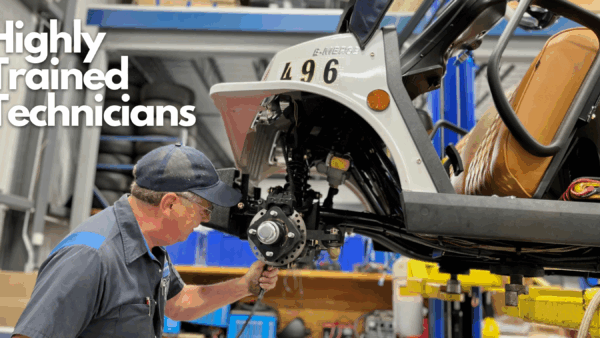
This article explores the essential services available for golf cart gearbox maintenance, highlighting the importance of golf cart transmission system restoration for achieving optimal performance. Readers will discover expert techniques and tips for ensuring their golf cart drive train repairs are handled with precision, ultimately enhancing the longevity and efficiency of their vehicles.
- Common Signs of Golf Cart Transmission Gear Issues
- Step-by-Step Guide to Golf Cart Transmission Gear Repair
- Tools and Parts Needed for Effective Golf Cart Transmission Gear Repair
- Cost Considerations for Golf Cart Transmission Gear Repair Services
- Preventive Maintenance Tips for Golf Cart Transmission Longevity
Common Signs of Golf Cart Transmission Gear Issues
Identifying transmission gear issues in your golf cart early can save you time and money. Here are some common signs that indicate you may need to seek expert golf cart transmission gear repair services for optimal performance.
1. Unusual Noises
If you hear grinding, clunking, or whining sounds while driving, it could indicate that the transmission gears are worn or misaligned. Pay attention to these noises, especially during acceleration or when changing speeds.
2. Slipping Gears
Experiencing a sensation of the cart slipping out of gear while driving is a clear indicator of transmission problems. This may feel like a sudden loss of power or a jolt when the gears fail to engage properly.
3. Delayed Engagement
A noticeable delay when shifting from neutral to drive or reverse can signal transmission issues. If you notice that your golf cart takes longer than usual to respond, it’s time to investigate further.
4. Fluid Leaks
Check for any fluid puddles underneath your golf cart. Transmission fluid leaks can lead to serious issues if not addressed promptly. The fluid should be a bright red color; if it appears brown or has a burnt smell, it may indicate a problem.
5. Warning Lights
Many modern golf carts are equipped with dashboard warning lights. If you see a transmission warning light illuminated, it’s essential to consult with a professional to diagnose the issue.
6. Overheating
If your golf cart frequently overheats, it could be a sign of transmission trouble. High temperatures can cause significant damage, so monitoring the temperature gauge is crucial.
How to Address Transmission Gear Issues
- Regular Maintenance: Schedule routine check-ups to ensure your transmission system is functioning optimally.
- Fluid Checks: Regularly inspect and change the transmission fluid to maintain proper lubrication and prevent overheating.
- Professional Inspection: If you notice any of the signs mentioned above, consult with a professional who specializes in golf cart transmission gear repair.
Addressing these signs promptly can help you maintain your golf cart's performance and longevity. Seek expert golf cart transmission gear repair services for optimal performance to ensure your cart runs smoothly for years to come.
Step-by-Step Guide to Golf Cart Transmission Gear Repair
Repairing the transmission gear of your golf cart is essential for maintaining its performance and longevity. This guide will walk you through the process, ensuring you have the knowledge needed to tackle the repair efficiently.
Tools and Materials Needed
Before starting the repair, gather the following tools and materials:
- Socket wrench set - for removing bolts
- Screwdriver set - for various screws
- Replacement gears - specific to your golf cart model
- Grease - for lubrication
- Cleaning cloth - for cleaning parts
- Safety goggles - for eye protection
Step 1: Safety First
Before beginning any repair work, ensure you are in a safe environment. Turn off the golf cart and disconnect the battery to prevent any electrical issues during the repair process.
Step 2: Remove the Transmission Cover
Using the socket wrench, carefully remove the bolts securing the transmission cover. Place the bolts in a container for safekeeping. Gently lift off the cover to expose the internal components.
Step 3: Inspect the Gears
Examine the transmission gears for signs of wear or damage. Look for:
- Cracks - which indicate the need for replacement
- Excessive wear - leading to inefficient performance
- Missing teeth - which can cause transmission failure
If you notice any of these issues, it’s time to replace the gears.
Step 4: Replace the Gears
To replace the damaged gears, carefully remove them from the transmission assembly. Install the new gears, ensuring they fit snugly into place. Be sure to select gears that are compatible with your specific golf cart model for optimal performance.
Step 5: Lubricate the Components
Once the new gears are in place, apply a suitable grease to all moving parts. This lubrication is crucial for smooth operation and will help extend the life of your transmission.
Step 6: Reassemble the Transmission
Carefully reattach the transmission cover, ensuring all bolts are tightened securely. Double-check that no parts are left loose or out of place.
Step 7: Reconnect the Battery and Test Drive
Reconnect the battery and conduct a test drive to ensure the transmission is functioning correctly. Pay attention to any unusual sounds or performance issues that may arise during the drive.
Additional Tips for Optimal Performance
- Regularly check your golf cart's transmission to catch any potential issues early.
- Maintain a schedule for lubrication and part inspections to avoid future repairs.
- Consider consulting with expert golf cart transmission gear repair services if you're uncertain about any steps.
By following this step-by-step guide, you can effectively repair your golf cart's transmission gear and ensure it operates at peak performance.
Tools and Parts Needed for Effective Golf Cart Transmission Gear Repair
When tackling golf cart transmission gear repair, having the right tools and parts is essential for achieving optimal performance. Below is a detailed guide to the necessary equipment and components that will streamline the repair process.
Essential Tools
To effectively perform transmission gear repairs on your golf cart, the following tools are indispensable:
- Socket Set: A comprehensive socket set, including both standard and metric sizes, is crucial for loosening and tightening various components.
- Torque Wrench: This tool ensures that all bolts and nuts are tightened to the manufacturer’s specified torque settings, which is vital for preventing future issues.
- Screwdrivers: A set of Phillips and flathead screwdrivers will assist in removing and securing screws in the transmission assembly.
- Pliers: Needle-nose and adjustable pliers will help manipulate small parts and tighten clamps as needed.
- Transmission Jack: This specialized jack supports the transmission during removal and installation, making the process safer and more efficient.
Key Replacement Parts
In addition to tools, having the right replacement parts is critical for a successful repair. Consider the following components:
- Transmission Oil: High-quality transmission fluid is essential for lubrication and smooth operation. Look for products like Mobil 1 Synthetic ATF, typically priced around $10-$15 per quart.
- Gear Set: Replacement gear sets can vary based on the golf cart model. For instance, a Yamaha G29 gear set can cost between $150 and $200.
- Seals and Gaskets: Ensure you have new seals and gaskets on hand to prevent leaks. A complete gasket kit may range from $30 to $50.
- Bearings: Fresh bearings are essential for smooth gear operation. Look for high-quality options priced around $20 to $40 each.
- Shift Cable: If your golf cart has shifting issues, a new shift cable is often necessary. Expect to pay between $25 and $50.
Safety Gear
Lastly, don’t overlook the importance of safety gear during repairs:
- Safety Glasses: Protect your eyes from debris and fluids while working.
- Gloves: Durable mechanic gloves will safeguard your hands from sharp edges and chemicals.
- Work Apron: A work apron can help keep your clothes clean and provide additional pockets for tools.
Having the right tools and parts not only simplifies the golf cart transmission gear repair process but also ensures that you can perform the task efficiently and effectively. By investing in quality equipment and components, you enhance the longevity and performance of your golf cart, aligning with the standards of expert golf cart transmission gear repair services for optimal performance.
Cost Considerations for Golf Cart Transmission Gear Repair Services
When it comes to maintaining the performance of your golf cart, understanding the costs associated with transmission gear repair services is essential. This knowledge enables you to make informed decisions that align with your budget while ensuring your vehicle operates smoothly.
Factors Influencing Repair Costs
Several key factors can impact the overall cost of golf cart transmission gear repair services:
- Type of Golf Cart: Different brands and models may have varying complexities in their transmission systems, affecting repair costs. For instance, an E-Z-GO cart might have different pricing than a Club Car.
- Extent of Damage: The severity of the transmission issue plays a significant role. Minor adjustments or fluid changes will typically cost less than full gear replacements or overhauls.
- Labor Costs: Labor rates can vary by location and the technician's expertise. It’s beneficial to choose services with experienced professionals specializing in golf cart transmission repairs.
- Parts Quality: Opting for OEM (Original Equipment Manufacturer) parts may increase costs but can enhance longevity and performance compared to aftermarket options.
Typical Repair Costs
Understanding the typical price range for various repair services can help set realistic expectations:
- Fluid Change: $50 - $100
- Minor Adjustments: $100 - $200
- Full Transmission Overhaul: $500 - $1,500
- Gear Replacement: $300 - $800
Long-Term Cost Savings
Investing in quality golf cart transmission gear repair services can lead to long-term savings. Proper maintenance can help avoid costly repairs down the line, and using high-quality parts can extend the lifespan of your golf cart's transmission system. Regular servicing not only enhances performance but also improves fuel efficiency, potentially lowering your overall operational costs.
Budgeting for Repairs
To effectively manage your golf cart maintenance budget:
- Regular Maintenance: Schedule routine check-ups to catch potential issues early.
- Set Aside a Repair Fund: Allocate a specific amount monthly for unexpected repairs, which can ease financial strain when issues arise.
- Seek Estimates: Obtain multiple quotes from reputable repair services to compare prices and services offered.
By understanding these cost considerations, you can ensure your golf cart remains in optimal condition, enhancing your overall experience on the course.
Preventive Maintenance Tips for Golf Cart Transmission Longevity
Maintaining the transmission of your golf cart is essential for ensuring optimal performance and longevity. Here are several key tips that will help you preserve your golf cart's transmission health.
Regular Fluid Checks
One of the most critical aspects of preventive maintenance is regularly checking the transmission fluid. Ensure that the fluid is at the correct level and is free from contaminants. Follow these steps:
- Check the fluid level using the dipstick.
- Inspect the fluid color; it should be a clear red. If it appears dark or has a burnt smell, it’s time for a change.
- Change the fluid every 2 years or as recommended by the manufacturer.
Routine Filter Replacement
The transmission filter plays a vital role in keeping the fluid clean. A clogged filter can lead to poor performance and potential damage. Consider these points:
- Replace the transmission filter every 2 years or as indicated in your golf cart’s manual.
- Choose high-quality filters compatible with your specific golf cart model.
Inspect and Adjust Cables
The transmission cables control gear shifting, and ensuring they are in good condition is crucial. Regular inspections can prevent issues down the line:
- Check for fraying or wear on cables.
- Adjust tension as needed to ensure smooth shifting.
Monitor for Unusual Noises
Pay attention to any strange sounds while operating your golf cart. Noises such as grinding or clunking can indicate transmission issues that require immediate attention. If you notice any unusual sounds, it may be time to consult with experts in golf cart transmission gear repair services for optimal performance.

Clean the Transmission Area
Dirt and debris can accumulate around the transmission, potentially leading to overheating or damage. Regular cleaning can help maintain efficiency:
- Use a soft brush or cloth to remove dirt.
- Check for leaks or signs of wear in the surrounding components.
By following these preventive maintenance tips, you can enhance the longevity of your golf cart's transmission and ensure a smoother ride for years to come. Regular attention to these details will not only improve performance but also reduce the likelihood of costly repairs in the future.
We truly value your thoughts and insights! If you have any opinions, questions, or experiences related to Golf Cart Transmission Gear Repair, we warmly invite you to share them in the comments below. Your contributions not only enrich our community but also help others who may be seeking guidance. Let’s keep the conversation going—your voice matters!
Leave a Reply