
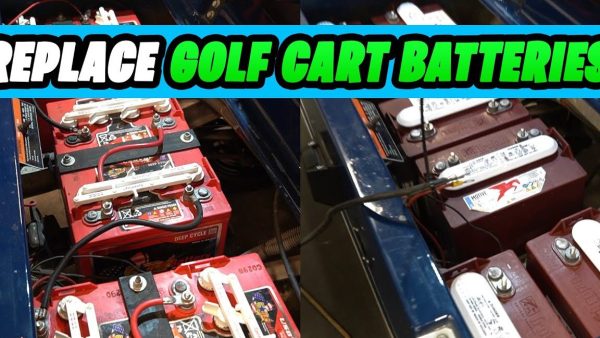
This article provides a comprehensive guide on swapping out golf cart batteries, detailing essential steps and tips to ensure a smooth process. Readers will learn the procedure for changing golf cart batteries, including necessary tools, safety precautions, and maintenance advice to extend battery life. Whether you're a seasoned golfer or a beginner, this resource will equip you with the knowledge needed to effectively change golf cart batteries and keep your vehicle running efficiently.
Understanding the Importance of Replacing Golf Cart Batteries
When it comes to maintaining the performance and longevity of your golf cart, replacing the batteries is a critical aspect that should not be overlooked. Regularly changing your golf cart batteries ensures optimal functionality, safety, and overall enjoyment of your golfing experience.
Why Timely Battery Replacement Matters
Over time, golf cart batteries experience wear and tear, which can significantly affect their performance. Here are some key reasons why timely replacement is essential:
- Performance Optimization: Old batteries can lead to decreased power and efficiency, making your golf cart sluggish on the course.
- Safety Considerations: Worn-out batteries can pose safety risks, including potential leaks or malfunctions that could lead to accidents.
- Cost-Effectiveness: Investing in new batteries can save you money in the long run by preventing costly repairs or replacements of other components caused by battery failure.
Signs That Your Golf Cart Batteries Need Replacement
Being aware of the signs that indicate your batteries may need to be replaced can help you take action before any major issues arise. Look out for the following:
- Decreased Range: If your golf cart is not traveling as far on a single charge, it may be time for new batteries.
- Frequent Charging: If you find yourself needing to recharge your batteries more often than usual, they may be nearing the end of their lifespan.
- Physical Damage: Inspect the batteries for any signs of corrosion, leaks, or bulging, which are indicators that they should be replaced.
Choosing the Right Replacement Batteries
When selecting new batteries for your golf cart, consider the following factors to ensure you choose the best option:
- Battery Type: Determine whether your cart requires lead-acid, lithium-ion, or AGM batteries based on your usage and preferences.
- Brand Reputation: Opt for reputable brands such as Trojan, US Battery, or Interstate, known for their reliability and performance.
- Voltage Requirements: Ensure the new batteries match the voltage specifications of your golf cart to maintain compatibility and performance.
Understanding the significance of replacing golf cart batteries not only enhances your golfing experience but also contributes to the longevity of your vehicle. By being proactive about battery maintenance and replacement, you can enjoy smoother rides and greater peace of mind on the golf course.
Step-by-Step Guide to Safely Remove Old Golf Cart Batteries
Removing old golf cart batteries requires careful attention to safety and proper technique. This guide will walk you through each step to ensure a secure and effective battery removal process.
Materials Needed
Before you start, gather the following tools and materials:
- Safety gloves - To protect your hands from acid or corrosion.
- Safety goggles - To shield your eyes from any potential battery acid splashes.
- Wrench set - For loosening and tightening battery terminals.
- Battery terminal puller - To safely detach the terminals.
- Plastic container - For holding the old batteries if you plan to transport them.
Step 1: Prepare the Golf Cart
Ensure that your golf cart is parked on a flat surface and turned off. Remove the key from the ignition to prevent any accidental starts during the battery removal process.
Step 2: Disconnect the Power Source
1. Locate the battery compartment - Typically found under the seat or in a designated compartment.
2. Remove the cover - If your golf cart has a battery cover, carefully take it off.
3. Identify the negative terminal - It is usually marked with a black cover or a minus sign (-).
4. Disconnect the negative terminal first - Using your wrench, loosen the bolt on the negative terminal and carefully remove it. This reduces the risk of a short circuit.
5. Proceed to the positive terminal - Repeat the same process for the positive terminal, marked with a red cover or a plus sign (+).
Step 3: Remove the Old Batteries
1. Check for any securing mechanisms - Some batteries may be held in place with straps or brackets. Remove these using your wrench.
2. Lift the batteries out carefully - Batteries can be heavy. Use proper lifting techniques to avoid injury. If necessary, ask for assistance.
3. Place the batteries in a plastic container - This helps prevent spills and makes transport easier.
Step 4: Clean the Battery Compartment
1. Inspect for corrosion - Look for any signs of battery acid or corrosion in the compartment.
2. Clean the area - Use a mixture of baking soda and water to neutralize any acid. Wipe the area with a cloth to ensure it’s dry and clean.
Step 5: Dispose of the Old Batteries Properly
1. Locate a recycling center - Many areas have designated locations for battery disposal.
2. Transport the batteries safely - Ensure they are secure in your vehicle to prevent any movement during transport.
Following this detailed guide will help you safely remove old golf cart batteries while minimizing risks associated with battery handling. Always prioritize safety and proper disposal methods to protect both yourself and the environment.
Choosing the Right Replacement Batteries for Your Golf Cart
When it comes to maintaining the performance and longevity of your golf cart, selecting the appropriate replacement batteries is crucial. This decision can significantly impact your cart's efficiency, range, and overall enjoyment on the course. Here’s a comprehensive guide to help you make an informed choice.
Types of Batteries Available
Understanding the different types of batteries is the first step in your selection process:
- Lead-Acid Batteries: These are the most common and affordable options, typically available in flooded and sealed variants. Flooded lead-acid batteries require regular maintenance, while sealed options offer convenience with less upkeep.
- Lithium-Ion Batteries: Known for their lightweight and high energy density, lithium-ion batteries can provide longer run times and faster charging. Though they come at a higher price point, their durability and efficiency often justify the investment.
- AGM Batteries: Absorbed Glass Mat (AGM) batteries are a type of sealed lead-acid battery that offers spill-proof performance and can handle deep cycling better than standard flooded batteries.
Key Factors to Consider
When selecting replacement batteries, keep the following factors in mind:
1. Voltage Requirements
Ensure the battery voltage matches your golf cart's specifications. Most carts operate on 36V or 48V systems.
2. Amp-Hour Rating
The amp-hour (Ah) rating indicates how long a battery can deliver a specific current. A higher Ah rating generally means longer run times, so choose a battery that meets your usage needs.
3. Physical Size and Compatibility
Make sure the new batteries fit within the designated battery compartment of your golf cart. Measure the dimensions of the existing batteries and check the specifications of potential replacements.
Brand Recommendations
Several reputable brands offer quality replacement batteries for golf carts:
- Trojan: Renowned for their deep-cycle lead-acid batteries, Trojan offers a range of options suitable for golf carts, with prices typically ranging from $150 to $300.
- Battle Born: Known for their lithium-ion batteries, Battle Born provides a lightweight option with a price around $1,000, offering extended lifespan and performance.
- Trojan T-105: A popular choice among golf cart owners, this flooded lead-acid battery offers 225Ah at 6V, costing approximately $200 per battery.
Installation Considerations
Replacing your golf cart batteries is a straightforward process, but proper installation is essential:
- Always wear protective gear when handling batteries.
- Disconnect the negative terminal first, followed by the positive terminal.
- Install the new batteries in the same orientation as the old ones, connecting the positive terminal first.
Choosing the right replacement batteries is key to maximizing your golf cart's performance. By considering battery type, specifications, and trusted brands, you can ensure a smooth ride on the course.
Tips for Installing New Golf Cart Batteries Efficiently
Installing new golf cart batteries can enhance your cart's performance significantly. Here are some practical tips to ensure a smooth installation process.
Gather the Right Tools
Before starting the installation, ensure you have the necessary tools at hand:
- Wrenches and Socket Set: For loosening and tightening battery terminals.
- Safety Gloves: Protect your hands from acid or corrosion.
- Safety Goggles: Shield your eyes from any potential splashes.
- Battery Terminal Cleaner: To ensure a clean connection.
Choose the Right Battery Type
Selecting the correct battery type is crucial. Make sure to consider:
- Voltage Requirements: Ensure the new batteries match your golf cart’s specifications, typically 6V, 8V, or 12V.
- Deep Cycle vs. Standard: Opt for deep cycle batteries if your golf cart is used frequently.
- Brand Reliability: Consider reputable brands like Trojans or Interstate, known for their durability.
Proper Battery Placement
When replacing the batteries, the arrangement matters:
- Follow the Original Configuration: Make sure to place the new batteries in the same orientation as the old ones.
- Secure Connections: Ensure that all terminals are tightened securely to prevent any loose connections.
Check for Corrosion
Before installing the new batteries, inspect the battery compartment:
- Clean the Area: Use a mixture of baking soda and water to neutralize any acid residue.
- Inspect Cables: Look for frayed or damaged cables that may need replacement.
Test After Installation
Once you have installed the new batteries, conduct a test:
- Initial Charge: Fully charge the batteries before the first use to optimize performance.
- Monitor Performance: Take the golf cart for a test drive to ensure everything functions smoothly.
By following these detailed tips for installing new golf cart batteries efficiently, you can enhance your cart’s lifespan and performance, ensuring a reliable ride on the course.
Maintaining Your Golf Cart Batteries for Longevity
To ensure your golf cart batteries have a long and productive life, it's essential to implement a comprehensive maintenance routine. Proper care not only enhances performance but also saves you money in the long run. Here are some effective strategies to maintain your golf cart batteries:
Regular Inspection
Performing routine checks on your batteries can help identify potential issues before they escalate. Look for the following:
- Corrosion: Check battery terminals for corrosion. Cleaning them with a mixture of baking soda and water can help prevent issues.
- Fluid Levels: Ensure the electrolyte levels are adequate. If they are low, add distilled water to keep them at the proper level.
- Physical Damage: Inspect for cracks or leaks in the battery casing that may indicate damage.
Proper Charging Practices
Adhering to correct charging protocols is vital for battery health. Consider the following tips:
- Avoid Overcharging: Use a charger that is compatible with your battery type to prevent overcharging, which can lead to overheating and reduced lifespan.
- Charge After Use: Make it a habit to recharge your batteries after every use to maintain optimal charge levels.
- Equalization Charging: Occasionally perform an equalization charge to balance the battery cells, particularly for flooded lead-acid batteries.
Temperature Management
Temperature can significantly affect battery performance and longevity. Here’s how to manage it:
- Storage Conditions: Store your golf cart in a climate-controlled environment, especially during extreme weather conditions.
- Heat Exposure: Avoid leaving your cart in direct sunlight for extended periods, as excessive heat can damage the batteries.
Battery Cleaning
Keeping your batteries clean is crucial for maintaining their performance. Follow these cleaning tips:
- Exterior Cleaning: Wipe down the battery casing with a damp cloth to remove dirt and grime.
- Terminal Maintenance: Clean terminals regularly to ensure good electrical connections. Use a terminal brush or a wire brush for stubborn corrosion.
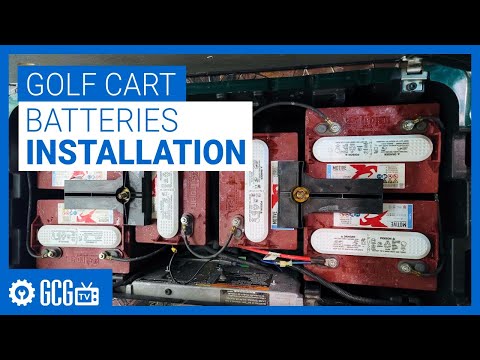
Understanding Battery Types
Familiarize yourself with the different types of golf cart batteries, as maintenance requirements can vary:
- Lead-Acid Batteries: Require regular water checks and equalization charging.
- Gel Batteries: Need less maintenance but must be charged with a specific charger to avoid damage.
- Lithium-Ion Batteries: Generally maintenance-free, but ensure compatibility with your cart for optimal performance.
By incorporating these maintenance practices into your routine, you can significantly extend the life of your golf cart batteries, ensuring they perform at their best for years to come. Whether you are considering how to replace golf cart batteries or simply looking to enhance their longevity, these tips are essential for any golf cart owner.
We would love to hear your thoughts and questions about replacing golf cart batteries! Your insights and inquiries not only enrich our community but also help others who may be navigating similar challenges. Please feel free to share your experiences or seek clarification in the comments—together, we can make this process easier and more enjoyable for everyone. Your voice matters!
Leave a Reply